

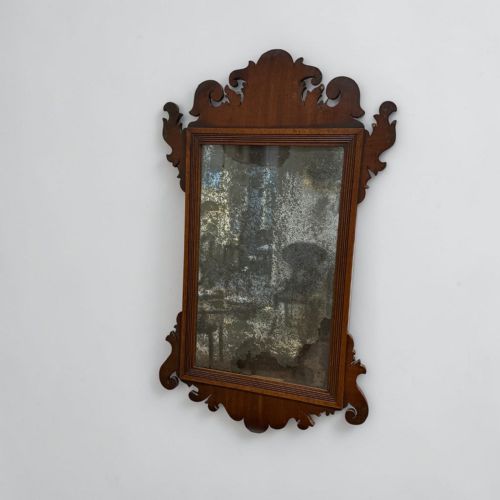
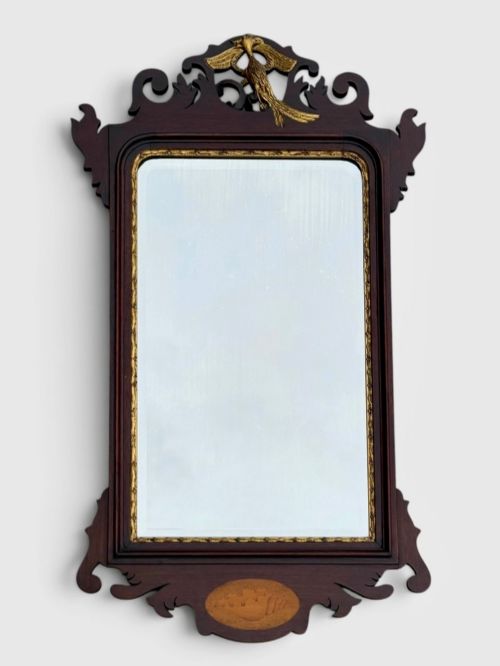
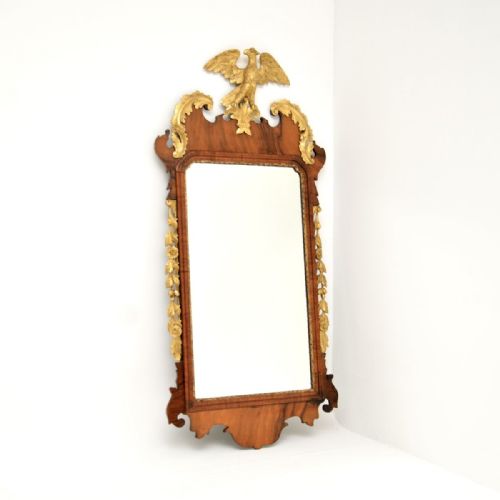
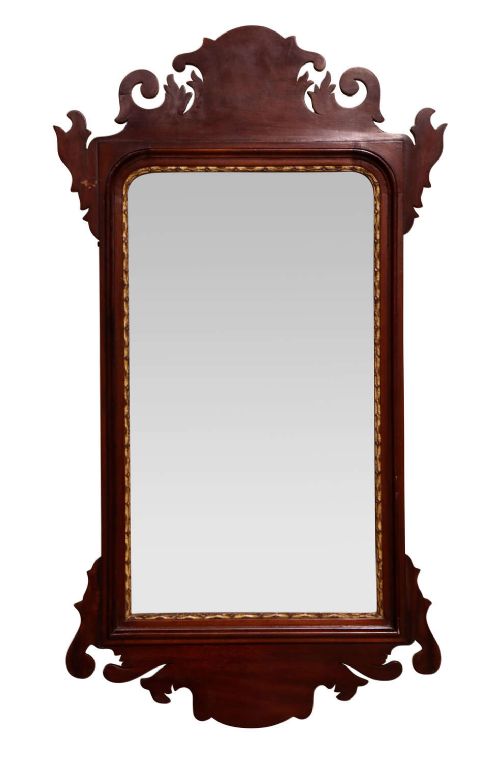
Chippendale Fretwork Mirror
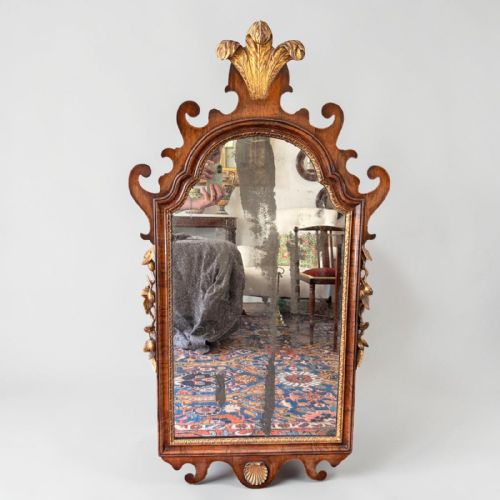
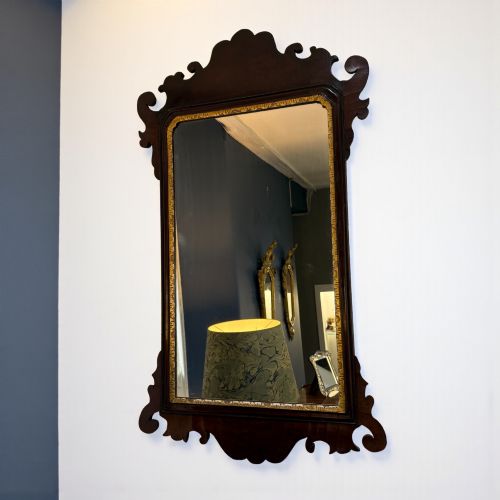
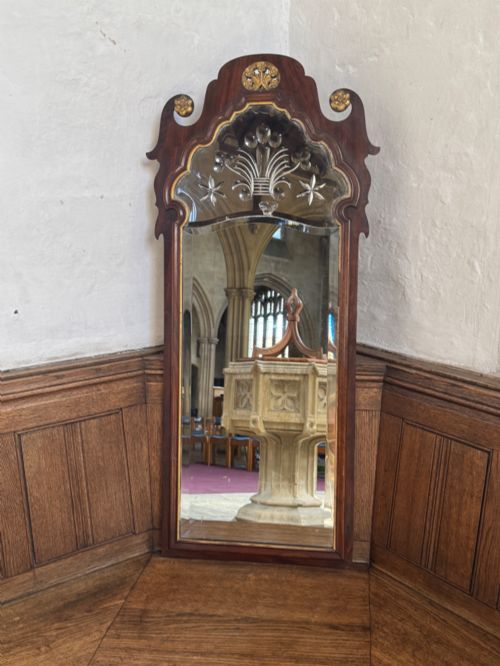
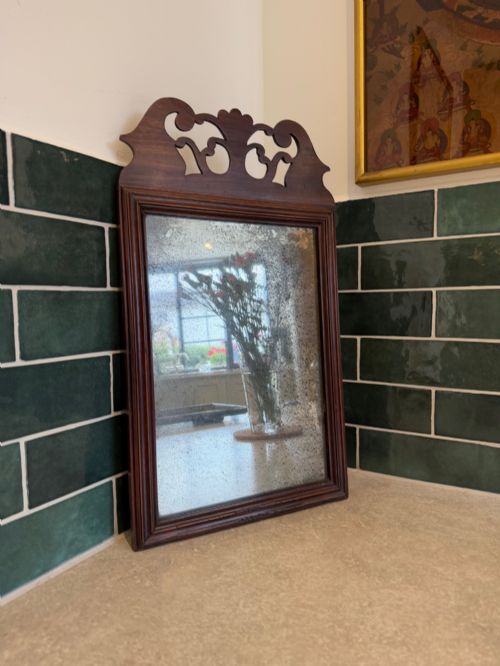
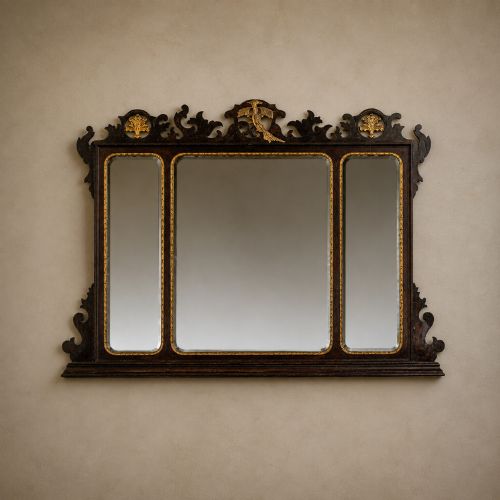
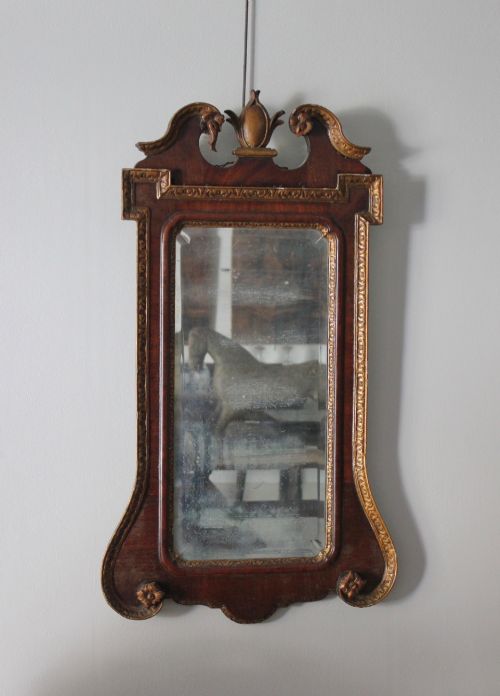
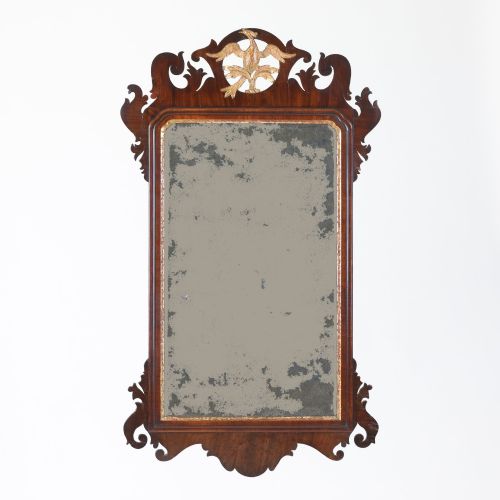
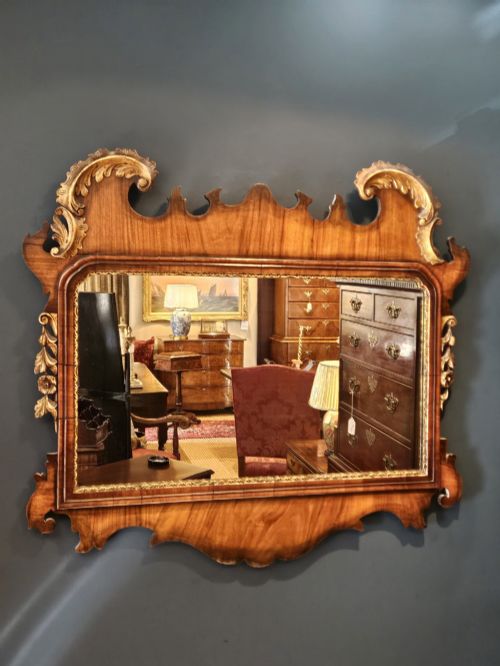
A chippendale fretwork mirror brings intricate pierced timber silhouettes and classical 18th-century proportion into a room.
Chippendale Fretwork Mirror
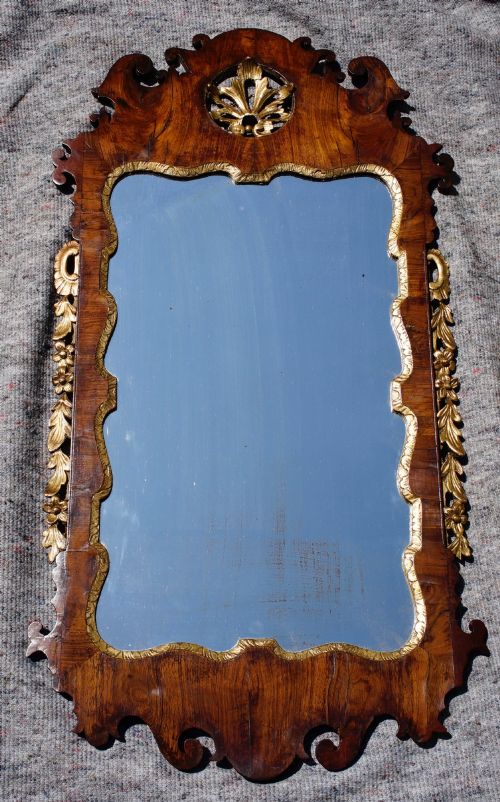
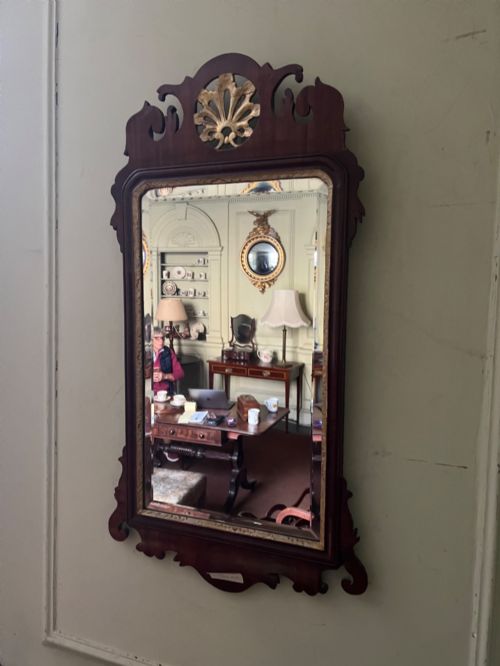
The material palette centres on rich timbers like mahogany and walnut, frequently accented with parcel-gilt details, gesso, or applied gold leaf. Surviving examples range from small, intimate wall-hanging pier mirrors to large overmantel formats designed to anchor a fireplace.
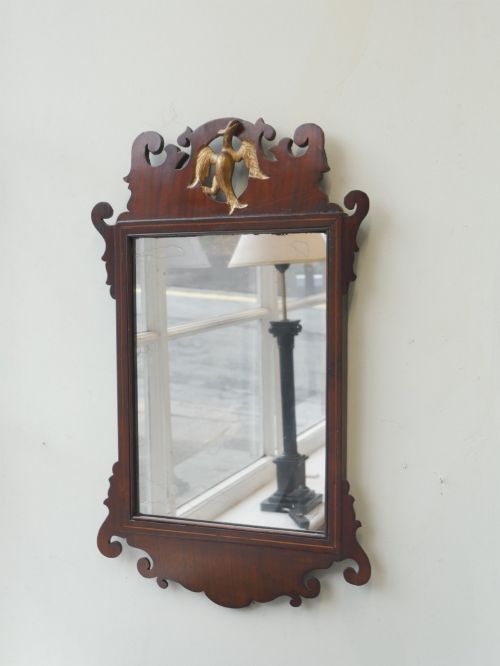
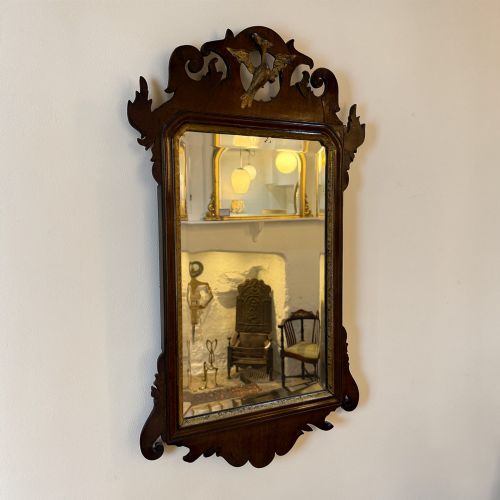
Revival pieces from the Edwardian era and the late 19th century replicate the scrolling ears and scrolled crests of the George II and George III periods. Many incorporate characteristic motifs such as the gilded Ho-Ho bird cresting at the apex of the frame.
Materials and Construction
Frames are constructed from dense timbers like mahogany, walnut, and occasionally sycamore, providing the structural integrity needed for thin, pierced fret-cut margins. Woodworkers utilised fine hand saws to cut intricate scroll patterns through thin boards, layering timber to prevent splitting along the grain.
Giltwood elements and parcel-gilt highlights were applied using gesso over carved wooden bases, then finished with gold leaf. Vauxhall plates and bevel-edged glass mirror inserts were secured into the back of the frames with traditional timber slips.
Chippendale Fretwork Mirror Retail Price Guide 2026
Typical asking prices for chippendale fretwork mirror among the pieces listed under this phrase on Sellingantiques today, from the lower quarter to the upper quarter. They describe what is for sale here now, not the wider market.
Many of these mirrors feature watchful phoenix crests that have spent centuries observing parlour tea parties.
Judging Quality
The refinement of the pierced fretwork sets superior examples apart, with crisp, deeply carved margins and delicate scroll ears showing the hand of a skilled maker. Finer items display harmonious proportions, sharp corner joints, and well-preserved original gilding on carved elements such as the Ho-Ho bird crest.
The quality of the mirror plate itself contributes significantly, as early glass displays subtle distortions, Vauxhall bevels, or age-related silvering changes that distinguish period manufacture from later replacements.
The Chippendale Fretwork Mirror Glossary
- Fretwork
- woodwork pierced with ornamental patterns using a fine saw. This technique creates the delicate, open-work silhouette characteristic of the frames.
- Parcel-gilt
- partially gilded with gold leaf over specific carved details. This treatment highlights crests, mouldings, and bird motifs against the dark timber background.
- Vauxhall plate
- an early type of mirror glass featuring a distinct bevelled edge. These plates are historically associated with high-status Georgian looking glasses.
- Ho-Ho bird
- a stylized Chinese phoenix motif frequently carved or gilded on mirror crests. It serves as a signature decorative element in mid-Georgian and revival designs.
- Pier mirror
- a tall, narrow looking glass designed to hang on the wall between windows. They often coordinate with matching console tables.
Chippendale Fretwork Mirror: Frequently Asked Questions
How do I date a fretwork mirror?
Dating relies on examining the timber species, the construction of the backboards, and the wear patterns on the glass and frame. 18th-century examples typically feature old growth mahogany or walnut with hand-bevelled glass plates, whereas revival pieces from the Victorian and Edwardian eras show machine-sawn backing timbers and later mirror plates.
Fretwork styles also shift across decades, moving from heavier George II rococo scrolls to lighter George III neoclassical symmetry before being reinterpreted during late 19th-century revival movements.
Where should I hang these mirrors?
These mirrors suit locations where reflected light can brighten a space, such as above a mantelpiece, in a hallway, or between windows as a pier glass. Their vertical proportions and decorative crests draw the eye upward, making them effective focal points in reception rooms.
Ensure the wall fixings match the weight of the timber frame, particularly for large overmantel versions containing substantial glass plates.
What is the Ho-Ho bird?
The Ho-Ho bird is a British interpretation of the Chinese phoenix, commonly rendered as a crested bird perched at the top of the mirror frame. This motif gained popularity during the mid-18th century alongside oriental influence in furniture design.
In later revival pieces, the bird crest is often regilded or carved with softer, rounder contours than those found on 18th-century originals.
Are these frames made of solid wood?
Most frames combine solid timber for the structural carcase with thin boards for the pierced fretwork margins. Walnut and mahogany veneers occasionally appear on the flat surfaces of larger overmantel and wall mirrors, particularly in Edwardian and later revival interpretations.
Carved details like gilded leaves and bird crests are typically fashioned from softer woods or gesso applied over the timber base.