


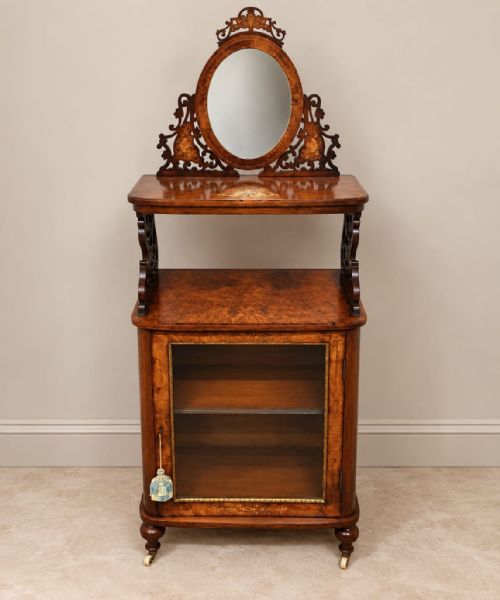
Vintage Wooden Mirror
These vintage wooden mirrors bring warmth and character to a room, offering functional reflection through timber frames shaped across centuries.
What vintage wooden mirrors are
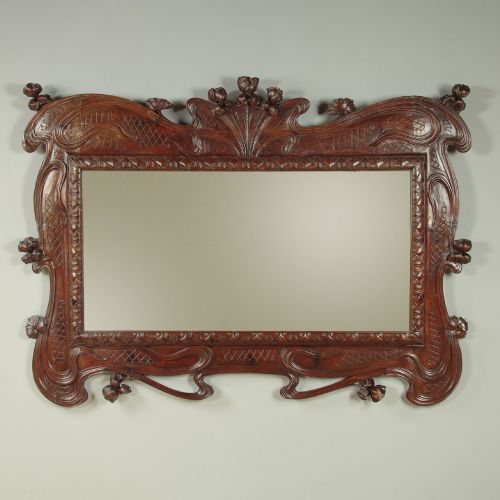
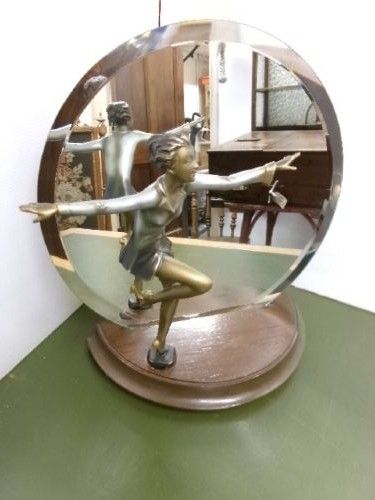
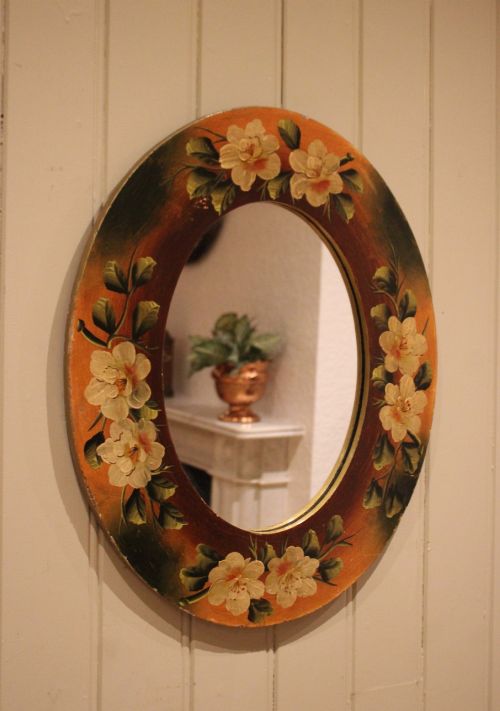
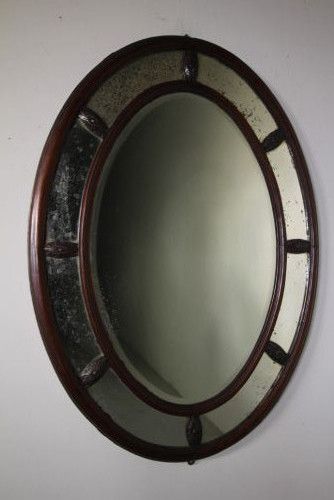
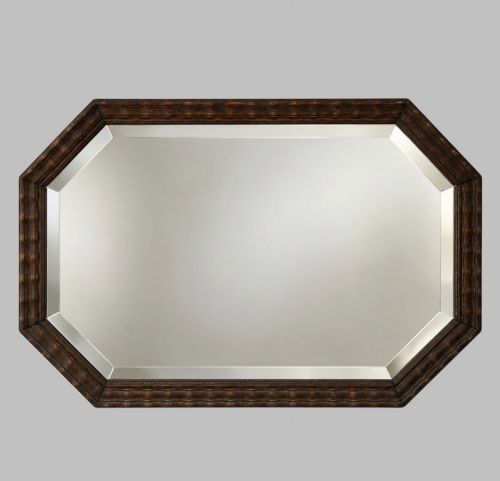
A vintage wooden mirror represents a range of wall-hung and tabletop looking glasses shaped from various timbers and spanning different historical periods. When searching for a vintage wooden mirror, buyers encounter everything from modest oak frames to elaborate Georgian wall pieces.
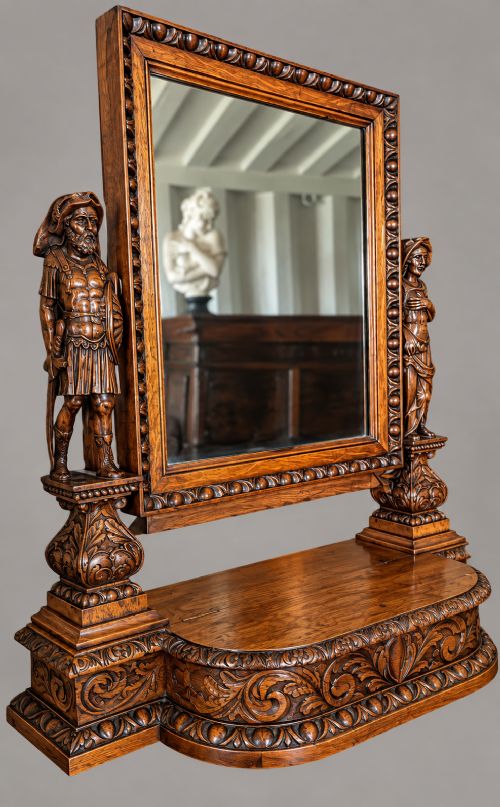
The selections available include items from the 18th century, the Victorian era, the 1920s, and the 19th century broadly. Wall mirrors dominate the selection, alongside dressing table swivel frames and decorative trumeau designs.
Makers and designers drew upon styles such as Georgian, Victorian, Chippendale, Jacobean Revival, and French Chateau aesthetics. Walnut, mahogany, sycamore, oak, rosewood, kingwood, and giltwood provide the primary framing materials across these pieces.
How they were made
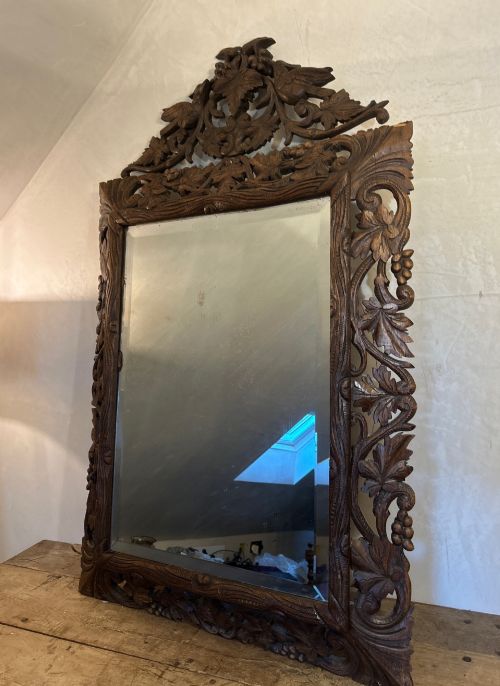
Craftsmen built these frames using dense hardwoods like mahogany, walnut, oak, rosewood, and kingwood, often shaping them with intricate fretwork or carved details. Sycamore and giltwood also appear, sometimes combined with a gilt slip to highlight the inner edge of the frame.
Joinery techniques matched the period, securing glass plates within wooden housing using traditional backing and framing methods. Carved elements, gilt accents, and polished timber surfaces required specialist hand woodworking skills.
Retail Price Guide 2026
Typical UK retail prices for vintage wooden mirror, calculated from the Sellingantiques database of over a million retail prices indexed since 2003. This retail price guide relies exclusively on Sellingantiques data; no external sources or auction records are used, so the figures do not describe the wider market.
Some mirrors include hidden swivel adjustments that let you tilt your reflection with a gentle nudge.
What varies in quality
Quality rests in the depth of the carving, the choice of timber such as figured walnut or richly grained mahogany, and the fidelity of the period style. Pieces featuring intricate fretwork or combined materials like rosewood and kingwood demonstrate higher ambition in design.
The integration of decorative elements, including gilt slips or trumeau panels, separates standard production from finer examples. Handling heavier timber frames and careful surface finishing indicate superior construction standards.
The Vintage Wooden Mirror Glossary
- Fretwork
- Openwork ornamentation cut with a fretsaw, frequently seen on 18th-century frames. This technique creates delicate, patterned wooden borders.
- Trumeau mirror
- A decorative wall glass set into a panel, often incorporating carved woodwork above or around the plate. These pieces originate from French interior traditions.
- Gilt slip
- A narrow gilt moulding placed inside the primary wooden frame next to the glass. It provides a reflective border that separates the timber from the mirror plate.
- Swivel frame
- A mirror mounted on pivots within upright supports, allowing the glass to tilt. This mechanism is typical of dressing table mirrors.
Frequently Asked Questions
How do I hang a heavy wooden mirror safely?
Heavy wall mirrors require secure fixings anchored directly into wall studs or masonry using appropriate weight-rated brackets. Professional hanging hardware ensures the substantial timber frame remains stable.
Check the integrity of the original hanging loops or backing structure before installation to support the combined weight of the wood and glass safely.
What is a trumeau mirror?
A trumeau mirror combines a glass plate with a decorative wooden panel, often featuring carved motifs or painted scenes. They were designed to hang on wall piers between windows.
These architectural mirrors bring height and reflected light into a room while serving as a distinct focal point.
How do I clean an antique wooden frame?
Dust the timber gently with a dry, soft cloth to remove surface particles without disturbing the finish or patina. Avoid commercial liquid polishes that can damage older wood treatments.
For glass plates, apply a small amount of cleaner to a cloth rather than spraying directly, preventing moisture from seeping behind the frame into the backing.
How do I date a wooden mirror?
Dating relies on identifying the timber species, construction methods, fixing types, and stylistic cues such as Georgian fretwork or Victorian massing. Examining the backboards and glass bevels provides further clues to the period of origin.
Comparing the decorative vocabulary against known historical styles helps narrow the decade or century of manufacture.