
Small Mirror
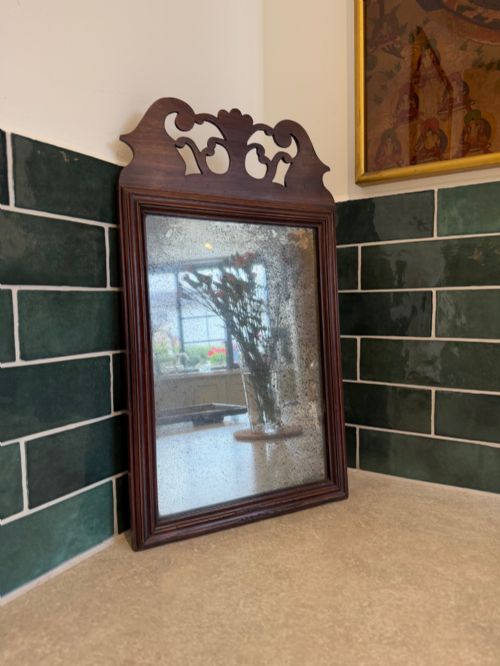
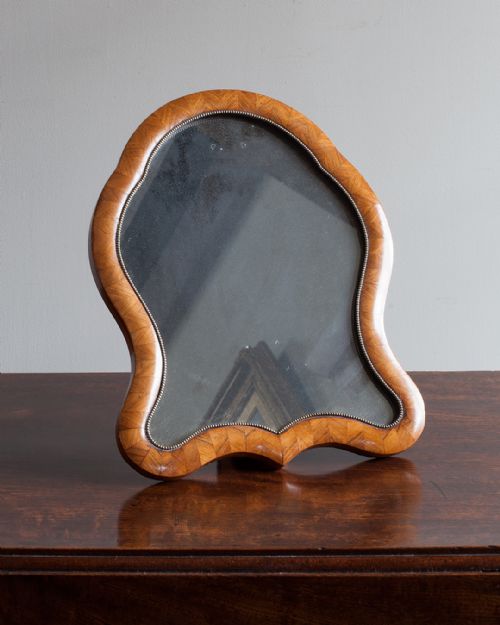
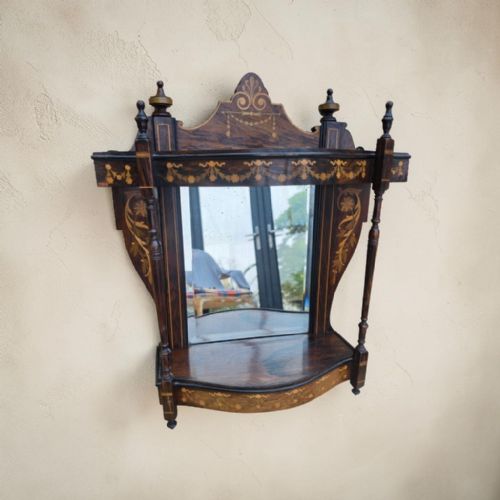
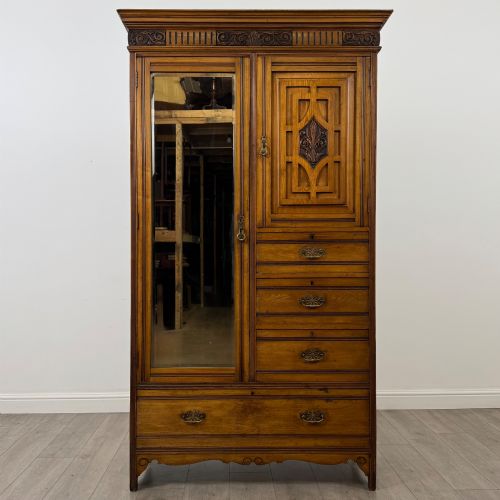
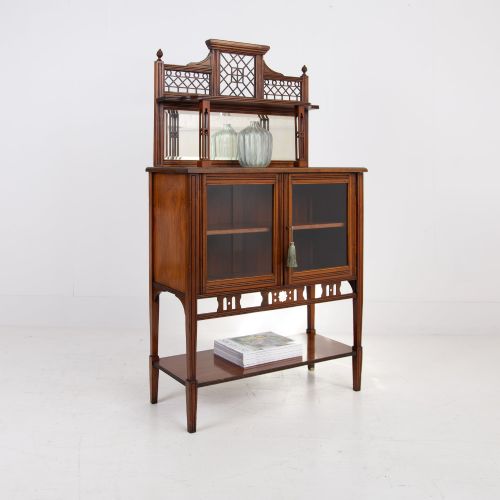
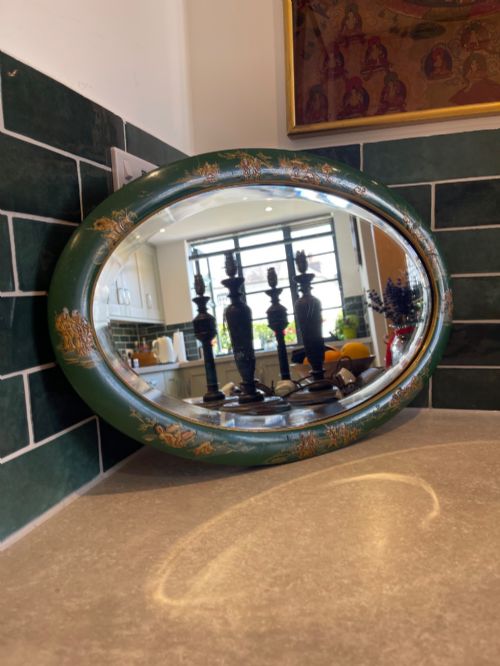
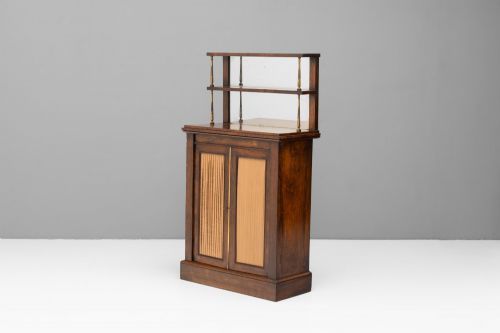
When you search for a small antique mirror, you enter a diverse category spanning compact dressing table pieces, gilt wall hangings, and convex mirrors from the eighteenth century onward.
Small Mirror
A small antique mirror encompasses domestic looking glasses designed for dressing tables, hallways, and compact wall spaces across the eighteenth, nineteenth, and early twentieth centuries.
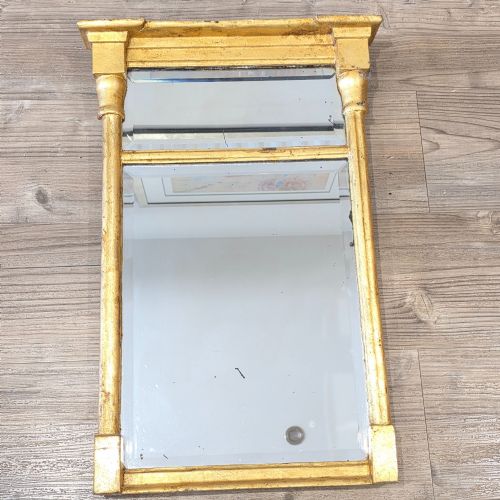
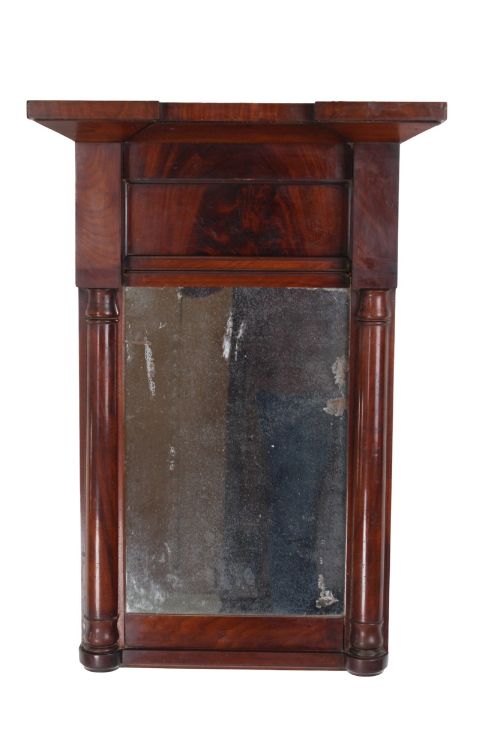
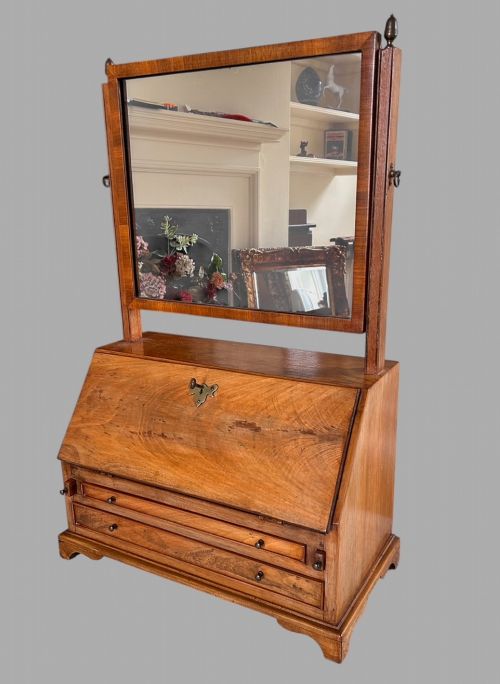
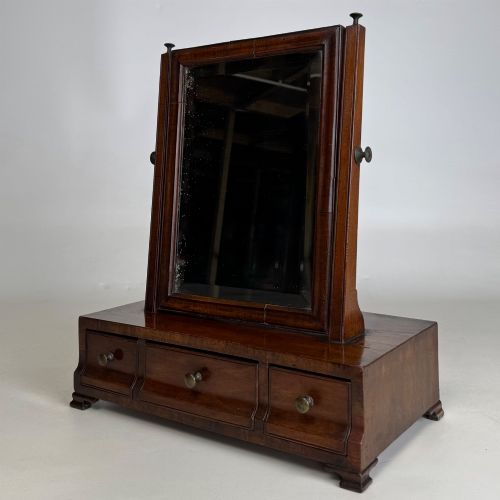
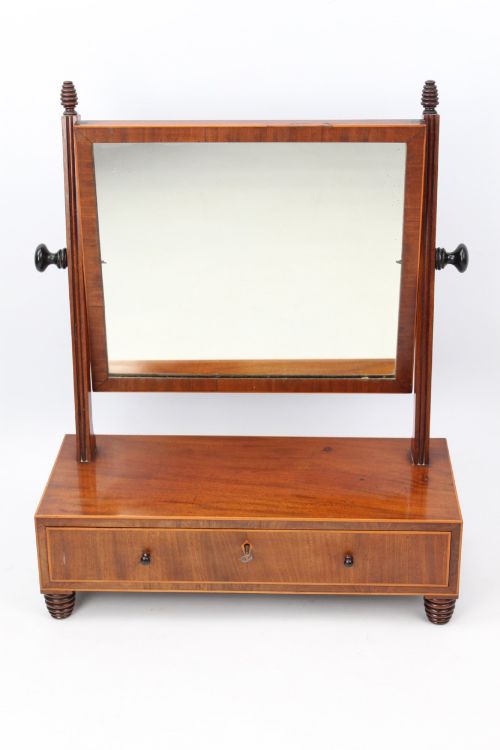
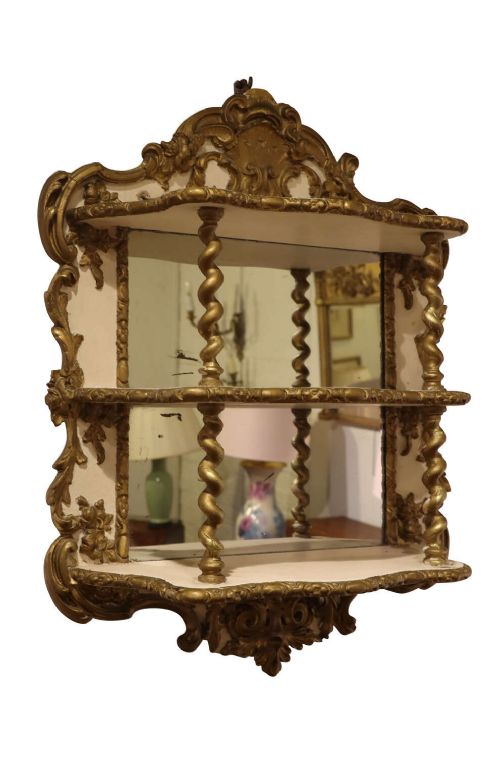
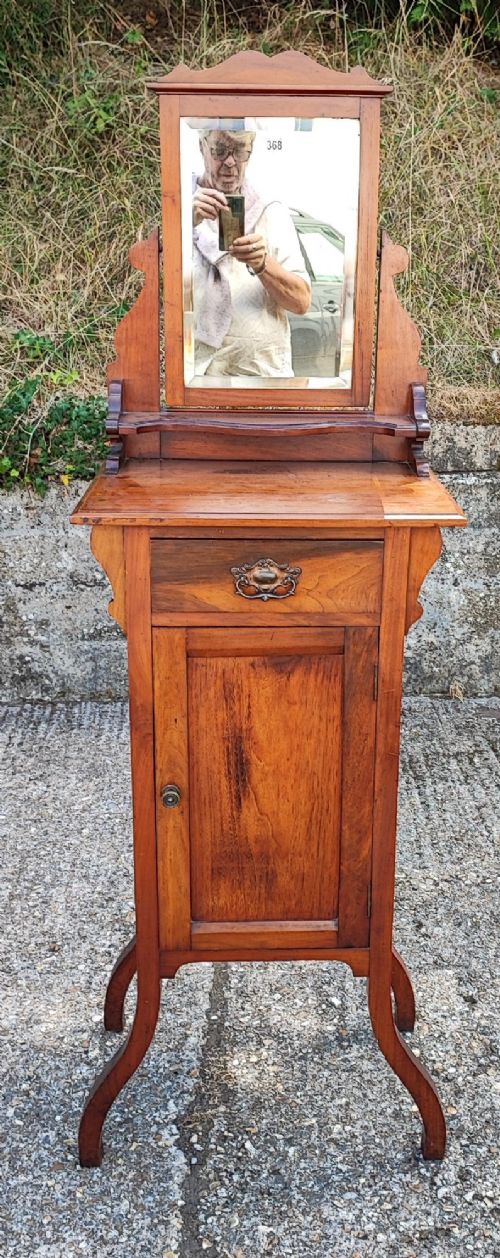
The selections on this page appear in forms such as George III mahogany fretwork wall frames, Regency pier glasses, Victorian oval wall plates, and adjustable toilet mirrors.
Buyers seeking these objects encounter diverse stylistic influences, ranging from French Rococo Revival and Aesthetic Movement bamboo designs to classical Georgian proportions and Edwardian simplicity.
How They Were Made
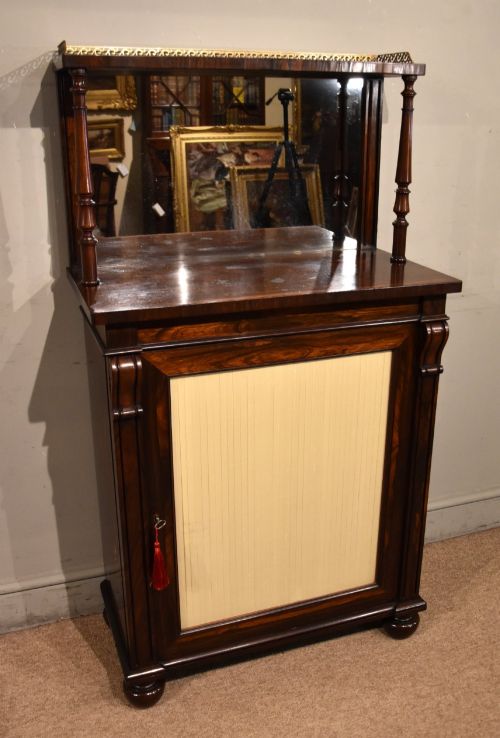
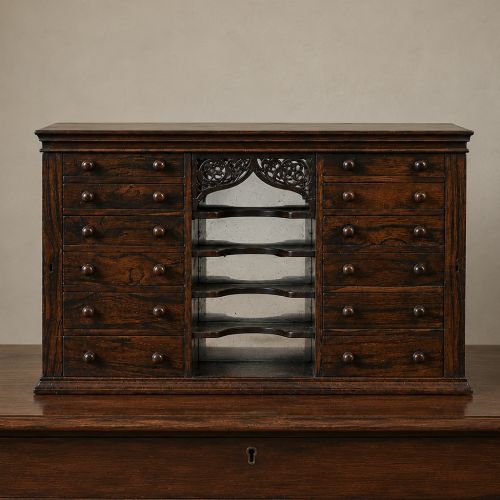
Cabinetmakers utilised dense timbers such as mahogany, walnut, rosewood, and satinwood for standing and table dressing frames, often incorporating fine veneers and inlay.
Gilded wall pieces relied on carved wooden frames or moulded gesso applied over a wooden base, finished with layers of gold leaf or silver gilt.
Specialised construction techniques also included pressed brass, bamboo framing, and multi-convex glass assemblies secured within velvet or wood surrounds.
Small Mirror Retail Price Guide 2026
Typical asking prices for small mirror among the pieces listed under this phrase on Sellingantiques today, from the lower quarter to the upper quarter. They describe what is for sale here now, not the wider market.
Several small brass mirrors include original glass eyes, modelled as cats.
What Varies In Quality
The integrity of the original glass surface heavily influences the character of a piece, with period silvering showing natural age spots, foxing, or clear reflection depending on preservation.
Carved detail and surface ornamentation demonstrate the maker's hand, distinguishing crisp, deep relief work in giltwood and gesso from softer, later castings.
The soundness of the underlying joinery, particularly in table-top swing mirrors and box bases, reflects the standard of workshop execution.
The Small Mirror Glossary
- Pier mirror
- A tall, narrow glass designed to hang on the wall space between two windows. It often sat above a matching pier table or console.
- Toilet mirror
- A smaller looking glass mounted on a pivoting frame above a box base or small drawers. These sat on dressing tables for personal grooming.
- Gesso
- A plaster-based material applied to wood frames and carved or moulded into intricate decorative reliefs before gilding. It provides a smooth base for gold leaf.
- Convex mirror
- A round looking glass with a curved surface that reflects a wide, distortion-rich field of view. These were frequently framed with gilt balls or eagle crests.
- Fretwork
- Thin wood panels cut with intricate pierced patterns using a fretsaw. This technique defined many mid-Georgian mahogany wall frames.
Small Mirror: Frequently Asked Questions
How do I date a small antique mirror?
Dating relies on combining the timber species, construction joints, backboards, and the manufacturing method of the glass plate itself. Eighteenth-century pieces often feature hand-beveled edges and pine secondary woods, while Victorian examples utilise machine-rolled glass and denser mouldings.
Stylistic cues such as Aesthetic Movement bamboo or Regency rope-twist carvings also anchor the object within a specific decade.
What is the difference between a toilet mirror and a dressing mirror?
Toilet mirrors specifically refer to smaller, portable swing glasses mounted on small box bases or shaped uprights designed to sit on top of a chest of drawers or table.
Dressing mirrors encompass a broader category that includes larger cheval glasses meant to stand independently on the floor for full-length viewing.
Where should I hang a convex mirror?
Convex mirrors project a wide panoramic view of a room, making them effective focal points in smaller spaces like hallways, studies, or dining rooms where they bounce ambient light across the walls.
They function best hung at eye level opposite a light source to maximise their optical effect.
Are the mirror plates original?
Many surviving pieces retain their original glass, which typically exhibits characteristic signs of age such as minor oxidation, silver speckling, or slight distortion.
Replacement glass appears frequently in pieces where the original silvering degraded entirely, so checking the backboards and silver condition helps determine originality.