
Vintage Painted Mirror
These vintage painted mirror pieces combine glass, wood, and gesso into decorative wall and hand items that brighten period interiors.
What vintage painted mirror pieces are
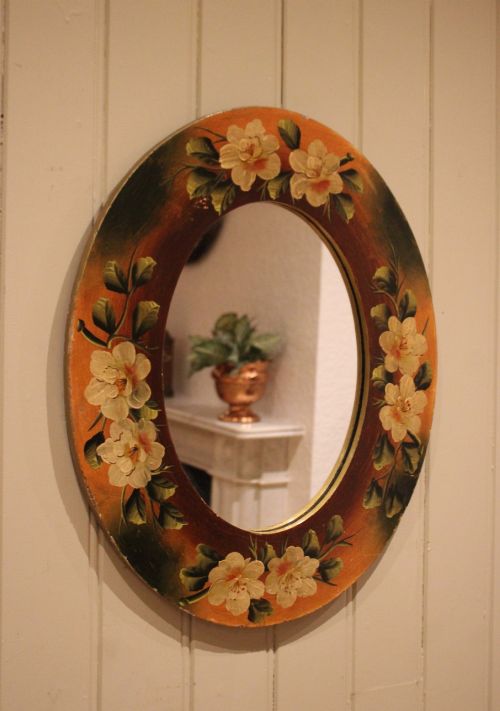
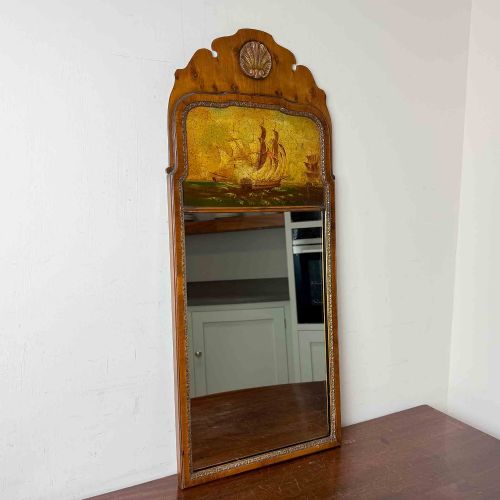
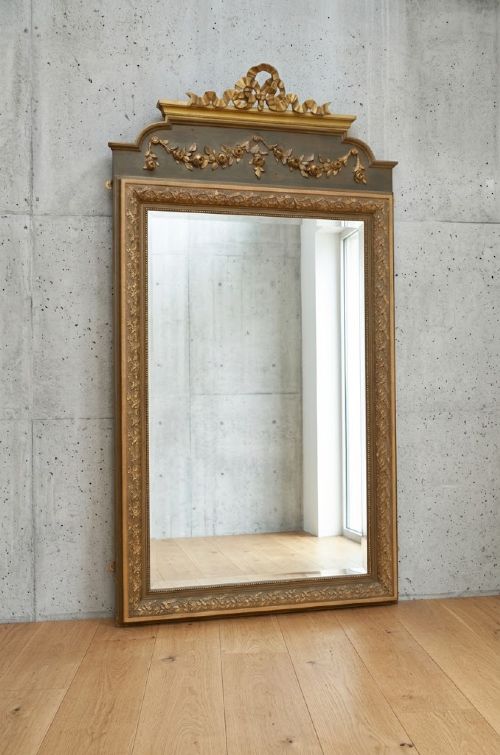
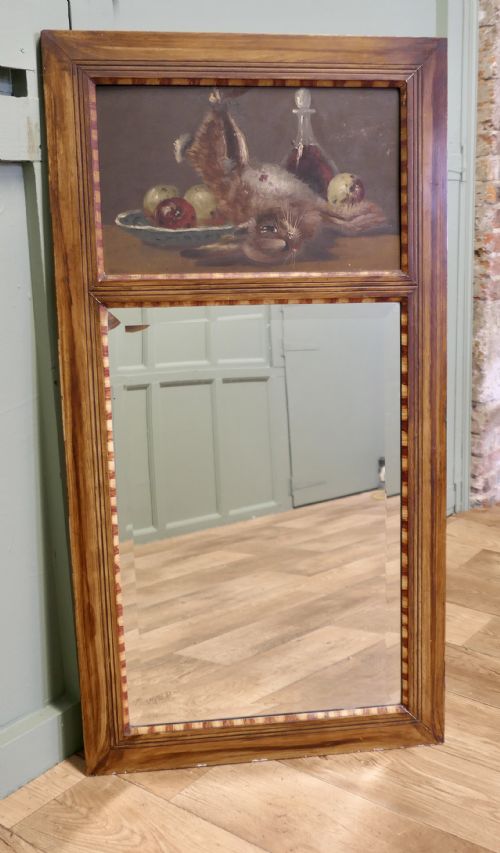
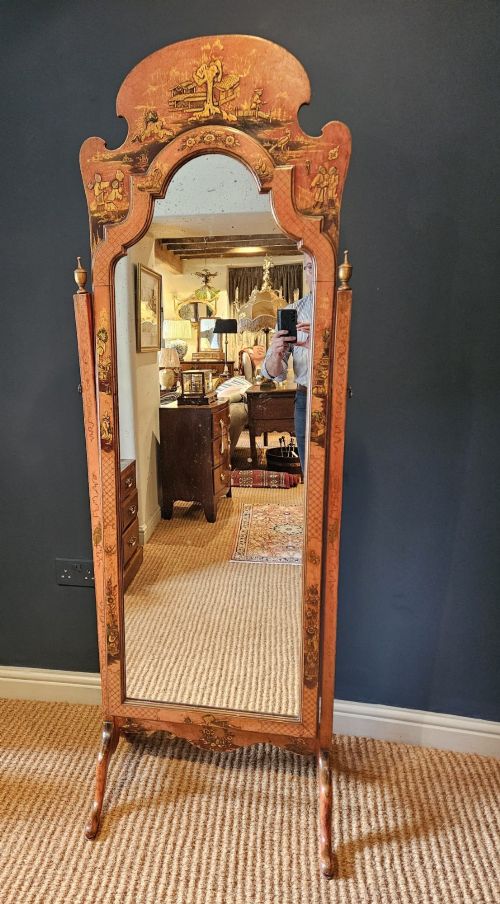
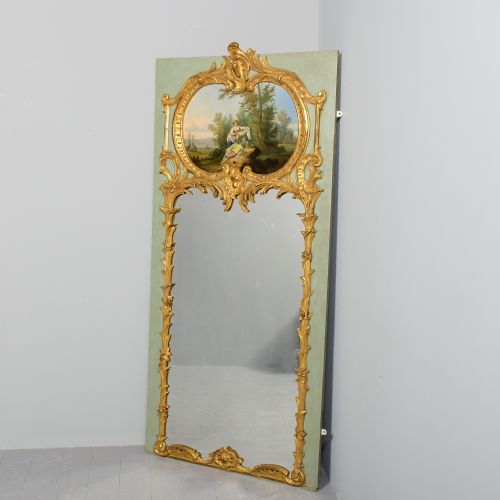
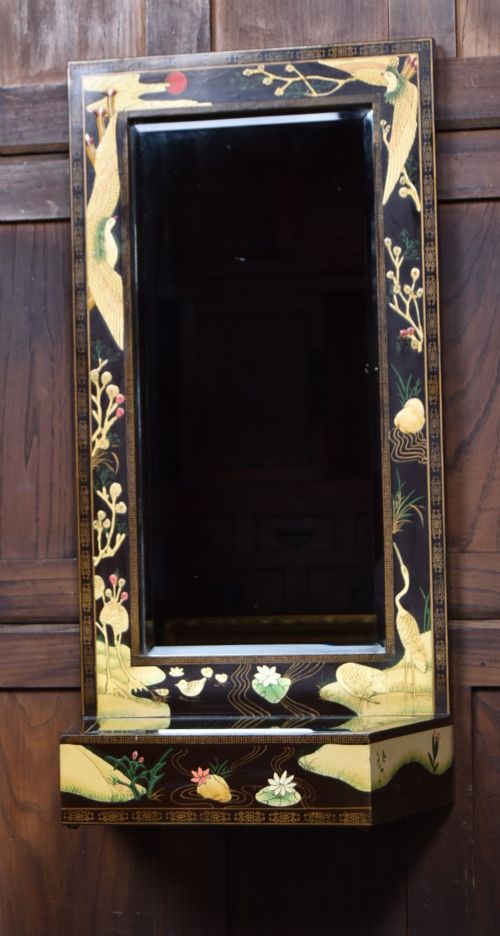
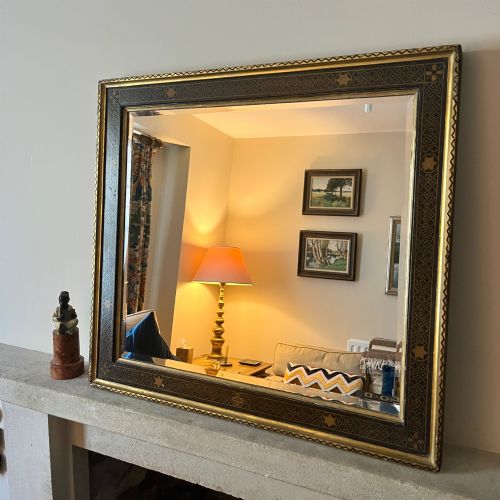
A vintage painted mirror brings decorative woodwork, gesso, and hand painting into domestic spaces, drawing on designs from the nineteenth century and the Edwardian period. Buyers encounter large overmantel mirrors, cushion frame mirrors, and smaller hand mirrors featuring sterling silver mounts.
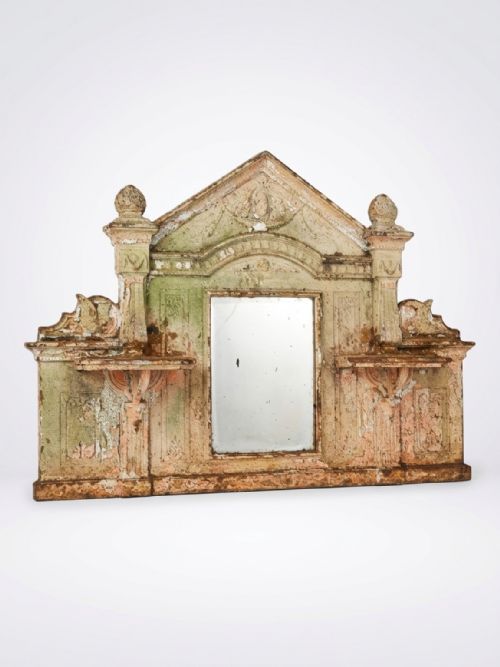
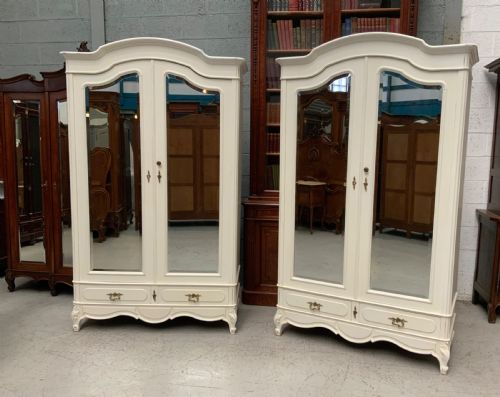
The selection spans French Chateau, Victorian, Neoclassical, Louis Philippe, and nineteenth century country styles. Pieces range from large oval wall items to overmantel mirrors designed to sit above fireplace surrounds.
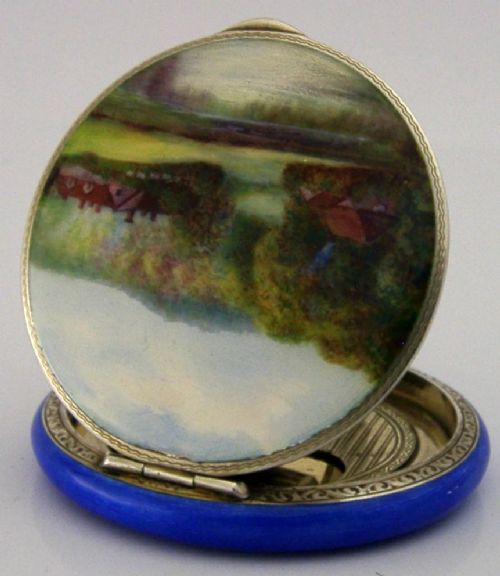
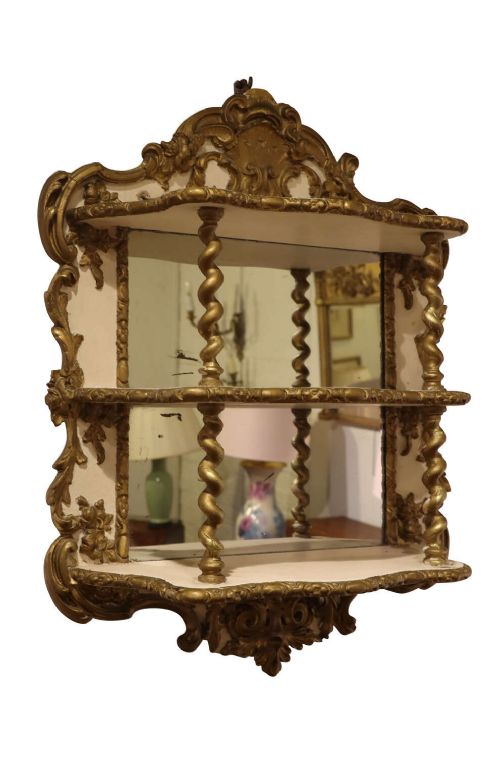
Evidence shows forms varying from simple painted wood frames to elaborate carved wood and gesso structures with parcel gilt highlights. Hand mirrors add sterling silver backs decorated with hand painted enamel floral motifs.
How they were made
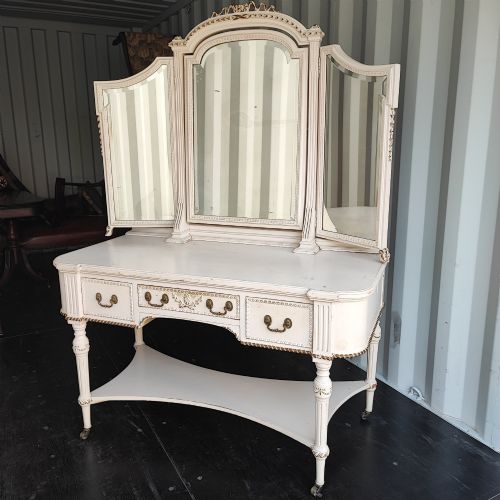
Makers constructed frames from wood, applying layers of gesso and composition to build up decorative moulding and relief details before painting the surface. Gold leafing and parcel gilt techniques were frequently used to highlight carved elements and inner borders.
Hand mirrors combine sterling silver frames with hand painted enamel plaques depicting floral subjects such as roses, peonies, clematis, and forget me nots. Glass plates were set into the prepared frames, secured with traditional backing methods.
Retail Price Guide 2026
Typical UK retail prices for vintage painted mirror, calculated from the Sellingantiques database of over a million retail prices indexed since 2003. This retail price guide relies exclusively on Sellingantiques data; no external sources or auction records are used, so the figures do not describe the wider market.
Botanical enthusiasts can choose between hand mirrors dedicated entirely to japonica, peonies, clematis, and forget me nots.
What varies in quality
Quality rests in the precision of the carved wood, the depth and resilience of the gesso relief, and the handling of the paint and gilt layers. Superior examples display crisp architectural details and harmonious proportions that integrate the glass with the frame.
In hand mirrors, the distinction lies in the finesse of the hand painted enamel floral scenes set within sterling silver mounts. Stronger pieces maintain intact silver hallmarks, secure mountings, and unblemished painted enamel surfaces.
Garrards
The Vintage Painted Mirror Glossary
- Gesso
- A plaster mixture applied to wood frames to create a smooth surface for painting or gilding. It allows artisans to carve or mould intricate decorative details.
- Overmantel Mirror
- A large mirror designed to hang directly above a fireplace mantelpiece. These pieces often feature horizontal proportions to complement the fireplace surround.
- Parcel Gilt
- A decorative technique where only specific portions of an object are covered in gold leaf. This method highlights carved details against a painted background.
- Louis Philippe
- A mid-nineteenth century French style known for softer, rounded architectural lines and restrained ornamentation. It provides a less ornate alternative to earlier rococo revivals.
- Enamel
- A durable glass-like substance fused to metal through firing, used for miniature hand painted scenes. It preserves bright floral pigments over decades.
Frequently Asked Questions
Where should I hang an overmantel mirror?
These large mirrors belong directly above a fireplace mantelpiece, where their generous proportions reflect light across the room. They also anchor open wall spaces in principal reception rooms.
Ensure the wall fixings match the substantial weight of the wood, gesso, and glass assembly.
How do I care for antique painted frames?
Dust the painted wood and gesso gently with a dry, soft cloth to prevent particulate buildup. Avoid liquid cleaners and harsh chemicals that can damage delicate paint and gilt layers.
Keep the pieces away from direct sunlight and damp environments to protect the underlying wood and silver components.
How do I identify a Louis Philippe mirror?
Louis Philippe mirrors typically display gently rounded upper corners and clean architectural framing. The ornamentation is restrained compared to heavier Victorian or baroque revivals.
They often combine painted wood finishes with subtle gilt accents to suit mid-nineteenth century interiors.