







Shabby Chic Mirror
These shabby chic mirror examples bring weathered charm and distressed painted surfaces directly into your interior.
Shabby Chic Mirror
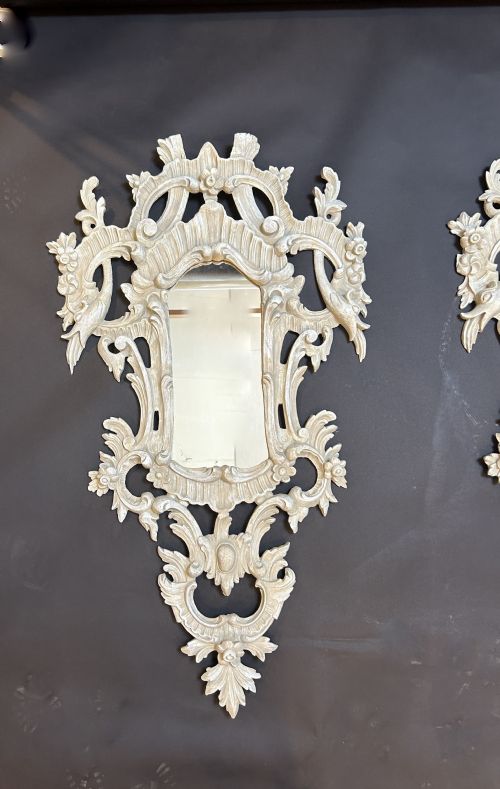
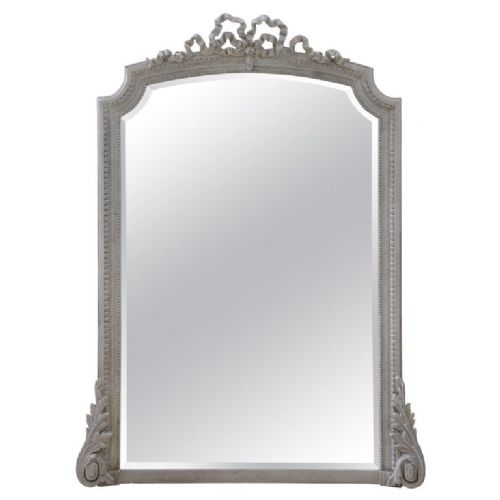
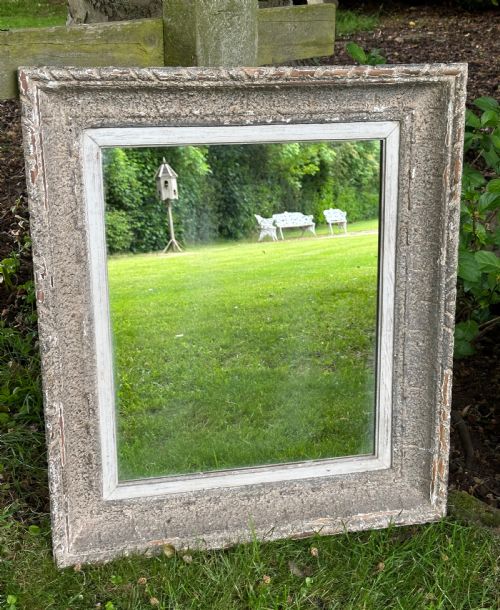
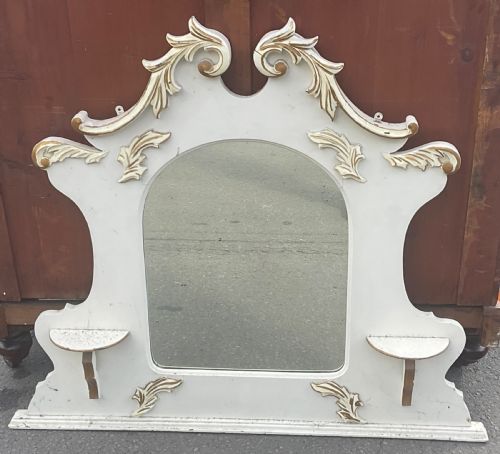
When you search for a shabby chic mirror, you encounter pieces defined by painted timber, carved wood, and gesso finishes that show age. The selection spans overmantel mirrors, wall mirrors, and dressing table mirrors originating from periods such as the nineteenth century and the Edwardian era.
The most common versions on this page are large painted overmantel mirrors and wall mirrors carrying French provincial, Rococo revival, or Victorian styles. These items often feature shaped tops, arched frames, and distressed white or light paintwork accumulated over decades of use.
Materials and construction
Carved wood and timber provide the structural foundation for these frames, frequently overlaid with gesso to build up decorative moulding and relief details. Artisans shaped these wooden bases into arches and elaborate borders before applying layered paint finishes.
Reflective surfaces consist of traditional mirror glass set within the timber frameworks. Overmantel and wall varieties utilise sturdy wooden backing boards to support the heavy glass plates and carved mouldings.
Shabby Chic Mirror Retail Price Guide 2026
Typical asking prices for shabby chic mirror among the pieces listed under this phrase on Sellingantiques today, from the lower quarter to the upper quarter. They describe what is for sale here now, not the wider market.
Some mirrors carry centuries of domestic history behind their glass, having watched generations adjust their hair before heading out to dinner.
Assessing craftsmanship and finish
The distinction between tiers rests upon the depth of hand-carved woodwork and the crispness of the gesso application beneath the paint layers. Superior examples display intricate moulding work on shaped and arched wooden frames rather than simple flat panels.
The character of the distressed painted surface also dictates the standard of the piece, with genuine age showing natural wear across the timber. Substantial proportions and well-proportioned dimensions elevate the presence of overmantel and wall variants.
The Shabby Chic Mirror Glossary
- Gesso
- A plaster-based material applied to carved wood frames to create smooth surfaces for detailed ornamentation and painting. It forms the raised decorative elements around the mirror borders.
- Overmantel mirror
- A large mirror designed to hang specifically above a fireplace mantelpiece. These pieces frequently feature wide horizontal proportions and shaped wooden tops.
- Rococo revival
- A nineteenth-century design style drawing on eighteenth-century French motifs with asymmetrical scrolls, curves, and natural ornamentation. It heavily influences many ornate mirror frames.
- Toilet mirror
- A smaller adjustable mirror designed to sit upon a dressing table or chest of drawers. These items often incorporate small support frames and pivoting mechanisms.
Shabby Chic Mirror: Frequently Asked Questions
Where should I hang an overmantel mirror?
These large mirrors are traditionally placed directly above a fireplace mantelpiece to reflect light and anchor the room's main focal point.
They also work effectively mounted on principal living room walls to create a sense of expanded space and architectural depth.
How do I identify a Victorian mirror?
Victorian examples often utilise heavier timbers like mahogany and feature robust carved wooden frames reflecting nineteenth-century design aesthetics.
Look for period specific construction methods and traditional mirror glass characteristics that indicate nineteenth-century origins.
What is a dressing table mirror?
A dressing table mirror is a compact glass piece built to rest on top of furniture for personal grooming and daily use.
Many of these smaller variants include adjustable stands allowing the user to tilt the glass angle as needed.
How do I care for painted wood frames?
Maintain the painted timber and gesso surfaces by dusting gently with a dry, soft cloth to prevent grime accumulation.
Avoid using harsh chemical cleaners that might strip or damage the distressed paint finishes and delicate wooden mouldings.