
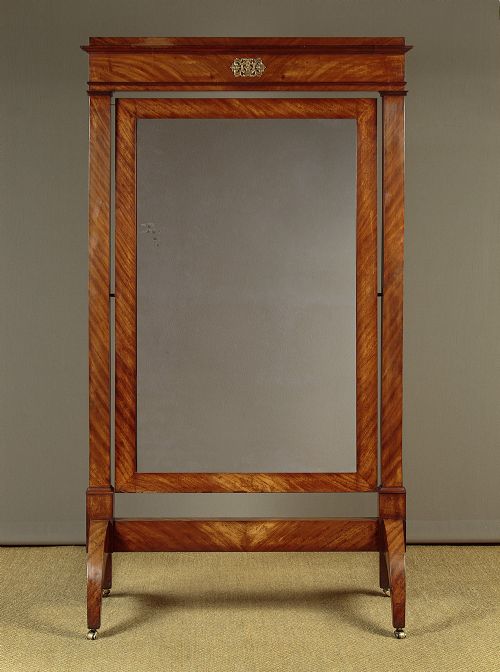
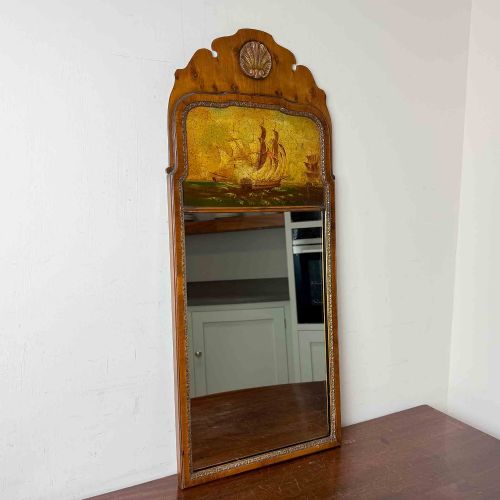
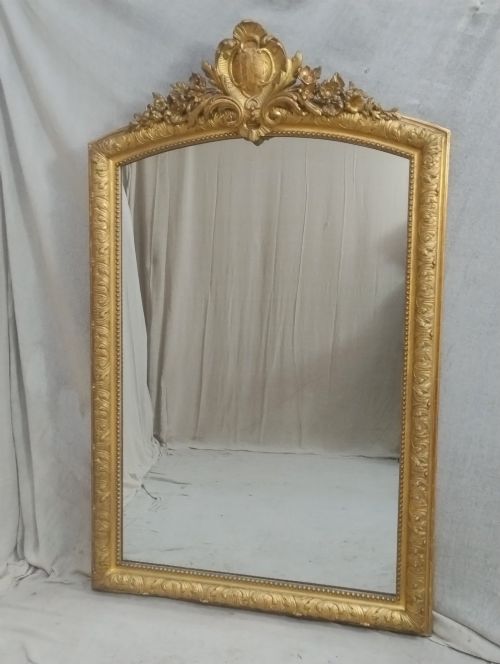


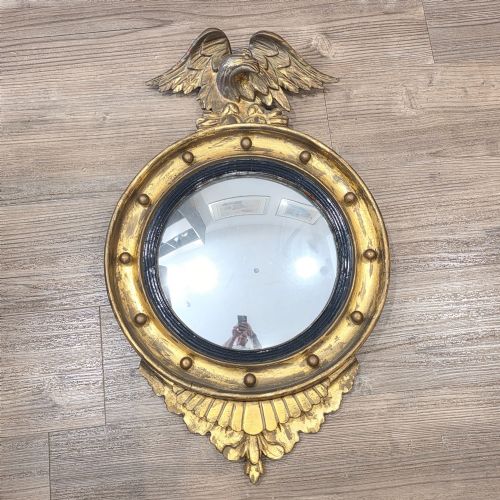
Antique Style Mirror
An antique style mirror brings historical character and ornate framing into a room, offering both decorative presence and functional depth.
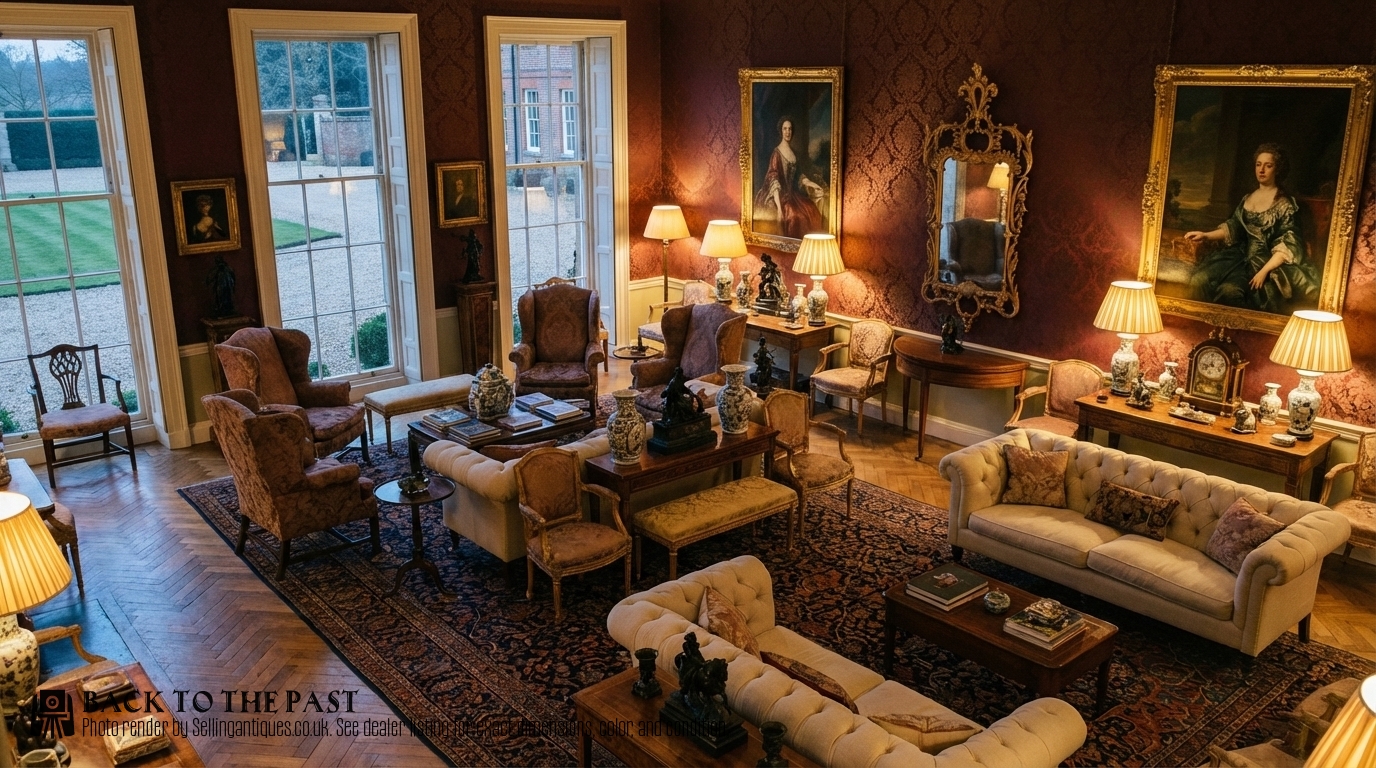
Defining the antique style mirror
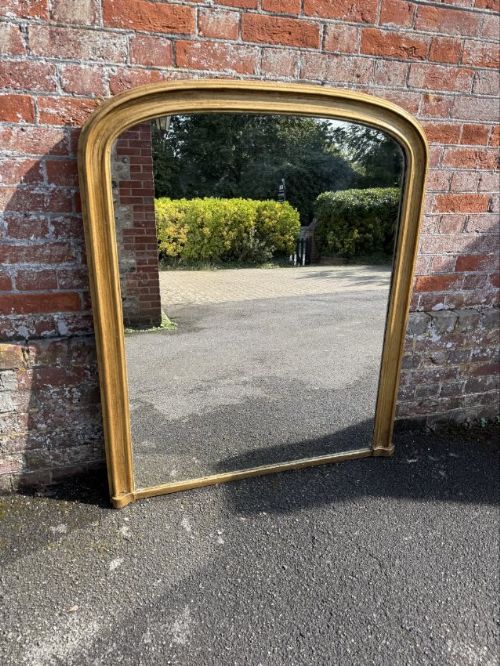
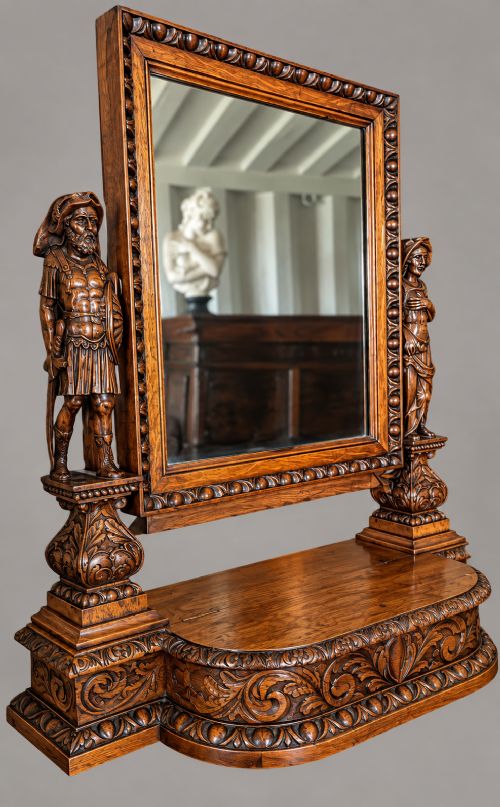
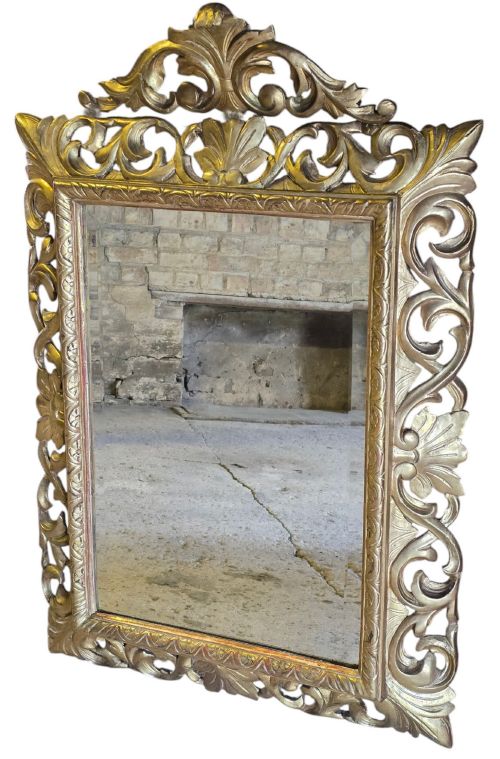
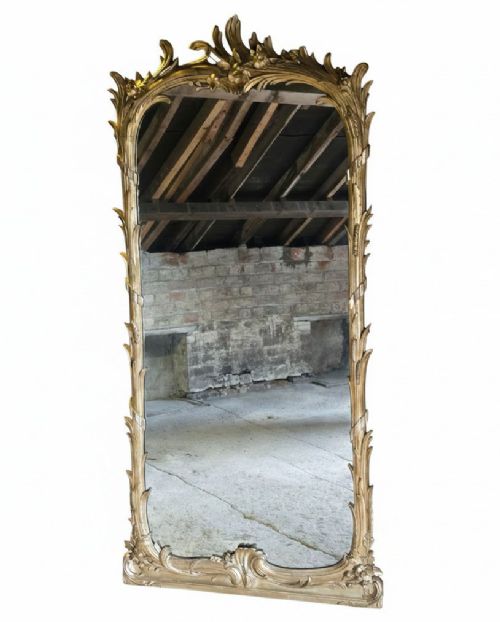
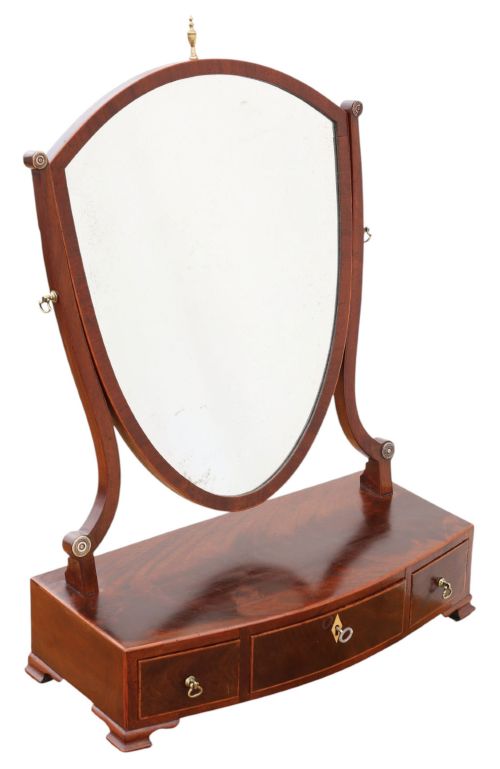
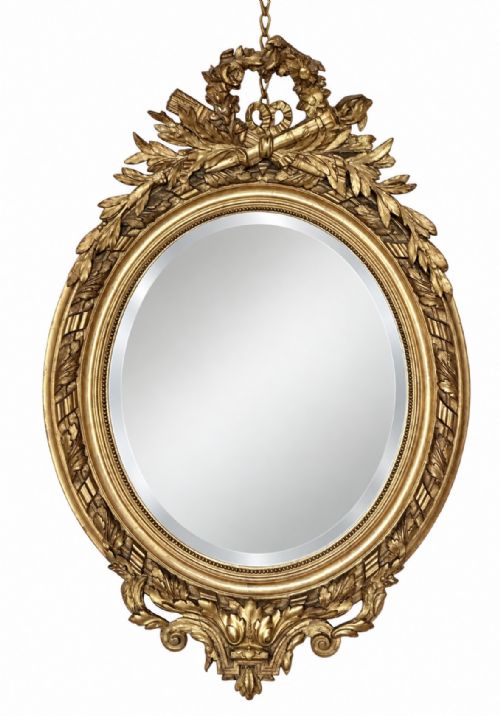
When searching for an antique style mirror, buyers look for decorative wall hanging pieces, overmantels, and freestanding dressing mirrors that replicate historical designs. The selection spans periods from the Victorian era and Edwardian times through to the mid-twentieth century, capturing earlier aesthetic movements.
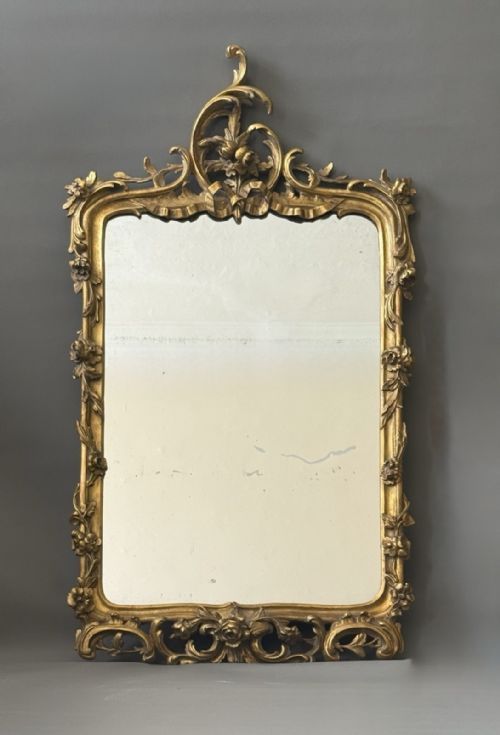
The most common forms encountered on this page are wall mirrors and overmantels, drawing heavily on eighteenth-century revivals such as Chippendale, George III, and Adam styles. Alongside these, French Rococo and Venetian influences appear frequently in giltwood, gesso, and mahogany.
These decorative objects served both practical and aesthetic functions in historic interiors, often positioned above mantelpieces or within dressing rooms to reflect light and enhance perceived space. The examples recorded here demonstrate sustained interest in historic revival craftsmanship across various decades.
Materials and construction techniques
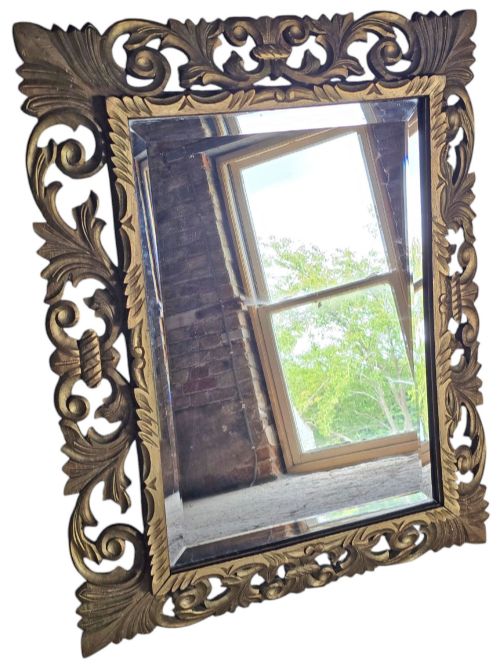
Frames utilise timber substrates such as mahogany, walnut, and oak, alongside painted and gilded wood. Giltwood and gesso are applied to create ornate, reflective surfaces characteristic of classical revival framing.
Techniques combine traditional wood carving with moulded gesso decoration, finished with gilding or lacquer. Glass components include flat and bevelled plates, sometimes accompanied by etched floral decoration.
Retail Price Guide 2026
Typical UK retail prices for style mirror, calculated from the Sellingantiques database of over a million retail prices indexed since 2003. This retail price guide relies exclusively on Sellingantiques data; no external sources or auction records are used, so the figures do not describe the wider market.
Mirrors bring a certain polite vanity to the room, silently watching everyone who pauses to check their hair.
Assessing quality in decorative mirrors
Quality separates through the depth and crispness of the carved ornamentation on the frame, particularly where gesso and giltwood are employed. Finer pieces display sharply defined motifs and controlled application of gilding rather than flat, uniform surfaces.
The choice of primary timber and the integrity of the joinery distinguish higher grade examples, especially in mahogany and walnut pieces. Original glass plates and the stability of the backing structure further influence the standing of an individual mirror.
The Antique Style Mirror Glossary
- Giltwood
- Wood that has been coated with gold leaf or a similar metallic finish. This surface treatment is characteristic of formal European and revival wall mirrors.
- Gesso
- A plaster-like mixture applied to wood frames and carved or moulded into relief decoration before gilding. It provides the smooth base required for intricate ornamentation.
- Overmantel Mirror
- A large mirror designed specifically to be hung above a fireplace mantelpiece. These pieces frequently feature landscape proportions to match the width of the hearth.
- Cheval Mirror
- A freestanding full-length mirror suspended on a vertical frame with pivots, allowing it to tilt. These dressing mirrors typically appear in mahogany or walnut.
- Chippendale Style
- A design classification inspired by eighteenth-century cabinet maker Thomas Chippendale, featuring asymmetrical scrollwork, fretwork, and Rococo motifs. Reproductions and revivals utilise these distinctive carved outlines.
Frequently Asked Questions
How do I hang a heavy overmantel mirror?
Heavy overmantel mirrors require secure fixing directly into wall studs or masonry using appropriate brackets to bear the substantial weight of the timber and glass.
Ensuring the hanging wire or integrated D-rings are robustly attached to the frame prevents structural strain over time.
Where should I place a wall mirror?
Wall mirrors function effectively opposite windows to amplify natural daylight and brighten darker corners of a room.
Positioning them above focal points like mantelpieces creates a balanced visual anchor within interior schemes.
How do I identify a revival style?
Revival pieces incorporate decorative vocabulary from earlier periods, such as Adam neoclassical urns or Rococo C-scrolls, executed using later nineteenth or twentieth-century manufacturing methods.
Examining the backboards, fixings, and overall material wear helps distinguish these later interpretations from original eighteenth-century works.
What is the difference between a wall mirror and an overmantel?
Wall mirrors are proportioned for general wall hanging across various rooms, whereas overmantels are specifically sized in width to sit above fireplace surrounds.
Overmantels tend to have horizontal landscape orientations designed to span the breadth of a chimney breast.