

Chinoiserie Wall Mirror
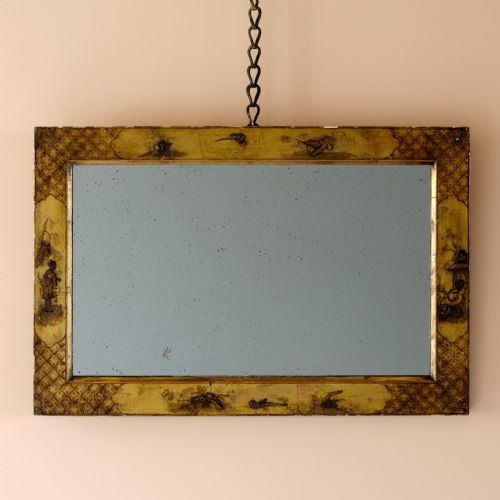
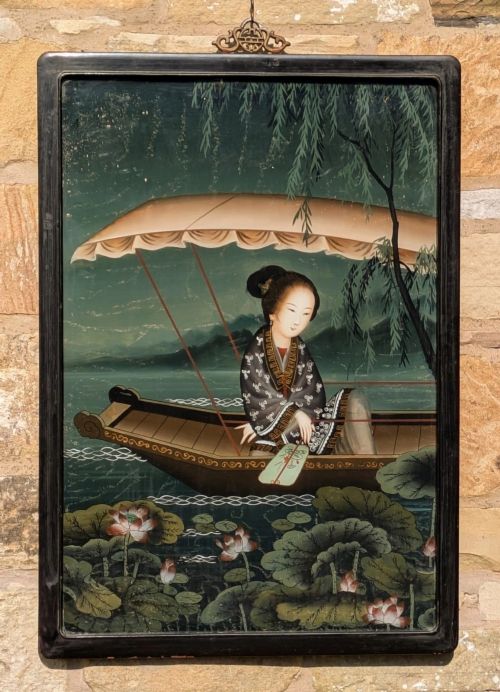
A chinoiserie wall mirror brings European interpretations of Asian motifs, lacquer and carved giltwood into a room with striking decorative presence.
Chinoiserie Wall Mirror
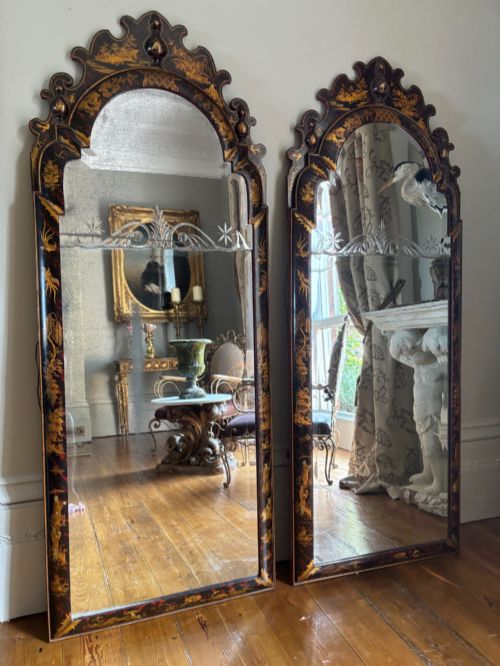
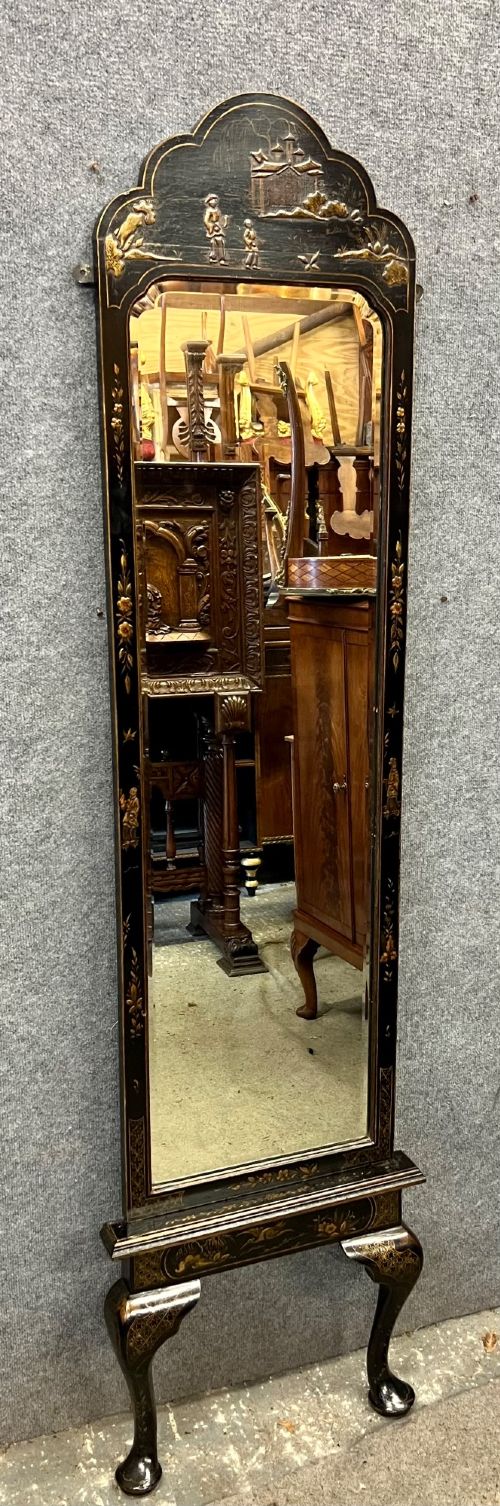
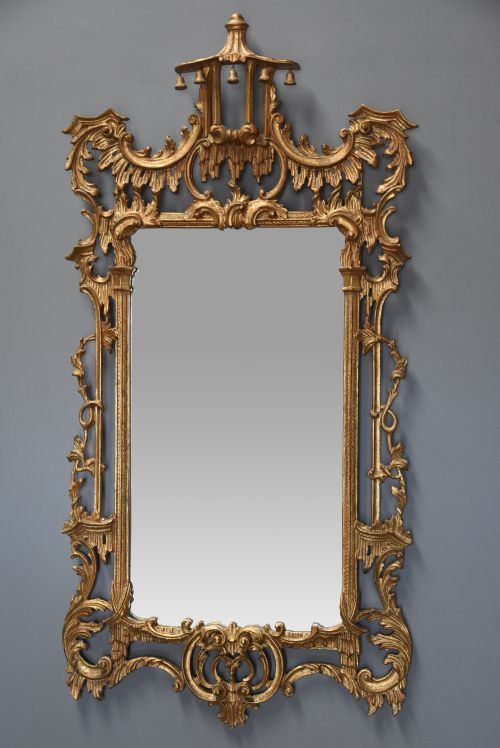
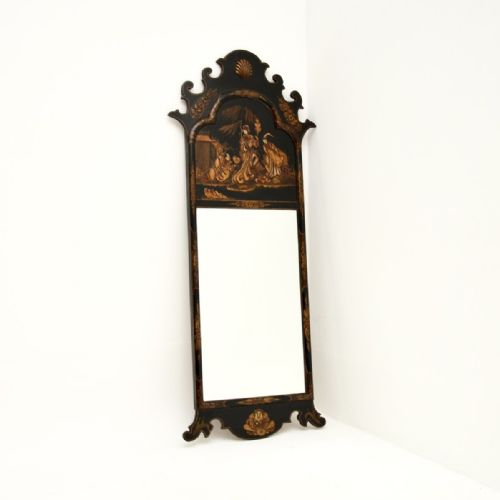
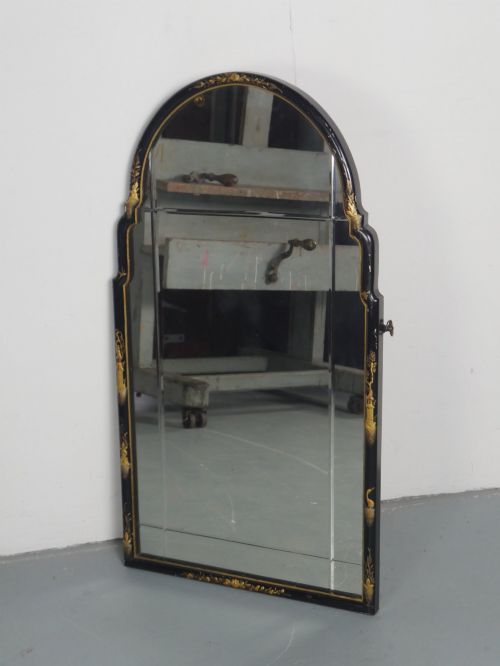
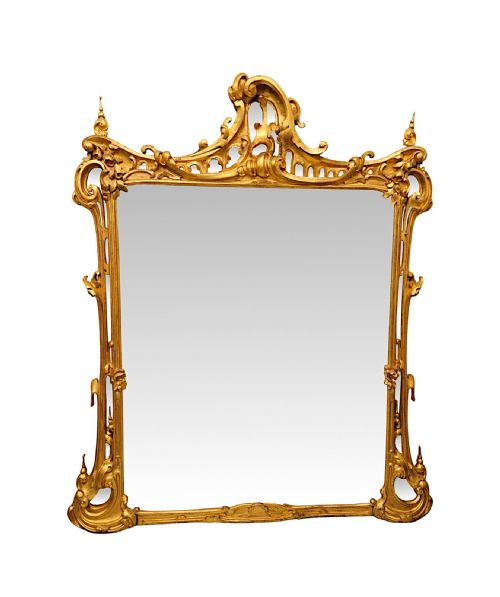
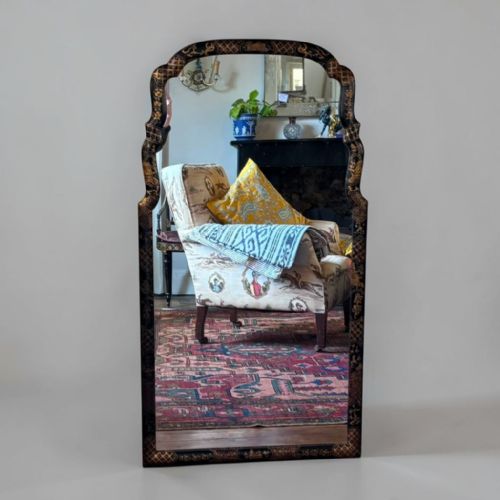
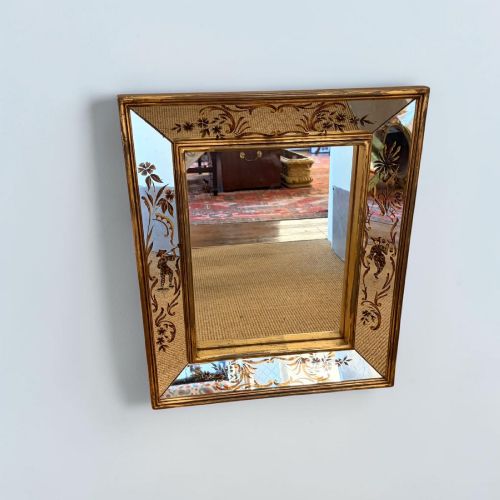
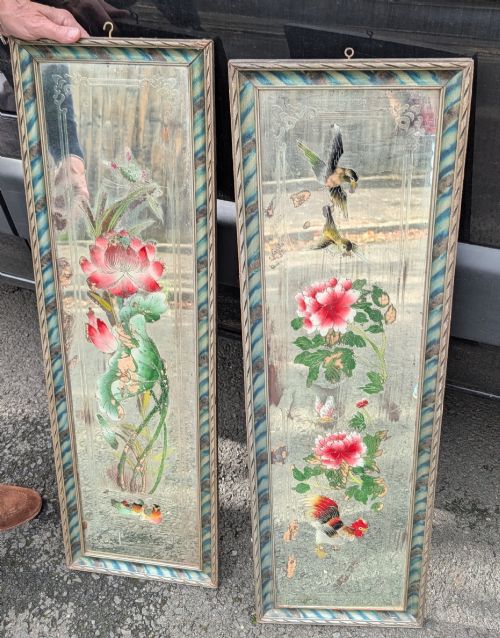
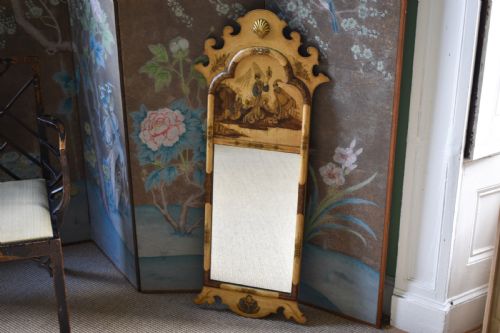
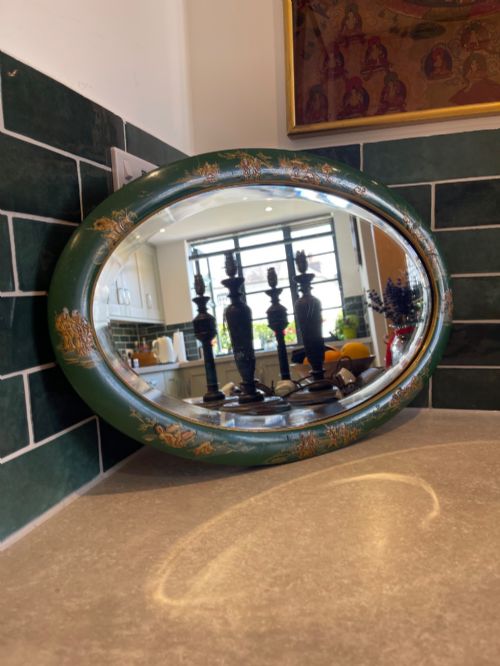
The physical forms include rectangular overmantel pieces, vertical pier mirrors, and small oval wall-hanging frames. Many examples adopt the distinctive vocabulary of Chinese Chippendale or Queen Anne revivals, incorporating pagoda silhouettes and floral motifs.
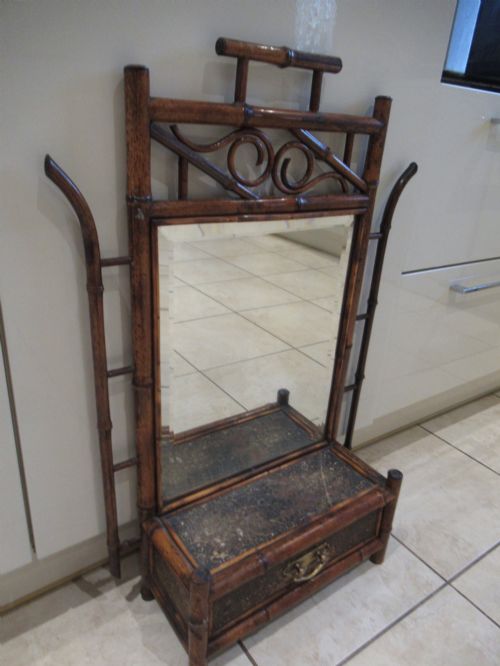
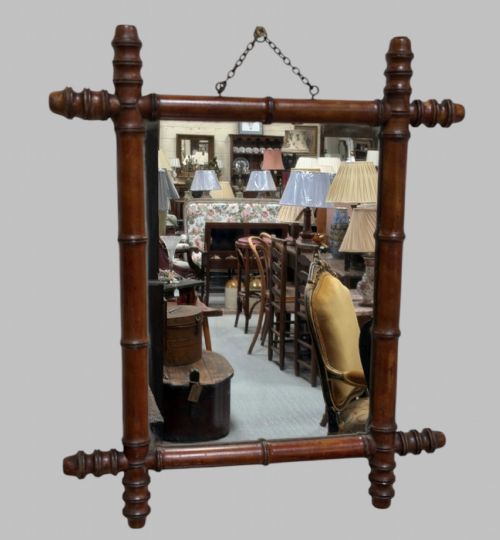
Makers also produced girandoles, candle sconces, and console table combinations alongside standard wall frames. Black and red lacquer finishes predominate, supplemented by giltwood and faux bamboo wooden structures.
Assessing craftsmanship
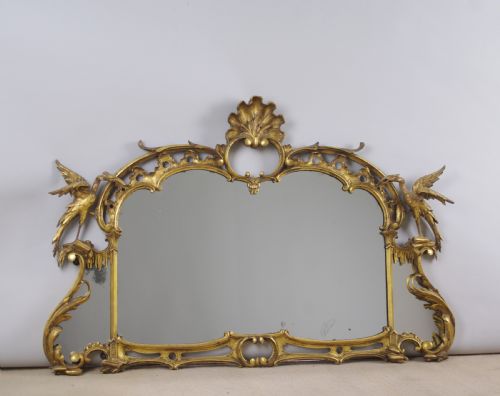
The refinement of the carved wood elements distinguishes finer examples from simpler production. Crisp execution in Chinese Chippendale fretwork and intricate detailing on pagoda crests demonstrate superior workshop skill.
The depth and finish of the lacquer work dictate the visual success of the piece. Hand-applied gilt leaf and well-preserved painted decoration retain a crispness that mechanical or flat surface treatments lack.
Chinoiserie Wall Mirror Retail Price Guide 2026
Typical asking prices for chinoiserie wall mirror among the pieces listed under this phrase on Sellingantiques today, from the lower quarter to the upper quarter. They describe what is for sale here now, not the wider market.
Look closely for whimsical Ho-ho birds perched atop the carved wooden frames.
Gabriel Viardot
The Chinoiserie Wall Mirror Glossary
- Chinoiserie
- European artistic style reflecting Chinese and East Asian motifs, popular in furniture and interior decoration. It frequently incorporates landscapes, figures, and architectural elements like pagodas.
- Giltwood
- Wood that has been treated with a thin layer of gold leaf or gold paint. This technique accentuates carved details and adds reflective warmth to the frame.
- Overmantel mirror
- A large mirror designed to hang directly above a fireplace mantelpiece. These pieces often feature wide horizontal proportions and ornate carved crests.
- Pier mirror
- A tall, narrow mirror designed to be hung on the wall space between two windows. They often coordinate with matching console tables positioned beneath them.
- Faux bamboo
- Wood turned and carved to imitate natural bamboo stalks. This decorative treatment became particularly popular during the Victorian and Edwardian periods.
Chinoiserie Wall Mirror: Frequently Asked Questions
What periods do these mirrors come from?
The pieces originate across several centuries, with strong representation from the nineteenth century, the Victorian era, and Edwardian production.
Later examples from the 1920s and 1930s also appear, alongside revival styles that draw inspiration from earlier Georgian and Queen Anne designs.
How do I identify a faux bamboo frame?
Faux bamboo frames feature turned and carved wooden mouldings that replicate the segmented joints and natural texture of real bamboo canes.
This stylistic choice was favoured by nineteenth-century makers seeking an exotic, organic aesthetic for interior wall displays.
Where should I hang an overmantel mirror?
An overmantel mirror is traditionally scaled to sit horizontally above a fireplace opening, anchoring the central wall of a room.
Its wide proportions and decorative cresting are designed to draw the eye and reflect light across the primary living space.
What is the difference between japanned and lacquered finishes?
Japanning is a European imitation of Asian lacquerwork that uses heat-cured varnishes to achieve a glossy, dark surface.
While both finishes utilise layered coatings, japanned pieces frequently display distinct raised metallic decoration built up in gesso before gilding.