



Antique Japanned Mirror
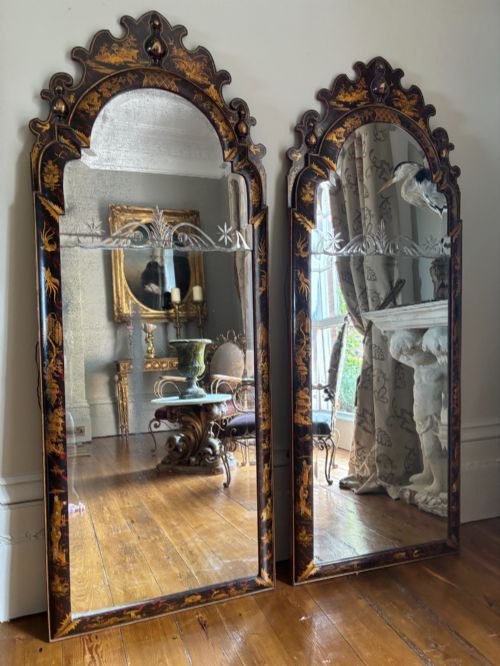
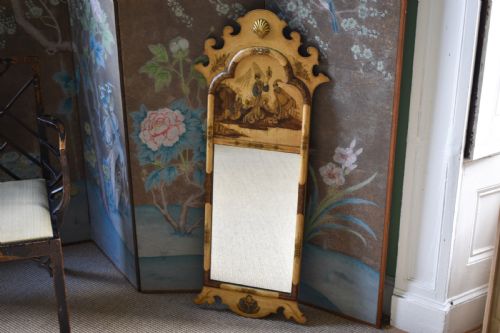
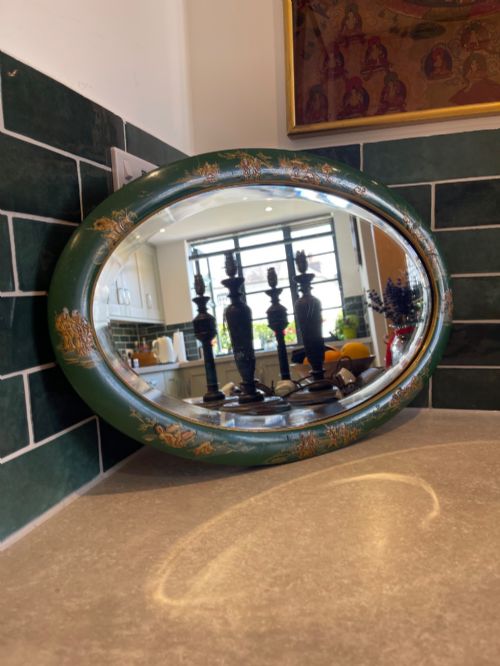
An antique japanned mirror brings layered Oriental motifs and lacquered surfaces to a room, offering both depth and decorative history.
Antique Japanned Mirror
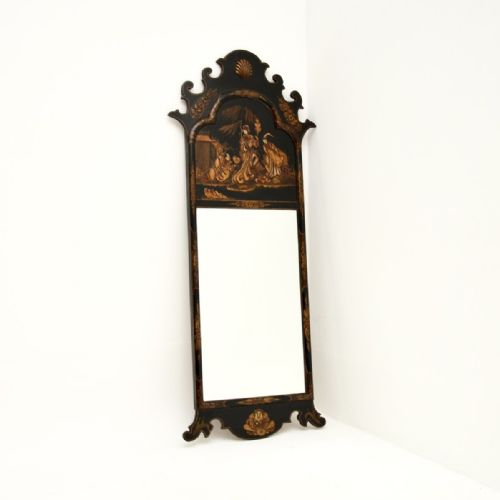
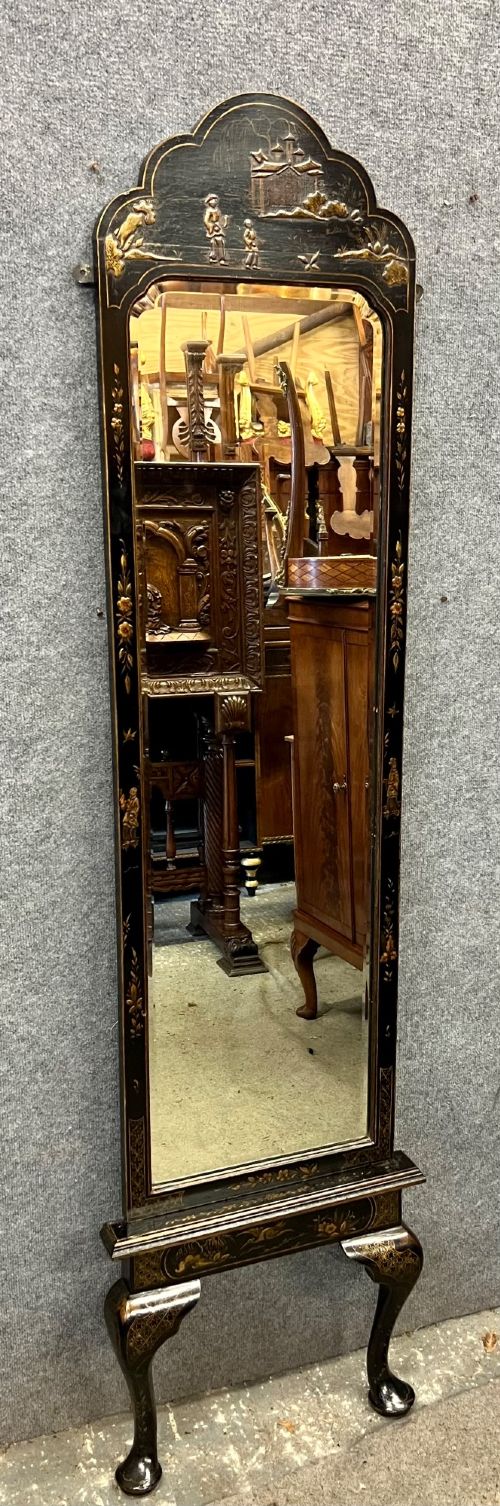
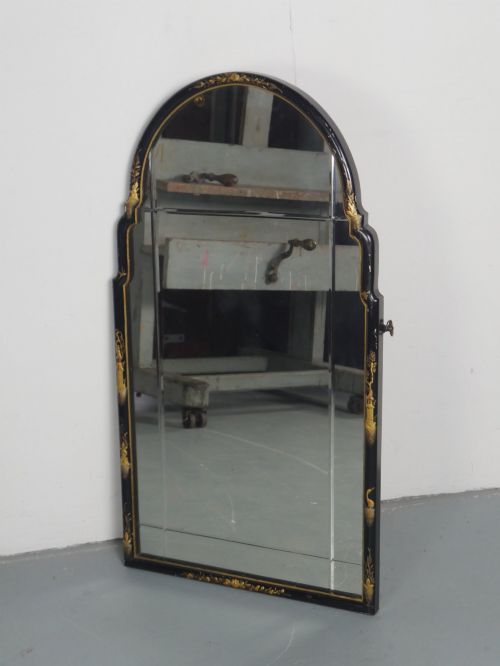
When you search for an antique japanned mirror, you find pieces built across several centuries, from the eighteenth century up to the Edwardian era and the 1920s. The forms vary from small wall mirrors and oval shapes to larger pier mirrors and dressing mirrors.
The aesthetic draws heavily on Chinoiserie and Chinese Export styles, alongside Victorian Aesthetic Movement and Queen Anne revival interpretations. Most examples on this page present dark or red lacquered grounds populated by raised gilt figures and landscapes.
How they were made
The construction relies on wood bases finished with layers of lacquer, upon which artisans applied gold leaf and gilt detailing. Many incorporate specialist glass and mirror glass, supported by underlying timber frames.
Makers utilised traditional finishing techniques to build up the characteristic japanned surface, mimicking Asian lacquerware through repeated application, drying, and polishing of resinous coats.
Antique Japanned Mirror Retail Price Guide 2026
Typical asking prices for japanned mirror among the pieces listed under this phrase on Sellingantiques today, from the lower quarter to the upper quarter. They describe what is for sale here now, not the wider market.
Early makers achieved the glossy japanned finish using shellac and resin mixtures, occasionally dusting the surface with genuine gold powder.
What varies in quality
Quality rests in the crispness of the gilt decoration and the depth of the lacquered surface. Pieces executed with finer hand-drawn figures and richer gold leaf sit apart from simpler commercial interpretations.
The integrity of the underlying wood and the retention of original mirror glass plates also dictate the standing of a piece within the range.
The Antique Japanned Mirror Glossary
- Japanned
- European imitation of East Asian lacquerware, created by applying successive coats of varnish and decorating them with raised gilt motifs. This finish defines the surface texture of these mirrors.
- Chinoiserie
- European artistic style reflecting Chinese motifs and landscapes, popular in furniture and mirror decoration. It supplies the narrative scenes seen across the frames.
- Giltwood
- Timber carved and covered with a thin layer of gold leaf or gold paint. It provides the bright contrasting highlights against dark lacquer grounds.
- Pier Mirror
- Tall mirror designed to hang on the wall between windows, often above a pier table. They command significant wall space in period interiors.
- Aesthetic Movement
- Nineteenth-century design movement that emphasised visual beauty over narrative, drawing on Japanese art forms. Pieces from this period show distinct decorative restraint.
Antique Japanned Mirror: Frequently Asked Questions
What is a japanned finish?
A japanned finish is a European technique developed to imitate Asian lacquerware. Artisans applied multiple layers of dark varnish to a wooden base before adding raised metallic designs in gold.
This process created a durable, glossy surface with contrasting gilt figures that caught the candle or daylight in period rooms.
How do I date a japanned mirror?
Dating relies on examining the construction of the wooden frame, the composition of the glass plate, and the style of the decoration. Eighteenth-century versions often feature hand-carved pine frames and bevelled mirror plates with slight imperfections.
Later revival pieces from the Victorian and Edwardian periods utilise machine-sawn timber and crisper, more uniform gilt work.
Where should I hang a japanned mirror?
These mirrors suit principal reception rooms, hallways, or bedrooms where their reflective glass and decorative frames can draw natural light. Placing one above a mantelpiece or a console table creates a traditional focal point.
Keep them away from direct sunlight to protect the lacquered surfaces from fading over time.
How do I care for antique lacquer?
Antique lacquer requires gentle maintenance using a soft, dry cloth to remove dust without disturbing the surface. Avoid using liquid polishes, modern cleaning sprays, or abrasive cloths that can damage the delicate gold leaf.
Maintaining a stable room temperature prevents the wood underneath from expanding and causing the lacquer to crack.