




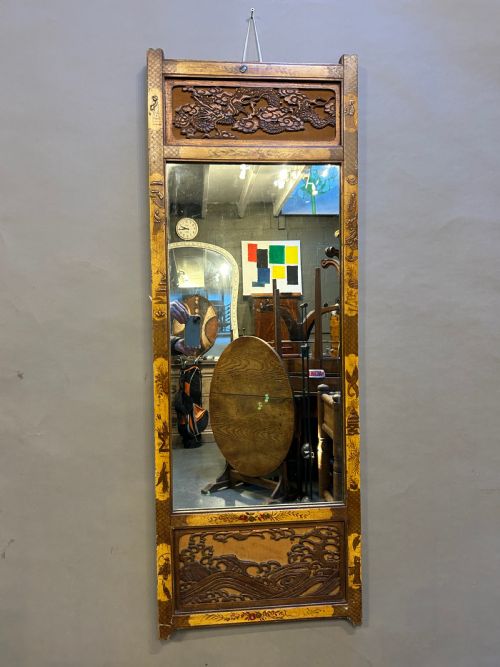
Antique Lacquered Mirror
An antique lacquered mirror brings hand-painted narrative scenes and deep lustrous finishes to a room, offering a decorative focal point rooted in centuries of craftsmanship.
Antique Lacquered Mirror
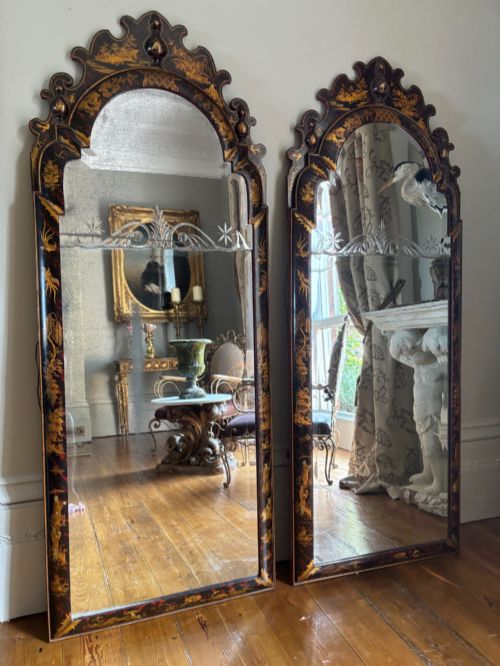
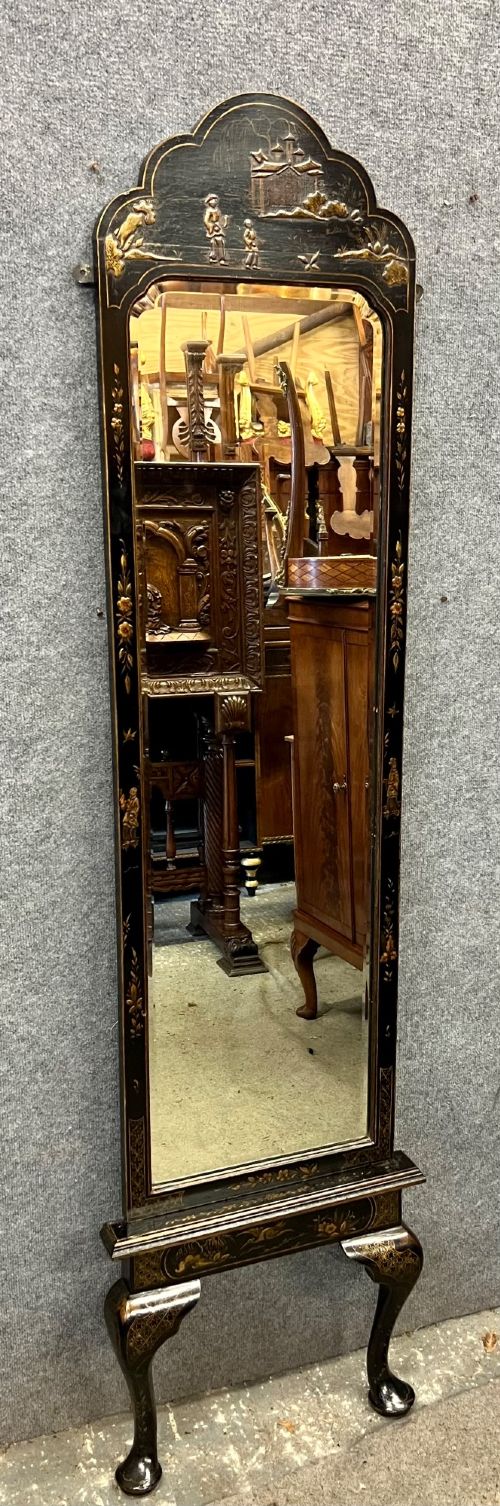
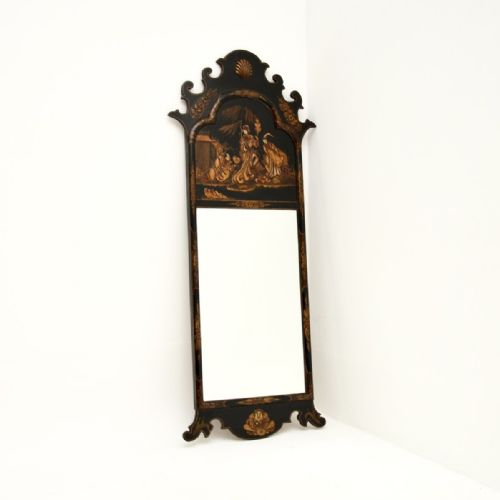
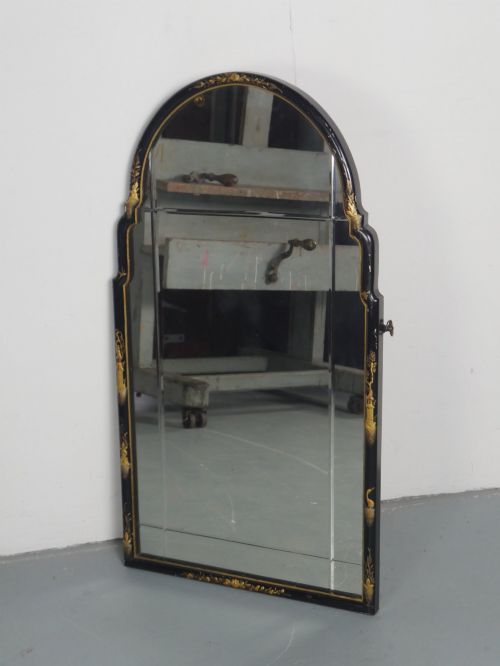
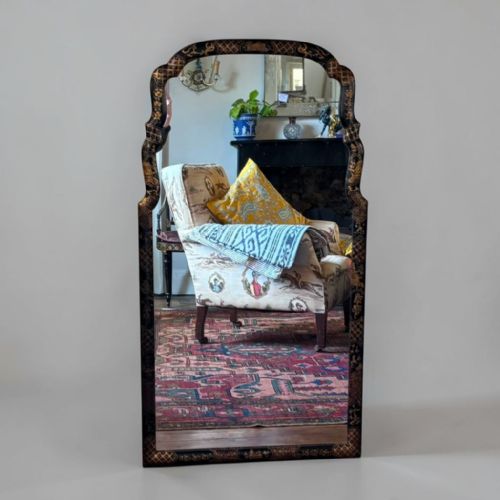
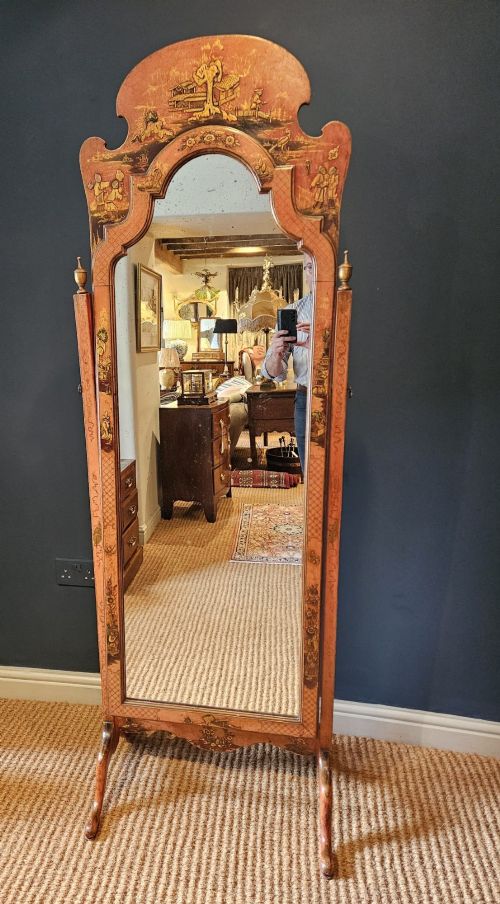
An antique lacquered mirror combines traditional East Asian finishing techniques with European furniture forms, spanning wall-hanging plates, cheval glasses, and dressing table mirrors. When exploring this selection, buyers most frequently encounter pieces executed in the Chinoiserie style, alongside revival interpretations from the Victorian and Edwardian eras.
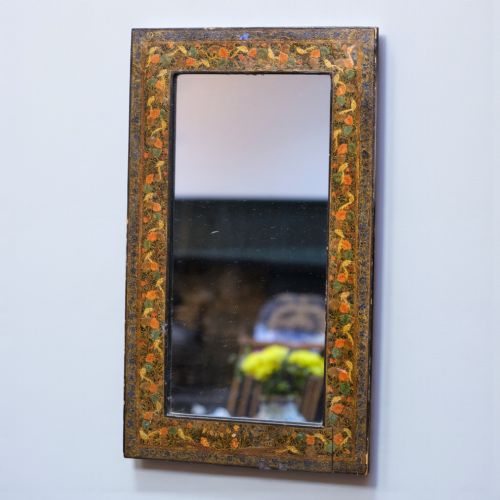
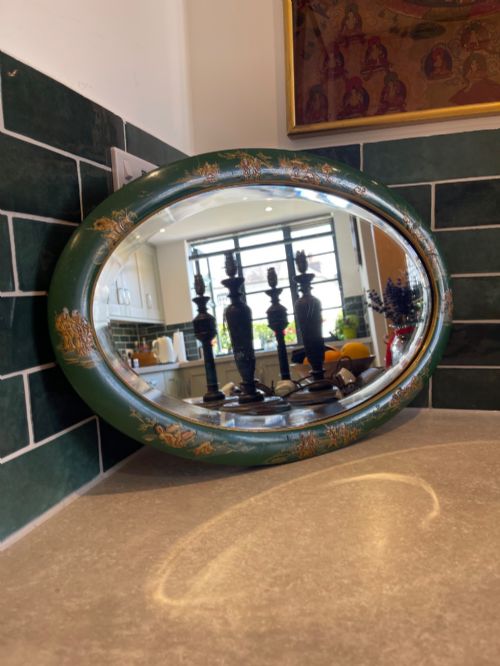
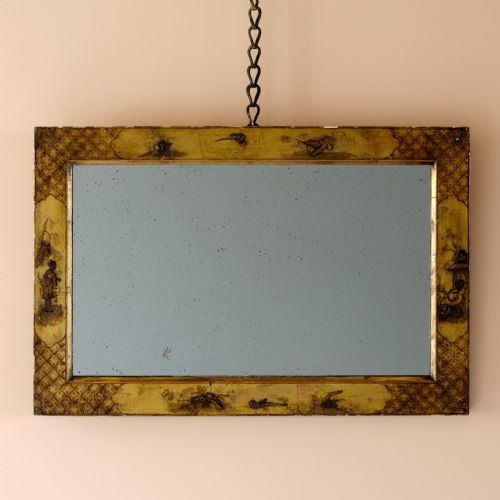
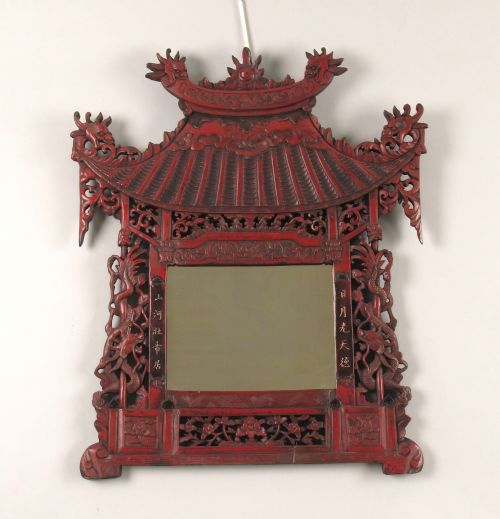
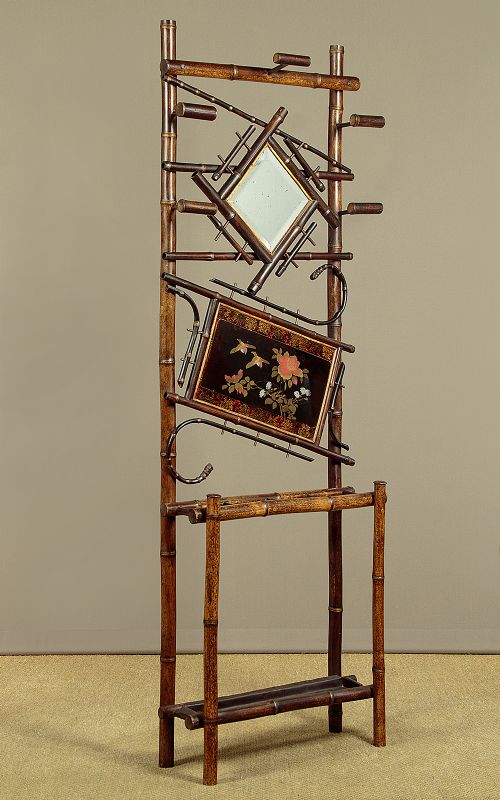
The objects take many shapes, from small rectangular wall pieces to large overmantels and oval frames. Styles range from Georgian and Queen Anne revivals to Aesthetic Movement bamboo pieces and red lacquer pagoda designs, reflecting diverse periods of production.
Origins stretch from 18th century Chinese export workshops to British and European makers influenced by Asian design traditions. These variations demonstrate how craftsmen reinterpreted foreign motifs for Western domestic interiors across the nineteenth and early twentieth centuries.
Materials and construction methods
Makers built these frames using solid woods such as walnut and deal, preparing the surfaces with multiple layers of ground before applying varnish and lacquer. Artisans then built up raised motifs using gesso to create tactile relief before applying gold leaf or polychrome paints.
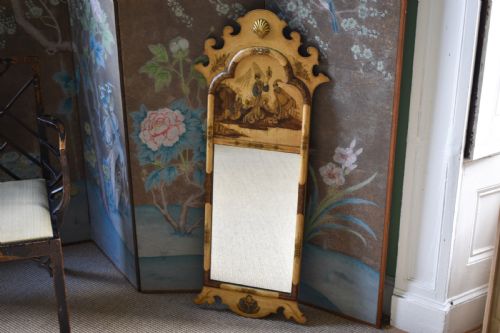
Surface decoration frequently relied on Chinoiserie motifs depicting figures, landscapes, and pavilions. Glazing involved early mirror glass held within rebated frames, sometimes showing the bevels and slight imperfections typical of older manufacturing methods.
Antique Lacquered Mirror Retail Price Guide 2026
Typical asking prices for lacquered mirror among the pieces listed under this phrase on Sellingantiques today, from the lower quarter to the upper quarter. They describe what is for sale here now, not the wider market.
Some Edwardian dressing suites included tiny matching compartments designed specifically to hold vintage powder compacts.
Judging execution and finish
The distinction between standard examples and superior pieces lies in the depth of the lacquer and the crispness of the hand-painted detailing. Skilled artisans achieved a smooth, lustrous ground that accommodated intricate gold and red pigments without muddiness.
Structural integrity also separates the grades, visible in the joinery of the wooden frames and the preservation of the original gilt elements. Superior items maintain cohesive decorative schemes across both the main frame and associated dressing components.
The Antique Lacquered Mirror Glossary
- Chinoiserie
- European decorative style inspired by Chinese art and design, characterised by motifs of figures, pagodas, and landscapes rendered in lacquer and gilt.
- Japanned
- European imitation of East Asian lacquerwork, created by applying layers of varnish and metallic dust to wooden furniture.
- Cheval glass
- A full-length mirror suspended on a vertical frame with supporting side pivots, allowing the glass to tilt.
- Overmantel
- A large mirror designed to hang specifically above a fireplace mantelpiece, often matching the proportions of the hearth.
- Giltwood
- Wood that has been coated with a thin layer of gold leaf or gold powder, used extensively on classical and revival frames.
Antique Lacquered Mirror: Frequently Asked Questions
How do I date an antique lacquered mirror?
Dating relies on examining the construction of the wooden frame, the composition of the mirror glass, and stylistic indicators such as Edwardian proportions or Georgian revival motifs. Secondary woods and backing boards provide further clues regarding the manufacturing era.
Changes in hardware, screw types, and the ageing of the lacquer finish also help establish a reliable chronology when assessing pieces.
What is the difference between Chinoiserie and Japanning?
Chinoiserie refers broadly to the European artistic style inspired by Chinese aesthetics, encompassing painted scenes of figures, architecture, and flora. Japanning is the specific European technique used to replicate Asian lacquerwork using varnishes and heat-cured finishes.
While Japanned surfaces form the foundation of many lacquered frames, Chinoiserie describes the overall pictorial narrative painted upon them.
Where should I hang a wall mirror?
Wall mirrors work effectively above fireplaces as overmantels, in hallways to bounce light into darker spaces, or above dressing tables in bedrooms. Ensure the wall structure can support the weight of the wooden frame and glass.
Positioning the piece opposite a window maximises natural light distribution throughout the room.
How do I clean an antique lacquered surface?
Dust the surface gently with a soft, dry microfibre cloth to remove loose particles without scratching the delicate lacquer or gold leaf. Avoid commercial cleaning sprays, water, and chemical solvents, which can damage the historic varnish.
Professional conservation advice should be sought if the lacquer shows signs of flaking or instability.