
Vintage Tabletop Mirror
A vintage tabletop mirror brings refined reflection to a dressing surface, combining period cabinetmaking with adjustable glass.
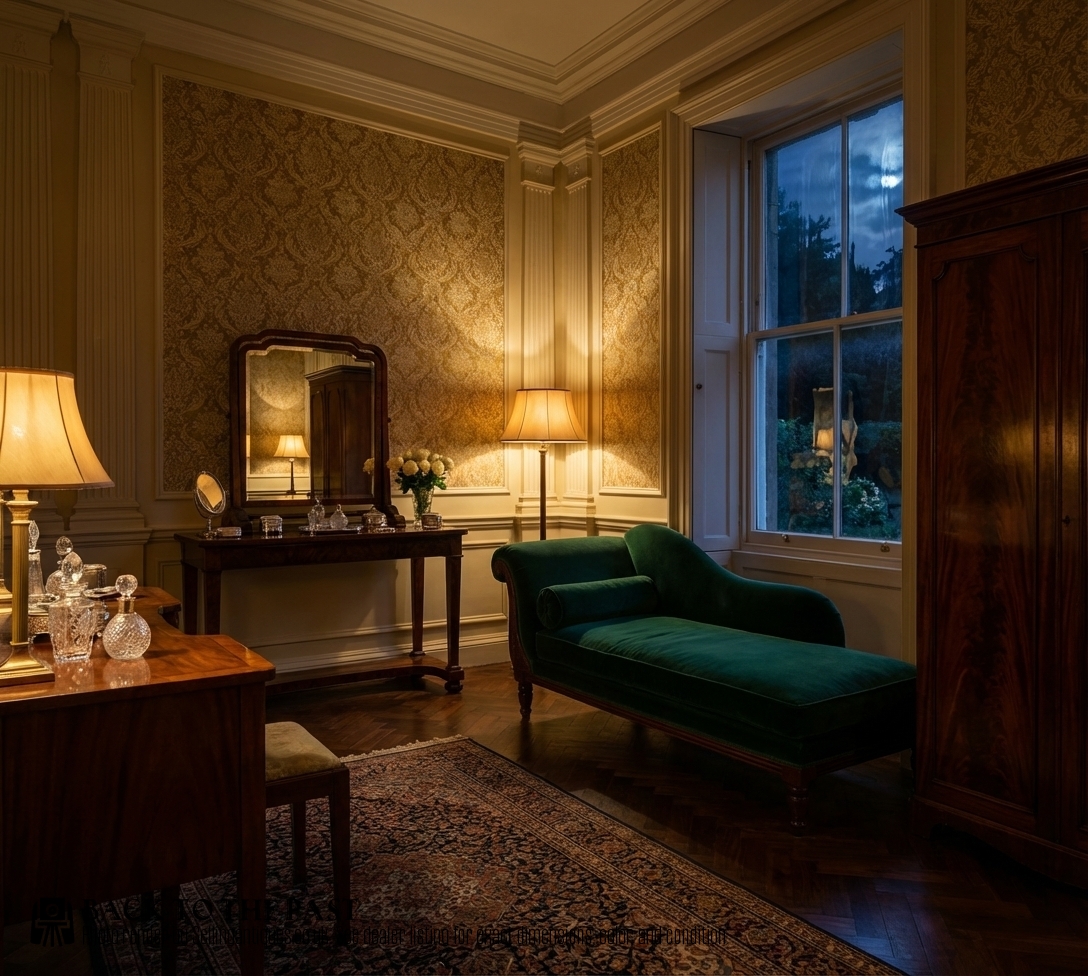
Vintage Tabletop Mirror
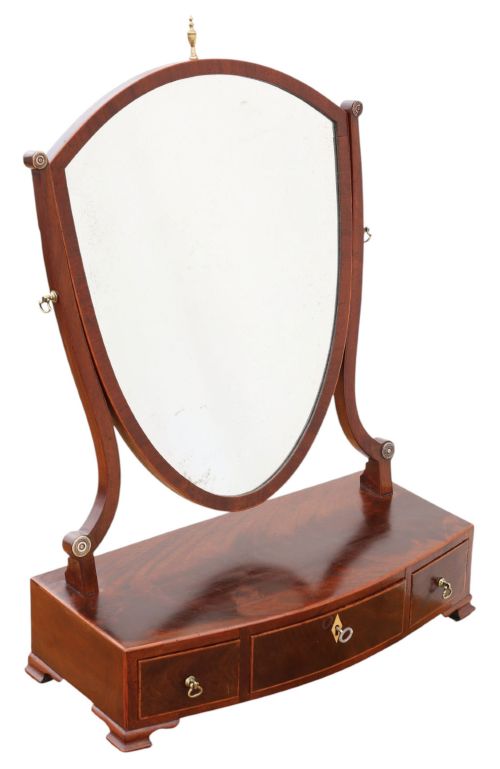
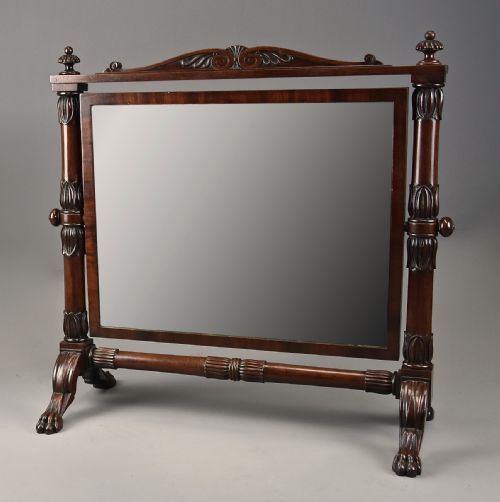
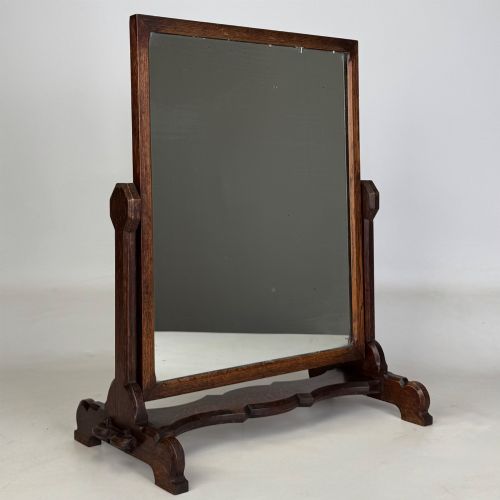
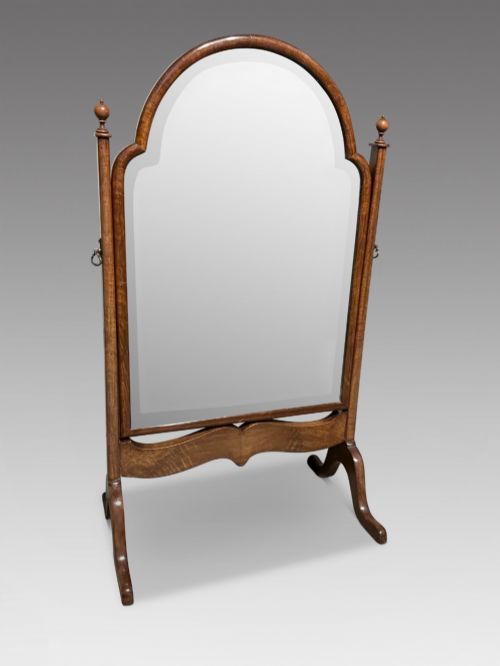
When you search for a vintage tabletop mirror, you encounter dressing mirrors, toilet mirrors, and shaving mirrors designed to sit upon furniture. These pieces span centuries from the Georgian and Victorian eras through to the twentieth century, appearing in forms such as swing mirrors and cheval glasses.
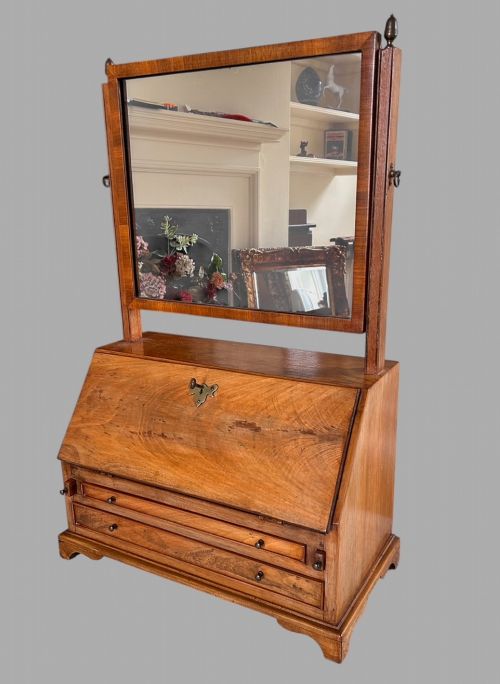
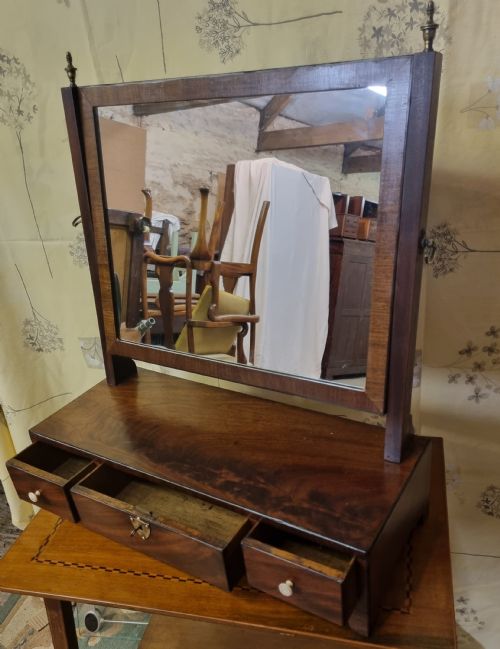
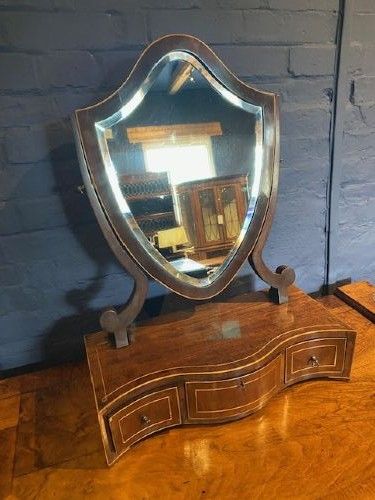
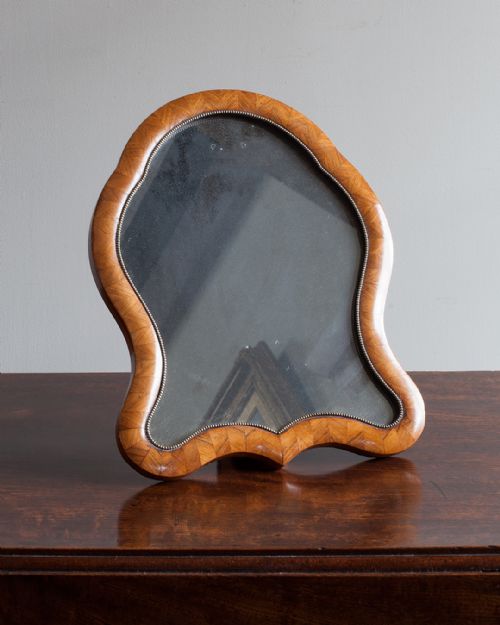
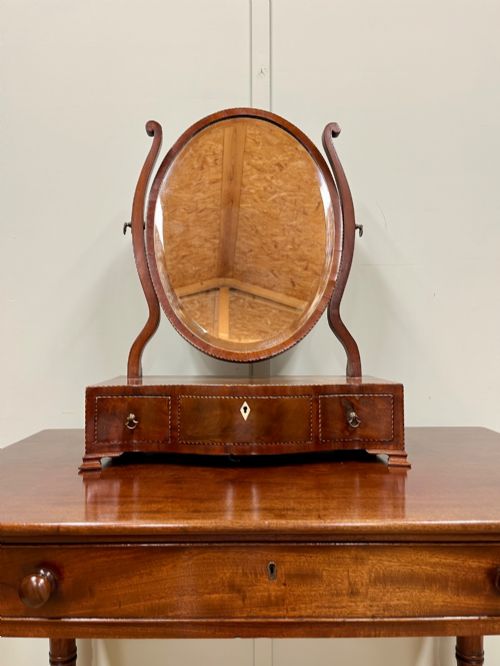
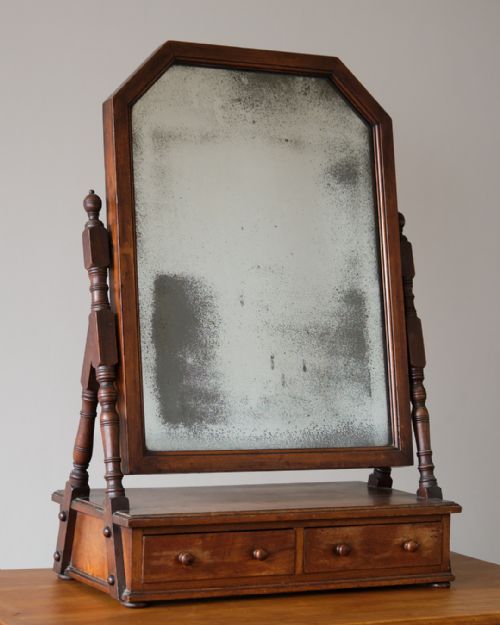
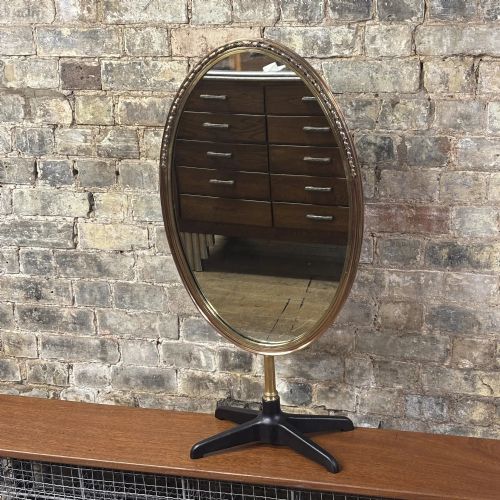
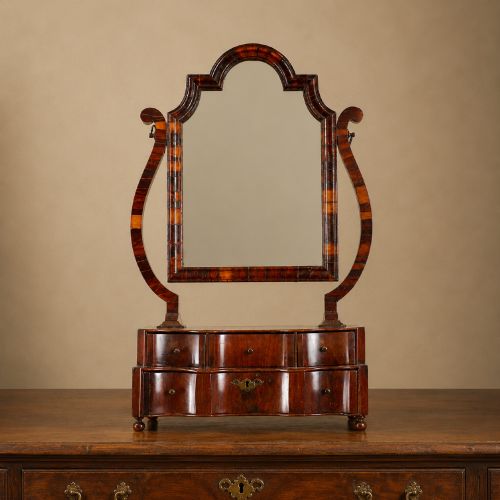
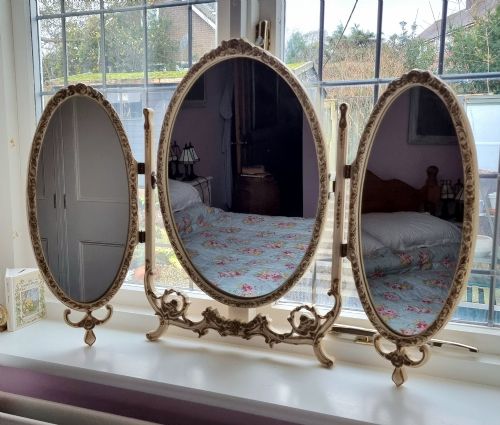
The most common examples on this page are mahogany swing mirrors from the nineteenth century, often fitted with small box bases or drawers. You also find walnut, satinwood, and brass versions reflecting styles ranging from Regency and French Rococo Revival to Edwardian and Art Deco.
Makers and cabinetmakers produced these items for domestic grooming, utilising portable campaign formats as well as elaborate giltwood easel designs for the boudoir.
Materials and construction
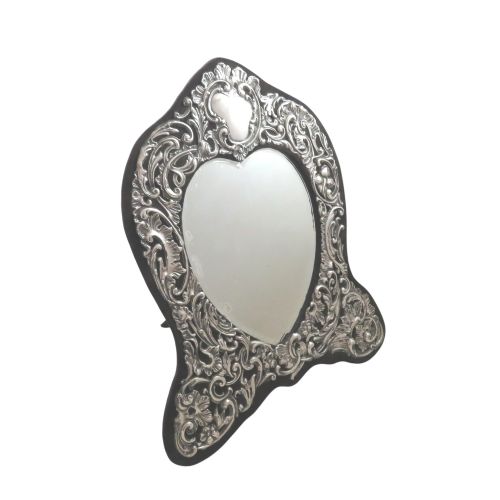
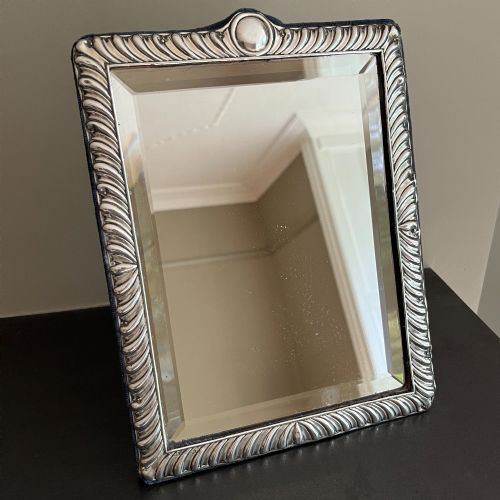
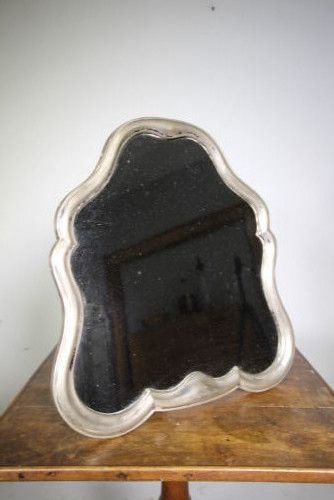
Cabinetmakers constructed the frames and base units of these mirrors using hardwoods like mahogany, walnut, and satinwood, frequently enhanced by crossbanding or carved giltwood details. Workshops also utilised brass, bronze, silver plate, and sterling silver for structural mounts, struts, and champleve enamel work.
The mirror glass itself was traditionally set into pivoting frames known as swing mirrors, allowing the user to adjust the angle of reflection. Supporting stands frequently incorporated small drawers or tiered bureau compartments constructed with traditional joinery.
Vintage Tabletop Mirror Retail Price Guide 2026
Typical asking prices for vintage tabletop mirror among the pieces listed under this phrase on Sellingantiques today, from the lower quarter to the upper quarter. They describe what is for sale here now, not the wider market.
Listings feature periods spanning the eighteenth, nineteenth, and early twentieth centuries, constructed in mahogany, walnut, satinwood, and sterling silver.
Judgements of quality
The standard of a tabletop mirror rests on the depth of timber selection and the precision of the cabinetwork in the base. Dense Cuban mahogany, figured walnut, and finely matched satinwood veneers elevate a piece significantly above plain utility items.
Attention to secondary details separates standard production from exceptional examples, such as hand-cut brass armatures, original mercury glass plates, and the inclusion of functional lidded compartments or dovetailed drawers.
Heal & Sons·Thomas Rubergall of London·P & MA Nicholson
The Vintage Tabletop Mirror Glossary
- Swing mirror
- A mirror plate mounted on pivots between two upright posts, allowing the glass to tilt back and forth. This mechanism is standard on traditional dressing table mirrors.
- Toilet mirror
- An eighteenth or nineteenth-century term for a small tabletop mirror placed on a dressing table or low chest. These often feature small drawers in the base for trinkets.
- Cheval mirror
- A full-length dressing mirror supported by a freestanding frame with four legs, though smaller tabletop variants also utilise the swivel principle. The term derives from the French word for horse.
- Crossbanding
- A decorative border of veneer laid so that the grain runs perpendicular to the main surface of the wood. It provides a neat, contrasting edge on Georgian and Regency mirror frames.
- Champleve
- An enamelling technique where depressions are carved into a metal surface and filled with vitreous enamel before firing. It appears on decorative nineteenth-century brass and bronze frames.
Vintage Tabletop Mirror: Frequently Asked Questions
What is a toilet mirror?
A toilet mirror is a historical term for a small dressing mirror designed to sit on top of a table or chest. They were essential furnishings for personal grooming before fitted wardrobes with attached mirrors became common.
Most examples include a compact box base containing small drawers for storing cosmetics, jewellery, or hairpins. They combine functional glass with the cabinetmaking styles of their respective periods.
How do I date a tabletop mirror?
Dating relies on identifying the timber species, construction methods, and stylistic cues present in the frame and base. Georgian and Regency pieces typically favour solid mahogany or walnut with hand-dovetailed drawer construction.
Later Victorian and Edwardian examples introduce alternative metals like cast bronze or sterling silver, alongside machine-sawn veneers and different edge bevels on the glass. Comparing the foot style and hardware against known period designs clarifies the age.
Are these mirrors adjustable?
Most traditional examples use a swing mechanism supported by two upright arms connected to the base. Brass or wooden thumbscrews allow you to tighten the pivots and hold the glass at your preferred angle.
Other formats include easel mirrors with a hinged prop at the back or strut mirrors designed for upright support on a dressing surface. Each style offers a different method of tilting the reflection.
Where should I place a table mirror?
These mirrors suit placement on top of low chests of drawers, sideboards, or dedicated dressing tables. Their portable nature means they can move easily between rooms depending on where you need a reflective surface.
Ensure the supporting furniture is deep enough to hold the base securely, particularly for heavier mahogany or cast bronze models. Positioning them near a natural light source maximises their utility for daily grooming.