


Vintage Table Mirror
These vintage table mirror examples bring functional elegance to dressing surfaces, offering adjustable reflections framed in period woods and metals.
Vintage Table Mirror
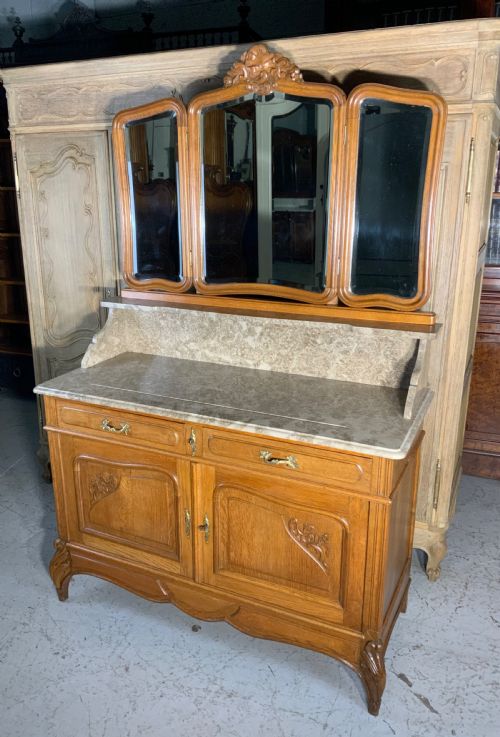
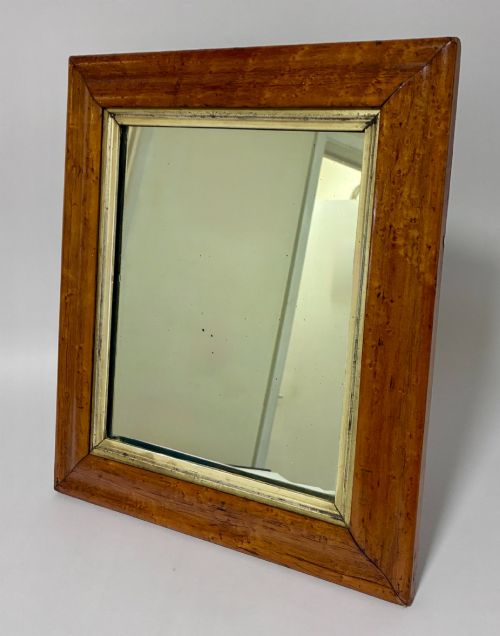
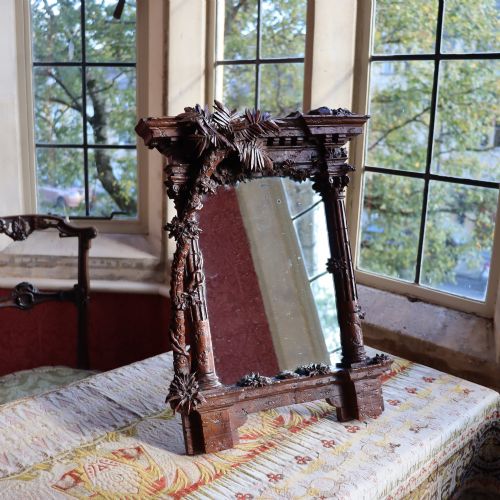
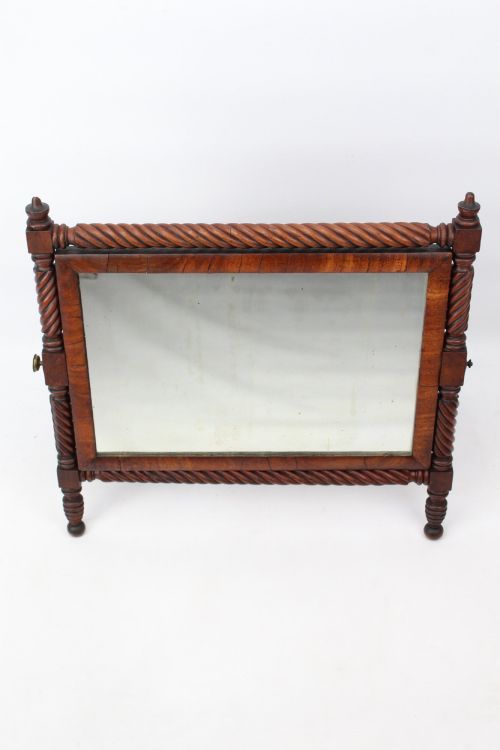
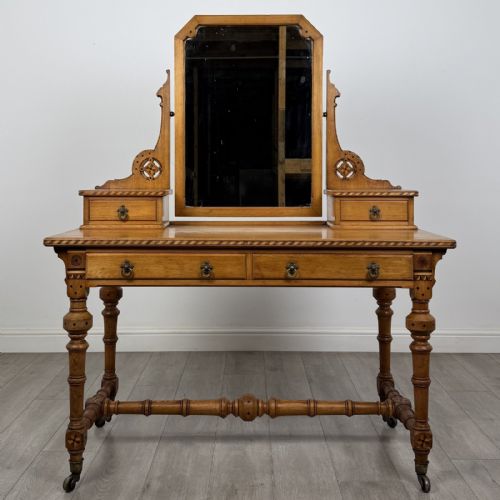
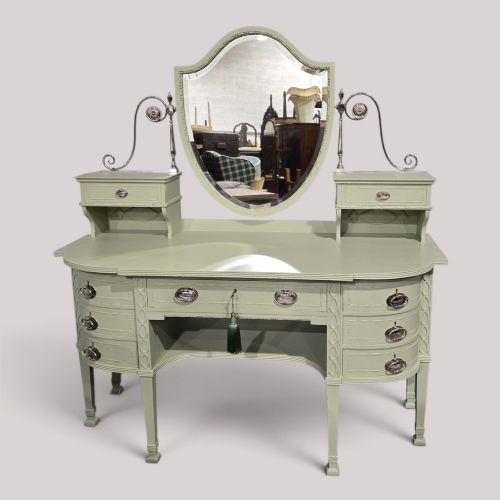
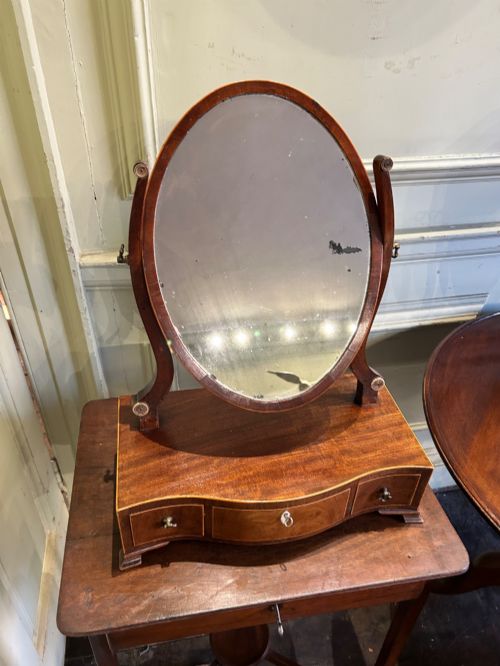
A vintage table mirror sits upon a chest, bureau or dressing surface to provide a movable reflective plate for personal grooming. The pieces encountered here span several decades and centuries, ranging from compact swivel frames to elaborate dresser-top designs.
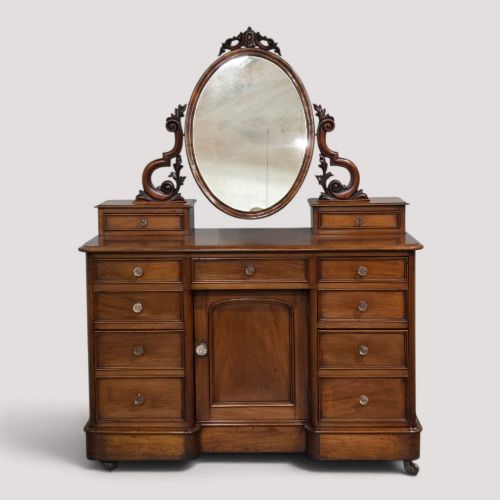
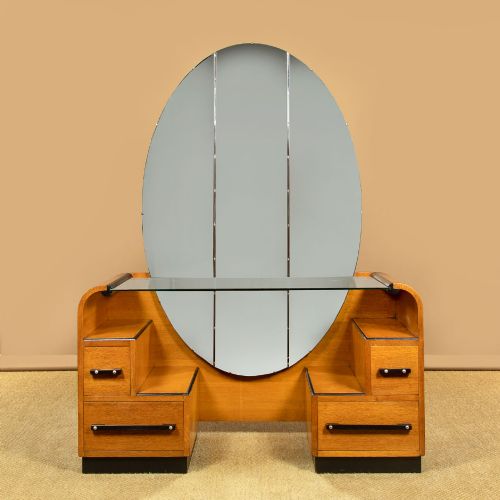
Most examples originate from the Victorian, Edwardian and Art Deco periods, drawing on Georgian and Regency forms as well. Cabinetmakers constructed these accessories in various scales, utilising mahogany, walnut, oak and brass to match contemporary bedroom furniture.
How they were made
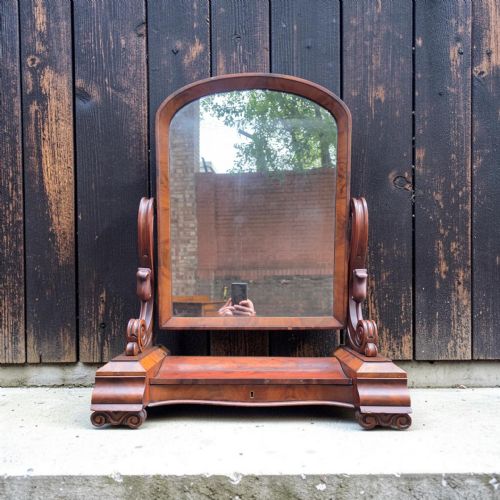
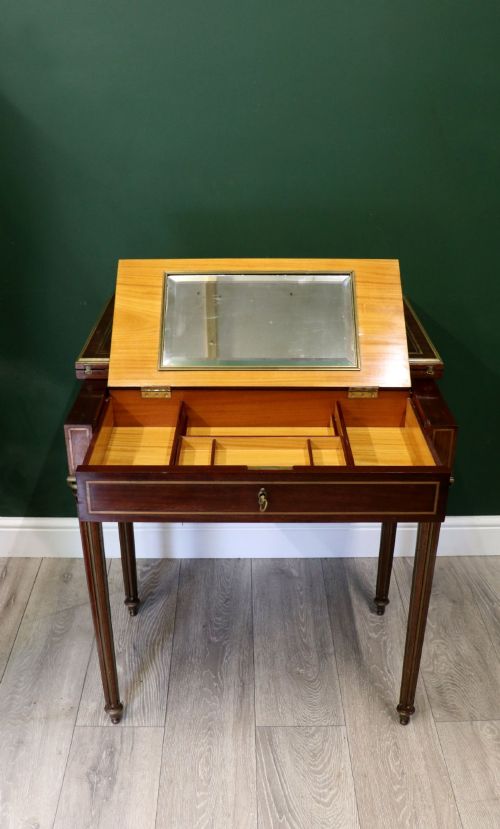
Craftsmen shaped solid and veneered timbers such as mahogany, walnut and oak into sturdy frames, often incorporating box bases with small drawers for trinkets. Brass and pewter provided structural metalwork, hinges and decorative mounts for both Edwardian and Art Deco pieces.
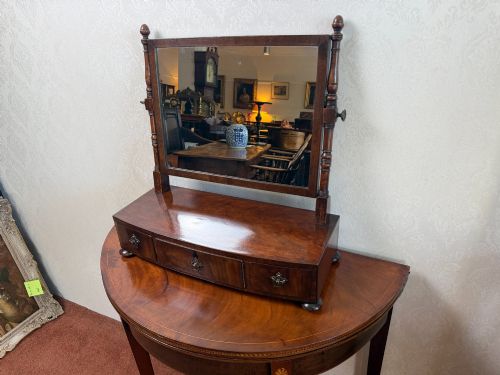
Makers set bevelled or flat mirror glass within adjustable swivel frames supported by upright arms. Surface finishing involved polishing the timber to accentuate grain patterns like burr walnut and satinwood.
Vintage Table Mirror Retail Price Guide 2026
Typical asking prices for vintage table mirror among the pieces listed under this phrase on Sellingantiques today, from the lower quarter to the upper quarter. They describe what is for sale here now, not the wider market.
Art Deco ladies caught their reflections in dancing spelter figures and guilloché enamel purses before heading out to the jazz club.
What varies in quality
Superior execution shows in the selection of figured veneers, tight cabinet joints and the weight of cast brass fittings. Better examples employ substantial timber frames that support the mirror plate securely without wobble.
The clarity and thickness of the glass plate, alongside the sophistication of hand-carved or inlaid details, distinguish standard production from exceptional workshop output. Original mirror plates with authentic foxing contrast against later replacements.
WMF·Heal and Sons·Maples of London and Paris·Waring and Gillows·Henry Williamson
The Vintage Table Mirror Glossary
- Swivel frame
- A mirror plate mounted on two lateral pivots allowing the glass to tilt at different angles. This mechanism usually sits between two upright wooden or metal arms.
- Box base
- A small plinth or drawer unit situated beneath the mirror frame. It provides stability and storage for small personal items.
- Shield mirror
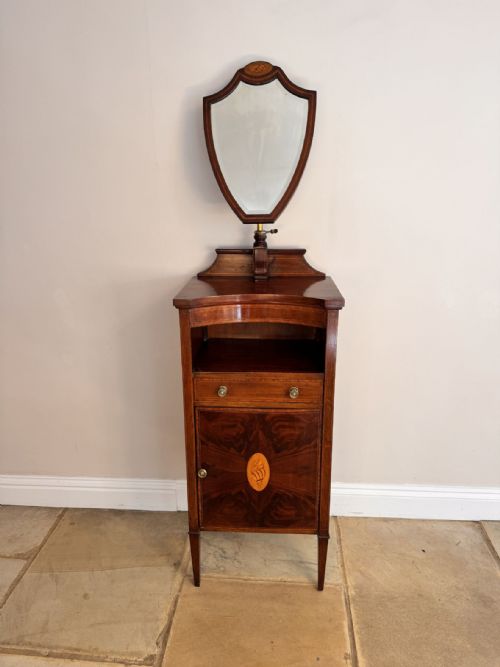
- A dressing glass shaped like a heraldic shield, popular during the Georgian and Victorian eras. The top curves to a central point while the sides taper downwards.
- Guilloché
- A decorative mechanical engraving technique producing intricate geometric patterns beneath translucent enamel. It appears frequently on metal compact and miniature mirror backs.
Vintage Table Mirror: Frequently Asked Questions
How do I clean an antique mirror glass?
Use a soft microfiber cloth with a mild vinegar solution applied to the cloth rather than directly onto the glass. Avoid harsh chemical sprays that might seep behind the silvering.
Take care around the edges where the original backing may be fragile. Gentle maintenance preserves the historic surface without causing flaking.
Are these mirrors attached to dressing tables?
Many examples are self-contained items designed to rest freely on top of a surface without fixings. This makes them versatile for placement on sideboards or chests of drawers.
Others originally formed part of larger dressing suites or attached to specific table backs via tenons or brackets.
What wood types are most common?
Mahogany, walnut and oak dominate the selection across Georgian, Victorian and Edwardian periods. Lighter woods like satinwood and maple appear in later Edwardian and Art Deco pieces.
Grain patterns often indicate the status of the piece, with burr walnut and figured mahogany reserved for finer models.