
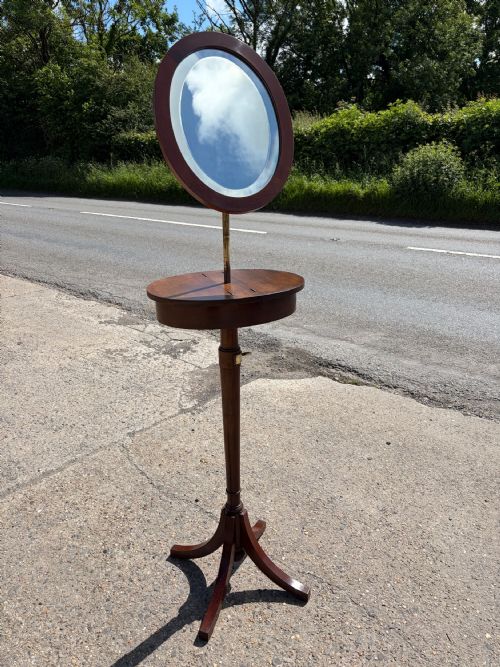


Freestanding Table Mirror
A freestanding table mirror brings practical focus to a dressing surface while shifting light across a room with quiet purpose.
Freestanding Table Mirror
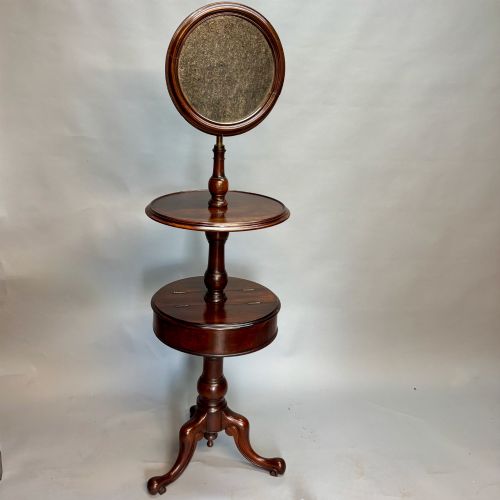
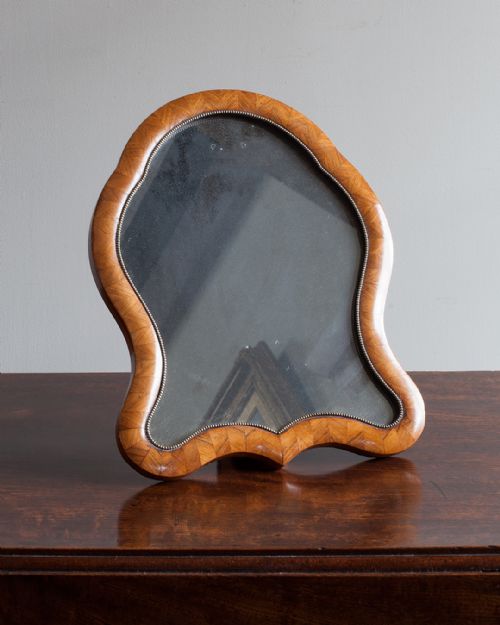
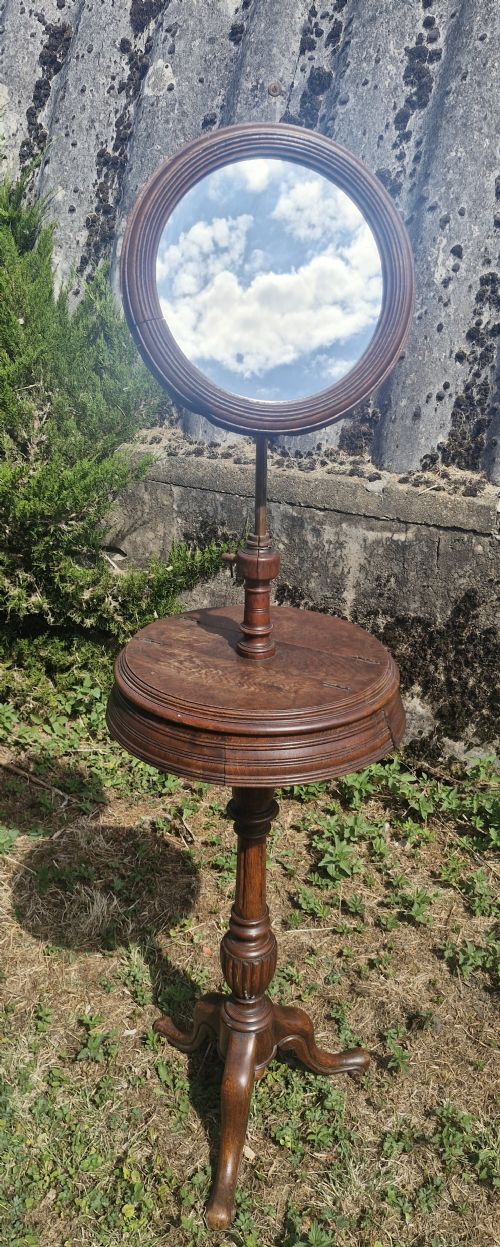
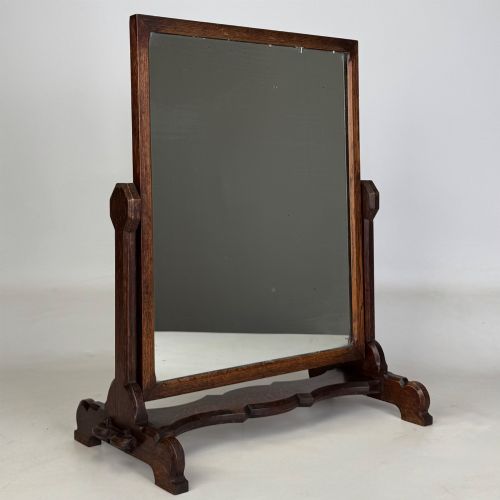
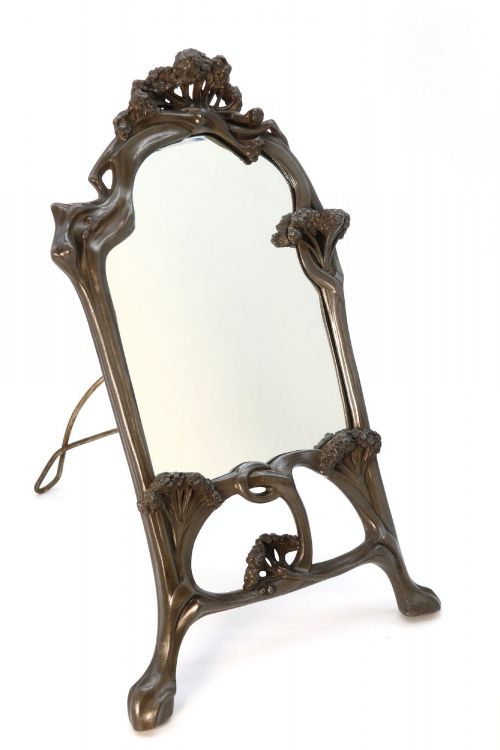
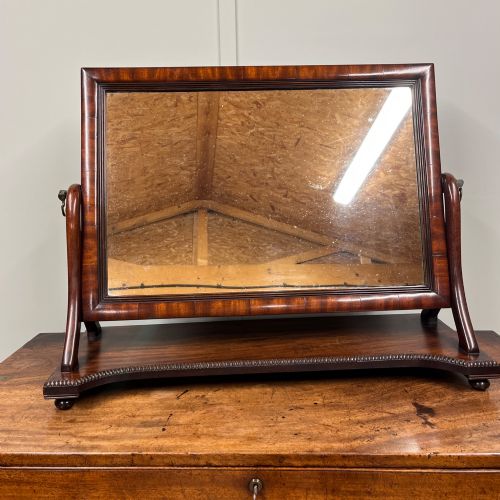
A freestanding table mirror serves as a movable looking glass designed to rest on a dressing table, chest or pedestal rather than hanging from a wall. When exploring a selection of freestanding table mirrors, buyers encounter diverse forms ranging from compact toilet mirrors to tall cheval designs and specialised shaving stands.
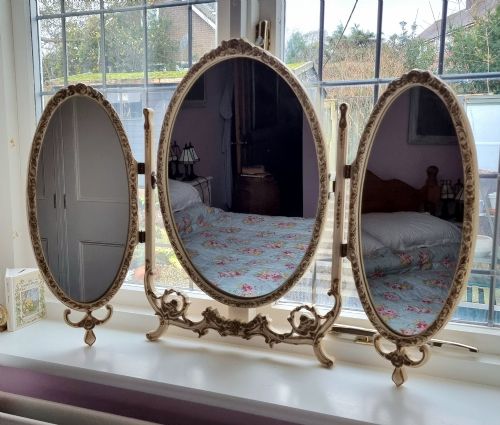
The pieces appearing here span eras from the early nineteenth century through the Edwardian period and into the Art Deco style of nineteen thirty. Common configurations include swing mirrors mounted on upright supports, adjustable swivel glasses, and folding triptych arrangements.
Originating as essential accessories for personal grooming in bedrooms and dressing rooms, these items combine utility with decorative cabinet work. Their scale allows them to be placed wherever additional reflection or light is needed.
Materials and construction methods
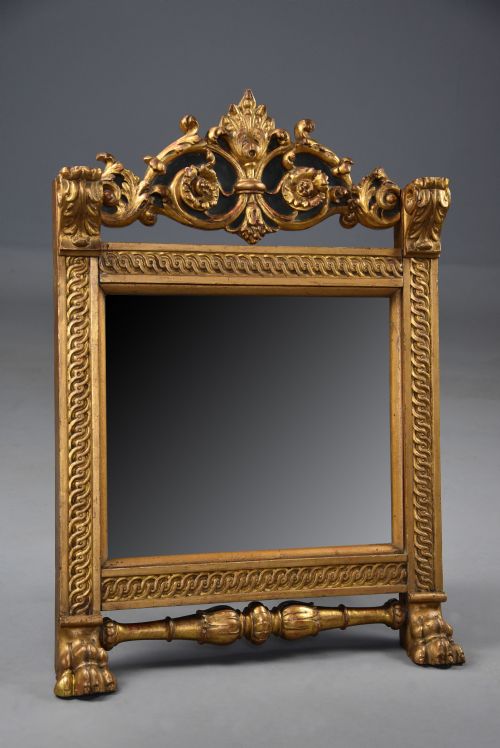
Makers utilised timber frames constructed from mahogany, walnut, oak, satinwood and kingwood, often shaping the wood with turned supports or carved detailing. Gesso, giltwood, pewter, silver plating and chrome also feature in the construction of later frames and easel backs.
Glass plates provide the reflective surface, occasionally held within brass pivots, hinges or telescopic mounts that allow the mirror to tilt or adjust in height. Tripod bases, box bases containing small drawers, and easel struts support the vertical weight of the glass.
Freestanding Table Mirror Retail Price Guide 2026
Typical asking prices for freestanding table mirror among the pieces listed under this phrase on Sellingantiques today, from the lower quarter to the upper quarter. They describe what is for sale here now, not the wider market.
Among the functional looking glasses rests an unusual boot maker's mirror designed to help tradesmen inspect their own footwear.
Distinctions in craftsmanship
Quality rests in the precision of the joinery and the selection of timber veneers, where figured grains and solid secondary woods indicate attentive workshop production. Mechanisms such as brass screws, swivels and telescopic shafts operate smoothly on finer examples.
Carved ornament and surface finishes demonstrate the maker's hand, distinguishing standard utilitarian items from exhibition pieces with intricate mouldings, inlaid details or cast metal mounts.
Louis Auguste Moreau·WMF·HENRY MATTHEWS·Whytock & Reid
The Freestanding Table Mirror Glossary
- Toilet mirror
- A small mirror mounted on a box base or frame, designed specifically to sit upon a dressing chest.
- Cheval mirror
- A full-length freestanding mirror suspended on a frame with vertical pillars and pivots, allowing the glass to swing entirely.
- Shaving stand
- A specialised freestanding piece incorporating an adjustable mirror alongside surfaces or drawers for grooming implements.
- Triptych mirror
- A three-panel mirror where the outer wings angle inward to provide multiple angles of reflection.
- Easel back
- A hinged strut attached to the rear of a mirror frame, allowing it to stand independently at an angle on a flat surface.
Freestanding Table Mirror: Frequently Asked Questions
How do I use a freestanding table mirror today?
These mirrors fit easily onto dressing tables, chests of drawers or sideboards to provide functional reflection in bedrooms and hallways.
Their movable nature allows owners to adjust the angle of the glass to suit changing light throughout the day.
What is the difference between a toilet mirror and a dressing mirror?
Toilet mirrors traditionally feature a small box base fitted with tiny drawers for holding cosmetics or personal items.
Dressing mirrors are often larger swing glasses supported by more substantial upright pillars or frame structures.
How do I identify an Edwardian mirror from a Victorian one?
Victorian examples frequently showcase heavy mahogany frames, turned wooden supports and rich dark finishes.
Edwardian pieces often display lighter satinwood, inlaid bandings or more restrained proportions influenced by Arts and Crafts ideals.
Are shaving stands stable on carpet?
Many shaving stands utilise solid tripod bases or weighted box plinths designed to keep the vertical frame upright.
Placing them on a firm, level surface ensures the adjustable mirror mechanism functions without tipping the stand.