



Victorian Swing Mirror
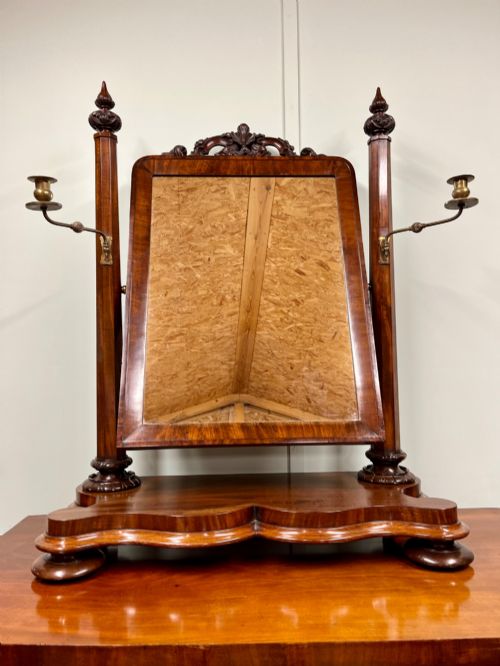
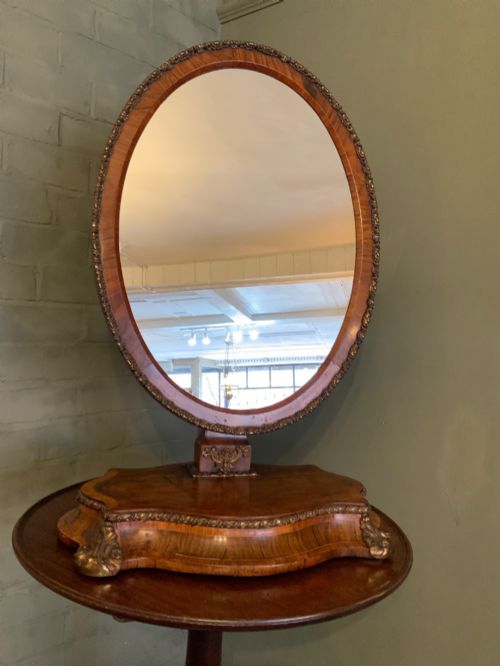
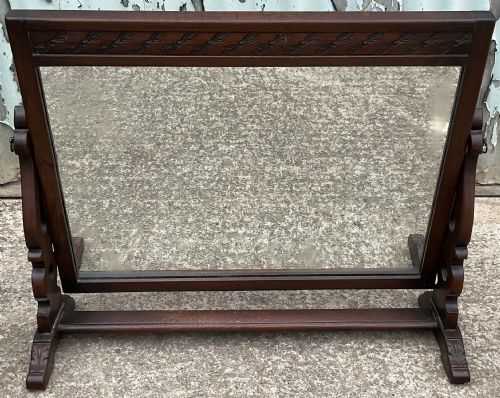
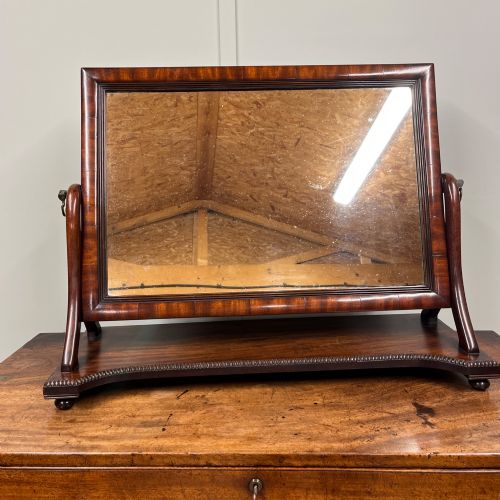
A victorian swing mirror sits on a dressing chest or stands freely on the floor, offering a pivoting glass plate that adjusted personal appearance in nineteenth-century bedrooms.
Victorian Swing Mirror
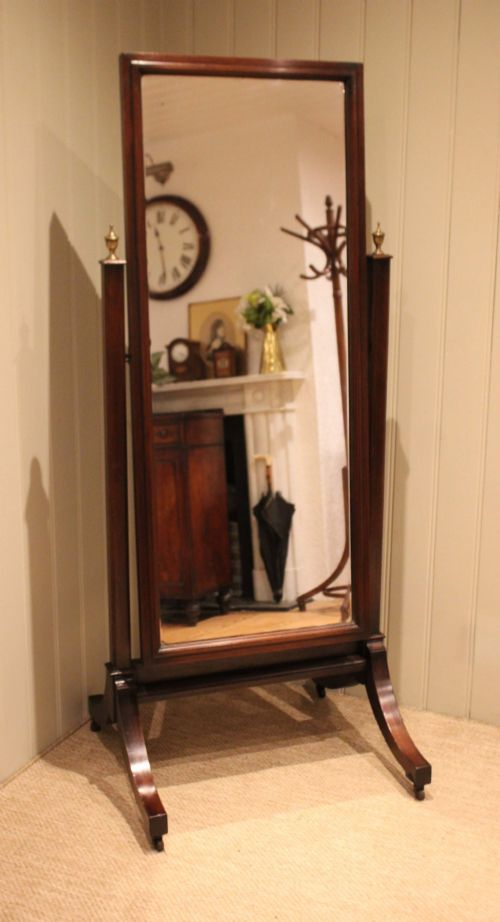
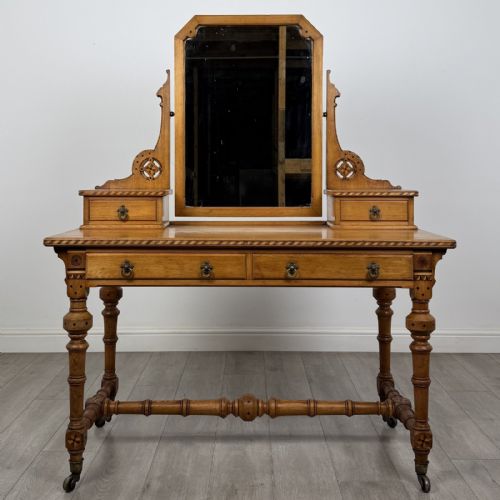
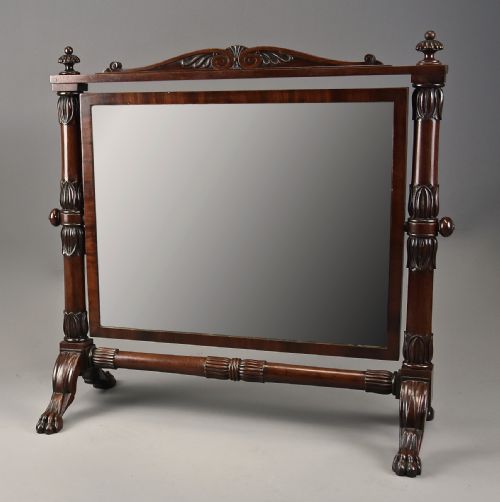
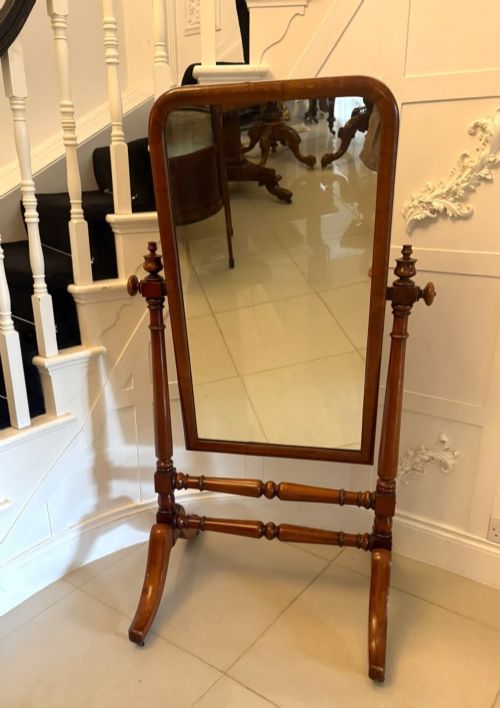
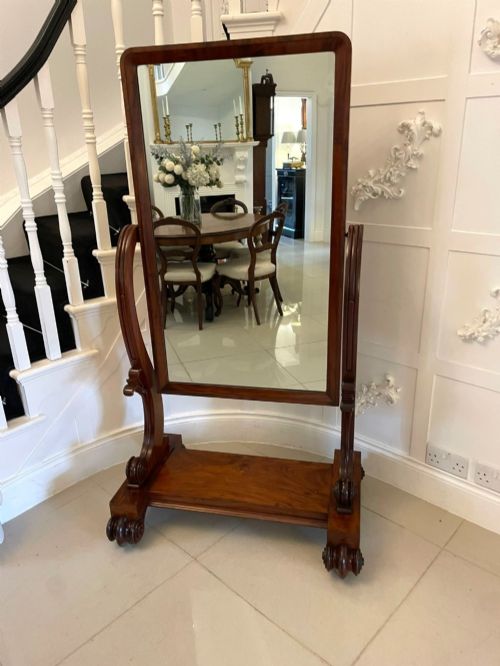
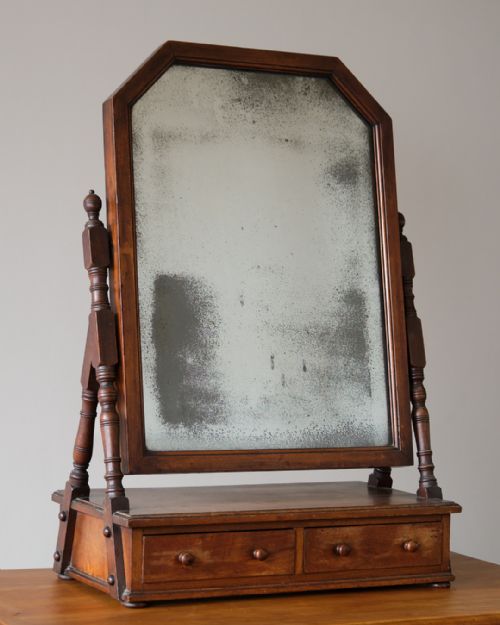
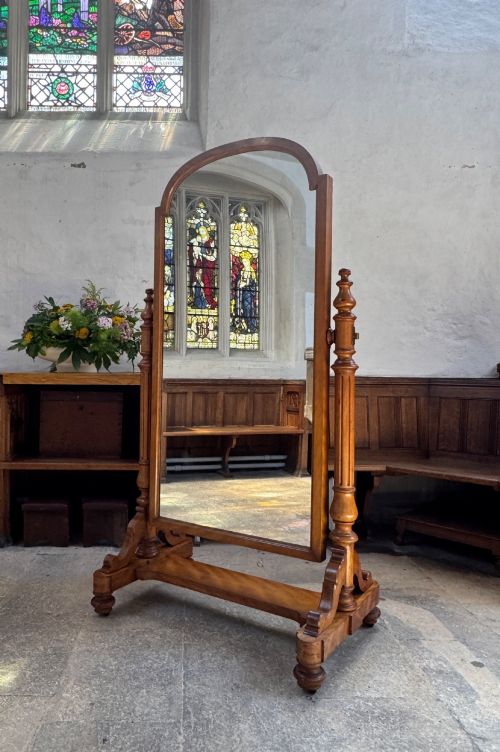
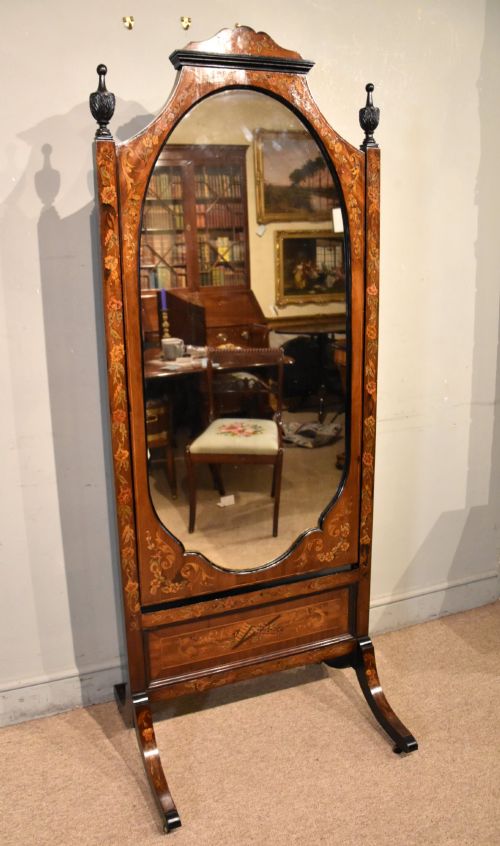
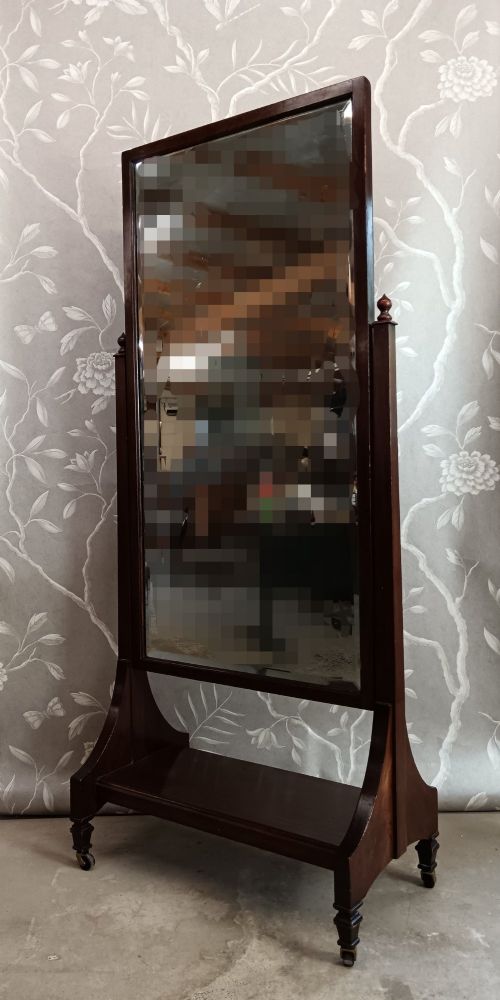
A victorian swing mirror is primarily found as a smaller table-top toilet glass or a taller freestanding cheval form designed for bedroom use. Table models often sit atop a base fitted with miniature drawers, while larger floor-standing pieces pivot between sturdy vertical uprights.
Makers fashioned these pieces across the nineteenth century in various scales, from compact bedside dressing glasses to grand architectural mirrors framed in rich hardwoods. The surviving examples reflect changing domestic habits and interior tastes spanning the Georgian era through to the late Victorian period.
How they were made
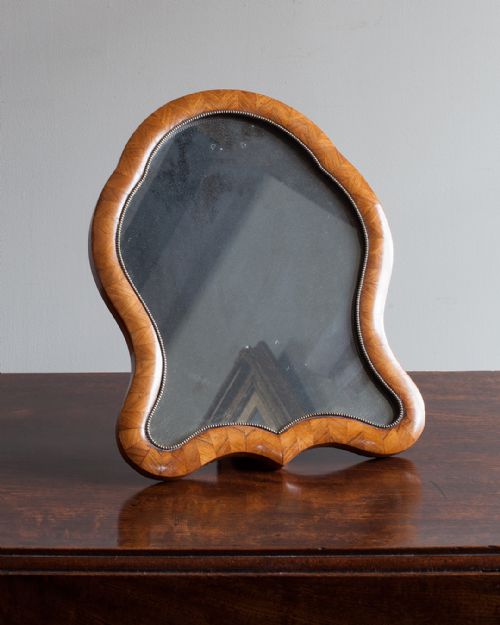
Cabinetmakers relied heavily on solid and veneered mahogany, alongside walnut, satin birch, oak and pine, often enhancing the timber with wood inlay or flame grain figures. Metal components such as brass pivots, candle sconces and ormolu mounts provided both structural movement and decorative contrast.
The glass plates sat within rebated frames held by adjustable side screws, allowing the user to tilt the reflection to the desired angle. Bases incorporated pegged joints, turned supports and dovetailed drawers constructed with traditional hand woodworking techniques.
Victorian Swing Mirror Retail Price Guide 2026
Typical asking prices for victorian swing mirror among the pieces listed under this phrase on Sellingantiques today, from the lower quarter to the upper quarter. They describe what is for sale here now, not the wider market.
A few grand examples arrived with built-in jewellery boxes and secret compartments, hiding small treasures away behind the swing glass.
What varies in quality
Quality rests upon the selection of timber figures, such as dense flame mahogany or figured walnut, matched against the crispness of turned details and hand-carved ornamentation. Superior examples display thoughtful proportions where the weight of the pivoting frame balances securely within its supporting uprights.
The integrity of the construction distinguishes workshop standards, visible in finely cut dovetails on the drawer boxes and substantial brass hardware that sustains daily adjustment. Lesser pieces rely on simpler pine carcases and plain veneers with minimal attention to architectural harmony.
Heal & Sons·Wright & Hunter of Belfast
The Victorian Swing Mirror Glossary
- Cheval mirror
- A large freestanding dressing mirror supported on a frame with four legs that allows the user to view their entire reflection. These tall glasses often feature weighted floor stands and heavy vertical pivots.
- Toilet mirror
- A smaller dressing glass designed to sit upon a table, chest of drawers or washstand. Many incorporate small trinket drawers within their wooden bases.
- Swing mirror
- Any pivoting glass plate suspended within side uprights to permit tilting. The design relies on threaded brass screw caps or side pins.
- Flame mahogany
- A decorative veneer cut from timber where the grain branches out to create a distinctive flickering flame pattern. Cabinetmakers reserved this expensive material for prominent display areas on drawer fronts and mirror frames.
Victorian Swing Mirror: Frequently Asked Questions
Where did these mirrors stand?
Smaller toilet mirrors rested on top of dressing chests, washstands or side tables inside nineteenth-century bedrooms. They brought the glass to a convenient height for morning routines and grooming.
Freestanding cheval mirrors stood directly on the floor in dressing rooms or bedchambers. Their full-length plates allowed people to inspect complete outfits before stepping out.
How do I adjust the mirror plate?
Most frames pivot between two vertical upright posts secured by threaded brass screw pins or thumb nuts. Tightening these fittings holds the glass at the chosen angle during use.
If the mirror tilts forward on its own, the internal washers or tension screws inside the pivots often need careful adjustment. Original hardware should be handled gently to preserve the timber threads.
How do I tell different periods apart?
Early nineteenth-century pieces from the Regency and William IV periods often display clean classical lines, architectural pediments and rosewood or Cuban mahogany timbers. They favour restraint and balanced proportions.
Late Victorian examples frequently introduce heavier carving, serpentine drawer fronts, burr walnut veneers or Arts and Crafts influences. Oak and satin birch also appear more frequently towards the end of the century.
What are the small drawers used for?
The miniature drawers built into the wooden bases of table mirrors held small personal items such as rings, brooches, pins and cosmetics. They kept everyday accessories close at hand on the dressing table.
Some bureau-style table mirrors even incorporated small writing compartments or hidden storage spaces. This combined personal grooming with a compact surface for writing letters.