
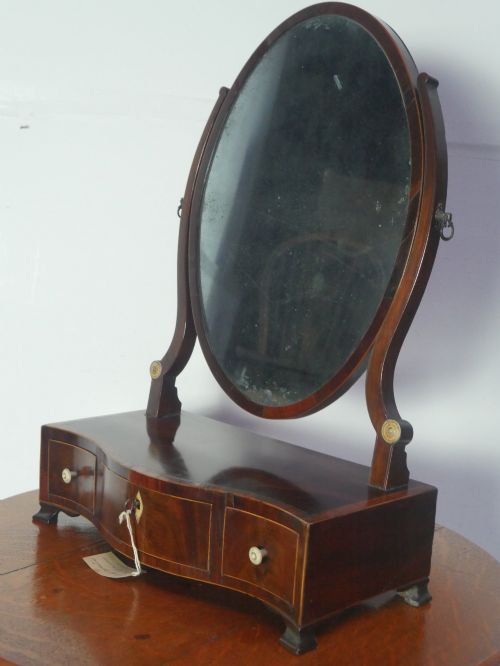
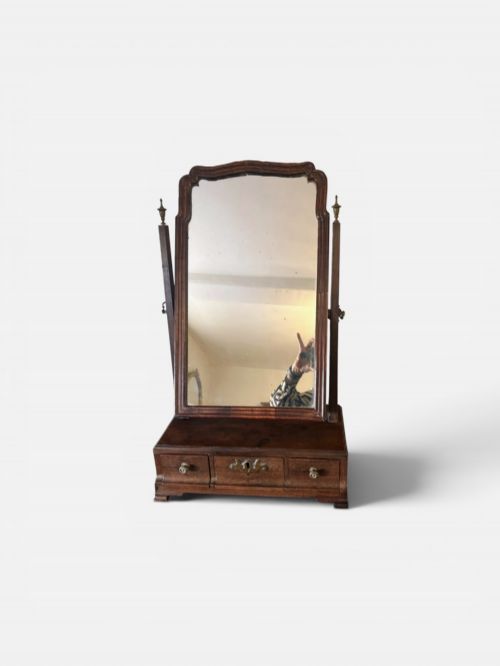
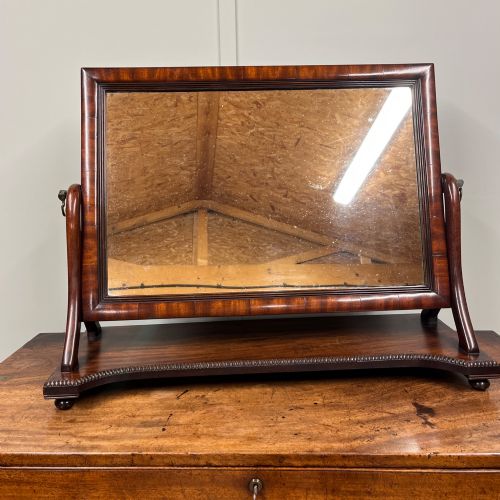
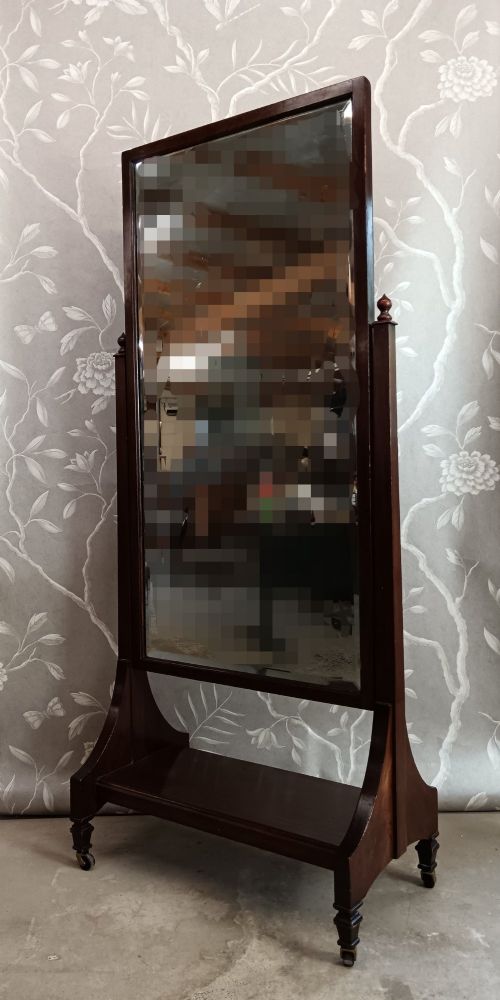


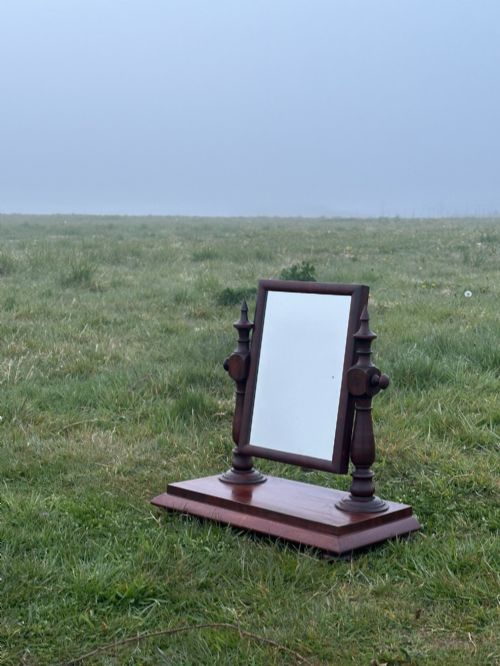
Dark Wood Swing Mirror
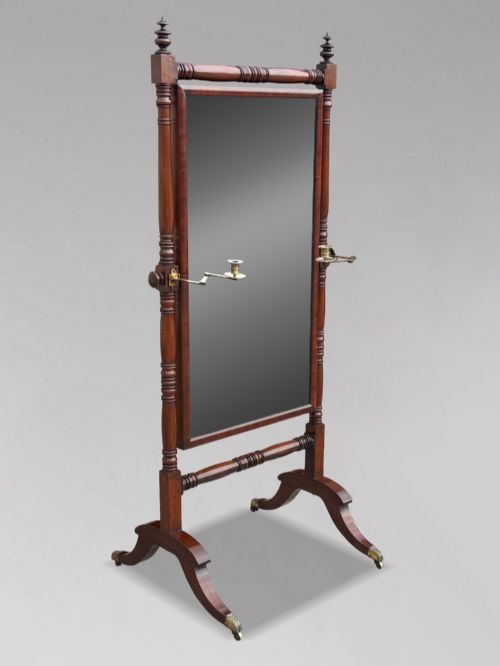
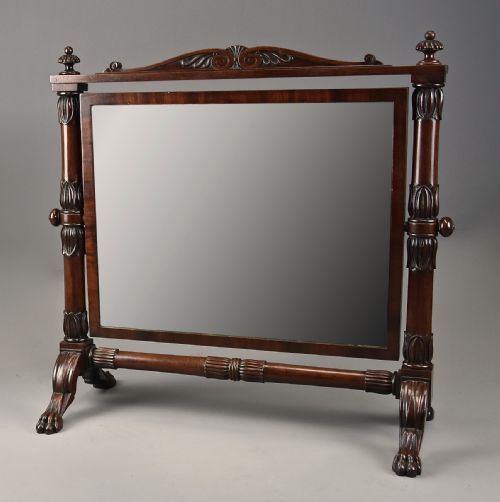
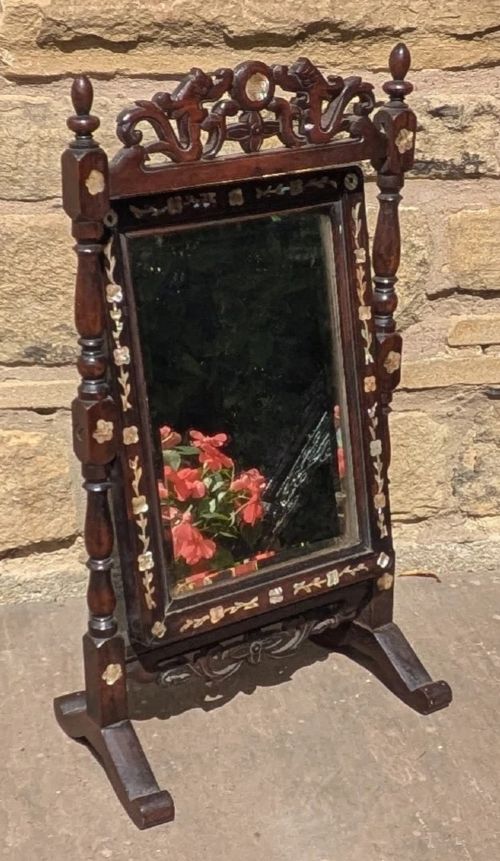
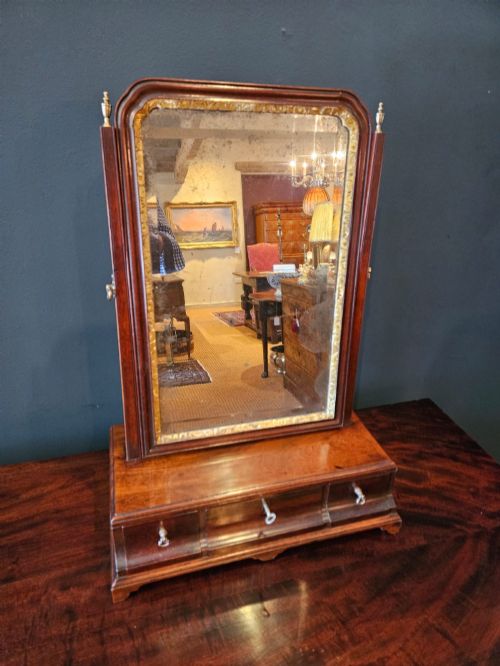
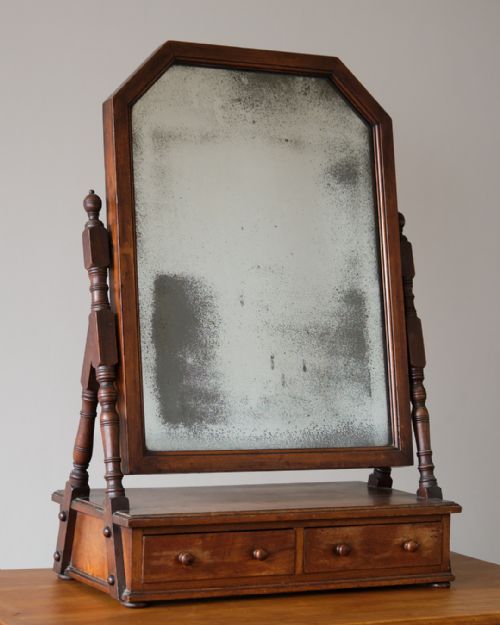
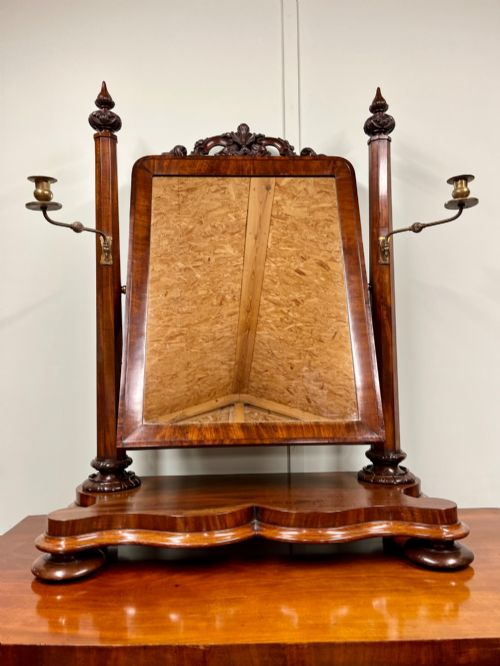
These dark wood swing mirror pieces bring functional elegance to a dressing space, prized for their rich timber tones and pivoting glass.
What these dark wood swing mirror pieces are
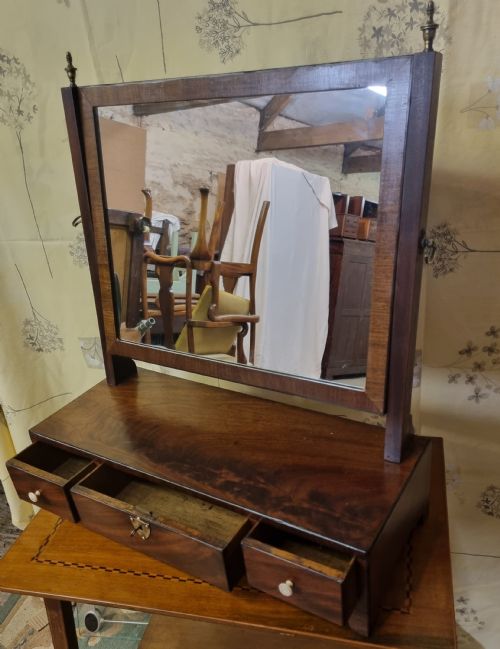
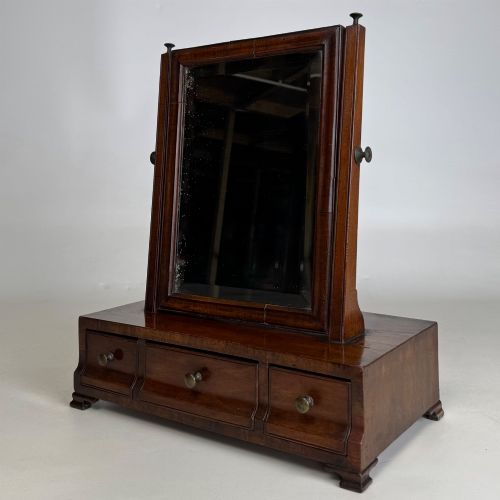
A dark wood swing mirror offers a classic tabletop design intended for grooming and dressing tasks. The evidence shows these pieces appearing under designations such as dressing table mirrors, dressing mirrors, and toilet mirrors.
Most examples you encounter on this page date from the nineteenth century, including specific pieces attributed to the Regency and Victorian eras, alongside one piece from 1900. Forms range from standard travelling toilet swing mirrors to large bow fronted versions.
What varies in quality
Quality differences emerge through the selection of timber and the ambition of the overall silhouette, such as the curved sweep of a bow fronted base. Subtleties in brasswork finishing and the joinery of the frame separate standard utility pieces from more refined examples.
Retail Price Guide 2026
Typical UK retail prices for dark wood swing mirror, calculated from the Sellingantiques database of over a million retail prices indexed since 2003. This retail price guide relies exclusively on Sellingantiques data; no external sources or auction records are used, so the figures do not describe the wider market.
A travelling toilet swing mirror let nineteenth-century owners pack their vanity routine into a sturdy wooden box.
Heal And Sons·Gillows
The Dark Wood Swing Mirror Glossary
- Swing mirror
- A tabletop looking glass mounted on pivots that allow the plate to tilt back and forth. This mobility provides adjustable angles for grooming.
- Toilet mirror
- A traditional term for a small dressing mirror designed to sit atop a chest of drawers or a dedicated dressing table. It shares the same adjustable pivoting frame as a swing mirror.
- Bow fronted
- A furniture form featuring a convex, outward-curving front facade. This shape adds visual softness and cabinetry complexity to larger mirror bases.
- Mahogany
- A durable tropical hardwood known for its reddish-brown hue and fine grain. It serves as the primary structural material across these nineteenth-century items.
Frequently Asked Questions
What is a dark wood swing mirror?
A dark wood swing mirror is a pivoting tabletop glass framed in timber, designed for placement on dressing tables or chests of drawers.
These pieces use a pair of vertical supports and pivot screws to let the user tilt the glass angle.
Where were these mirrors placed?
They were traditionally positioned on top of dressing tables or commodes to assist with personal grooming and hair arrangement.
Some smaller formats were also adapted for travel use during the nineteenth century.
How do I date a swing mirror?
Dating relies on examining the timber species, brass hardware design, and construction methods used in the frame and base.
Nineteenth-century examples often exhibit rich mahogany grain and specific cabinet-making traits tied to the Regency and Victorian periods.
What materials are used?
The primary material seen in these pieces is mahogany, paired with glass mirror plates and brass pivot hardware.
These materials provided both structural strength and a polished appearance suitable for domestic interiors.