

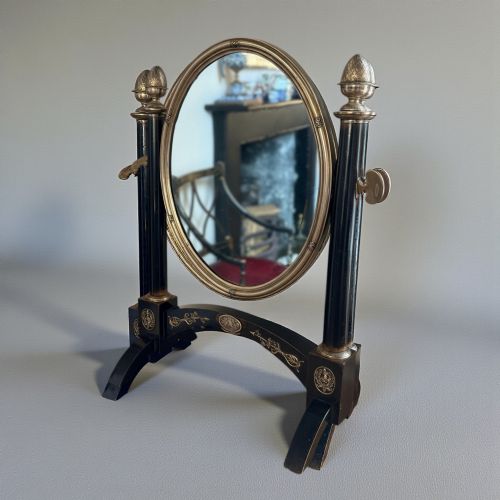
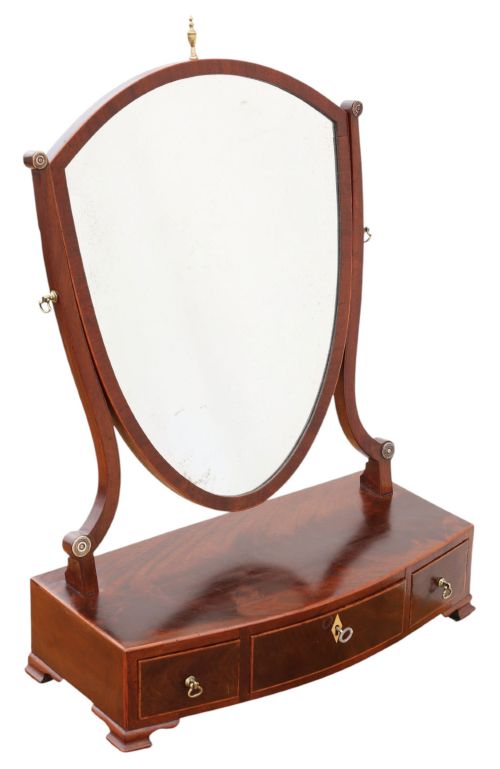
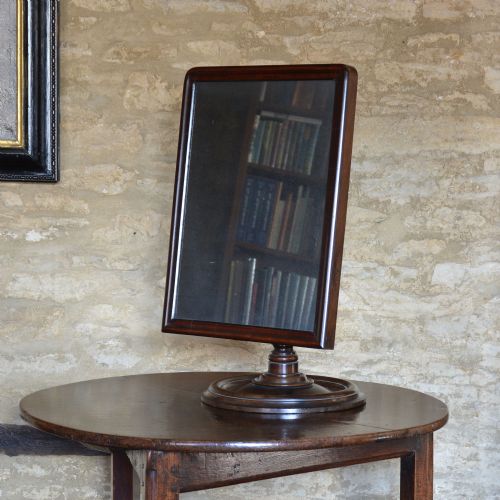
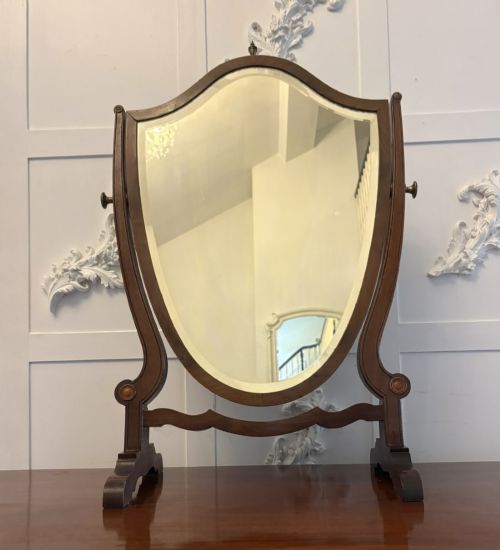
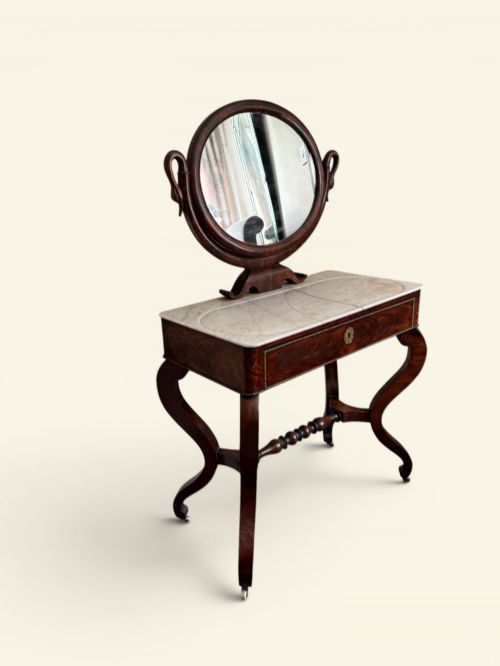


Swivel Dressing Table Mirror
A swivel dressing table mirror brings the focused reflection and polished timber of past centuries onto a modern surface.
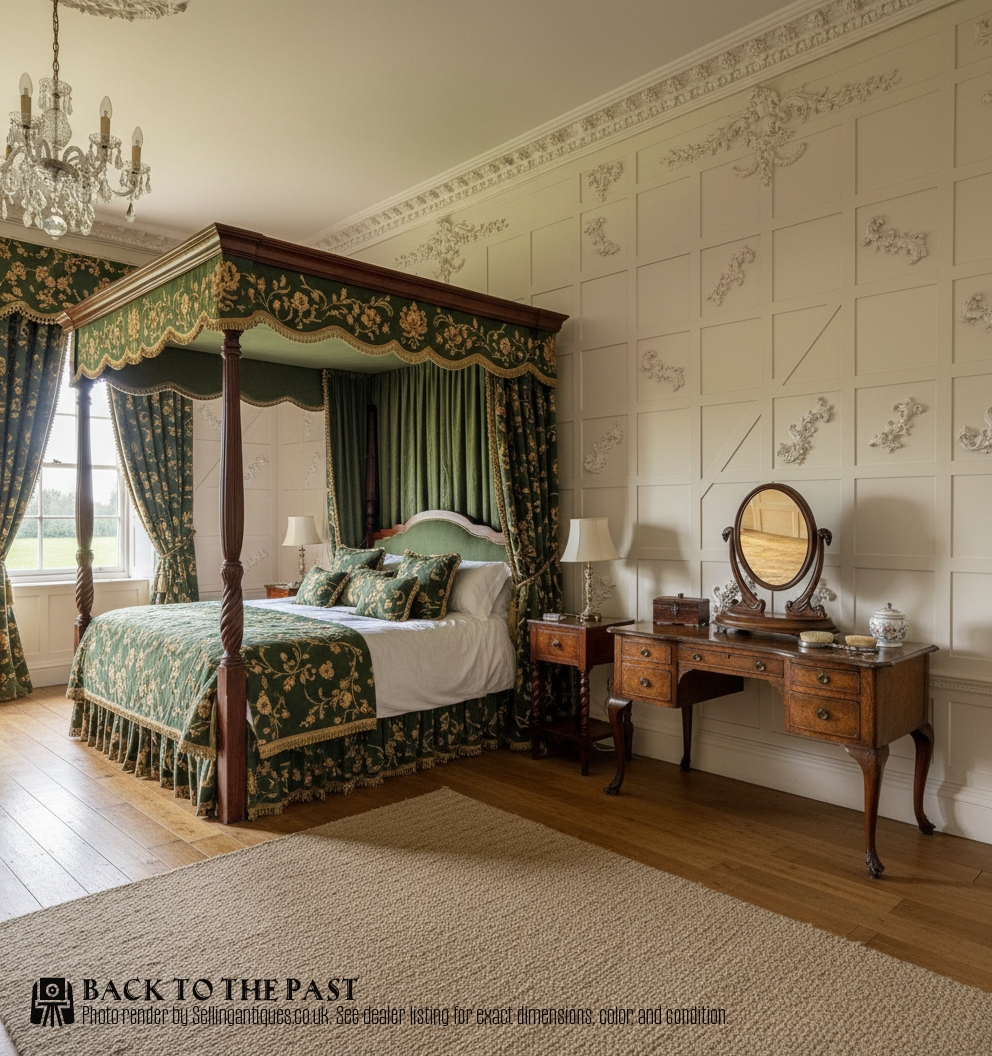
Swivel Dressing Table Mirror
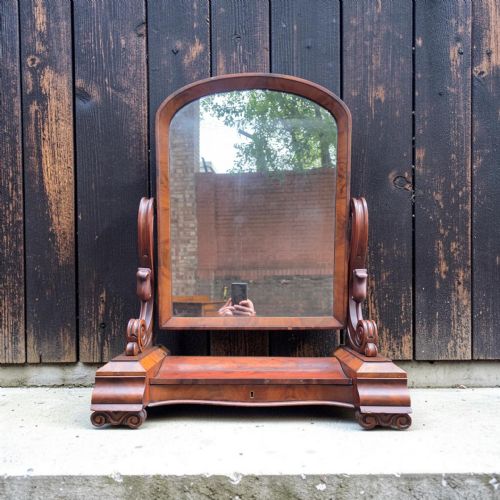
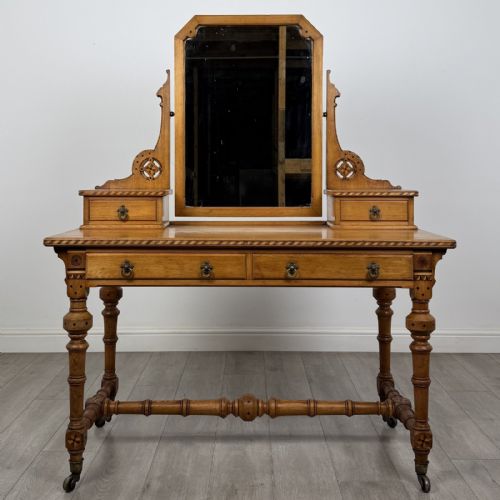
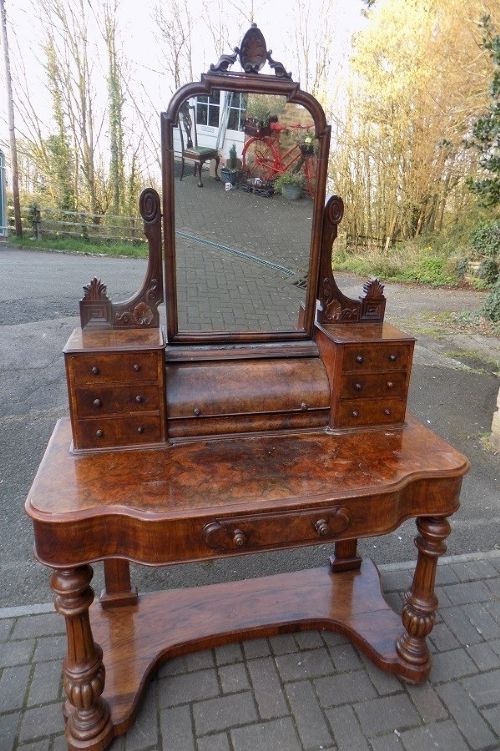
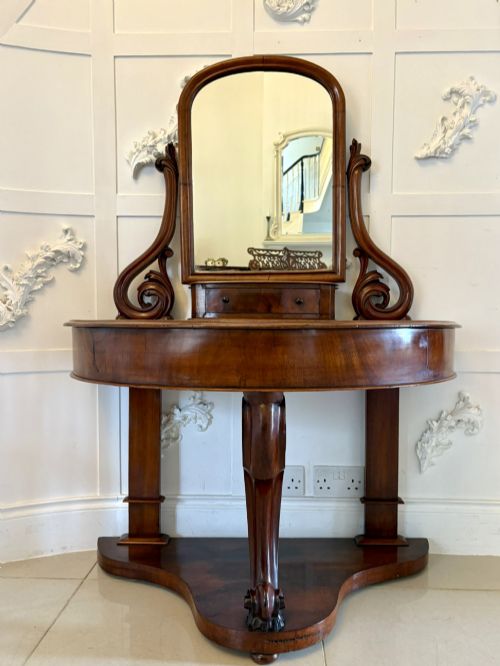
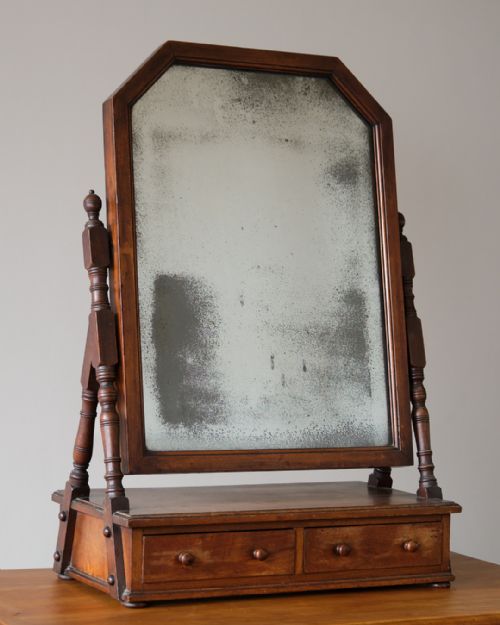
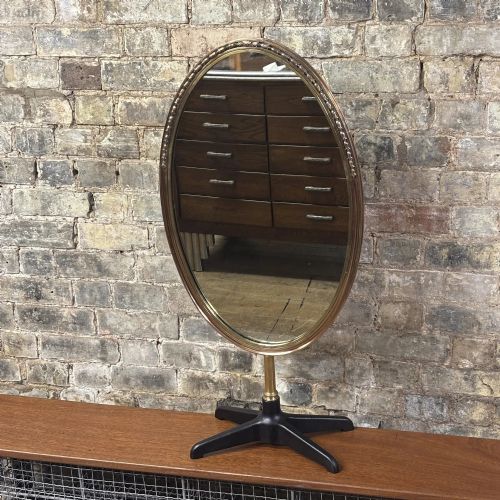
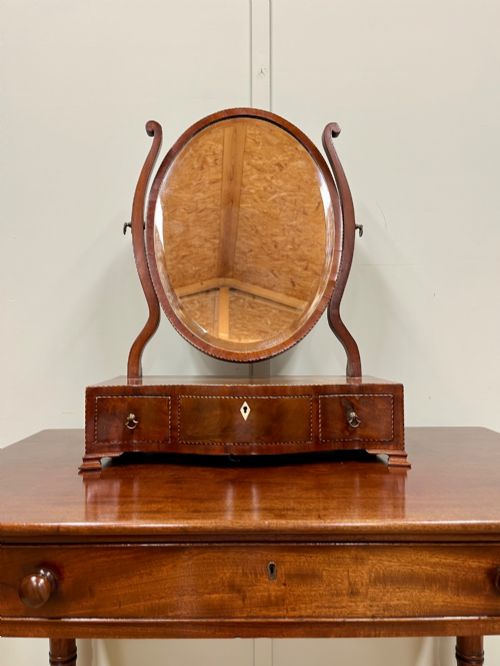
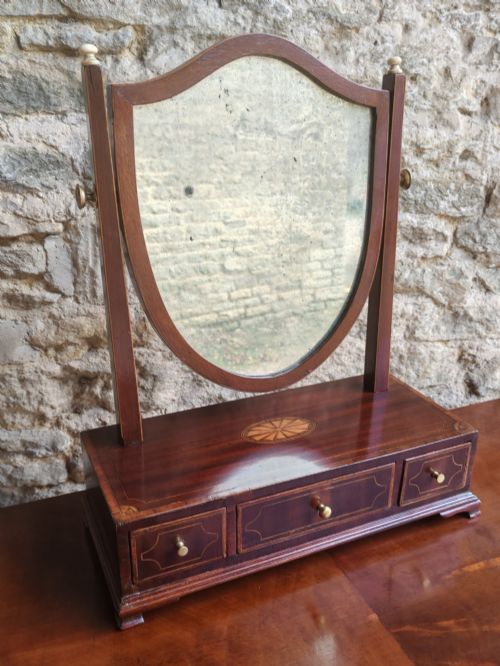
A swivel dressing table mirror is a tabletop looking glass mounted on pivoting side screws within an upright frame, designed to tilt for personal grooming. When searching this phrase, buyers encounter a predominant selection of mahogany examples alongside walnut, oak, and giltwood versions originating from various periods.
The objects span centuries of domestic design, taking the form of swing mirrors, toilet mirrors, and shaving mirrors. Many incorporate small box bases fitted with drawers beneath the glass, serving both practical and decorative functions on top of chests or tables.
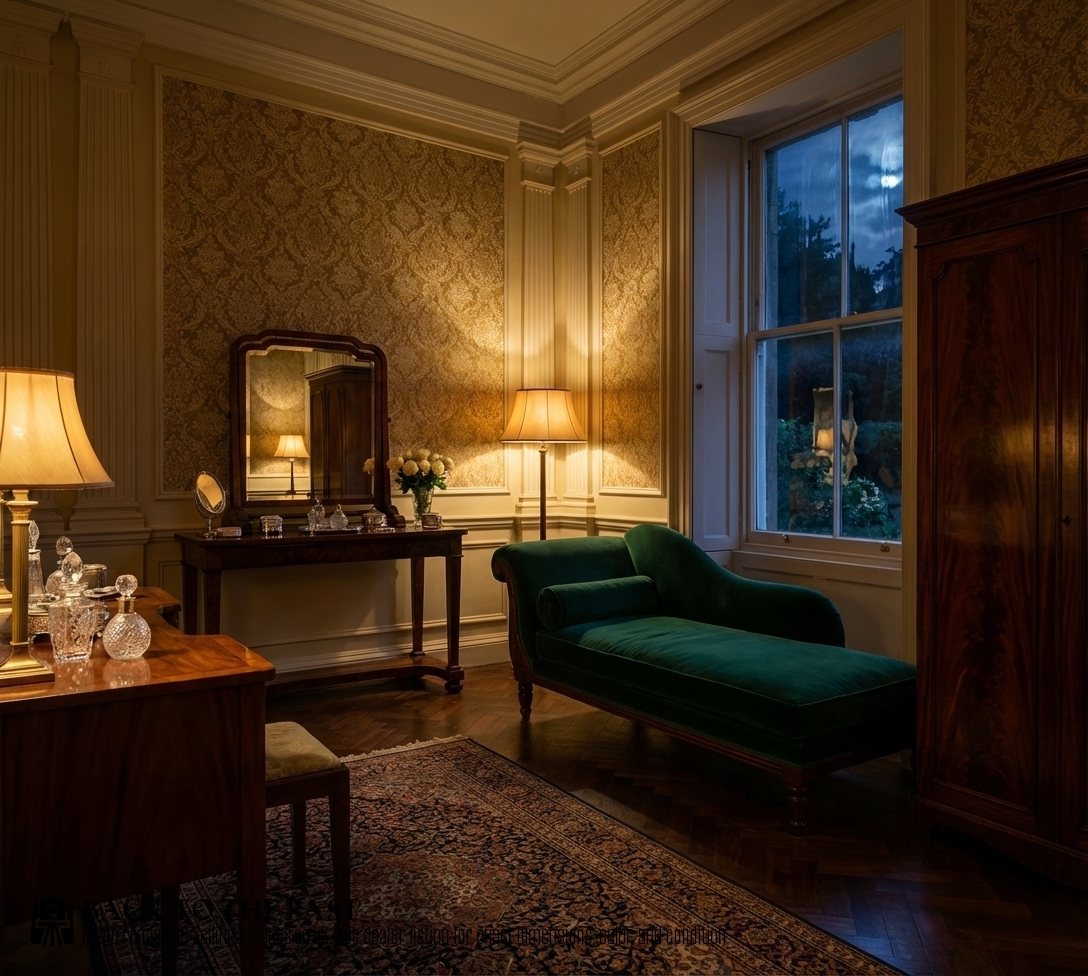
Materials and construction
Cabinet makers utilised dense hardwoods such as mahogany and walnut, frequently selecting veneers and incorporating boxwood stringing or bone escutcheons for visual contrast. Frames were joined using traditional woodworking techniques to support the weight of the pivoting glass plate.
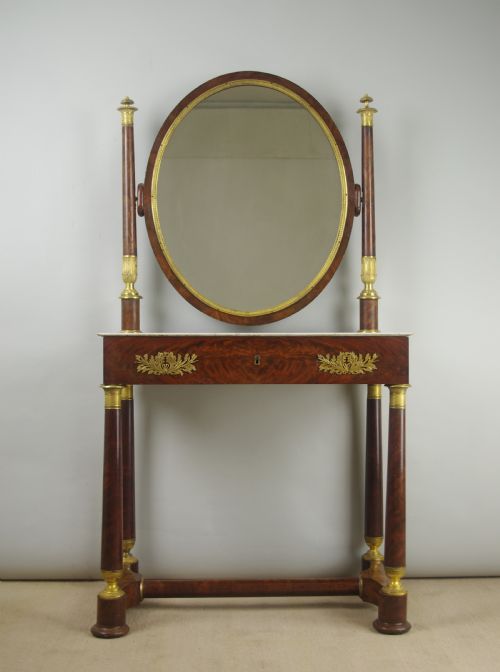
Hardware played an essential structural role, employing brass for the adjustable side screws and swing arms that hold the mirror frame. Some iterations integrated cast bronze or parcel-gilt detailing, while specialist pieces featured applied ormolu mounts.
Swivel Dressing Table Mirror Retail Price Guide 2026
Typical asking prices for swivel dressing table mirror among the pieces listed under this phrase on Sellingantiques today, from the lower quarter to the upper quarter. They describe what is for sale here now, not the wider market.
Current listings span from the seventeenth century through the Edwardian era, featuring mahogany, walnut, oak, and giltwood constructions.
What separates the tiers
Quality rests in the crispness of the cabinet work, the choice of figured timber veneers, and the integrity of the original mirror glass. Superior examples display finely turned upright supports, dovetail joints on the base drawers, and robust brass hardware that holds the glass at the desired angle without slipping.
Proportion and execution distinguish standard utilitarian pieces from high-style workshop productions. Pieces adhering to Georgian, Regency, or George II design canons rely on balanced proportions, harmonious wood grain selection, and restrained decorative elements rather than excessive ornament.

Heal & Sons·Harrods
The Swivel Dressing Table Mirror Glossary
- Swing mirror
- A looking glass hung on pivots between two upright posts allowing it to tilt. This mechanism forms the defining characteristic of the entire group.
- Toilet mirror
- A smaller tabletop glass placed on a dressing surface or commode for personal use. These often feature miniature drawers in the base plinth.
- Shield mirror
- A glass plate shaped like a heraldic shield, popular during the Georgian period. It is mounted within a frame that pivots between scrolling arms.
- Parcel-gilt
- Partially gilded woodwork where gold leaf highlights specific carved details. This treatment is frequently found on George II walnut and mahogany pieces.
- Cheval mirror
- A full-length standing mirror, though the term also applies to larger tabletop variations found in Edwardian listings.
Swivel Dressing Table Mirror: Frequently Asked Questions
How do I date a swivel dressing table mirror?
Dating relies on timber choice, construction methods, and hardware styles. Earlier 18th-century pieces often feature secondary softwoods and hand-cut dovetails, while later Victorian and Edwardian examples show machine-sawn elements and different veneer thicknesses.
Hardware provides another indicator, as handmade brass screws differ noticeably from later mass-produced fittings. Examining the edge of the mirror glass can also reveal early bevelling techniques or flat plate characteristics.
Can I replace the mirror glass?
Original mirror glass often displays foxing, silver loss, and distortion that reflect its age. Many collectors prefer retaining this authentic surface, while others choose replacement for clarity.
When replacement occurs, finding a glass plate that matches the original thickness and fits the historic rebate preserves the integrity of the frame. Modern silvering can look too bright against antique timber, so reclaimed or lightly antiqued glass is sometimes preferred.
Where should I place a table mirror?
These mirrors suit dressing tables, chest tops, and sideboards where their compact footprints add vertical interest. Positioning them near a natural light source maximises their reflective function.
Because the frame pivots, placing the mirror at a height where the tilt angle compensates for the viewer's eye level ensures practical daily use. Stability on the supporting surface remains essential to protect the pivoting side screws.
What is the difference between a toilet mirror and a dressing mirror?
Historical terminology often used toilet mirror to describe a tabletop glass with a drawer base designed for powdering and grooming. Dressing mirror covers a broader category that includes larger standalone tabletop versions and cheval forms.
Both types serve the same fundamental purpose of adjustable reflection, differing primarily in scale and the presence of compartmented bases for personal items.