
Tabletop Dressing Glass
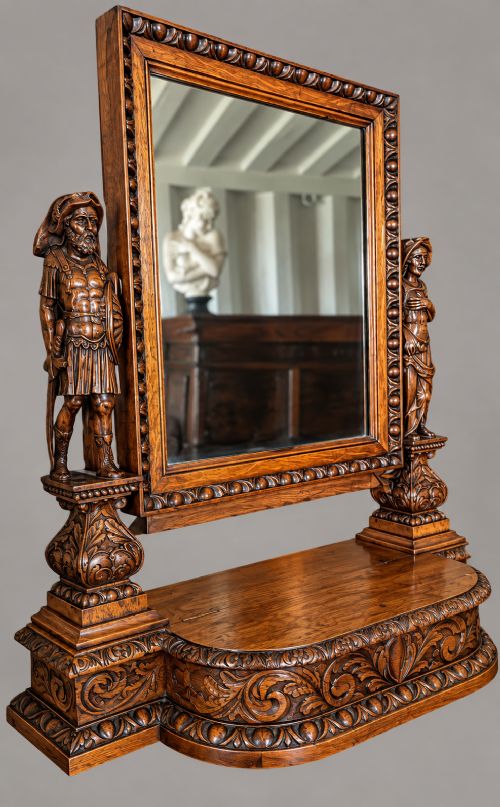
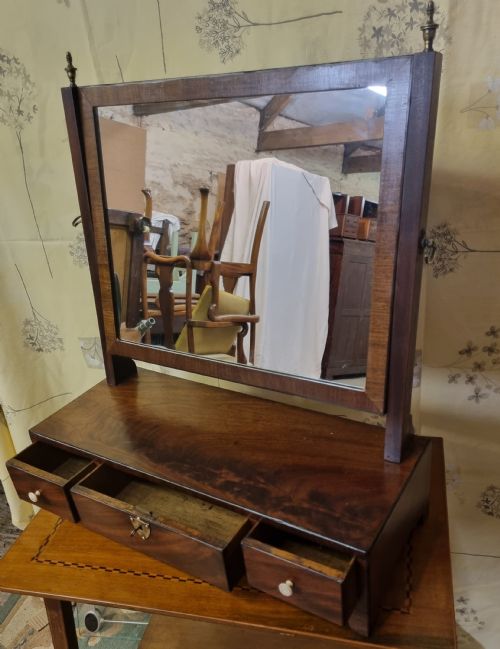
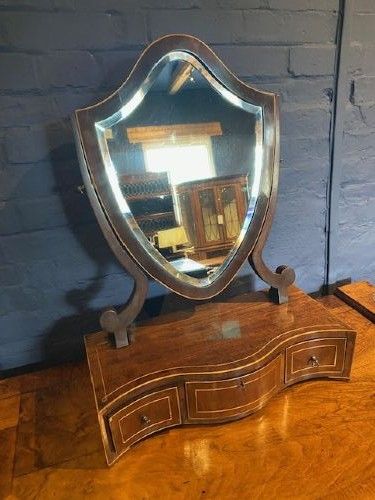
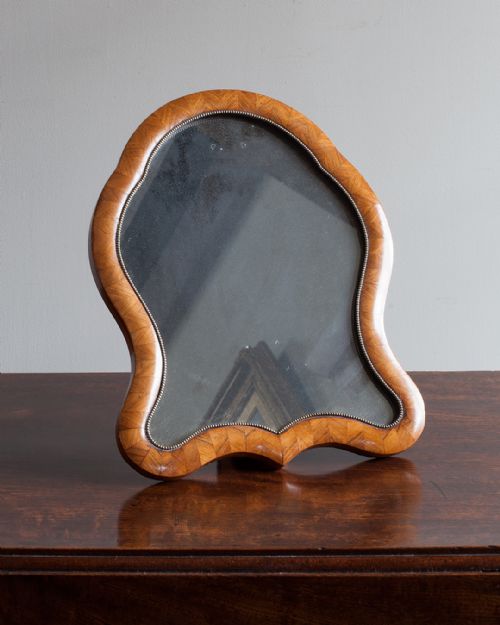
A tabletop dressing glass sits upon a chest or table to catch the morning light, offering a clear reflection framed in fine timber.
What a tabletop dressing glass is
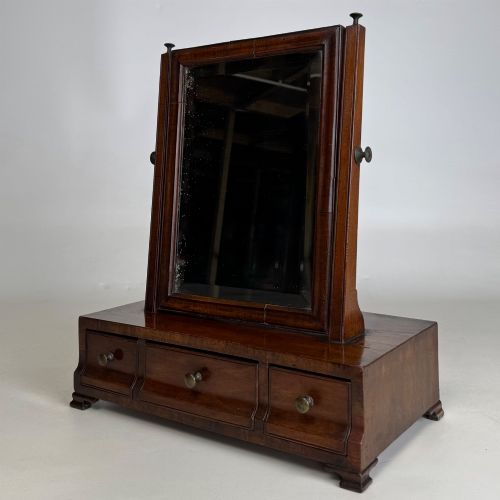
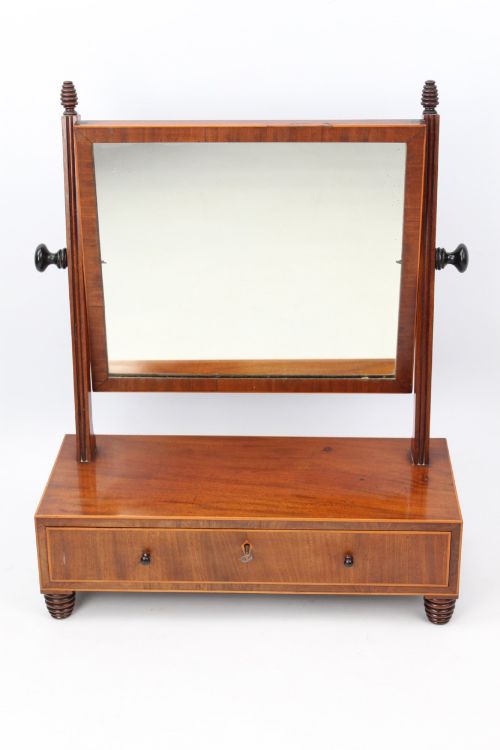
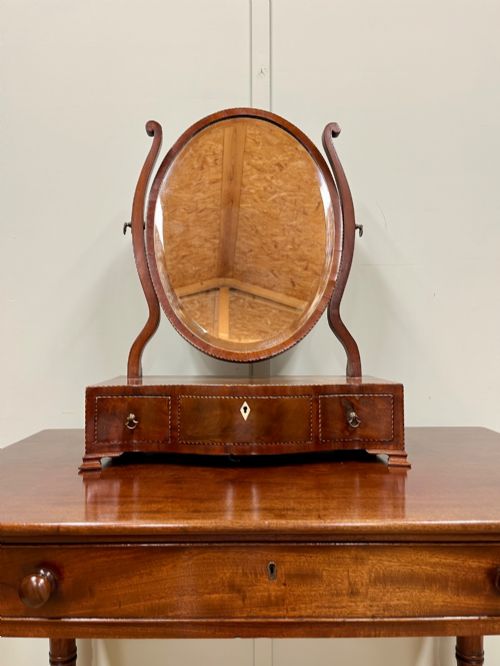
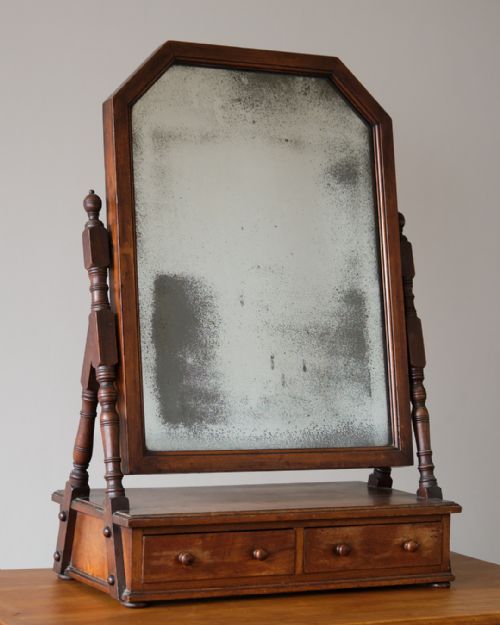
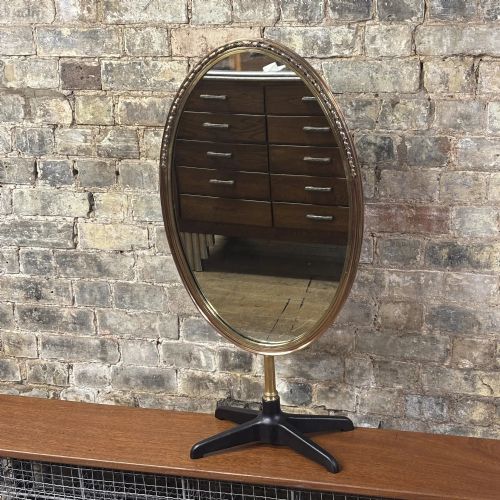
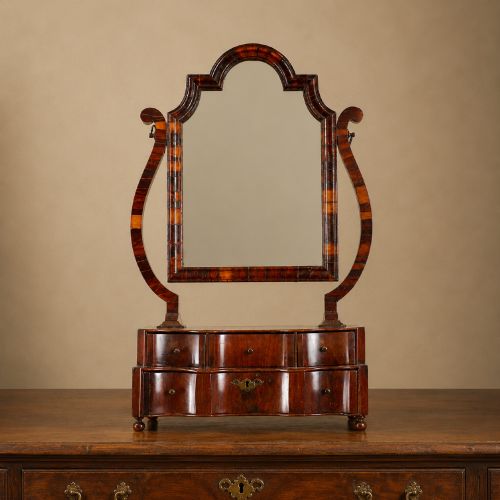
A tabletop dressing glass is a portable mirror designed to sit upon a chest of drawers or a vanity, allowing a person to check their appearance.
The selections available here span from the early eighteenth century through the Victorian era and into the Edwardian period.
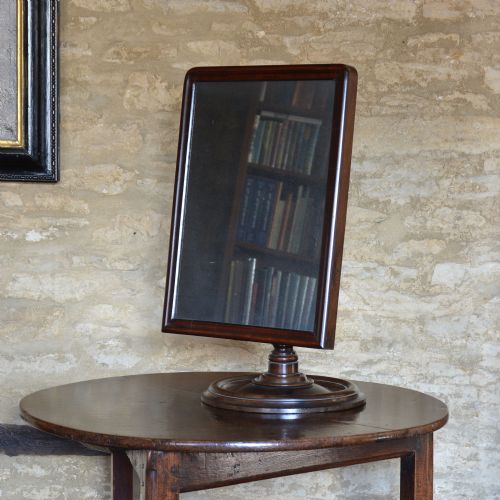
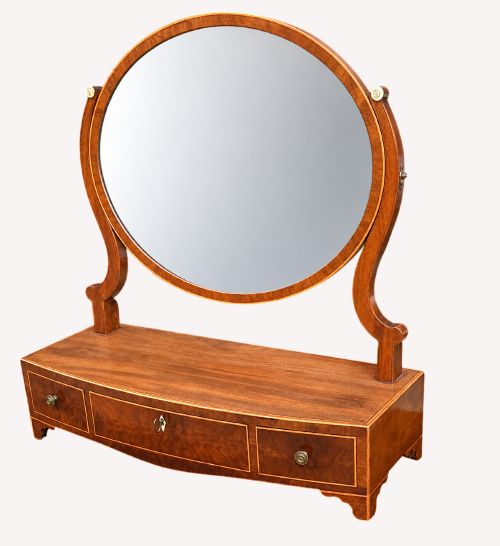
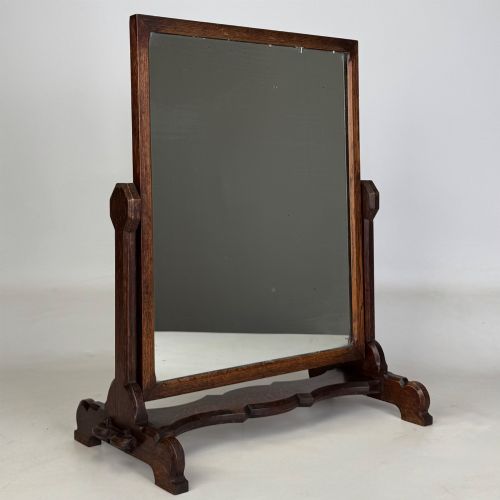
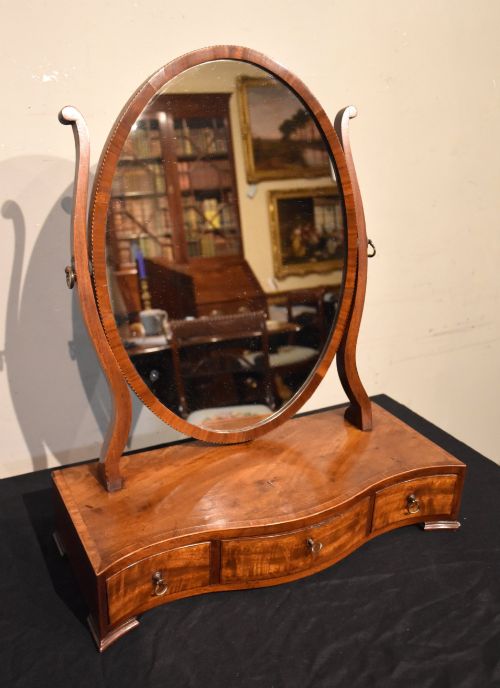
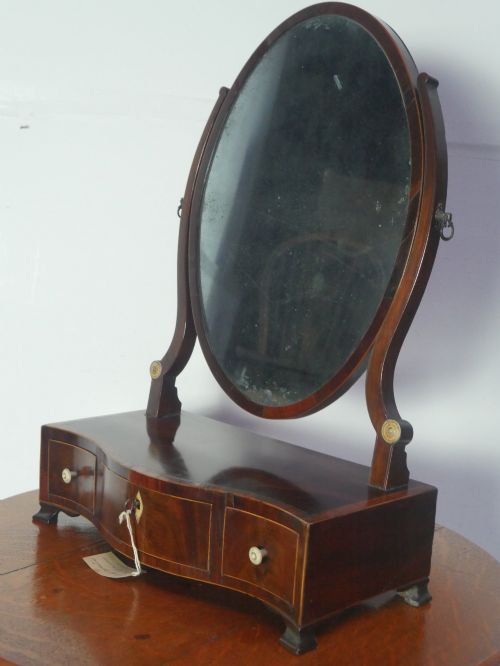
Forms include simple swing mirrors and sophisticated toilet dressing table mirrors mounted on stands or small box bases.
How they were made
Cabinet makers constructed these pieces using solid timbers and veneers such as mahogany, walnut, oak, satinwood, and boxwood inlay.
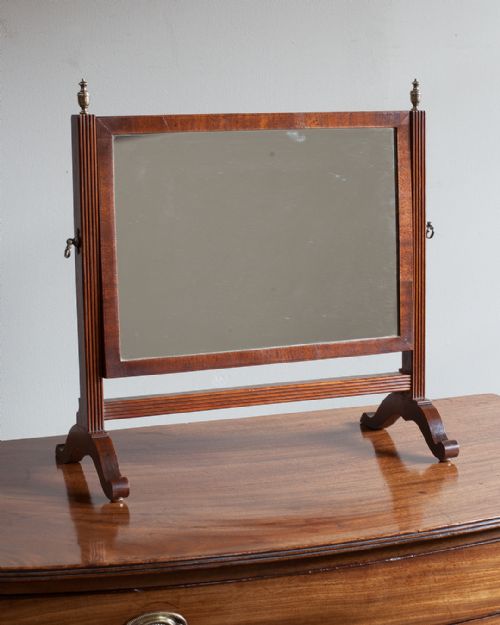
The mirror glass itself is held within an adjustable frame of brass and wood, allowing the plate to tilt to the desired angle.
Retail Price Guide 2026
Typical UK retail prices for tabletop dressing glass, calculated from the Sellingantiques database of over a million retail prices indexed since 2003. This retail price guide relies exclusively on Sellingantiques data; no external sources or auction records are used, so the figures do not describe the wider market.
Early cabinet makers occasionally concealed secret compartments inside the tiny drawer bases of these mirrors to keep small trinkets safe.
What varies in quality
Quality rests in the choice of timber and the precision of the joinery, with figured veneers and careful boxwood inlay marking the better examples.
The refinement of the brass mounts and the smoothness of the pivot mechanism also distinguish a superior mirror from a plain utilitarian piece.
Heal & Sons
The Tabletop Dressing Glass Glossary
- Swing mirror
- A mirror plate suspended on pivots between two upright arms, allowing it to tilt back and forth. This is the defining mechanical feature of the form.
- Toilet dressing table mirror
- A mirror equipped with a small base or box containing tiny drawers for storage. These sat upon a separate dressing table or chest.
- Boxwood inlay
- Narrow strips of pale wood inserted into contrasting darker timber to create decorative geometric borders. It requires great skill from the cabinet maker.
- Veneer
- A thin layer of fine wood applied over a secondary timber base to provide a decorative surface. Walnut and mahogany were frequently utilised in this manner.
Frequently Asked Questions
How do I date a dressing mirror?
Dating a mirror involves examining the timber, the construction methods of the frame, and the character of the mirror glass itself. Earlier pieces often display rich walnut veneers or boxwood inlay.
Later Victorian and Edwardian examples show different decorative styles, such as the characteristic linear forms of the Arts and Crafts movement or heavy mahogany framing.
Where should I place it?
These mirrors sit comfortably upon a chest of drawers, a sideboard, or a dedicated dressing table in a bedroom or hallway. They require a stable surface and good natural light.
Because they are portable, you can move them easily between rooms to find the best position for daily use while adding period character to your interior.
Are the mirror plates original?
Mirror glass is fragile and prone to degradation over centuries, meaning many antique dressing glasses have replacement plates. Examining the silvering and the edges helps determine its age.
Whether original or replaced, a clear glass plate ensures the piece remains practical for daily use while retaining its historical timber frame and brass fittings.