

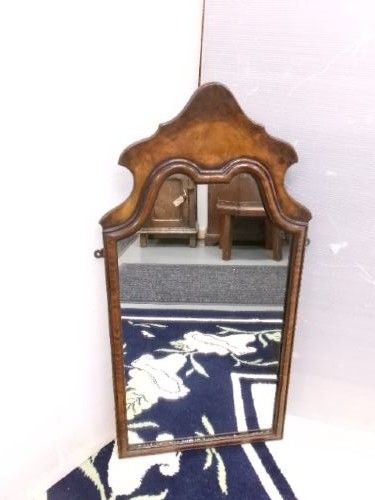
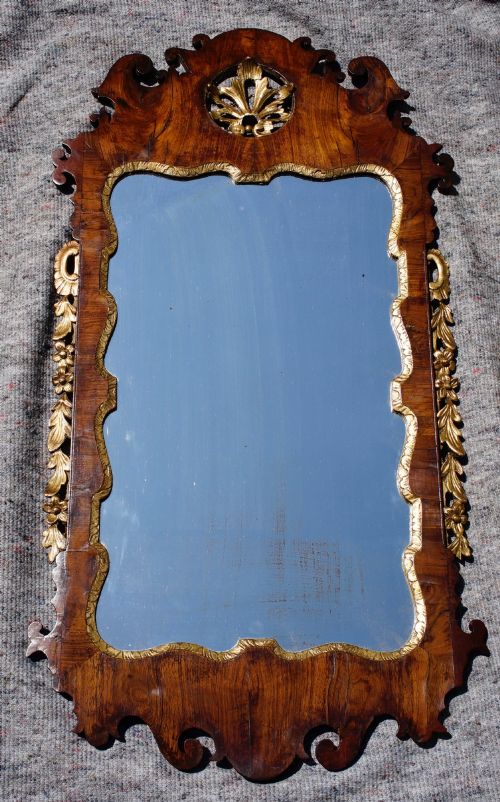
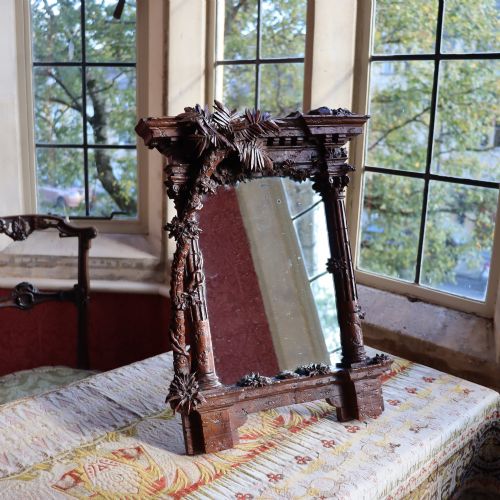
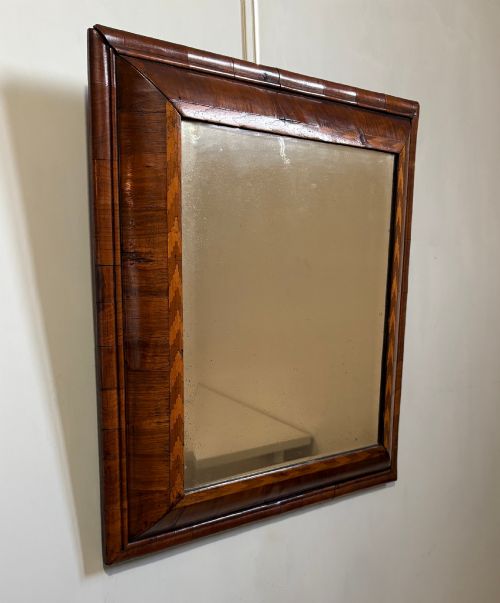

Walnut Vanity Mirror
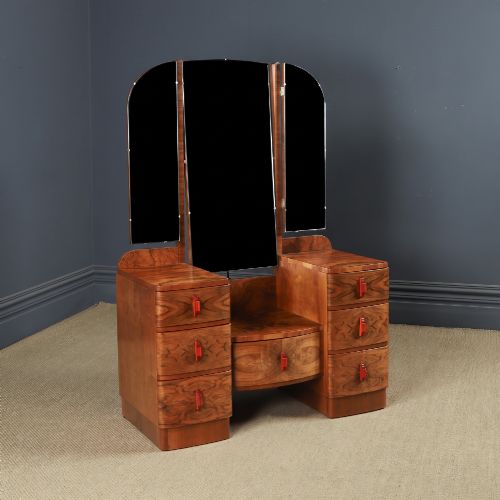
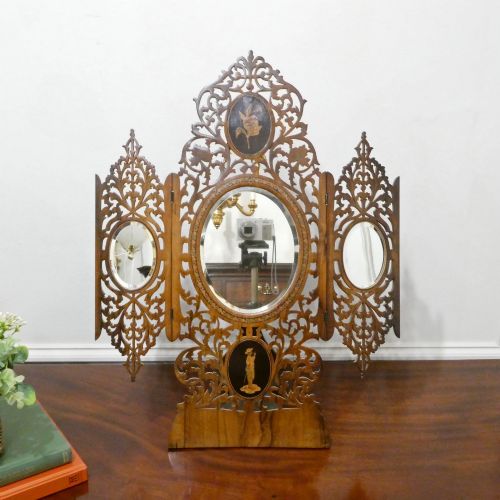
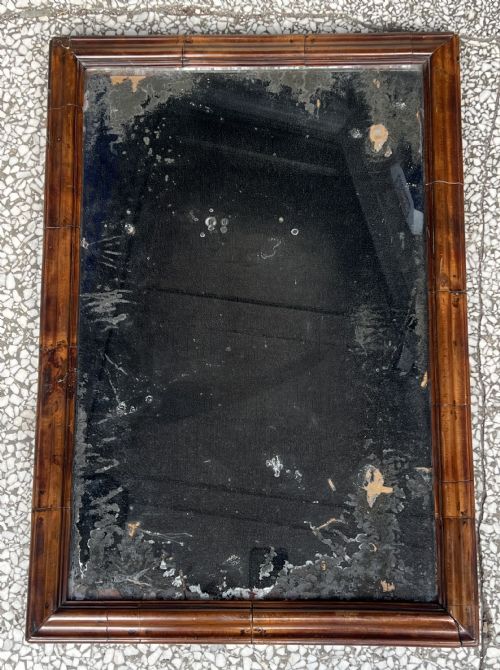
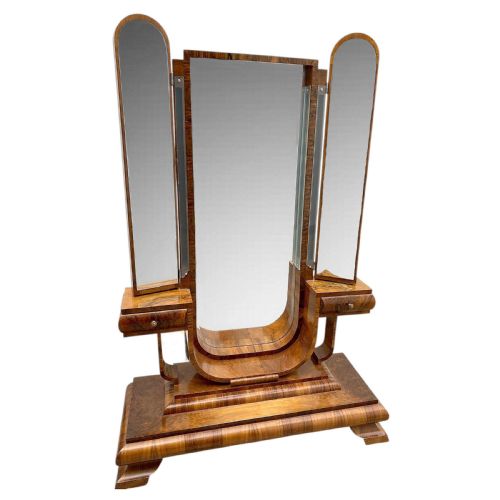
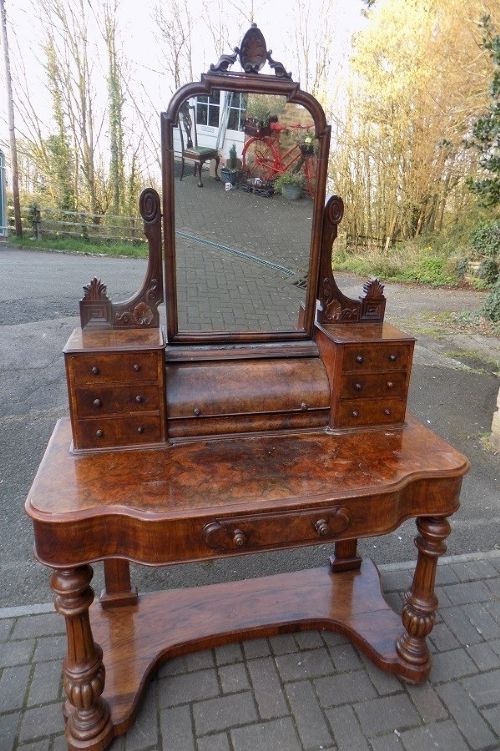
These walnut vanity mirror pieces range from early eighteenth-century toilet glasses to Art Deco pedestal dressing tables.
Walnut Vanity Mirror
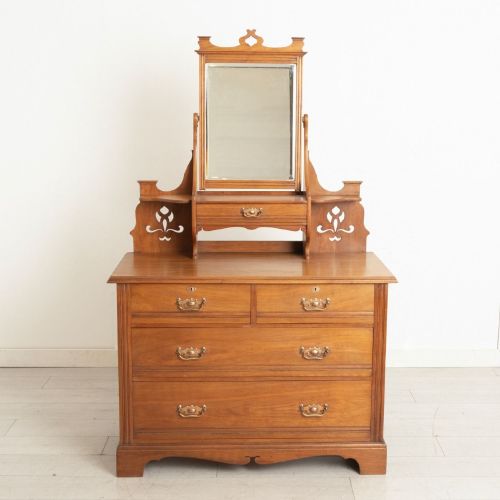
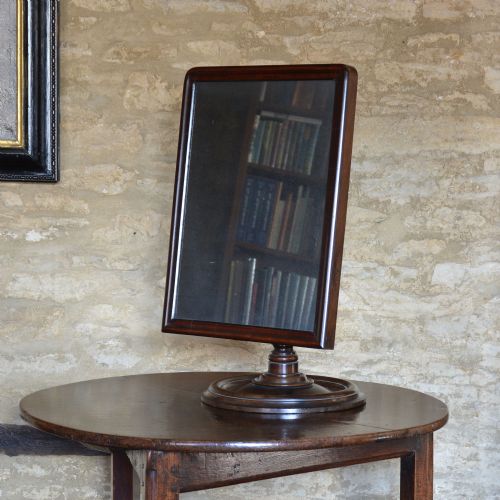
A walnut vanity mirror serves multiple purposes within the home, appearing as a compact toilet swing glass, a table mirror, or an integral component of a larger dressing table. When buyers search for a walnut vanity mirror, they encounter forms spanning several centuries, from George II examples to twentieth-century Art Deco interpretations.
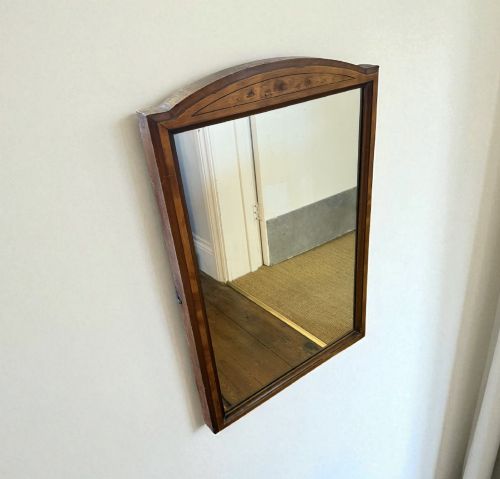
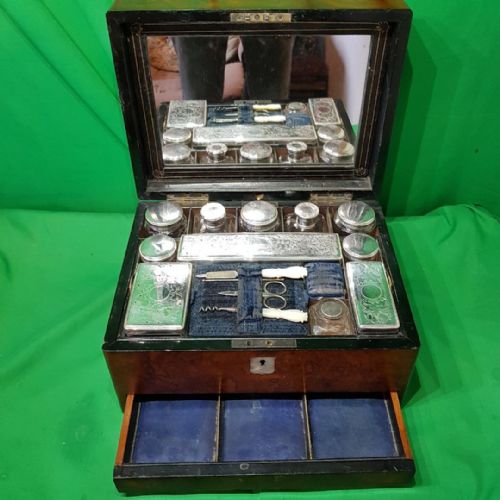
The evidence demonstrates varied functional typologies, including adjustable shaving mirrors, bureau fitments, travelling sets, and wall-hanging mirrors. Table mirrors and toilet swing mirrors dominate the older periods, whereas pedestal dressing tables and dressing chests become prominent in the Victorian, Edwardian, and 1930 eras.
How They Were Made
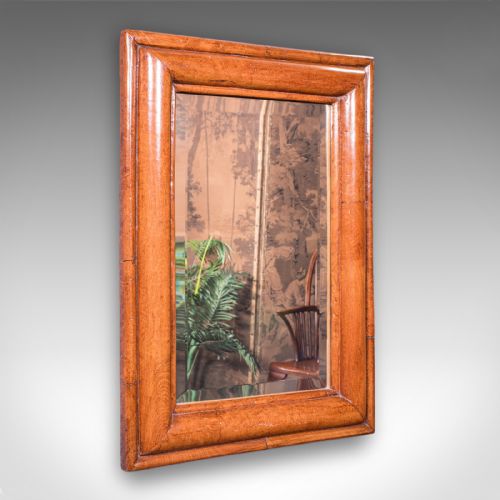
Cabinet makers utilised solid walnut and figured veneers such as burr walnut, frequently applying boxwood, laburnum, or marquetry inlay to enhance the primary timber surfaces. Structural framing often incorporated secondary woods, while decorative elements relied upon brass, ormolu, and carved giltwood details.
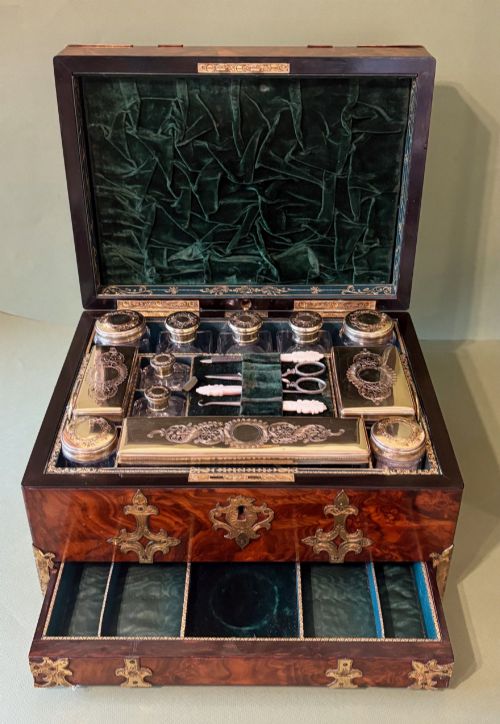
Mirrors combined glass plates with bevelled edges, secured within swing frames or set into wall-hanging backboards. Portable campaign kits and travelling boxes integrated hinged compartments and fitted interiors alongside the folding glass panels.
Walnut Vanity Mirror Retail Price Guide 2026
Typical asking prices for walnut vanity mirror among the pieces listed under this phrase on Sellingantiques today, from the lower quarter to the upper quarter. They describe what is for sale here now, not the wider market.
Listings feature walnut vanity mirrors spanning the 17th century through the Art Deco period of 1930.
What Varies in Quality
The refinement of the walnut veneer dictates much of the visual character, shifting from plain grain to highly figured burr patterns and intricate marquetry. Early pieces display precise dovetailing and hand-cut mouldings, whereas later examples incorporate turned supports and fitted interior drawers.
Hardware selection marks the distinction between standard and superior workshops. Brass adjustment screws, hinges, and ormolu mounts show varying degrees of cast definition and hand-chiselling across different periods.
Lamb of Manchester·Maurice Adams
The Walnut Vanity Mirror Glossary
- Toilet mirror
- A small swing mirror designed to sit atop a dressing table, chest, or desk. These pieces often feature small drawer bases.
- Burr walnut
- Timber taken from a tree growth that produces intricate, swirling grain patterns. Cabinet makers prized this wood for decorative veneering.
- Cheval mirror
- A full-length swing mirror supported on a freestanding frame with four legs. They allow a person to view their entire outfit.
- Fret mirror
- A wall mirror featuring a flat wooden frame cut with scrollwork or geometric fret patterns. Eighteenth-century makers frequently used this design.
- Pedestal dressing table
- A large vanity unit featuring twin banks of drawers supporting a central table surface and a mirror. Art Deco and Victorian makers produced many variations of this form.
Walnut Vanity Mirror: Frequently Asked Questions
How do I date a walnut mirror?
Dating relies upon examining the construction methods, edge bevelling on the glass, and timber types. Earlier eighteenth-century pieces often use softwood secondary framing and hand-cut mouldings.
Later Victorian and Art Deco examples introduce machine-cut veneers, heavier plate glass, and distinct stylistic motifs like geometric inlays or stepped pedestals.
Where should I place a toilet mirror?
These mirrors suit placement on top of dressing chests, sideboards, or low chests of drawers. Their original purpose was grooming and applying cosmetics in bedrooms.
Modern interiors utilise them on hallway console tables or dressing desks to add height and reflective light to a room.
What is the difference between a toilet mirror and a shaving mirror?
Toilet mirrors generally feature a wider glass plate above a small drawer base, designed for general dressing and hair styling. Shaving mirrors are typically smaller and engineered with adjustable swivel brackets.
Shaving variants frequently appear in portable campaign formats or include specialised boxes for grooming equipment.
Are these mirrors original or restored?
Many antique pieces retain their original glass plates and timber patination, though mirror plates are sometimes replaced due to degradation over centuries. Checking the backing boards and screw types helps determine the extent of past conservation work.
Original hardware and antique veneer shrinkage offer reliable indicators of authenticity across Georgian and Victorian items.