
Swing Dressing Mirror
A swing dressing mirror offers a pivoted glass for morning reflection, bringing period timber and adjustable grace to a bedroom.
Swing Dressing Mirror
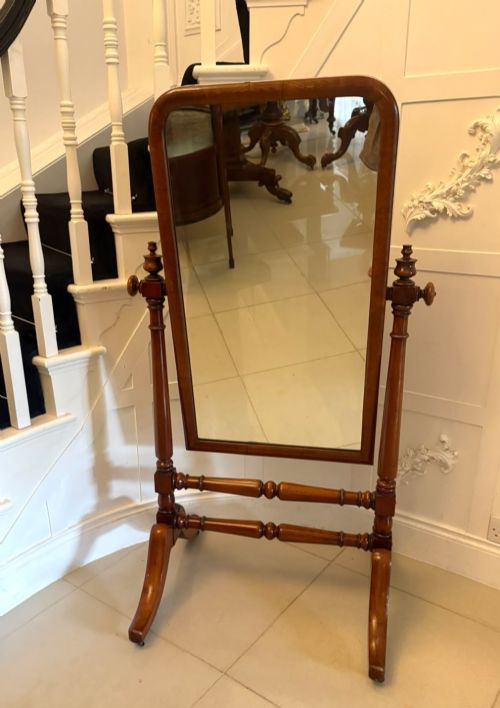
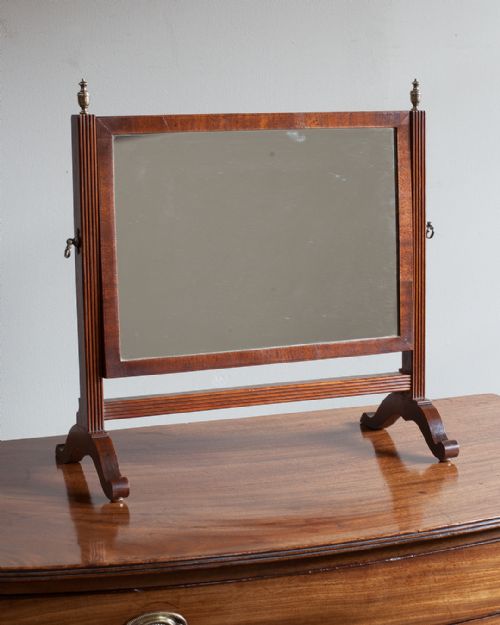
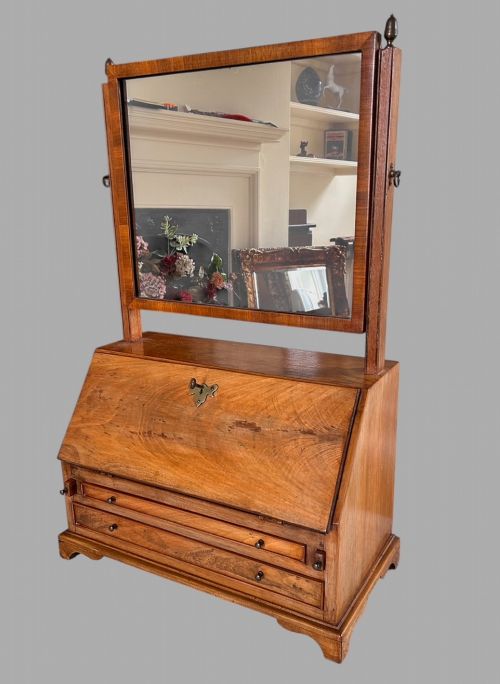
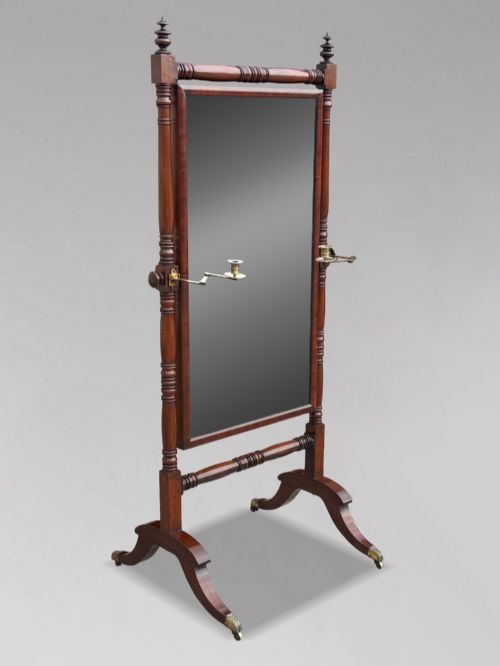
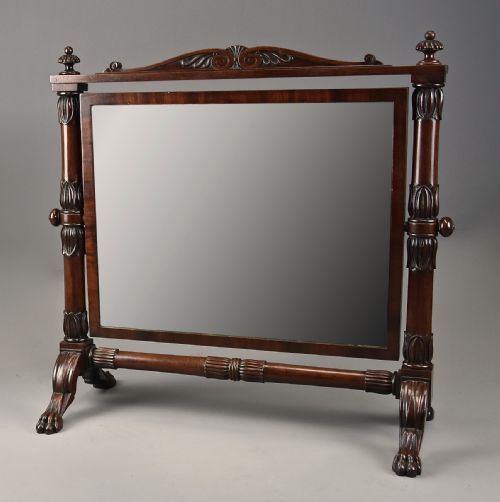
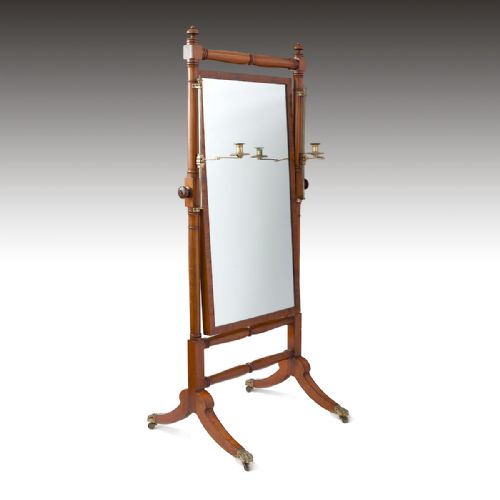
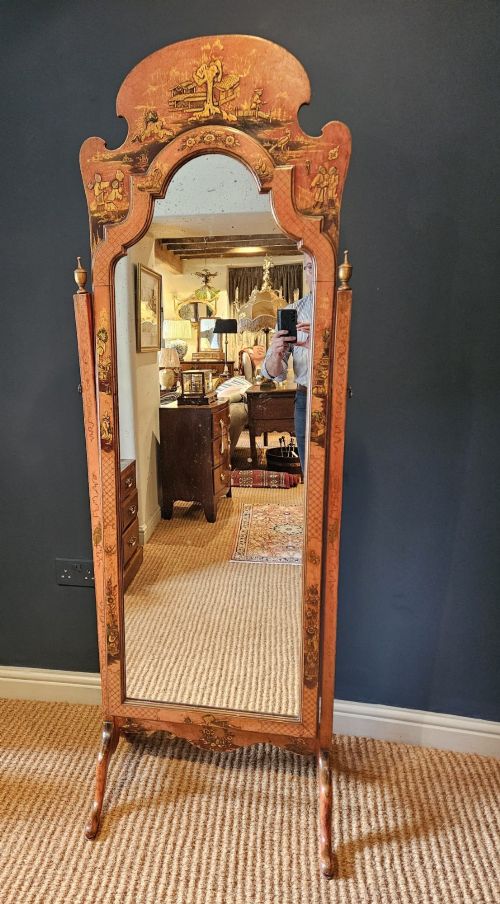
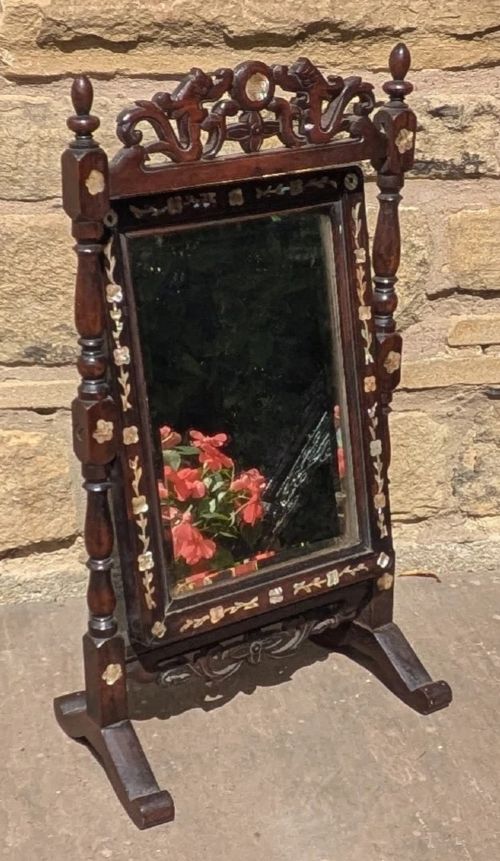
A swing dressing mirror is a tilting glass mounted within a frame, designed to sit atop a chest or dressing table, or to stand independently on the floor as a full-length cheval. The form serves personal grooming and reflects light across a room, remaining a staple of bedroom furniture across the centuries.
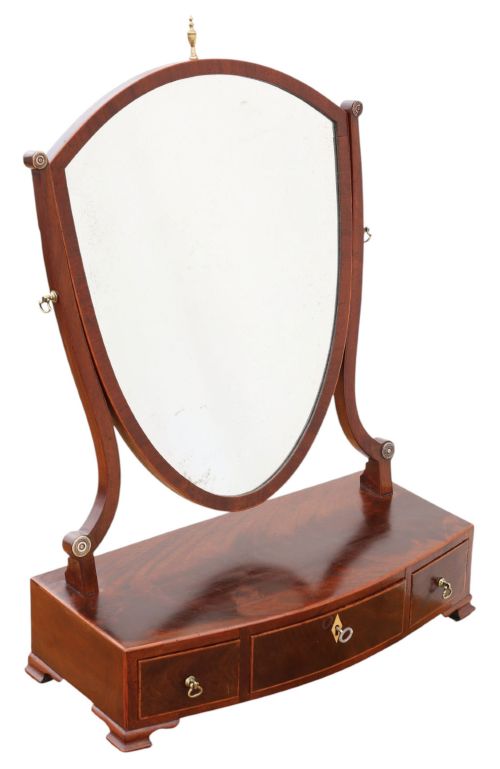
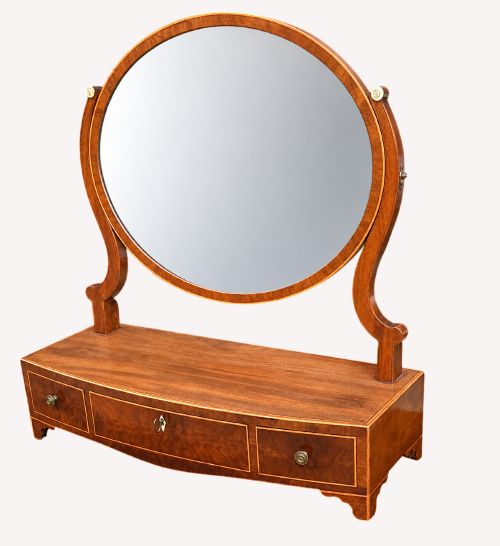
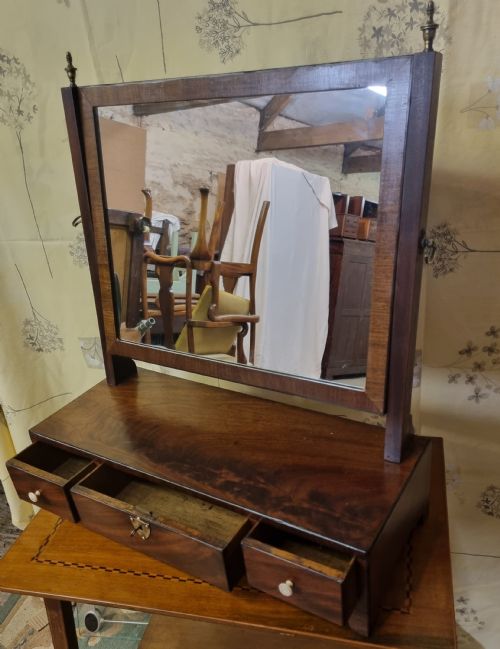
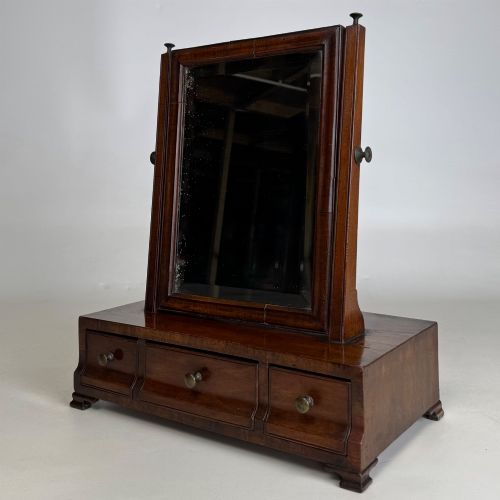
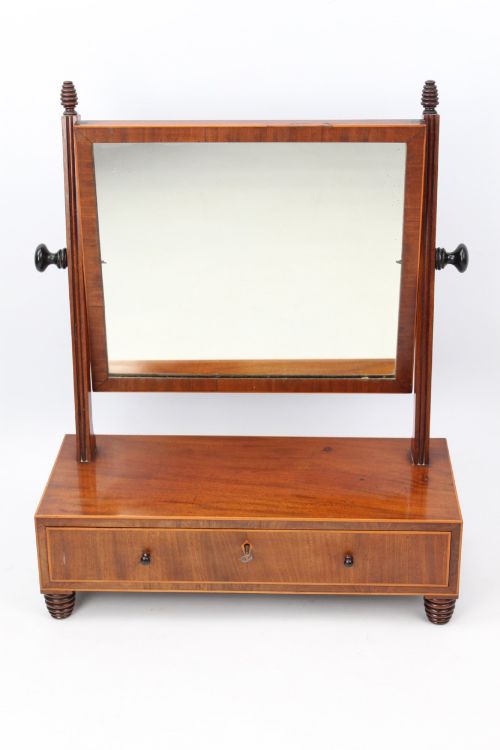
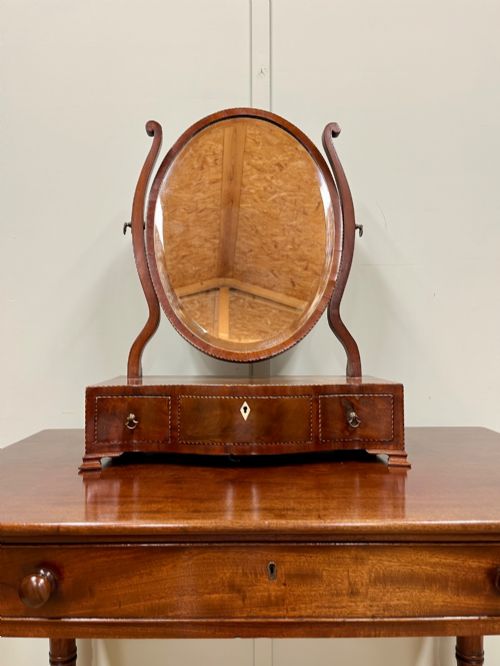
The version you are most likely to meet on this page is the Georgian or Victorian mahogany toilet mirror, often featuring small drawers integrated into the base box. These tabletop examples sit alongside larger floor-standing cheval mirrors from the Regency and Victorian eras in walnut, satinwood, and oak.
How they were made
Cabinetmakers constructed these pieces primarily using solid timbers like mahogany, walnut, and satinwood, frequently enhanced with decorative veneers, bone inlay, or brass mounts. Frames were jointed carefully to support the weight of the glass while allowing smooth pivoting action on side screws or swing-locks.
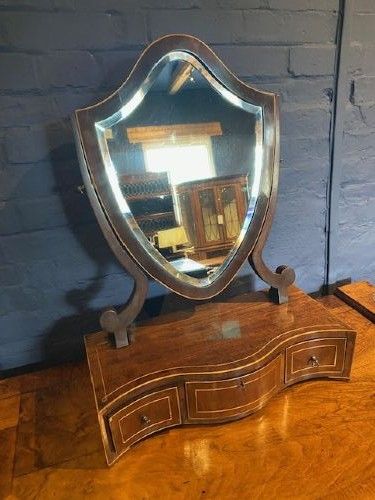
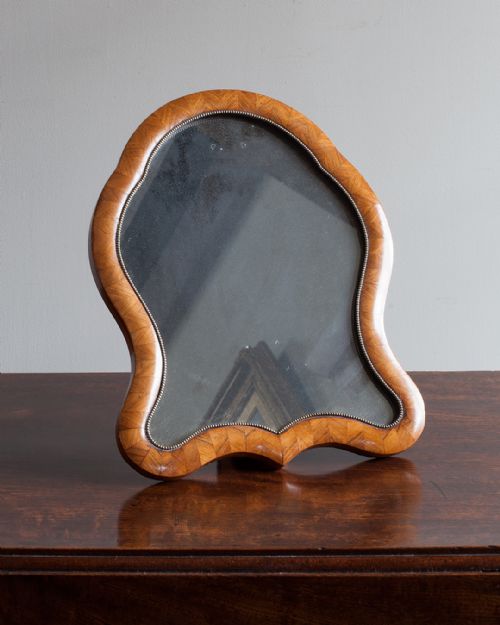
Mirrors utilised silvered glass plates secured behind bezels or frames, sometimes shaped into shields or ovals with hand-cut contours. Bases often incorporated small drawers constructed with dovetail joints to house personal trinkets and accessories.
Swing Dressing Mirror Retail Price Guide 2026
Typical asking prices for swing dressing mirror among the pieces listed under this phrase on Sellingantiques today, from the lower quarter to the upper quarter. They describe what is for sale here now, not the wider market.
Listings feature mahogany, walnut, satinwood, and oak across periods from Queen Anne to the Edwardian era.
What varies in quality
The standard of timber selection distinguishes pieces, with figured veneers, rich flame mahogany, and choice walnut marking the upper tier. Craftsmanship in the joinery, such as fine dovetailing on the base drawers and well-cast brass hardware, separates utilitarian examples from finer workshop productions.
Proportion and balance dictate the aesthetic success of a swing dressing mirror, where the weight of the frame aligns harmoniously with the dimensions of the base and support standards. Original mirror glass and well-preserved pivoting mechanisms add significantly to the integrity of a piece.
Heal And Sons·P And MA Nicholson·Gillow
The Swing Dressing Mirror Glossary
- Cheval mirror
- A large, freestanding floor mirror mounted in a frame that allows the glass to swing completely round on vertical pivots. The form became popular in the late 18th century for full-length attire checks.
- Toilet mirror
- A smaller tabletop dressing mirror, usually fitted with a base containing one or more small drawers. These pieces sat upon chests of drawers or dedicated dressing tables.
- Shield mirror
- A dressing glass cut into the shape of a heraldic shield, mounted upright on swinging pivots above a serpentine or bow-fronted box. This silhouette is particularly associated with late 18th-century Georgian design.
- Swing-lock
- A mechanical brass screw or pin fitted to the side standards that tightens to hold the tilting mirror glass at the desired angle. It allows the user to adjust the reflection easily.
Swing Dressing Mirror: Frequently Asked Questions
Where were swing dressing mirrors placed?
Tabletop versions rested securely on top of chests of drawers, sideboards, or dedicated dressing tables in bedrooms and dressing rooms. Floor-standing cheval mirrors occupied open floor space where they provided a full-length reflection.
Their portable nature meant they could be shifted to catch the best morning light near a window. They anchored the dressing area before fitted wardrobes with built-in mirrors became common.
How do I tell a Georgian mirror from a Victorian one?
Georgian mirrors generally display simpler, more restrained lines in solid mahogany or walnut, often with delicate ogee feet and subtle box joinery. Victorian examples frequently incorporate heavier proportions, richer flame grain veneers, and more ornate turnings or applied mouldings.
Later Victorian and Edwardian pieces may also feature factory-produced brass hardware and machine-cut dovetails. Looking at the secondary woods inside the drawers helps clarify the period of manufacture.
How do the pivoting mechanisms work?
The glass frame hangs between two upright posts by means of metal screw pins or threaded bolts set into the sides. Tightening these side screws fixes the glass at the preferred angle for the user.
Older pieces rely on brass swing-locks or threaded pegs that require manual adjustment. Keeping these pivots lightly lubricated ensures smooth tilting without straining the surrounding wood frame.
Can I use a tabletop mirror on a modern chest?
A tabletop swing mirror sits easily on modern flat surfaces, provided the depth of the base matches the furniture underneath. Their traditional proportions often complement contemporary rooms by adding warm timber tones and practical height.
They require no permanent installation, making them simple to move or reposition whenever needed. Ensure the surface is stable and level to support the weight safely.