


Mahogany Floor Mirror
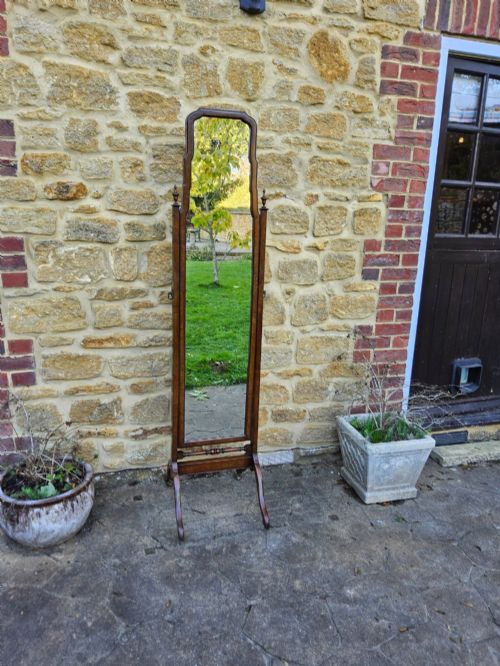
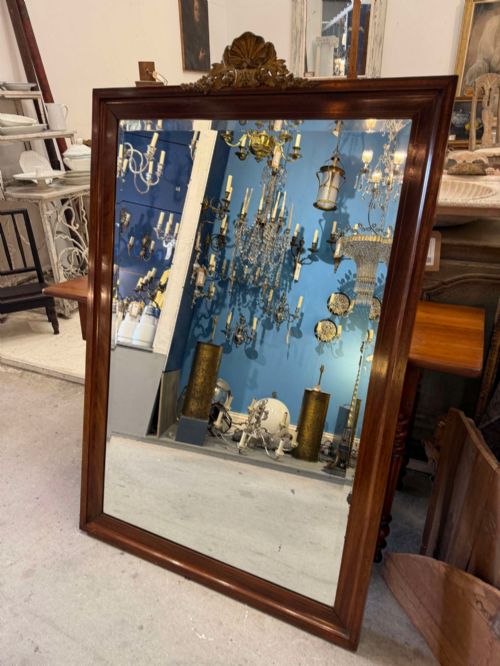
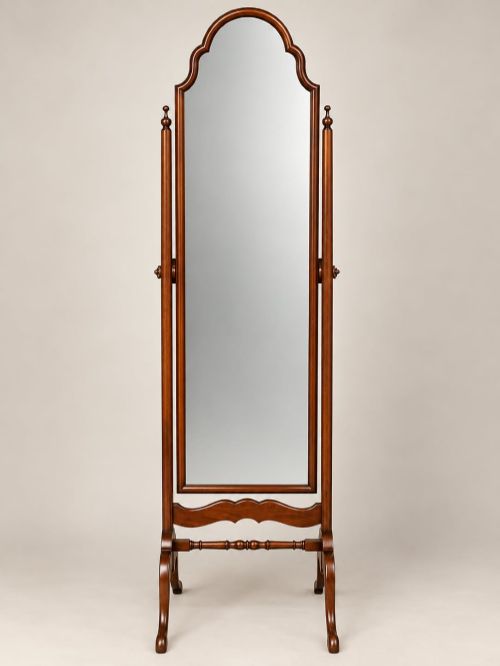
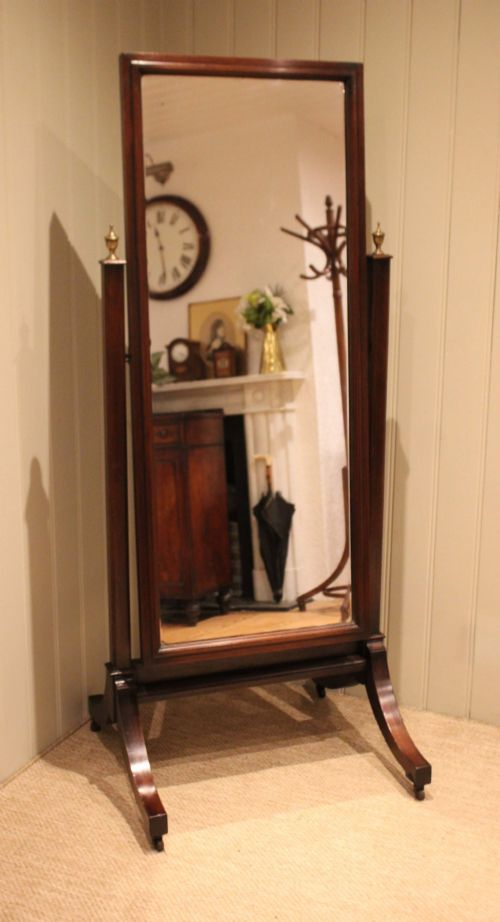
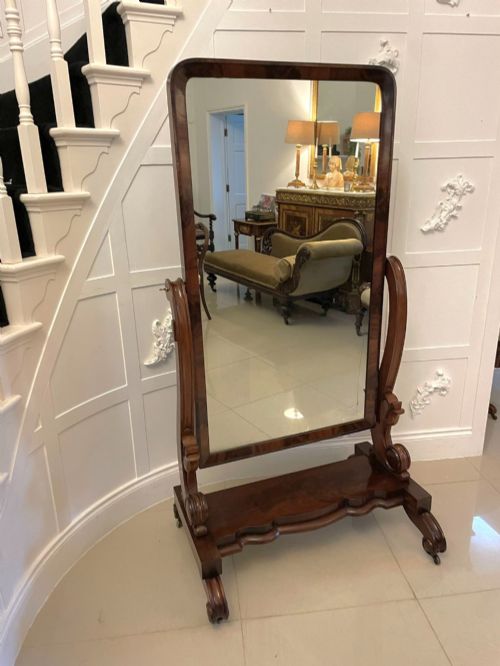
A mahogany floor mirror brings height and a warm timber frame to a room, offering a full-length reflection through a pivoting glass plate.
Mahogany Floor Mirror
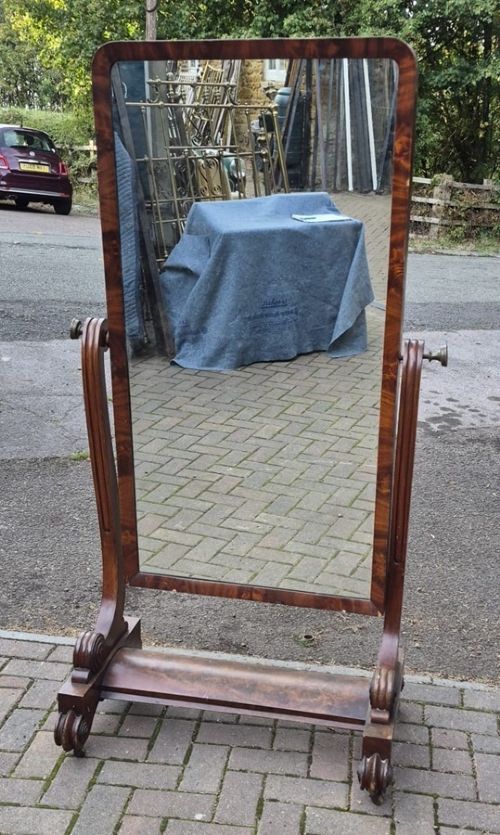
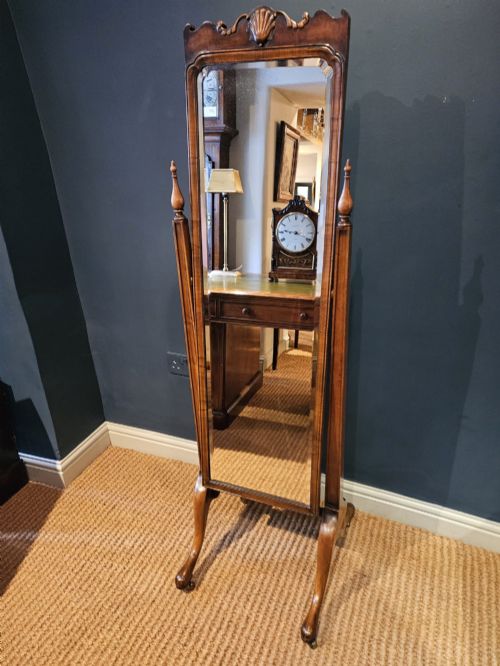
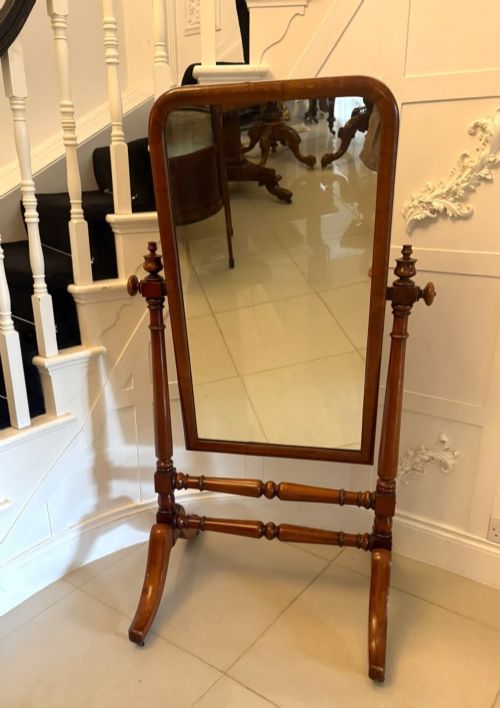
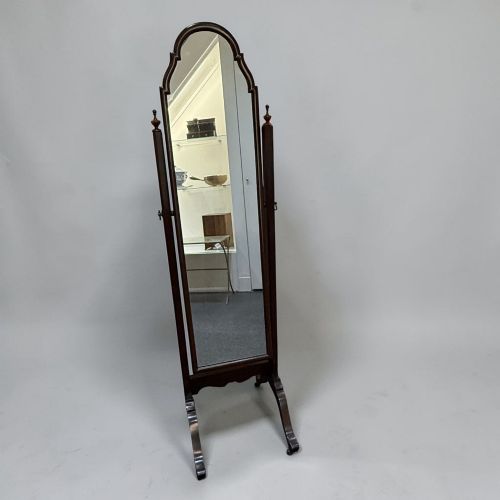
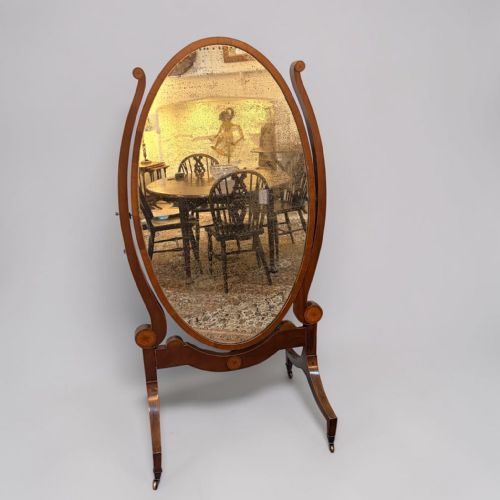
When you search for a mahogany floor mirror, you encounter freestanding cheval mirrors and tall standing dressing glasses designed to tilt within a stable frame. These pieces span the nineteenth and early twentieth centuries, drawing on Regency, Victorian, and Edwardian design traditions.
The versions most common on this page are Victorian and nineteenth-century cheval mirrors, often featuring substantial upright supports and adjustable plates. Alongside full-length standing mirrors, you also find smaller shaving stands and specialised dressing mirrors constructed for similar daily use.
How they were made
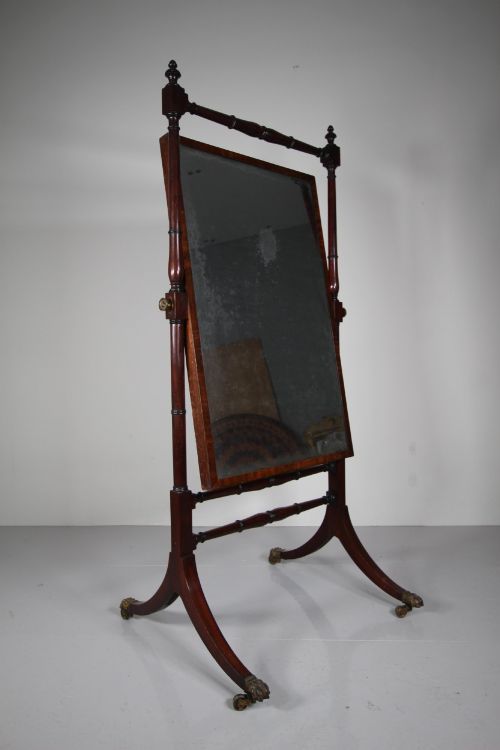
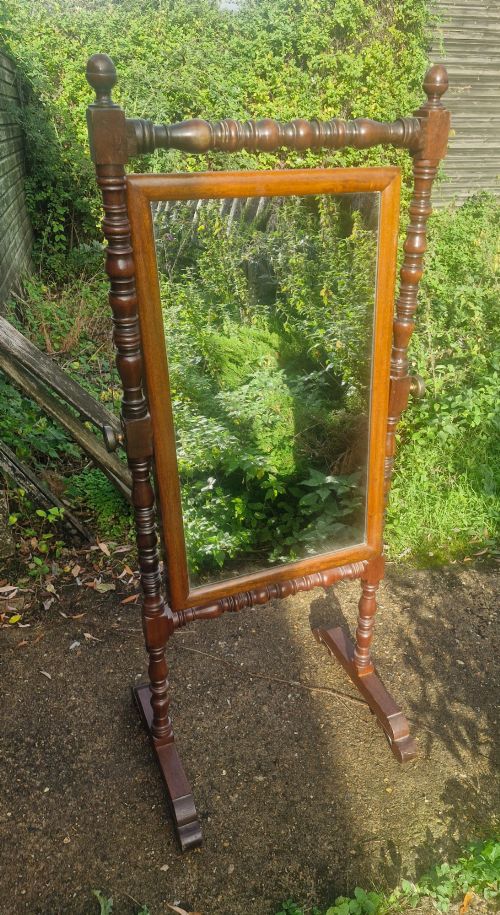
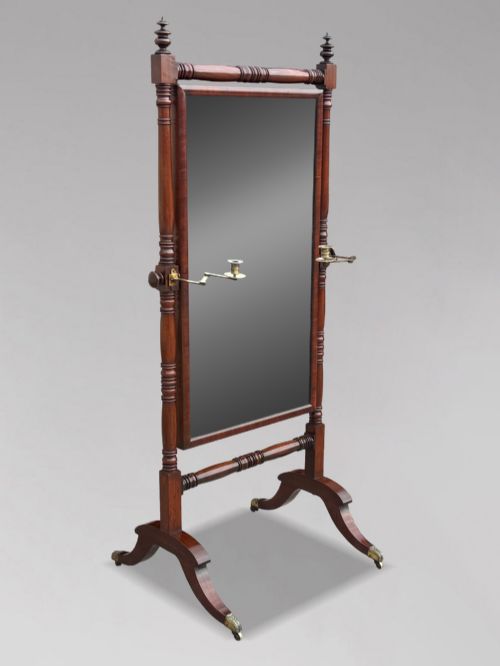
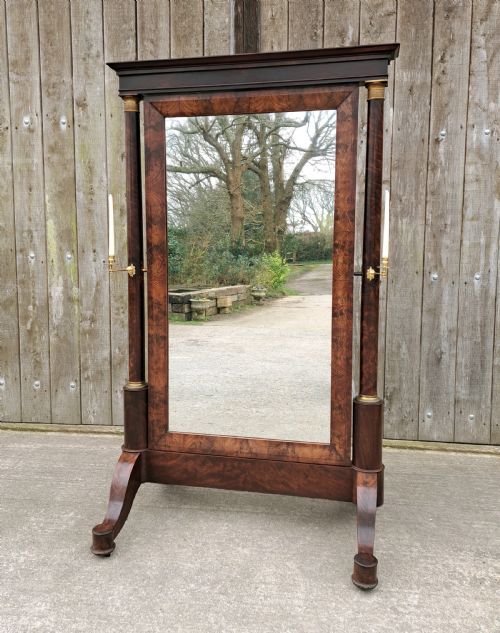
Cabinet makers utilised solid mahogany and flame mahogany veneers over secondary timbers, building sturdy uprights supported by scroll feet, sabre legs, or barley twist columns. Brass castors, candle sconces, and pivoting peg hardware provide the functional joints and mounts.
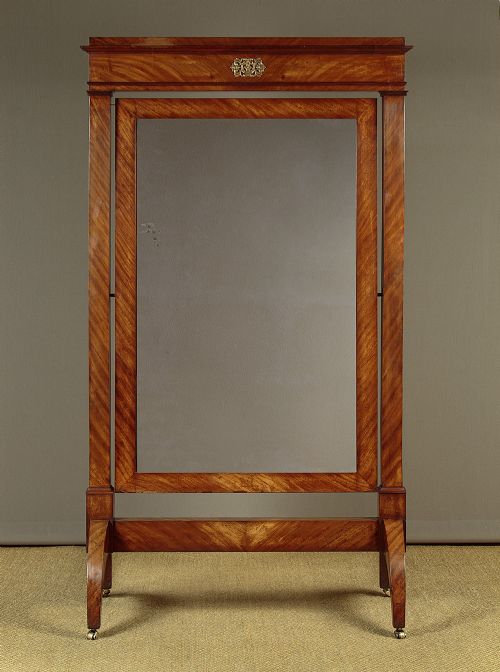
The mirror glass itself sits within a rebated frame, suspended on brass or iron pivots that allow the plate to tilt smoothly to the desired angle. Marquetry inlay, ormolu mounts, and carved detailing appear on select examples to accent the timber grain.
Mahogany Floor Mirror Retail Price Guide 2026
Typical asking prices for mahogany floor mirror among the pieces listed under this phrase on Sellingantiques today, from the lower quarter to the upper quarter. They describe what is for sale here now, not the wider market.
Listings feature mahogany, glass, brass, and walnut, spanning periods from the eighteenth-century Louis XVI style through Regency, Victorian, and Edwardian eras.
What varies in quality
The distinction between standard domestic pieces and top-tier examples lies in the selection of timber and the crispness of the joinery. Figured flame mahogany, substantial brass sabots, and finely turned or carved structural supports indicate superior workshop execution.
Proportion and stability separate finer floor mirrors from simpler utilitarian versions. A well-balanced frame supports a heavy glass plate without excessive wobble, maintaining smooth movement on its pivots over decades of adjustment.
Gillows
The Mahogany Floor Mirror Glossary
- Cheval mirror
- A large floor-standing mirror suspended on a frame that allows the glass to swing or tilt. This form became popular in the late eighteenth century for full-length dressing.
- Flame mahogany
- A veneer cut from the fork of the mahogany tree where the branch meets the trunk. It creates a distinctive, swirling flame-like pattern across the timber surface.
- Sabre leg
- A curving, outward-sweeping furniture leg of concave section, typical of Regency design. They often terminate in brass sabots and castors.
- Barley twist
- A spiral turning resembling a twist of barley sugar, used on the vertical support columns of Victorian furniture. This decorative technique adds texture and visual weight.
- Ormolu
- Gilt bronze ornamentation applied to furniture and mirrors during the eighteenth and nineteenth centuries. It provides metallic contrast against dark mahogany surfaces.
Mahogany Floor Mirror: Frequently Asked Questions
What is a cheval mirror?
A cheval mirror is a freestanding floor mirror suspended on a central frame with pivots, allowing the entire glass plate to tilt back and forth.
First appearing around the late eighteenth century, the design gives a full-length view and was traditionally kept in bedrooms or dressing rooms.
How do I date a mahogany floor mirror?
Dating relies on stylistic clues like leg shape, framing details, and pivot hardware. Regency examples often feature sabre legs, while Victorian versions frequently employ barley twists or heavy platform bases.
Timber choice also provides context, as highly figured flame mahogany and specific veneer thicknesses align with distinct manufacturing periods.
Are these mirrors heavy to move?
Most of these floor mirrors possess solid timber frames and thick glass plates, giving them considerable weight. Many period examples include original brass castors on the feet to help reposition them across floorboards.
When shifting them, it is best to support both the base and the upright frame to protect the pivot joints.
Can I tilt the mirror glass?
The pivoting mechanism lets you adjust the angle of the glass plate to suit your height and position in the room. Metal thumbscrews or wooden peg nuts on the side arms can be tightened to hold the plate securely at your chosen tilt.