


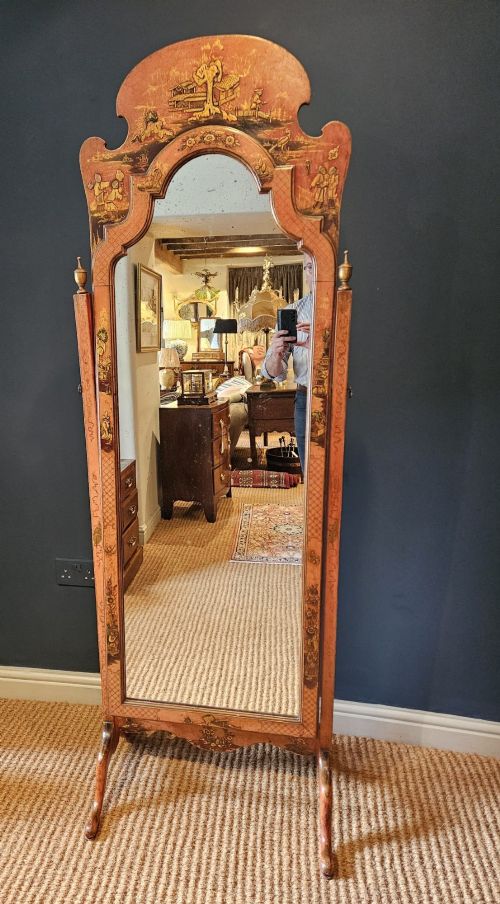
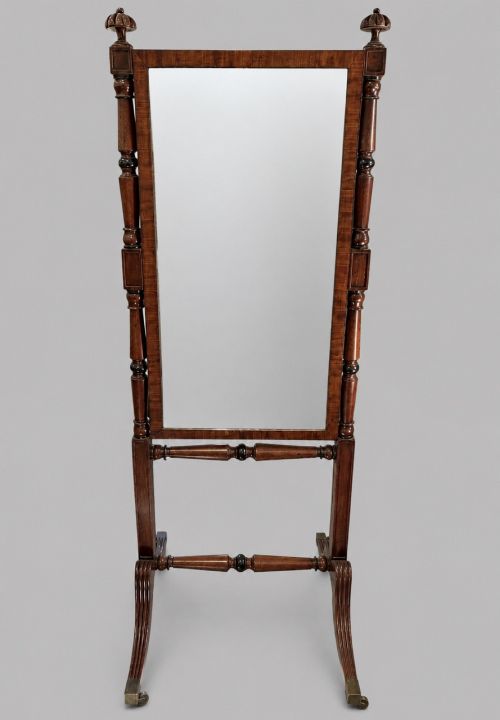
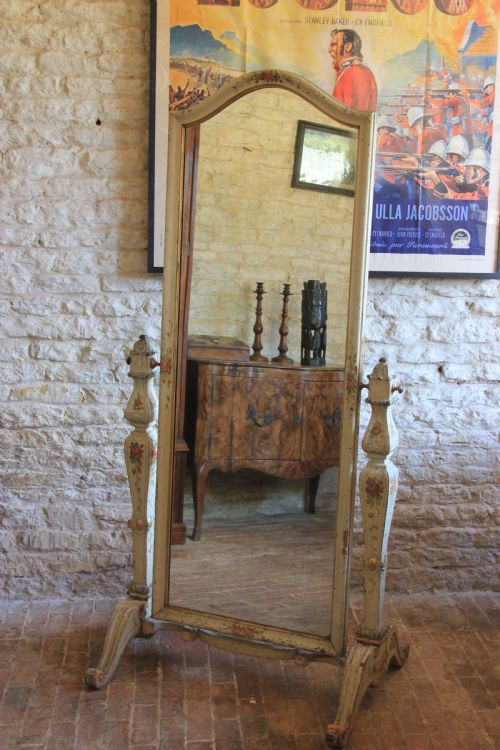
Tilting Floor Mirror
A tilting floor mirror offers a full-length reflection framed in mahogany, oak or brass, combining practical dressing utility with period elegance.
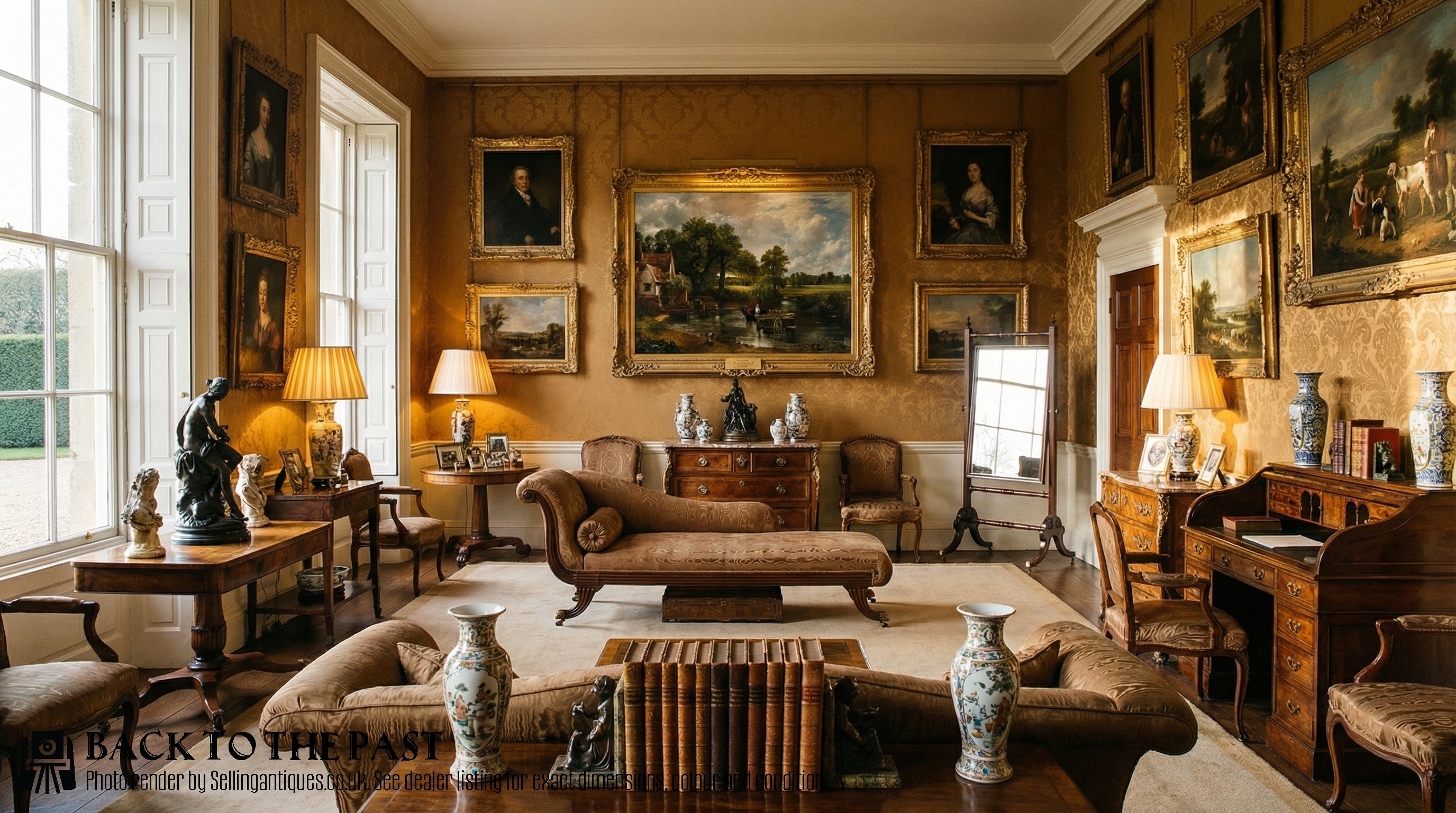
Tilting Floor Mirror
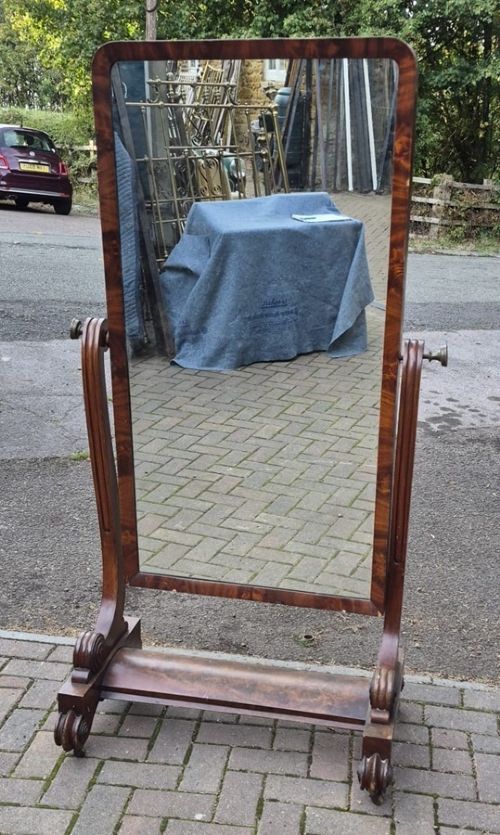
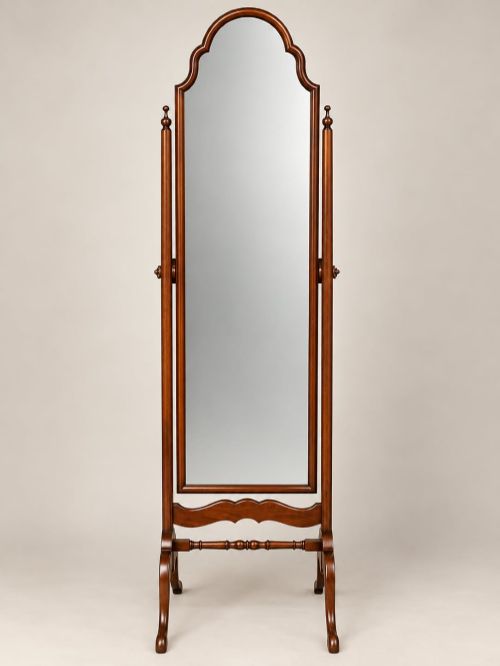
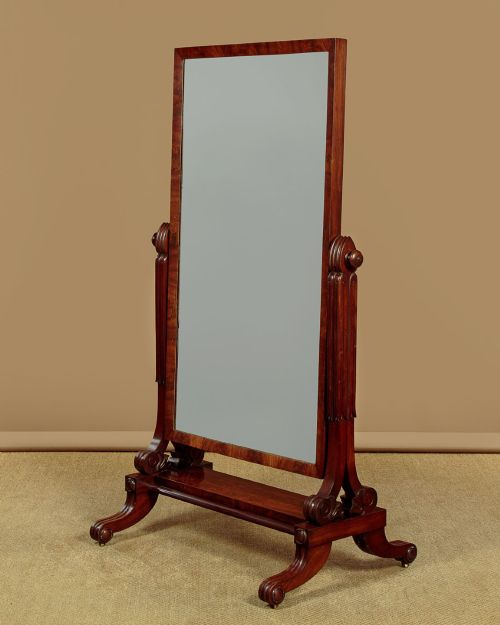
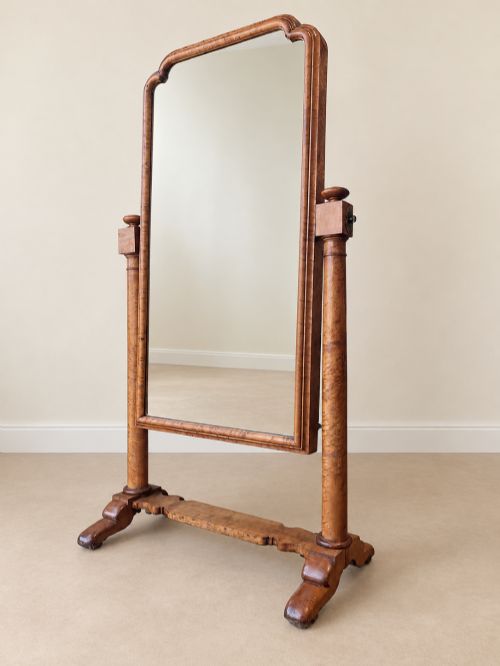
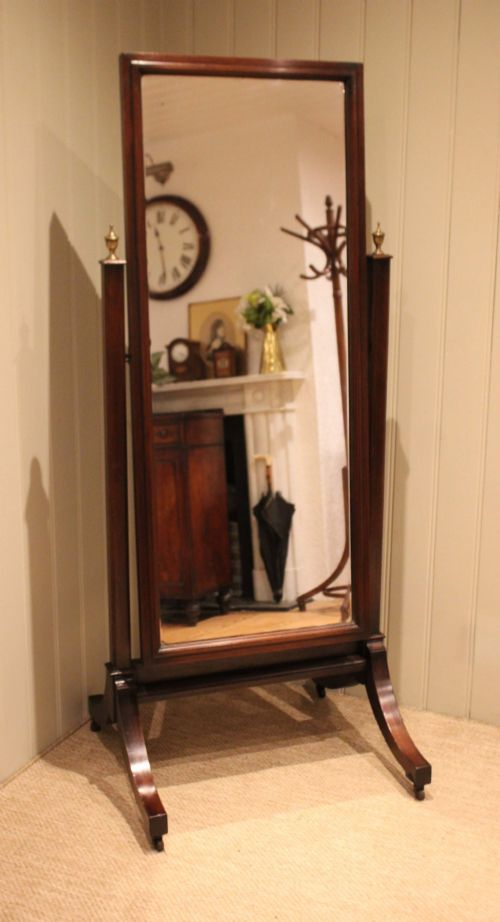
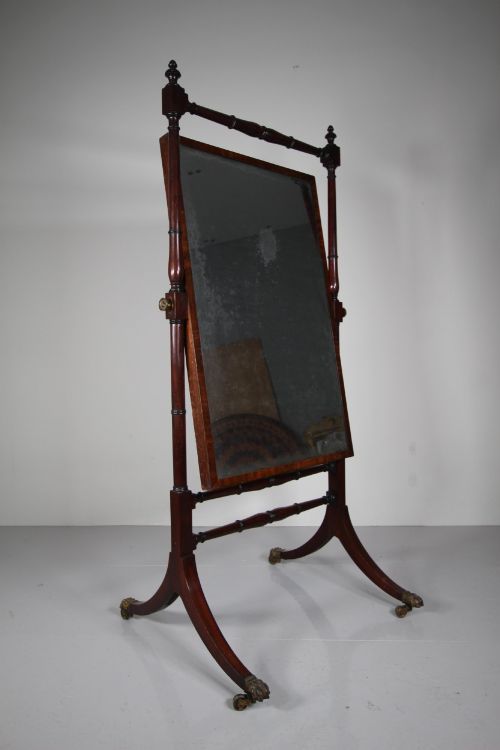
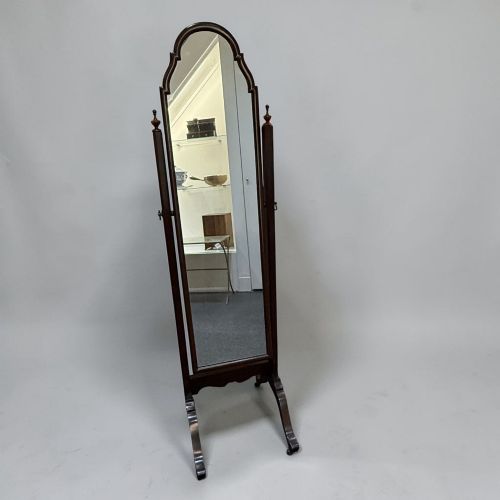
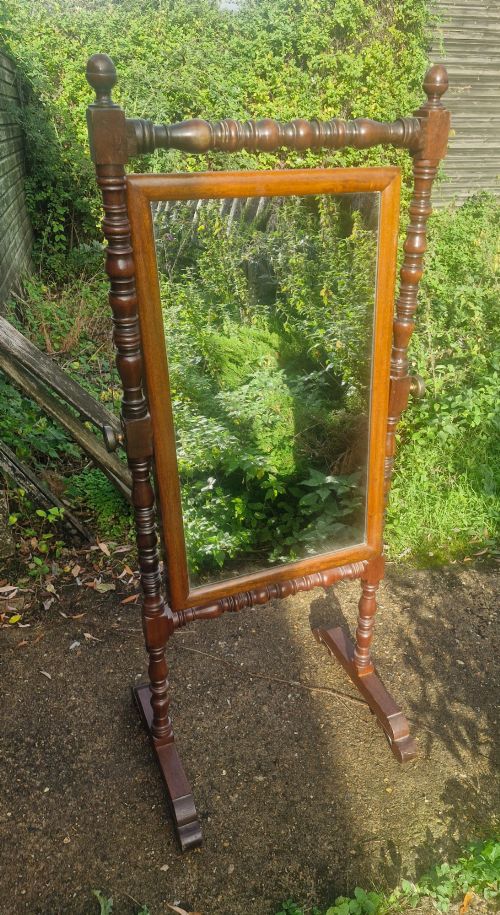
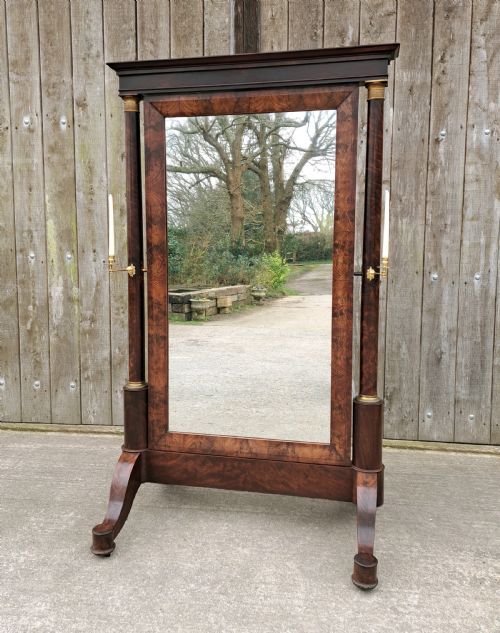
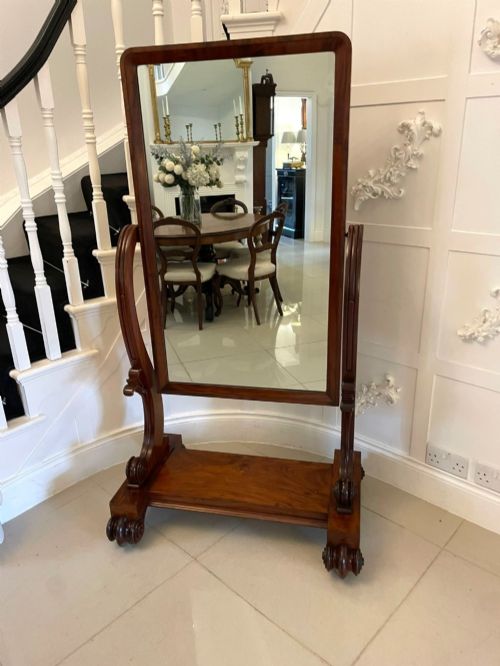
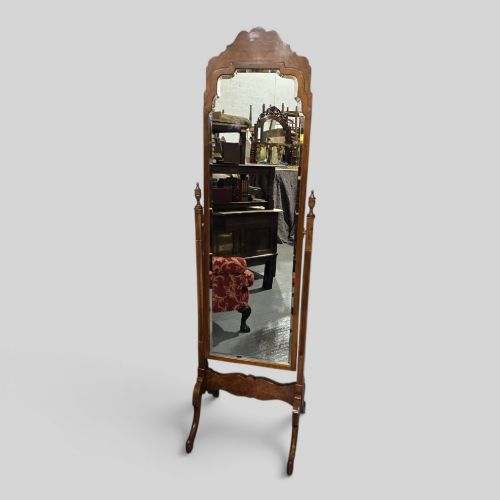
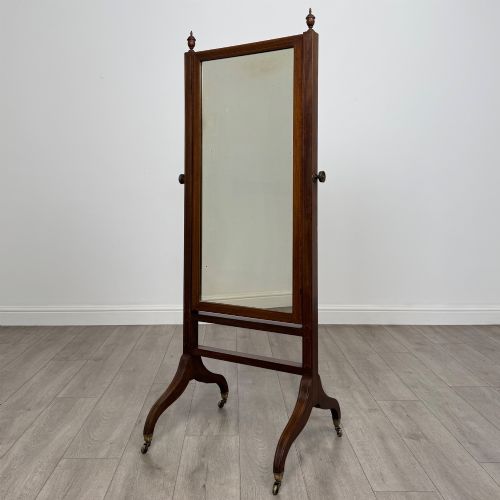
A tilting floor mirror, often called a cheval mirror, provides a full-length view supported by a freestanding frame with pivoting pivots. The examples seen here predominantly date from the nineteenth and twentieth centuries, spanning the Regency, Victorian and Edwardian eras.
Mahogany forms the primary timber for these pieces, complemented by occasional oak frames and brass mounts. The designs range from architectural Regency proportions to lighter Edwardian interpretations and substantial Victorian forms.
How they were made
Cabinet makers constructed the uprights and bases from dense hardwoods like mahogany and oak, turning structural supports and securing joints with traditional woodworking methods. Brass brackets, pins and screws held the glass frame securely while allowing smooth rotation.
Mirror glass was set into rebated frames, backed by protective panels and hung on pivoting side screws or pins that enabled the user to adjust the angle of the glass.
Tilting Floor Mirror Retail Price Guide 2026
Typical asking prices for tilting floor mirror among the pieces listed under this phrase on Sellingantiques today, from the lower quarter to the upper quarter. They describe what is for sale here now, not the wider market.
Listings span the nineteenth and twentieth centuries, featuring mahogany and oak woods alongside brass hardware.
What varies in quality
Quality rests in the choice of timber and the sophistication of the frame's turning and joinery. Fine examples display carefully selected grain figures, robust brass fittings and balanced proportions that steady the pivoting glass without wobble.
Simpler pieces exhibit plainer secondary woods and utilitarian construction, whereas pieces attributed to notable makers show refined detailing in the scrollwork, brass mounts and overall cabinet work.
Waring and Gillow
The Tilting Floor Mirror Glossary
- Cheval mirror
- A freestanding full-length mirror suspended on a frame with side pivots. This allows the glass to tilt back and forth for adjustable viewing.
- Tilt dressing glass
- A smaller or full-length pivoting mirror traditionally used for grooming and dressing. It sits within a supportive stand or frame.
- Regency
- An architectural and decorative style dating from the early nineteenth century. It is characterised by classical restraint, clean lines and fine mahogany timbers.
- Edwardian
- A stylistic period spanning the early twentieth century up to the First World War. Furniture from this era often adopts lighter proportions and draws on earlier Georgian and Regency motifs.
Tilting Floor Mirror: Frequently Asked Questions
What is a tilting floor mirror?
A tilting floor mirror is a freestanding glass plate suspended within a wooden frame on pivots. These pivots allow the user to tilt the angle of the reflection.
They were designed primarily for bedrooms and dressing rooms to provide a full-length view.
How do I date a mirror?
Dating relies on observing the timber species, construction methods and stylistic details of the frame. Regency pieces often feature bold mahogany forms, while Edwardian versions tend to be lighter.
Hardware such as brass pins and brackets also offers clues to the period of manufacture.
Where should I place one?
These mirrors suit bedrooms, dressing rooms or hallways where full-length reflections are useful. Their freestanding nature means they require adequate floor space without needing wall fixings.
Positioning them near natural light helps brighten the room while serving their practical purpose.
What woods were used?
Mahogany is the predominant timber found in these pieces, particularly across Regency and Victorian examples. Oak also appears, notably in later Edwardian pieces.
These hardwoods provided the structural strength needed to support heavy glass plates.