

Vintage Cheval Mirror
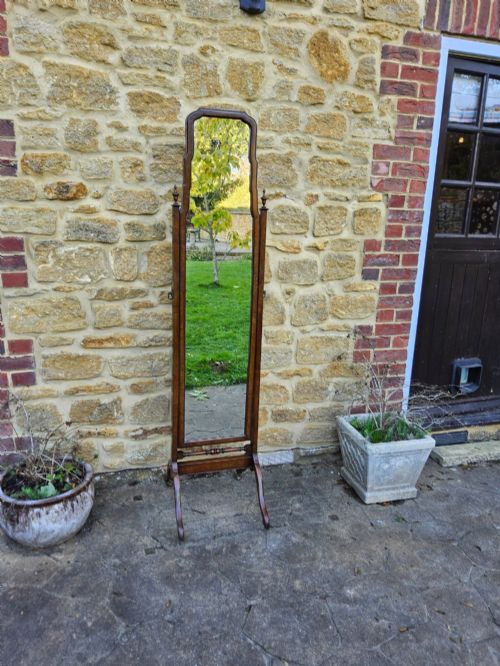
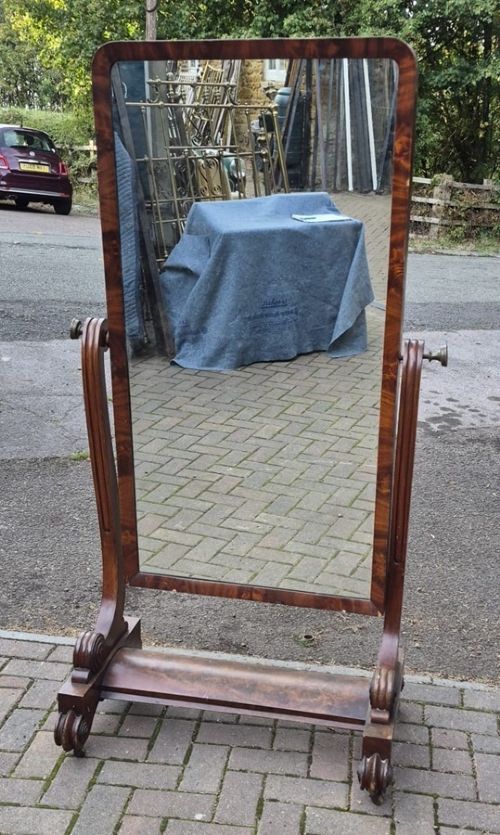
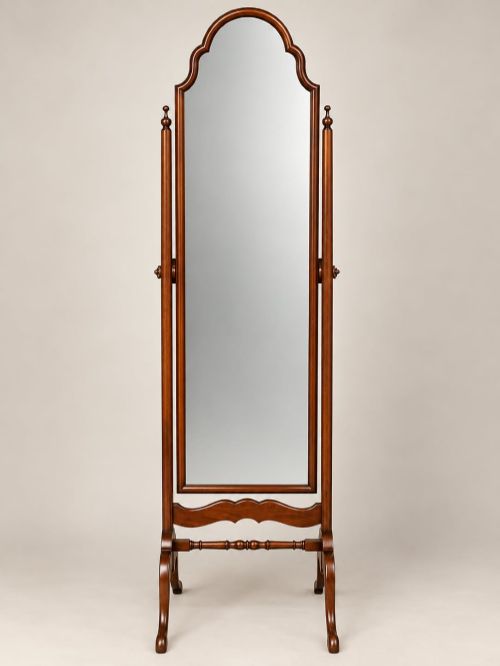
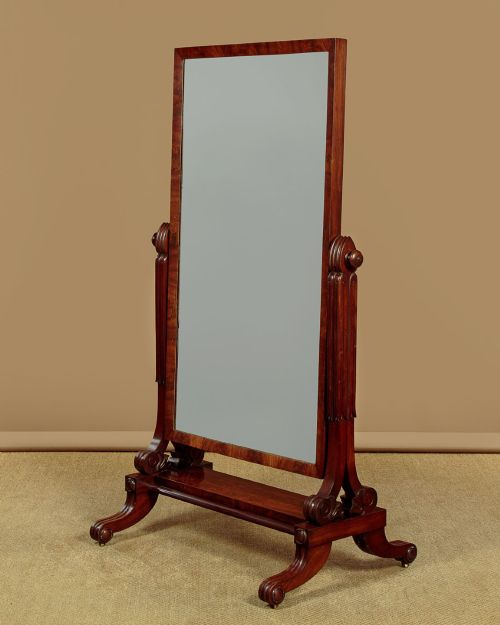
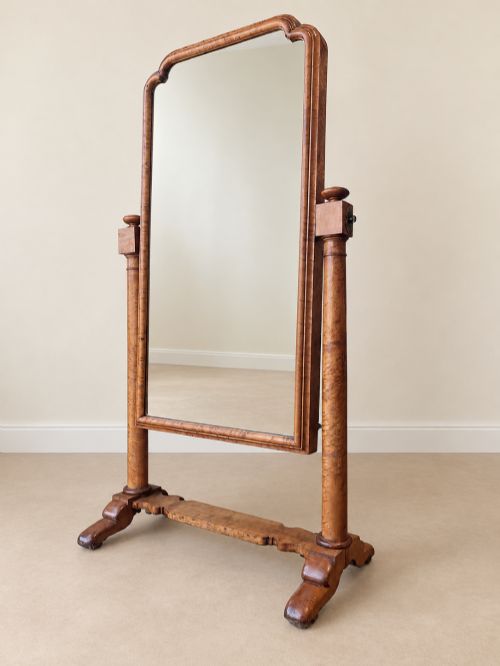
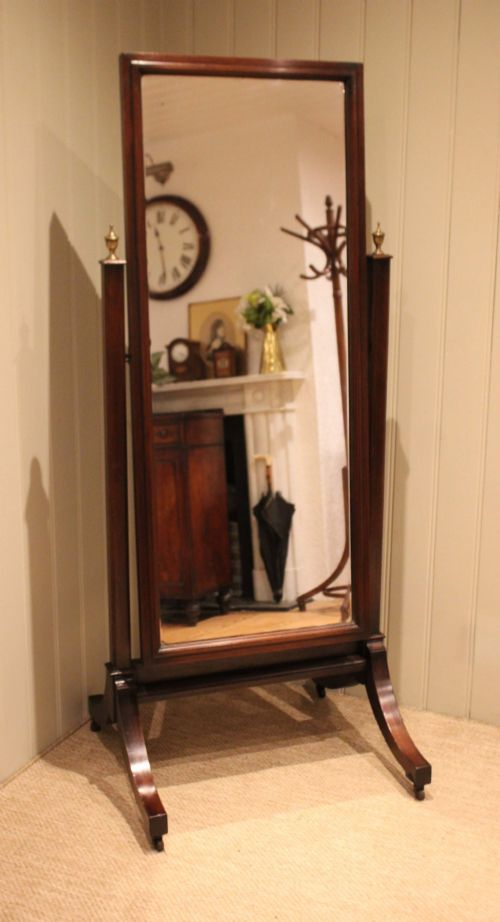
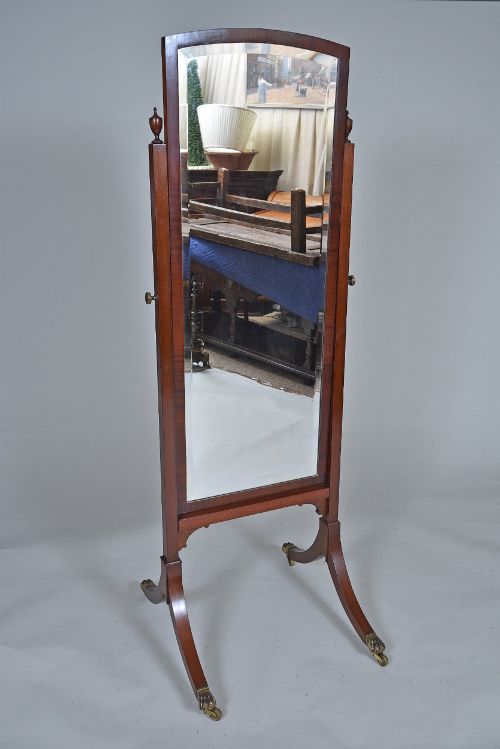
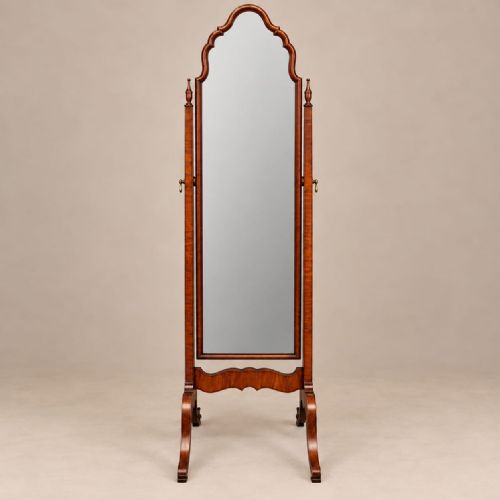
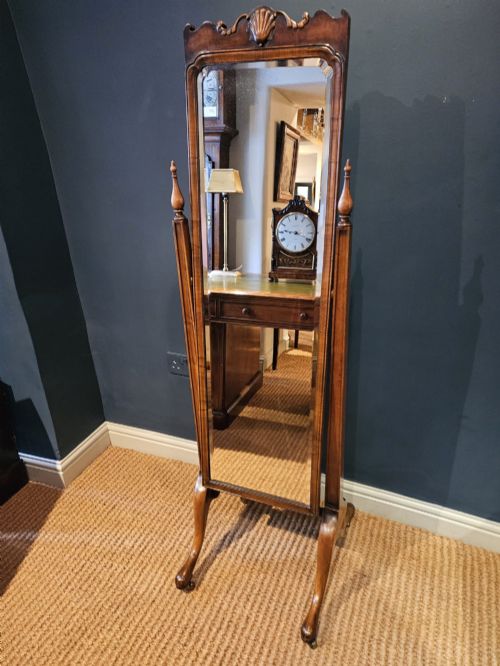
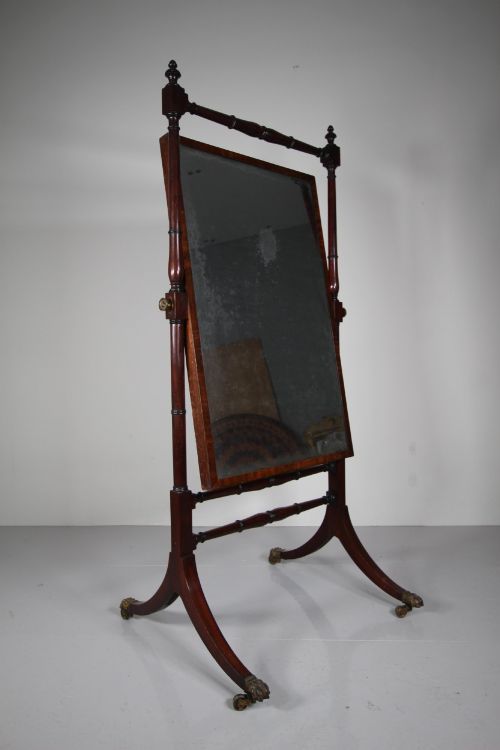
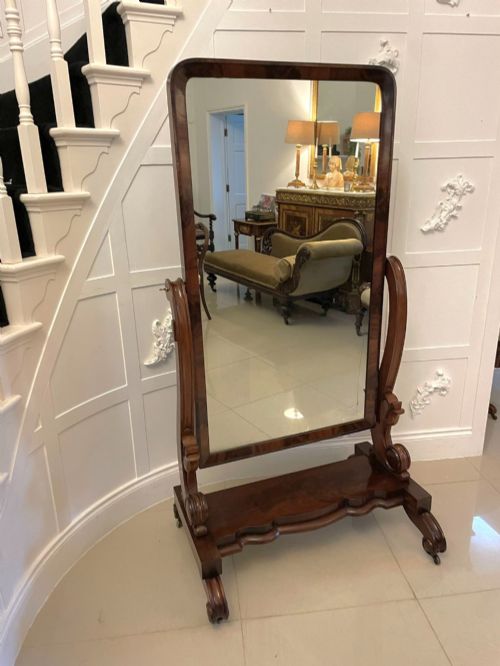
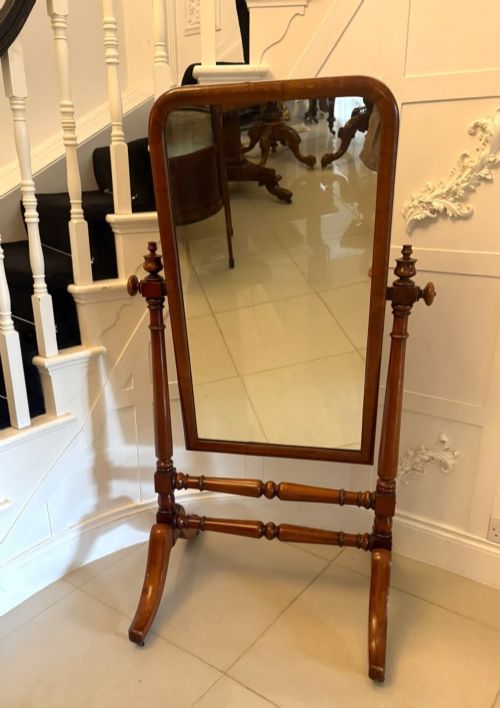
A vintage cheval mirror stands independently on a floor frame, offering a full-length reflection crafted primarily in mahogany during the nineteenth and early twentieth centuries.
Vintage Cheval Mirror
When you search for a vintage cheval mirror, you encounter freestanding full-length glasses designed to pivot within upright floor frames. These pieces originate across the nineteenth and twentieth centuries, spanning Victorian, Edwardian, and Regency periods alongside later 1920s interpretations.
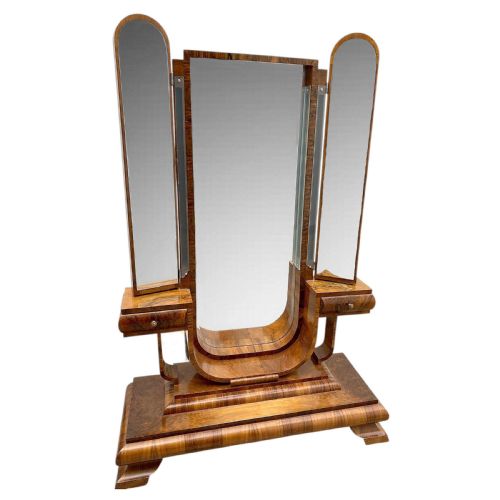
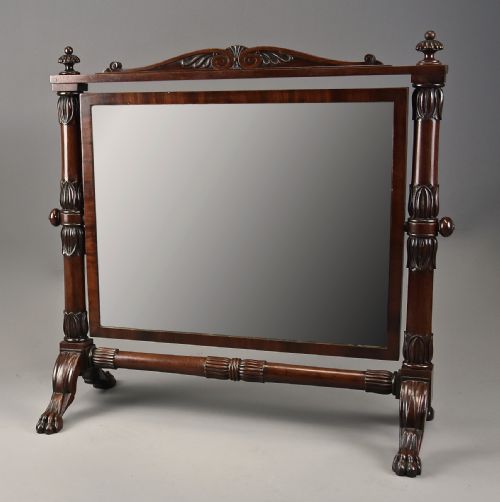
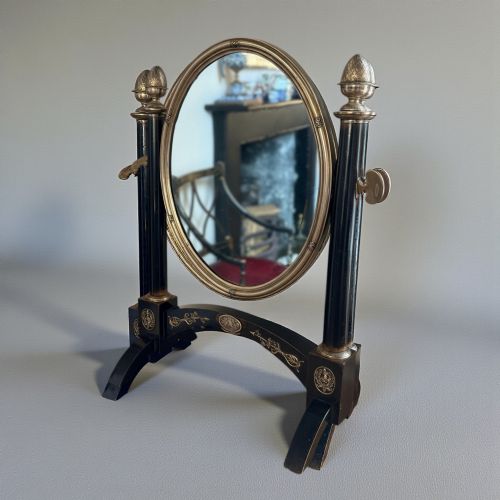
Mahogany predominates among the surviving pieces on this page, appearing alongside walnut, giltwood, and satinwood. Alongside large floor-standing cheval mirrors, the selections include smaller table mirrors and dressing table mirrors fitted with drawers or swing frames.
Origin points range from English workshops to French and Italian makers, incorporating styles from Queen Anne revivals to Chinoiserie decoration and Gothic influences.
Materials and Construction
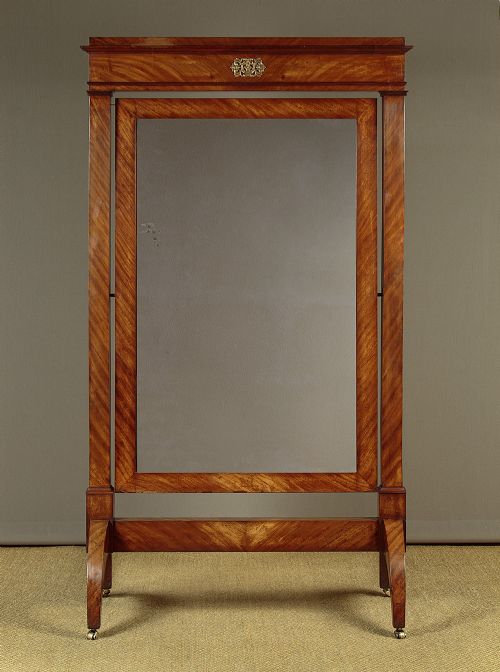
Cabinetmakers utilised solid timbers and veneers, predominantly mahogany and walnut, building robust upright standards supported by sturdy floor feet or sabre legs. Brass details such as sabots, castors, and pivot hardware frequently anchor the moving frame.
Glass plates rest within adjustable swing frames, secured by threaded brass knobs that allow the mirror to tilt to various angles. Decorative touches include inlay work, barley twist supports, and carved giltwood highlights.
Vintage Cheval Mirror Retail Price Guide 2026
Typical asking prices for vintage cheval mirror among the pieces listed under this phrase on Sellingantiques today, from the lower quarter to the upper quarter. They describe what is for sale here now, not the wider market.
Listings feature woods including mahogany, walnut, satinwood, and giltwood across Victorian, Edwardian, and Regency periods.
Assessing Quality
Subtleties of timber selection and joinery separate standard examples from finer works, particularly where figured flame mahogany or burr walnut veneers are chosen. The weight and finish of the brass castors and pivot mechanisms indicate the original maker's investment in hardware.
Proportion and stability dictate the merit of a floor-standing frame, ensuring the upright supports bear the weight of the heavy glass plate without warping. Superior carving, inlay precision, and secondary wood choices reveal the standard of workshop execution.
P & MA Nicholson
The Vintage Cheval Mirror Glossary
- Cheval glass
- A large freestanding mirror mounted on a pivoted frame that allows it to swing vertically. This design permits a full-length view of the person dressing.
- Sabots
- Metal shoes or caps fitted to the foot of a furniture leg. They protect the timber base and often incorporate brass castors for smooth movement.
- Barley twist
- A turning technique resembling a twisted rope or barley stalk. It appears on the vertical support columns of many nineteenth-century frames.
- Swing mirror
- A glass plate suspended on pivots between two upright posts. This mechanism lets the user tilt the reflective surface at different angles.
- Flame mahogany
- Timber cut from the fork of the mahogany tree to create a distinctive flickering flame pattern. Cabinetmakers prized this grain for prominent display surfaces.
Vintage Cheval Mirror: Frequently Asked Questions
What is a cheval mirror?
A cheval mirror is a full-length glass set into a freestanding frame that pivots on vertical pins. This allows the user to tilt the mirror plate to check their attire from head to toe.
Unlike wall-mounted glasses or small dressing table mirrors, these pieces stand directly on the floor using supportive legs or a sturdy base.
How do I date a mirror?
Dating relies on timber choices, construction methods, and stylistic details associated with periods like the Victorian, Regency, or Edwardian eras. Mahogany and walnut predominated in different decades alongside shifts from saber legs to barley twist supports.
Examining the fixings, backboards, and plate glass characteristics helps confirm the period of manufacture.
Where should I place it?
These freestanding mirrors suit bedrooms, dressing rooms, or hallways where full-length reflections are practical. Position them near natural light sources to brighten the surrounding space.
Ensure the floor surface is level so the pivoting frame operates smoothly without straining the side supports.
How do I adjust the frame?
Most frames use brass pivot screws or threaded knobs on either side of the mirror plate. Loosening these fittings allows you to tilt the glass to your preferred angle before tightening them again.
Regularly check these metal fixtures to ensure they remain secure and support the weight of the glass safely.