
19th Century Floor Mirror
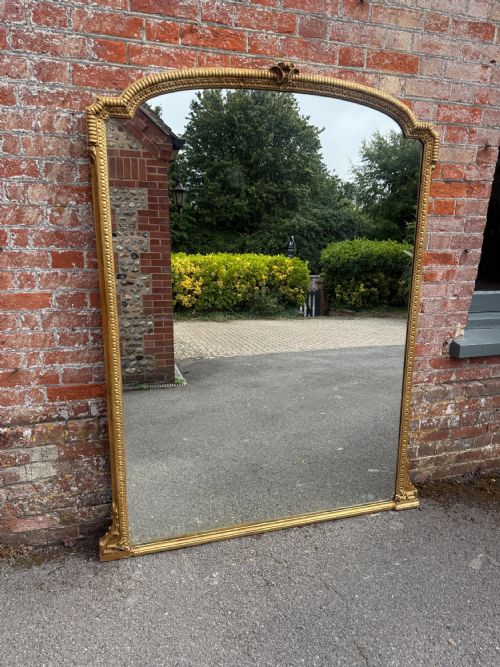
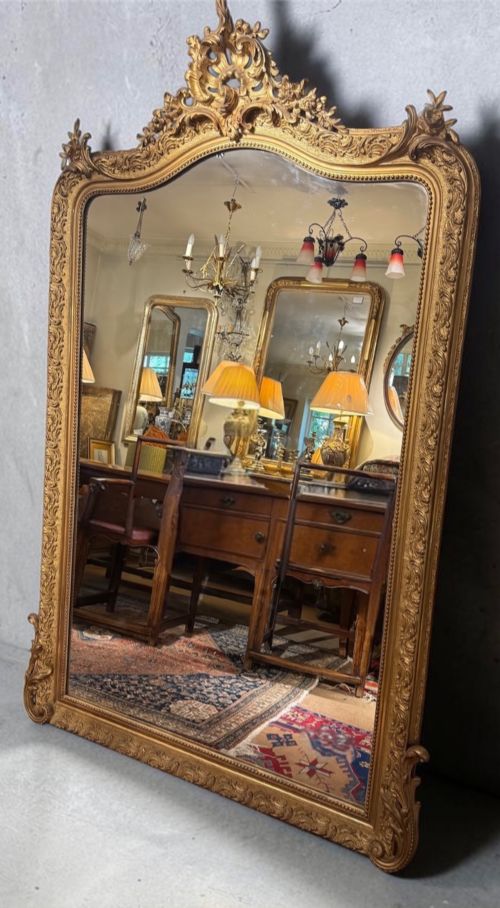
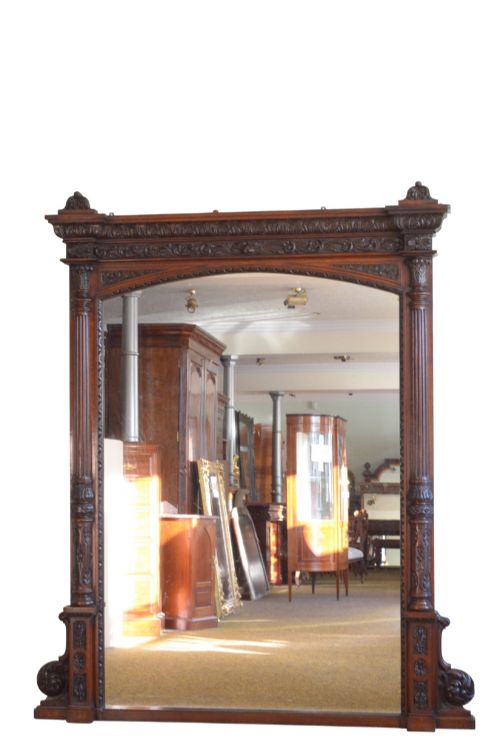
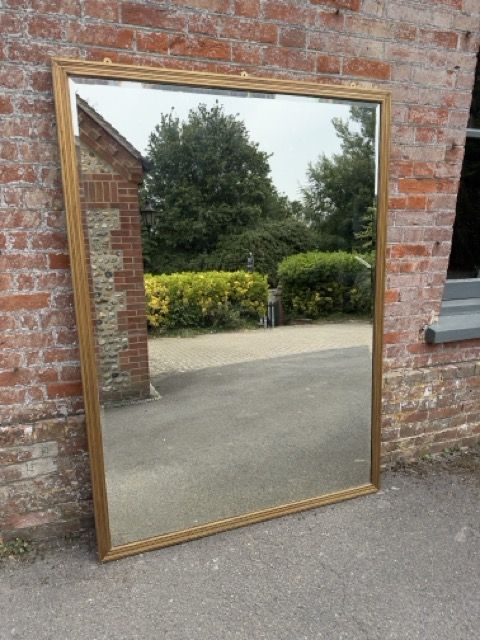
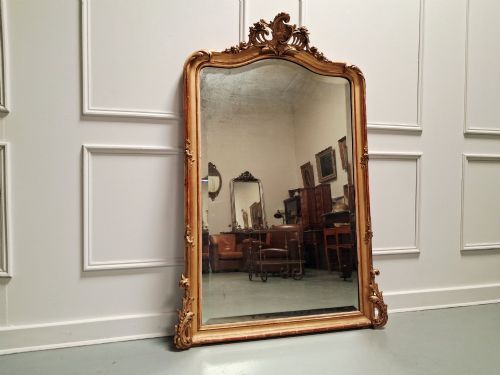
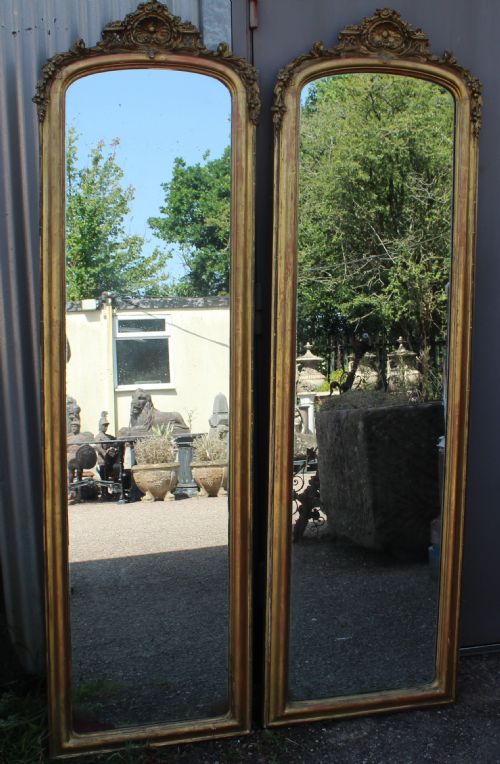
These large 19th century floor mirror examples bring scale and natural light into a room through grand frames.
What a 19th century floor mirror is
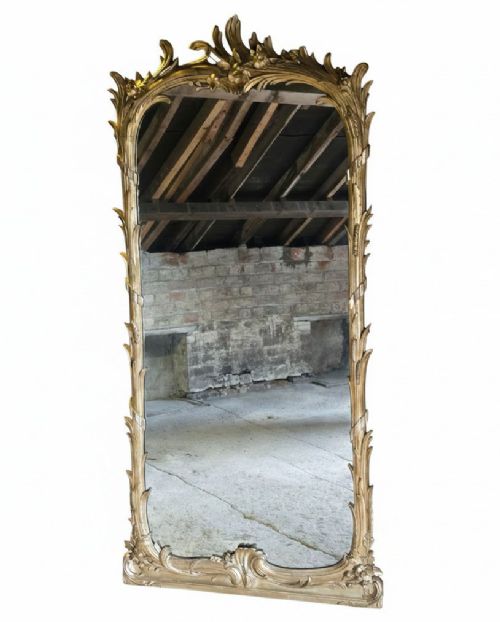
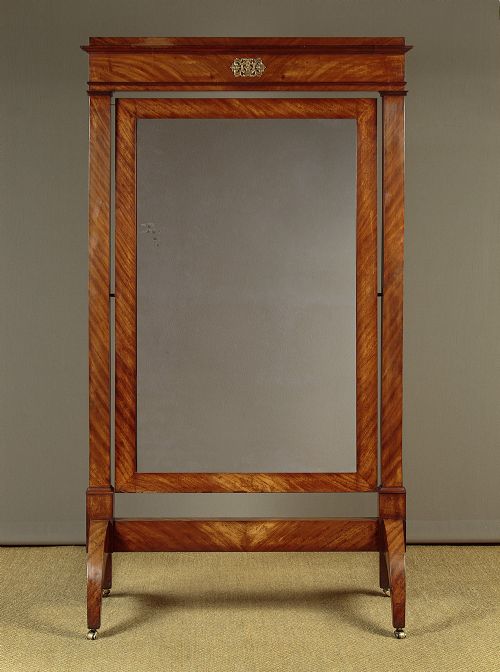
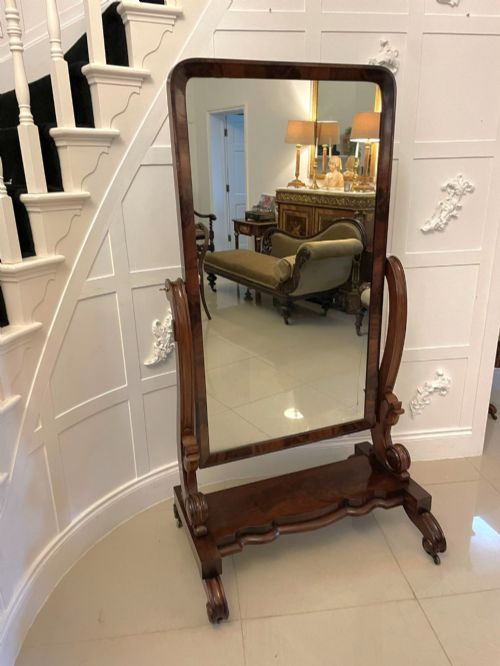
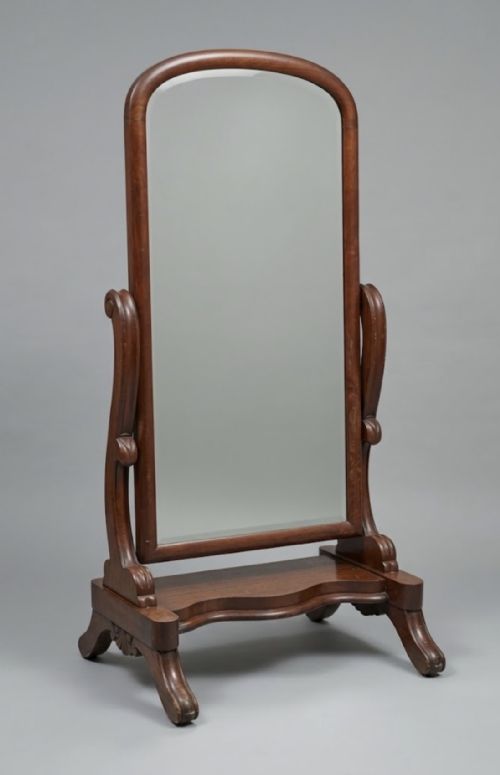
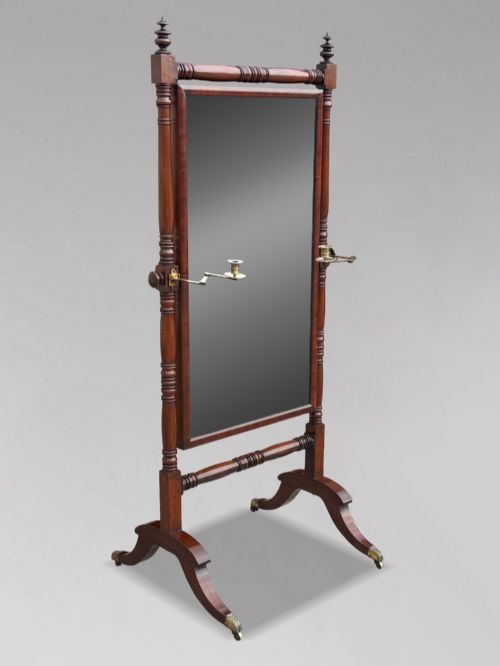
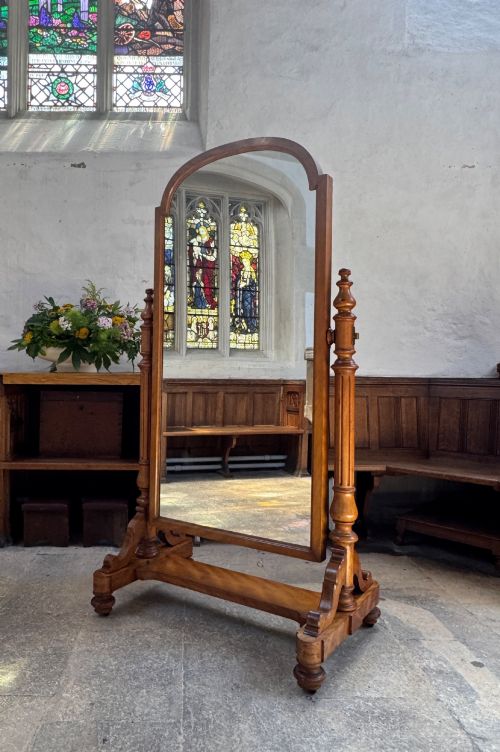
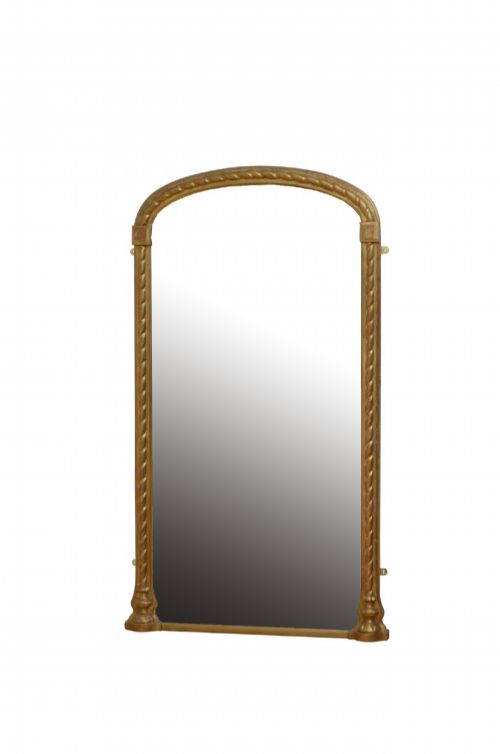
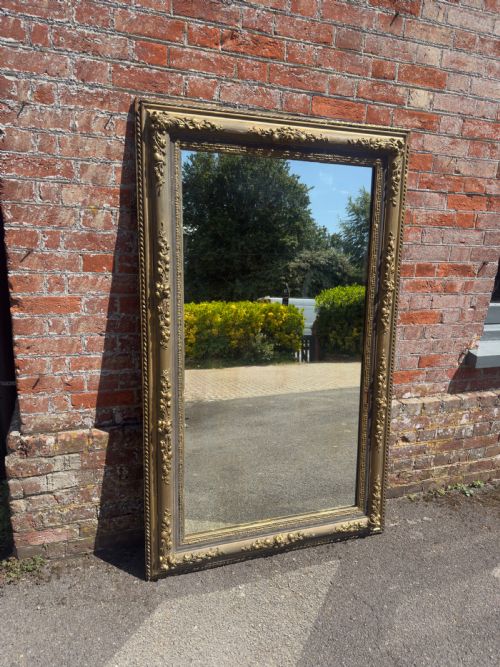
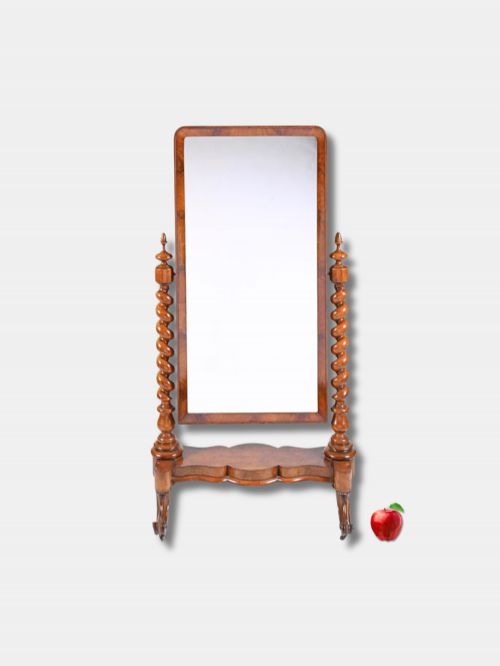
When you search for a 19th century floor mirror, you are looking at substantial full-height looking glasses designed to stand independently or lean against a wall. The most common forms you will encounter on this page are cheval mirrors, which feature a pivoting frame supported by upright pillars, and large leaner or wall-standing mirrors.
The pieces listed now and in the archive span the nineteenth century, including specific dates around eighteen thirty and eighteen seventy. Originating from workshops across Britain, France, and Italy, these mirrors served both practical dressing purposes and grand decorative functions in hallways, bedrooms, and reception rooms.
How they were made
Frames are constructed from timber foundations such as mahogany, satinwood, walnut, carved oak, and painted timber, then finished with applied gesso and giltwood or silver-gilt leaf. Cabinetmakers shaped these woods using traditional joinery techniques to support the heavy weight of large glass plates.
Metals such as brass appear in the pivoting hardware, hinges, and candle sconces attached to freestanding cheval frames. The glass itself is silvered and often retains original crests, bevelling, or patination accumulated over the decades.
Retail Price Guide 2026
Typical UK retail prices for 19th century floor mirror, calculated from the Sellingantiques database of over a million retail prices indexed since 2003. This retail price guide relies exclusively on Sellingantiques data; no external sources or auction records are used, so the figures do not describe the wider market.
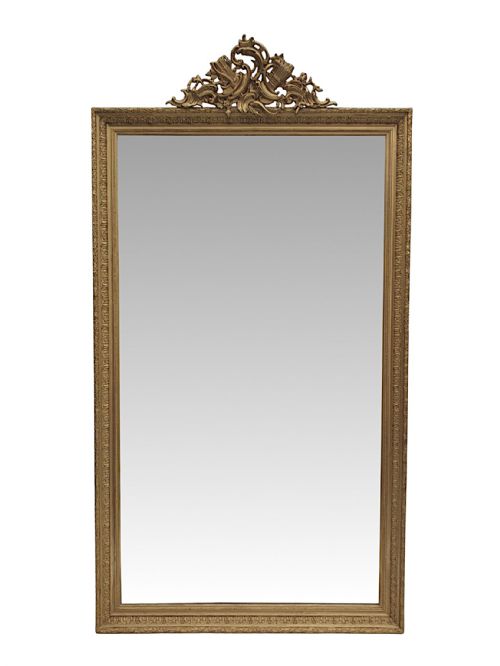
Site listings show nineteenth-century floor mirrors executed in French Rococo Revival, Italian Country, Neoclassical, Regency, and William IV styles.
What varies in quality
The distinction between standard examples and top-tier pieces lies in the depth and crispness of the wood carving and the quality of the original gilding. Master carvers created intricate neoclassical, rococo revival, or William IV motifs directly into the timber and gesso rather than relying on simpler moulded compositions.
Structural integrity also separates the range, particularly in how well the pivoting mechanism of a cheval frame holds its weight or how securely the original mirror plate sits within its rebated frame. Original crests, untouched silvering, and secondary woods of high grade elevate an individual mirror.
Charles Nosotti
The 19th Century Floor Mirror Glossary
- Cheval mirror
- A freestanding full-length mirror mounted on a vertical frame with pivots that allow the glass to tilt. This form became popular in the nineteenth century for bedroom dressing.
- Giltwood
- Timber carved and coated with a thin layer of gold leaf over a prepared gesso ground. It provides a bright reflective surface that catches interior candlelight and daylight.
- Gesso
- A plaster-like mixture applied to wooden frames as a smooth base for gilding or painting. Artisans carved intricate decorative details directly into this layered surface.
- Neoclassical
- A revival style drawing inspiration from classical antiquity. It emphasises symmetry, restrained ornamentation, and architectural motifs.
Frequently Asked Questions
How do I secure a heavy floor mirror?
Large nineteenth-century mirrors are exceptionally heavy and require proper anchoring to prevent tipping, especially freestanding cheval designs or tall leaner mirrors placed directly against a wall.
Most leaning mirrors include or require discreet wall brackets or safety straps attached to the upper frame to ensure stability on floor surfaces.
What is the difference between a cheval and a leaner mirror?
A cheval mirror is a self-supporting piece featuring a central glass plate hung on pivots between two vertical floor posts. You can tilt the glass angle as needed for dressing.
A leaner mirror is a fixed-frame looking glass designed to stand flat against a wall, often secured at the top to support its full-height proportions.
How do I clean nineteenth-century mirror glass?
Historic mirror plates often feature original silvering that can be delicate or degraded around the edges. Clean the glass gently using a soft microfibre cloth and a mild, ammonia-free solution.
Avoid spraying liquid directly onto the glass edges where moisture might seep behind the plate and damage the original backing.
How do I identify a William IV mirror?
William IV mirrors date from around the eighteen thirties and typically display heavy, solid mahogany frames with restrained classical proportions. They often feature robust architectural elements without the extreme ornamentation of later Victorian revival styles.
Look for dense timber construction, fine grain patterns, and structural joinery characteristic of early nineteenth-century British cabinetmaking.