


Antique Psyche Mirror
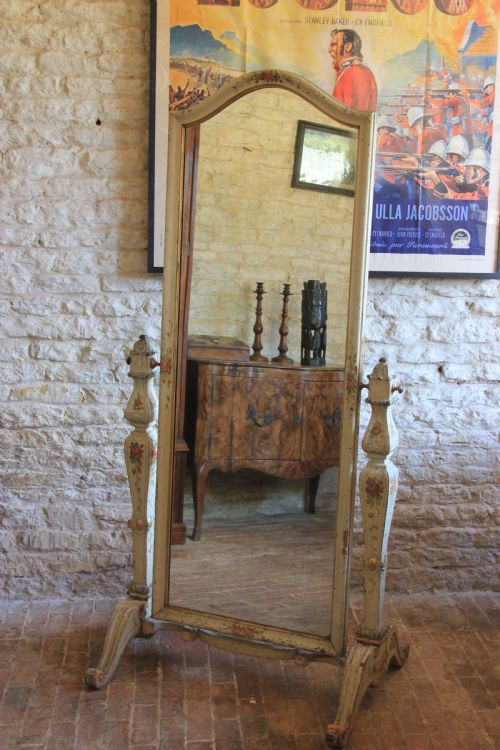
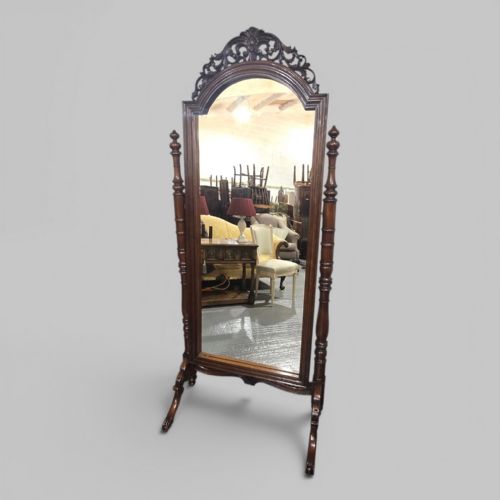
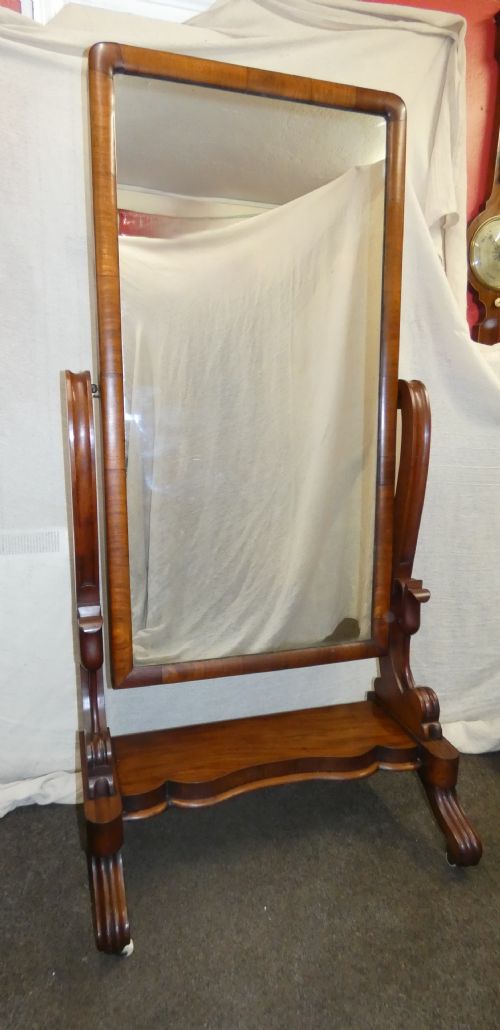
An antique psyche mirror swings in a freestanding frame to catch the light, offering a full-length reflection that anchors a dressing room.
Antique Psyche Mirror
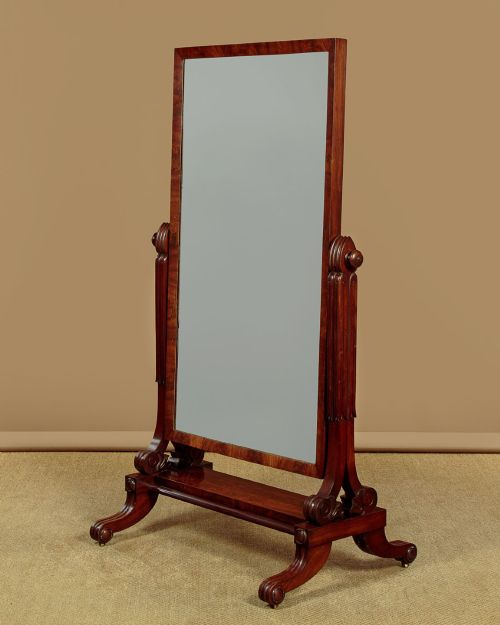
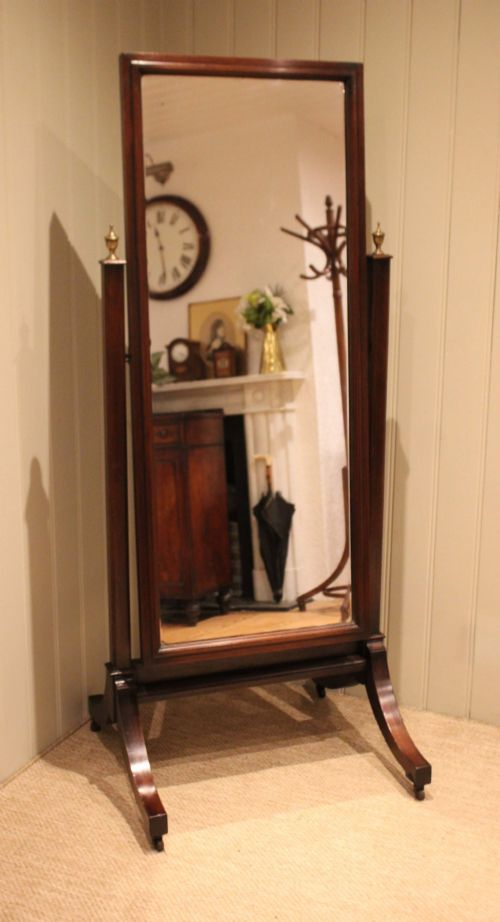
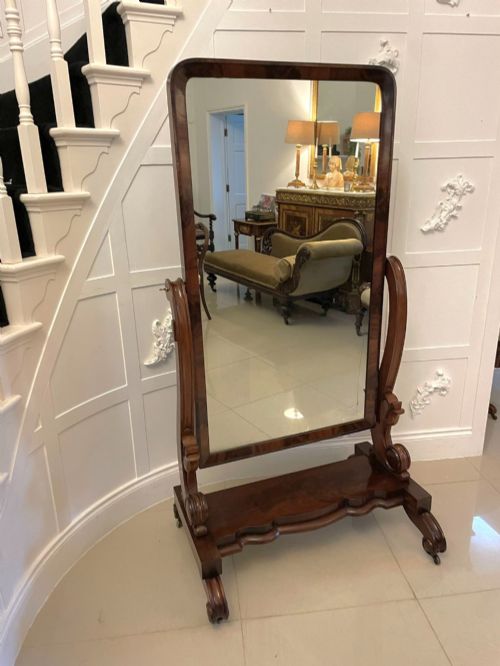
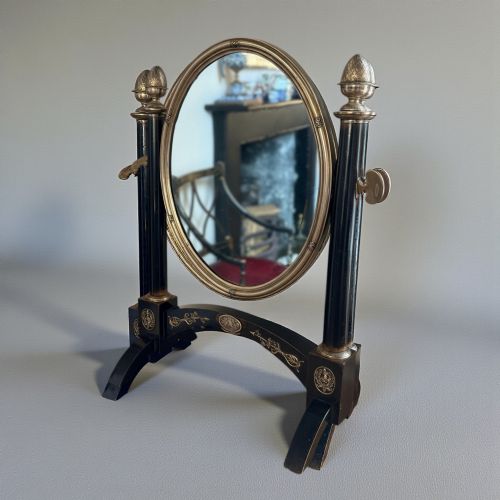
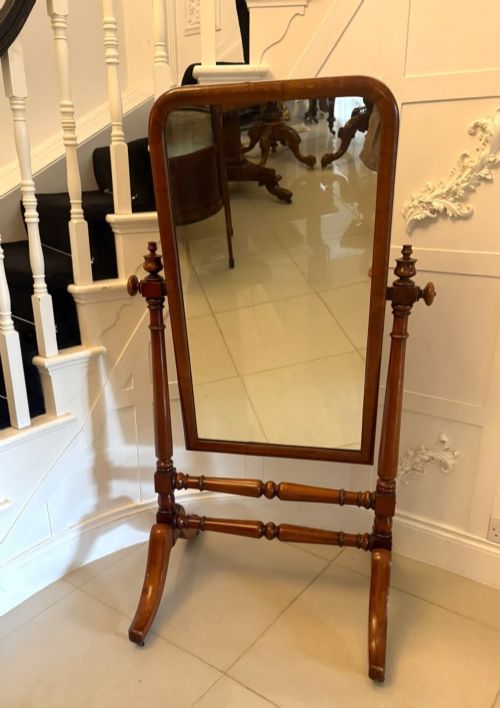
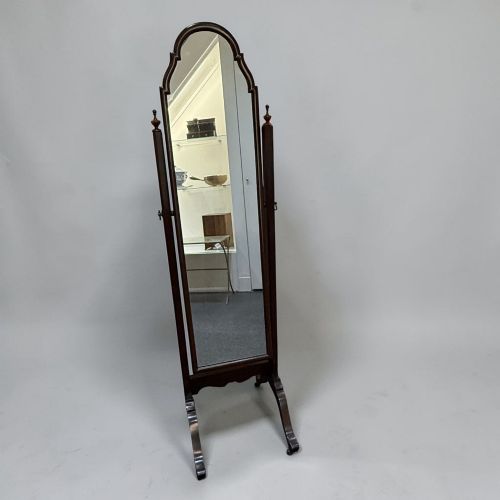
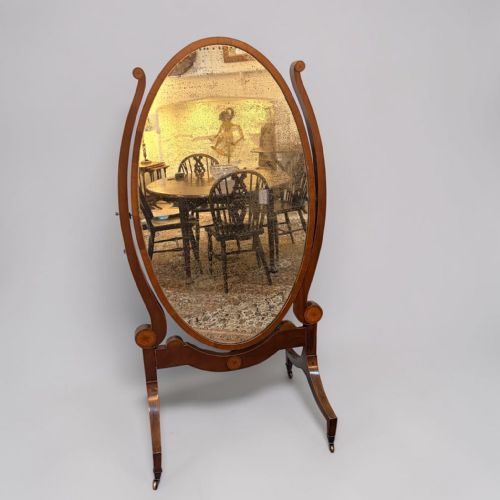
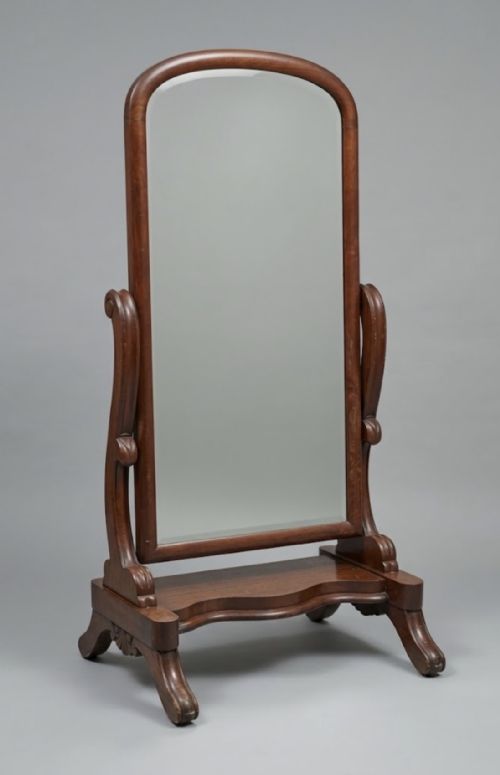
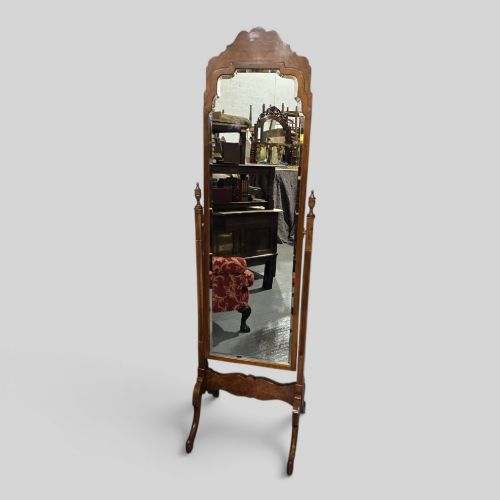
When you search for an antique psyche mirror, you are looking at tall, freestanding swing glasses designed for full-length dressing, often known in the trade as cheval mirrors. The versions you are most likely to meet on this page date predominantly from the nineteenth century, spanning the Regency, William IV, and Victorian periods.
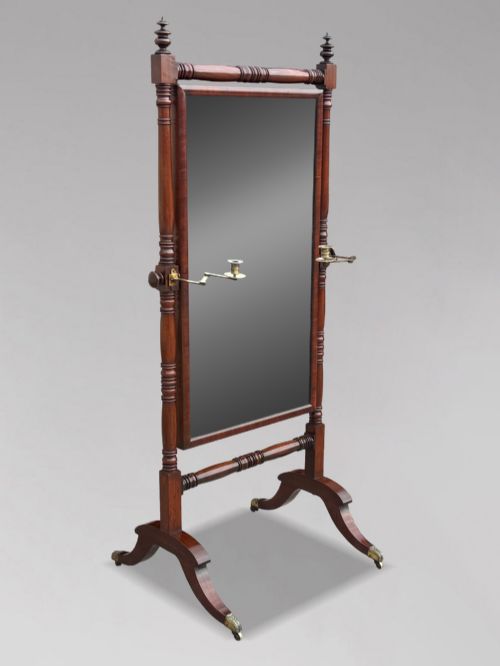
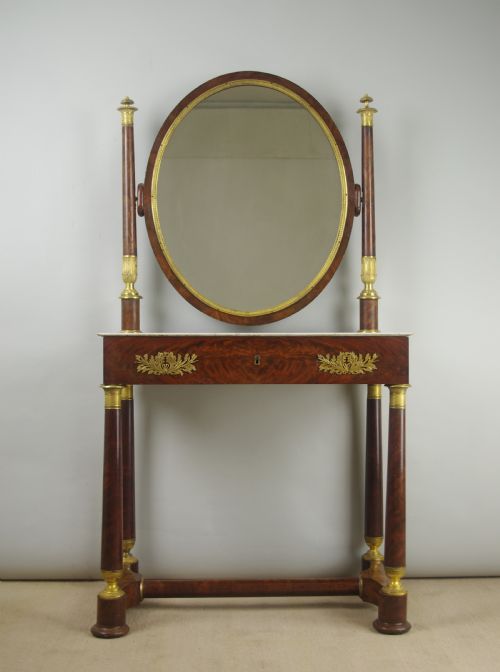
These floor-standing pieces range from simple mahogany frames on splayed legs to grander French Empire examples fitted with ormolu mounts and brass sabots. While most sit on sturdy wooden floor frames, some variations appear as table-top dressing mirrors or form part of fitted dressing tables with marble tops.
Makers and craftsmen utilised dense hardwoods such as mahogany, burr walnut, and pitch pine to support the heavy pivoting mirror glass. Whether standing on sabre legs with castors or within a heavily turned frame, each piece serves the practical purpose of adjustable reflection while acting as a dominant focal point in a bedroom.
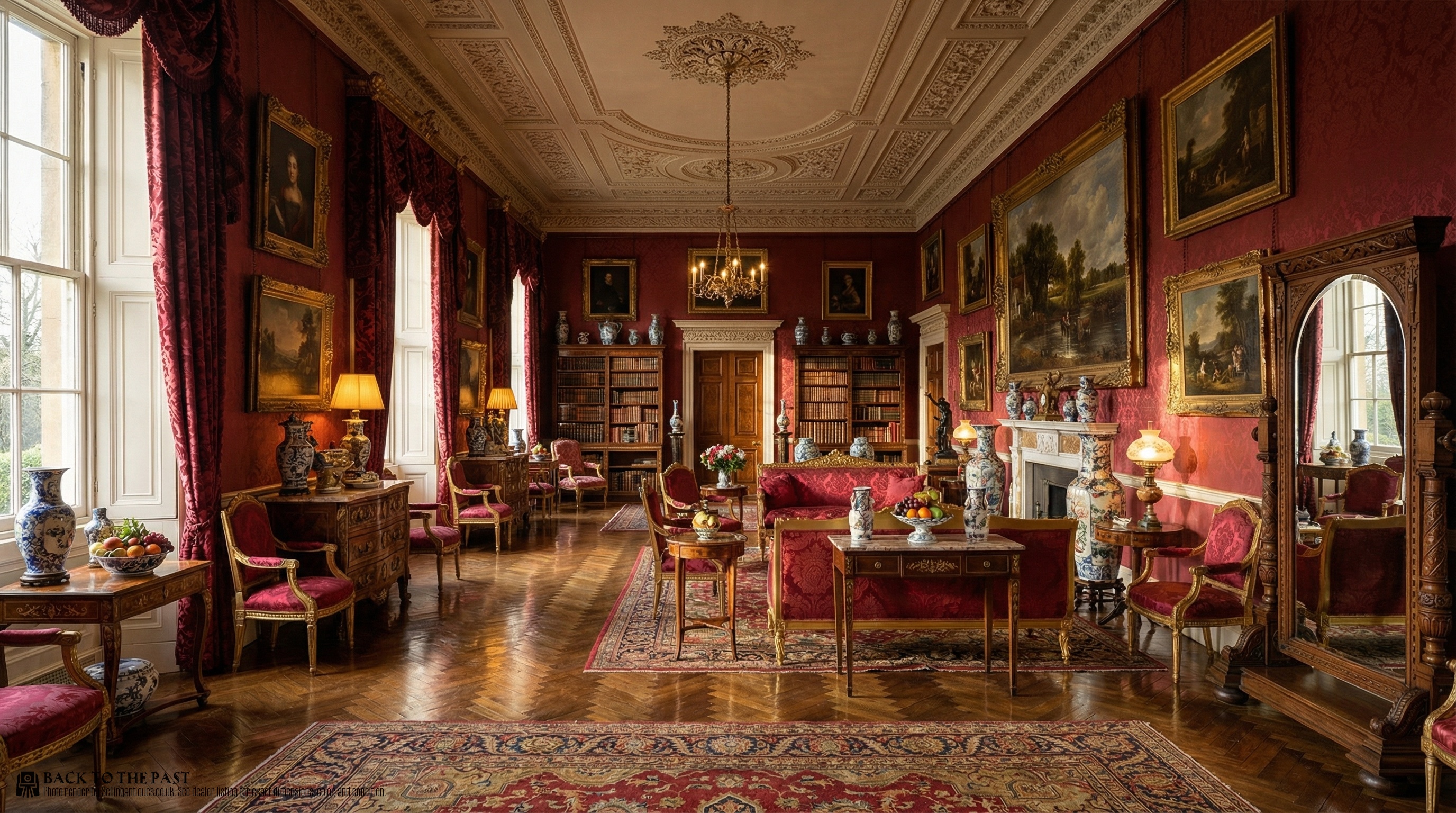
How they were made
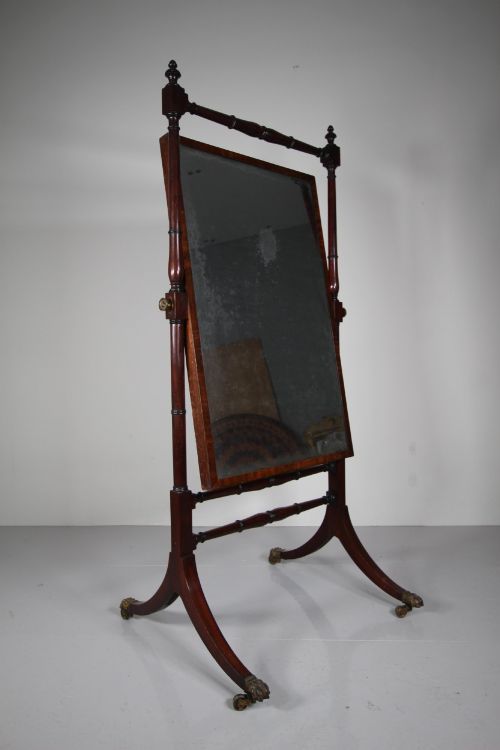
Makers constructed these frames primarily using solid and veneered mahogany, often selecting flame mahogany to create striking grain patterns across the upright pillars. Walnut, oak, and pitch pine also appear, shaped by hand and turned on lathes to form the supporting side columns and cross stretchers.
The heavy glass plates swing between two upright posts on metal pivot pins, allowing the user to tilt the angle of reflection. Brass candle sconces, sabots, and castors were frequently added to Regency and Victorian examples, while French Empire pieces incorporated cast ormolu mounts for decorative contrast.
Antique Psyche Mirror Retail Price Guide 2026
Typical asking prices for psyche mirror among the pieces listed under this phrase on Sellingantiques today, from the lower quarter to the upper quarter. They describe what is for sale here now, not the wider market.
Regional variations span English Regency and Victorian designs alongside French Empire and Italian provincial pieces.
What varies in quality
Quality rests heavily on the choice of timber and the depth of the figure in the mahogany or walnut veneer. Superior examples display carefully matched grain across the entire frame, whilst simpler pieces rely on plain timber construction.
The sophistication of the brasswork and the weight of the supporting frame separate standard items from finer workshop output. Robust casting on the sabots, original brass castors, and finely turned wooden mounts indicate a higher standard of manufacture.
The Antique Psyche Mirror Glossary
- Cheval mirror
- A large floor-standing mirror suspended on a frame that allows it to swing freely. The term derives from the French word for horse, referencing the four-legged frame.
- Ormolu
- Gilded bronze mounts applied to furniture for decoration. This technique was widely utilised during the French Empire period.
- Sabot
- A metal shoe or sleeve fitted to the foot of a furniture leg for protection and ornament. They are commonly cast in brass on Regency and Empire pieces.
- Flame mahogany
- A veneer cut from the fork of the mahogany tree where the branch meets the trunk. This produces a distinctive, swirling flame-like grain pattern.
Antique Psyche Mirror: Frequently Asked Questions
What is a psyche mirror?
A psyche mirror is a large, freestanding dressing glass that pivots within a vertical frame. It allows a person to view their entire outfit from head to toe.
These pieces were essential bedroom furnishings in the nineteenth century, combining utility with architectural presence.
How do I date a cheval mirror?
Dating relies on the prevailing style of the wooden frame, the turning of the pillars, and the type of metal fittings used. Regency examples often feature sabre legs and brass sabots, while Victorian versions typically show heavier turned columns and pitch pine.
Examining the backboards, screw types, and construction methods also helps confirm the period of manufacture.
Are the mirror plates original?
Many older mirrors retain their original glass, which can exhibit light foxing or small blemishes due to age. Replacement glass is sometimes fitted if the original silvering degraded significantly over the decades.
Checking the backing and the depth of the glass helps determine whether the plate has been replaced.
How do I place one in a room?
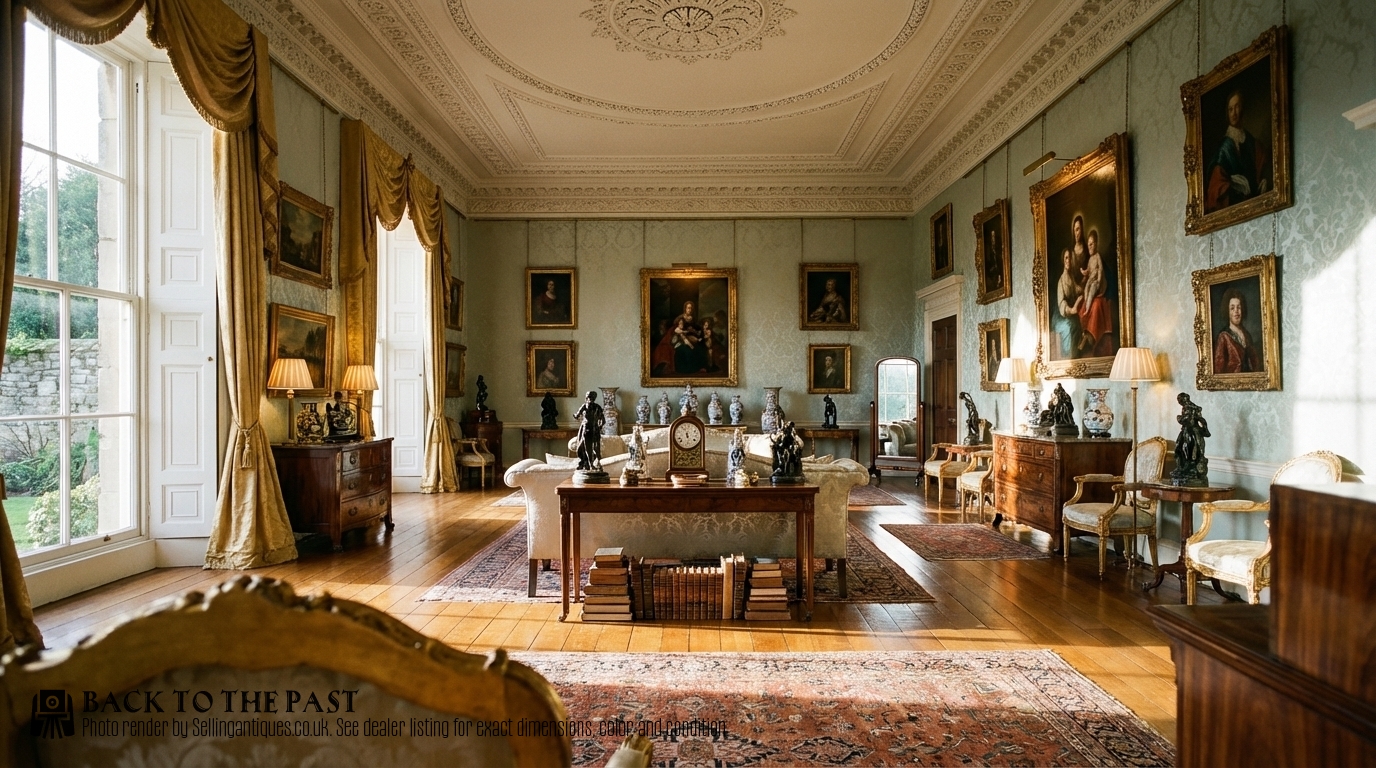
These mirrors require adequate floor space to stand securely and enough clearance for the glass to tilt fully. Placing them opposite a window maximises the natural light reflected into the room.
Because of their height and weight, they should be positioned where the supporting frame rests evenly on the floor.