
Mahogany Dressing Glass
Mahogany dressing glass pieces are table and floor mirrors housed in timber frames, offering the clear reflection and polished warmth that traditional dressing spaces require.
Understanding mahogany dressing glass designs
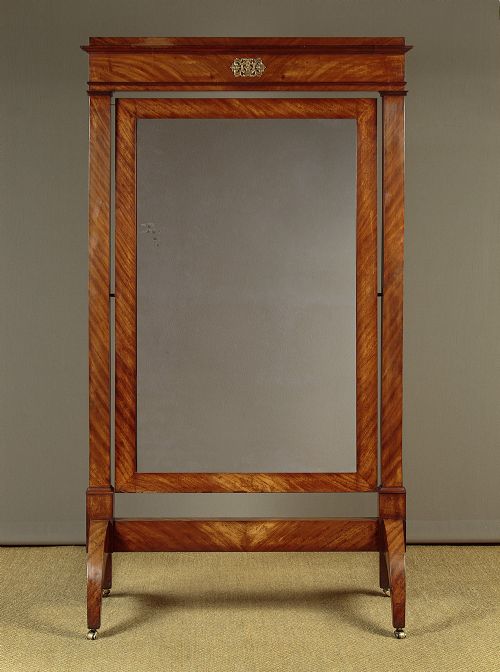
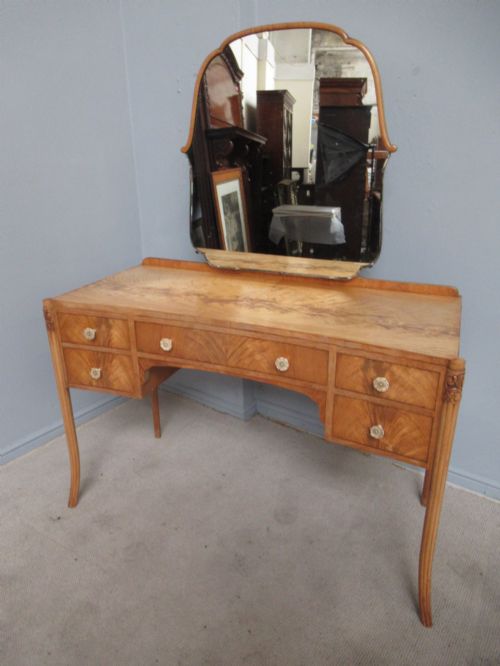
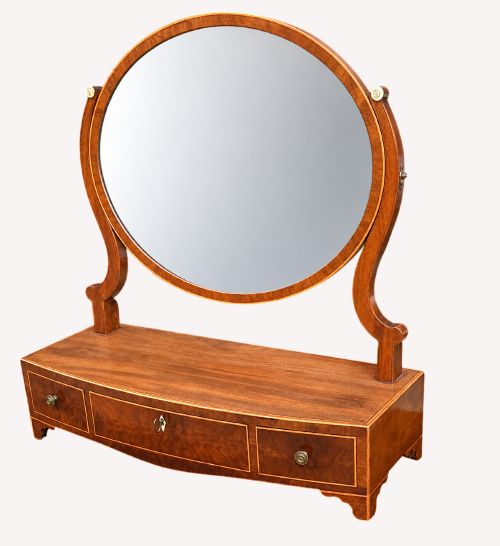
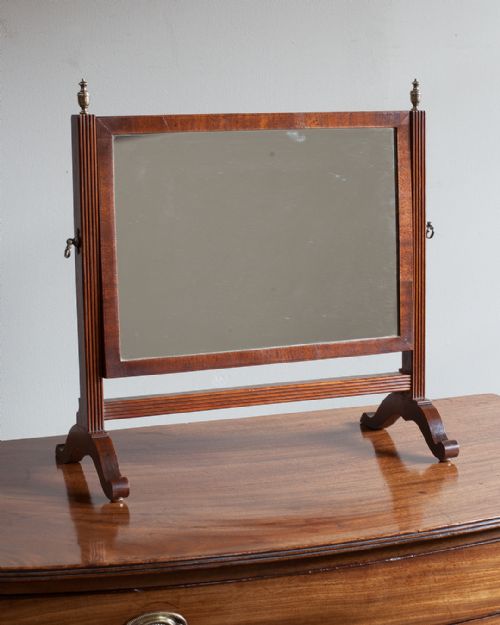
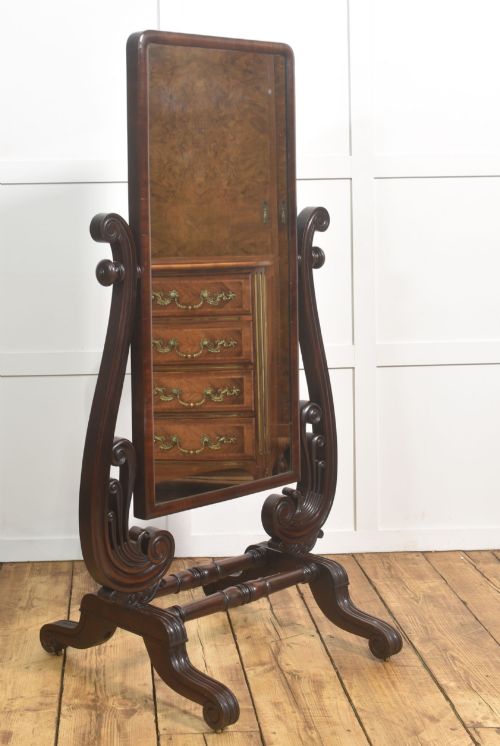
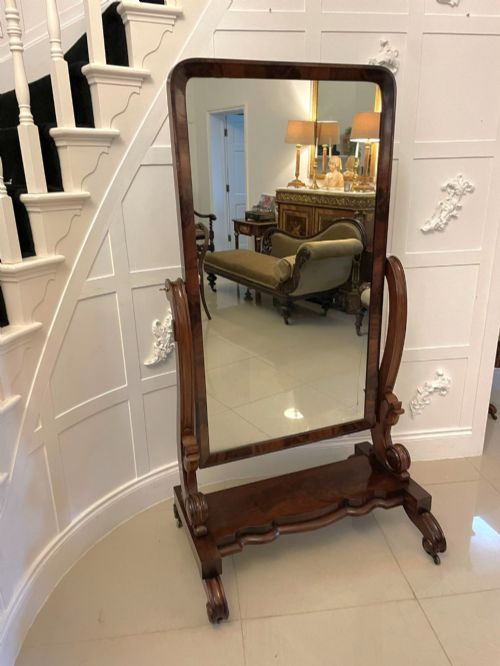
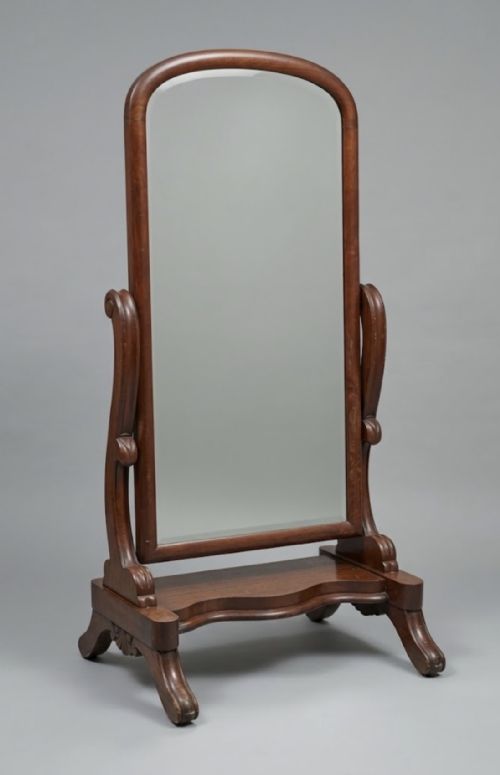
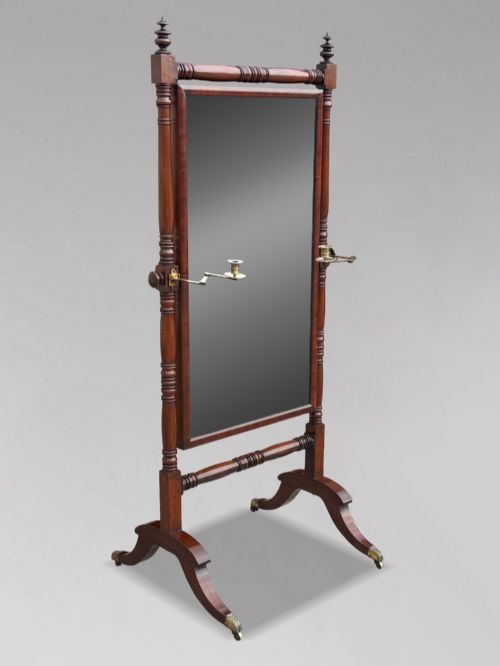
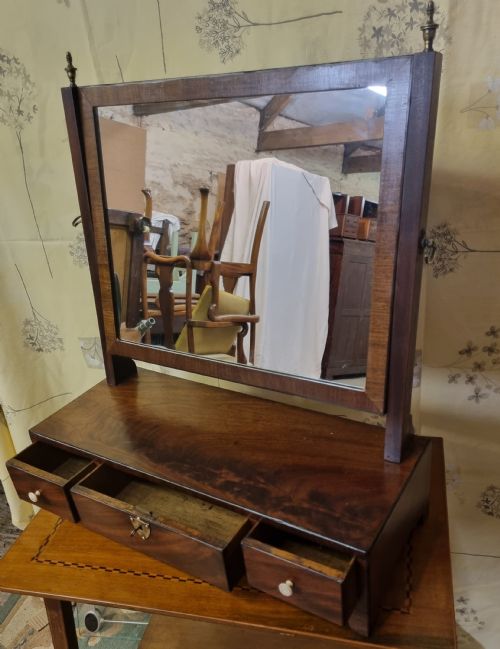
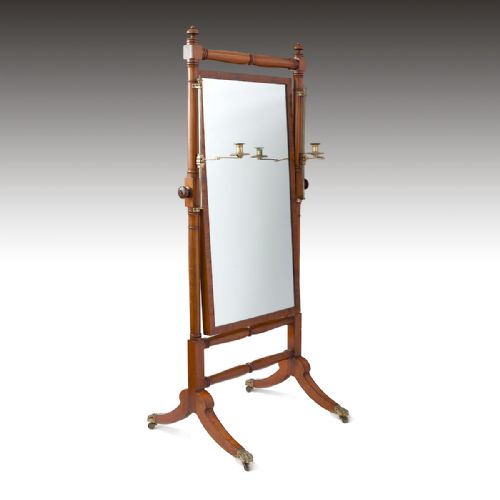
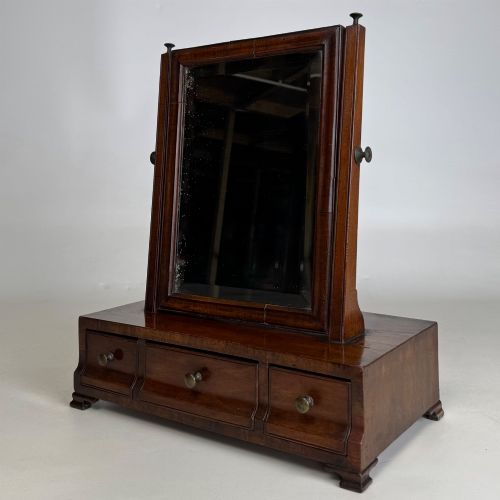
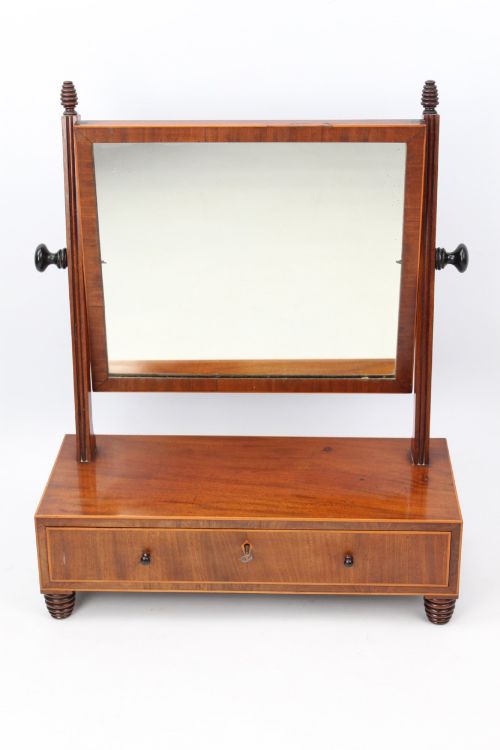
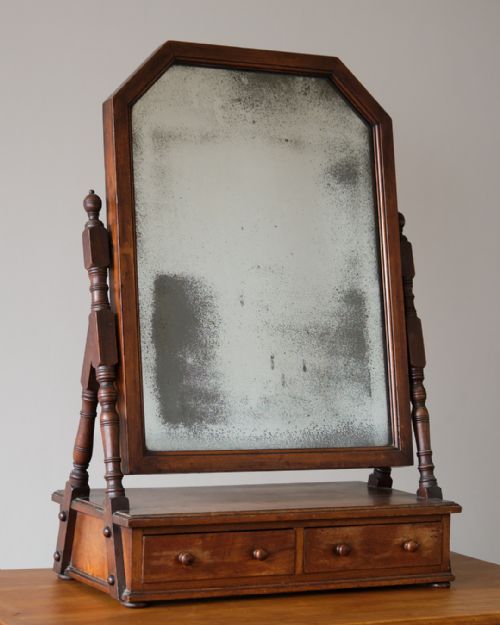
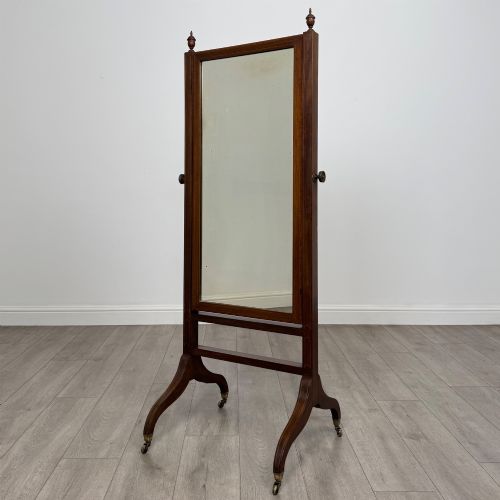
A mahogany dressing glass represents a functional and decorative table or floor mirror designed for grooming and daily toilette. When searching for a mahogany dressing glass, buyers encounter diverse forms ranging from compact toilet mirrors to tall floor-standing cheval mirrors.
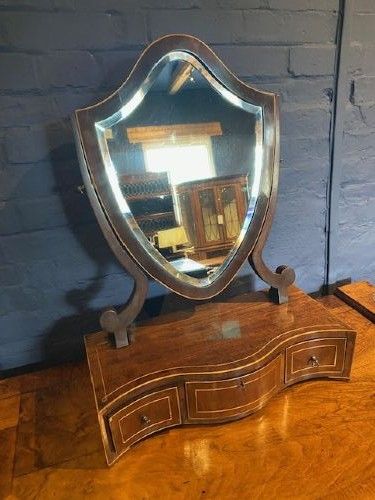
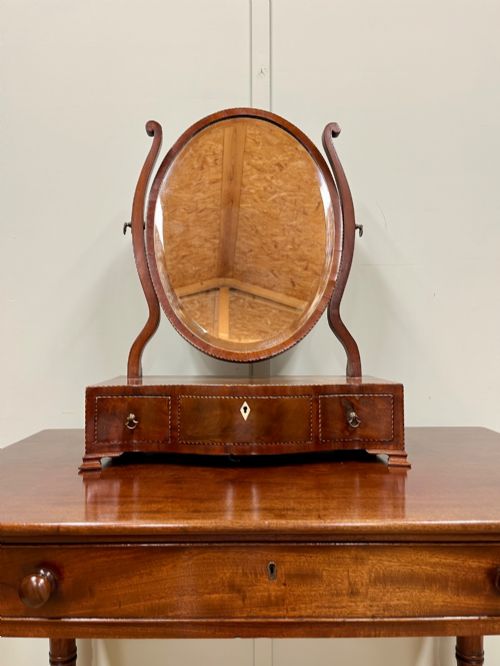
The selections span multiple historical eras, featuring Georgian, Regency, Victorian, and Edwardian examples. Formats vary from simple upright frames to barrel-fronted designs, serpentine shapes, and triptych folding glass configurations.
Makers utilised rich timber variants, incorporating standard mahogany alongside flame mahogany and decorative marquetry inlay. Many pieces incorporate useful storage compartments, including small drawers positioned beneath the mirror plate.
Materials and construction methods
Makers constructed these frames from solid mahogany and figured flame mahogany veneers over secondary timbers. Surfaces were polished to highlight the natural grain and deep reddish-brown tone of the wood.
Hardware additions commonly included brass elements such as swan neck handles, finials, and adjusting screws. Structural support relied on bracket feet, trestle bases, or hinged joints enabling the mirror angle to tilt.
Mirrors incorporated standard plate glass, bevelled glass edges, and occasionally triptych folding panels supported by internal wooden frames. Small details such as bone escutcheons or subtle inlay work enhanced the primary timber structure.
Retail Price Guide 2026
Typical UK retail prices for mahogany dressing glass, calculated from the Sellingantiques database of over a million retail prices indexed since 2003. This retail price guide relies exclusively on Sellingantiques data; no external sources or auction records are used, so the figures do not describe the wider market.
Scottish makers once preferred barrel fronts, giving morning reflections a subtly curved perspective.
Distinguishing quality across examples
Superior quality in a mahogany dressing glass rests upon the selection of timber figures, such as heavily patterned flame mahogany veneer, and the finesse of any marquetry inlay. Master cabinetmakers balanced proportion and visual weight precisely.
The integration of original brass hardware, including swan neck handles and decorative finials, elevates an example above replacements. Construction integrity, seen in well-fitted drawer boxes and smooth pivoting mechanisms, defines the upper tier.
The Mahogany Dressing Glass Glossary
- Dressing glass
- A table mirror, often fitted with small drawers at the base, designed for a dressing table or chest. These portable pieces became popular during the Georgian period.
- Cheval mirror
- A tall, free-standing floor mirror mounted on a frame that permits the entire glass to tilt. The term originates from the French word for horse.
- Flame mahogany
- A highly figured timber veneer displaying distinctive feather-like patterns resembling flickering flames. Cabinetmakers reserved this decorative wood for prominent surfaces.
- Triptych
- A three-panel mirror configuration featuring a central glass flanked by two smaller adjustable side wings. This layout allowed users to view themselves from multiple angles.
- Bracket foot
- A structural foot supporting the corners of a case piece, shaped like a bracket and frequently mitred at the corner. Georgian and Victorian carvers utilised several distinct bracket profiles.
Frequently Asked Questions
What is a mahogany dressing glass?
A mahogany dressing glass is a moveable mirror mounted in a wooden frame, typically placed upon a table or chest of drawers for grooming purposes. Many traditional versions include small storage drawers built into the base.
These pieces emerged in various historical periods including the Georgian and Victorian eras. They combine practical reflection with fine cabinetmaking materials.
Where should I place a cheval mirror?
A cheval mirror requires a secure floor space where the heavy frame can stand stably without obstruction. Because these tall mirrors pivot, they need adequate clearance around the base to tilt.
Placing the piece away from direct, damp heat sources protects the mahogany timber and prevents the mirror silvering from degrading over time.
What is flame mahogany?
Flame mahogany is a decorative wood veneer cut from the fork of the tree where branches meet the main trunk. This specific sawing method reveals a rippling, flame-like grain pattern.
Craftsmen prized this material for its dramatic visual impact on drawer fronts and mirror frames. It remains a hallmark of finer antique furniture.