

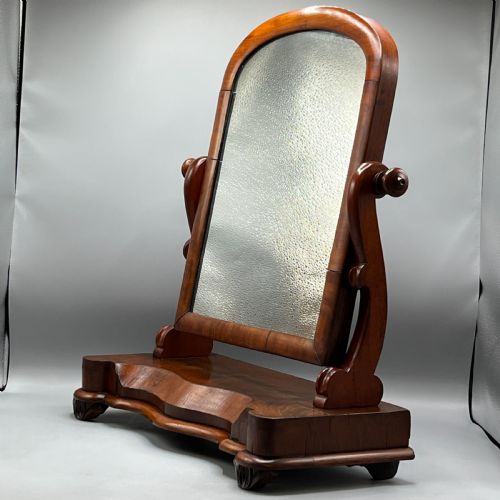


Victorian Swivel Mirror
A victorian swivel mirror is a functional dressing glass designed to tilt on pivots, offering an adjustable reflection that anchors a period dressing table.
What They Are
When searching for a victorian swivel mirror, buyers encounter a range of forms designed for tabletop placement or full-length floor standing use. These pieces serve as practical dressing accessories that reflect the interior habits of the nineteenth century and the early twentieth century.
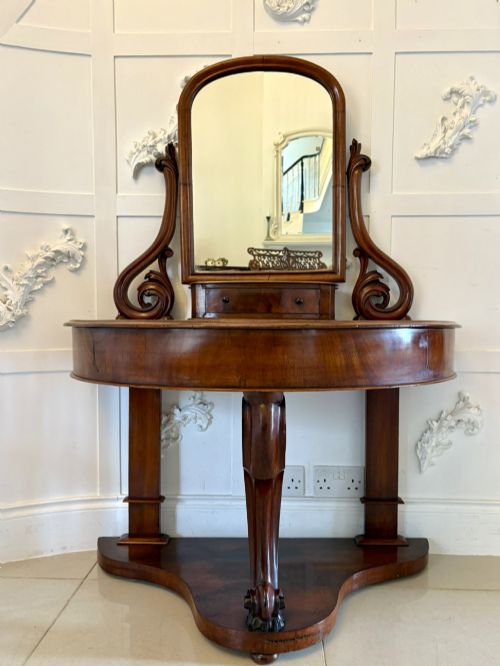
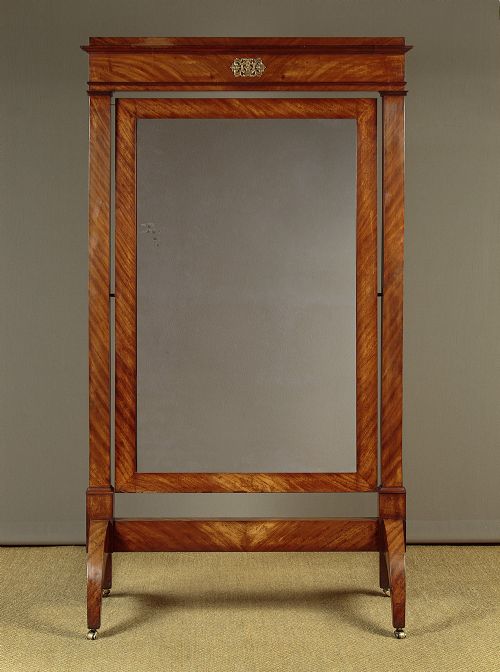
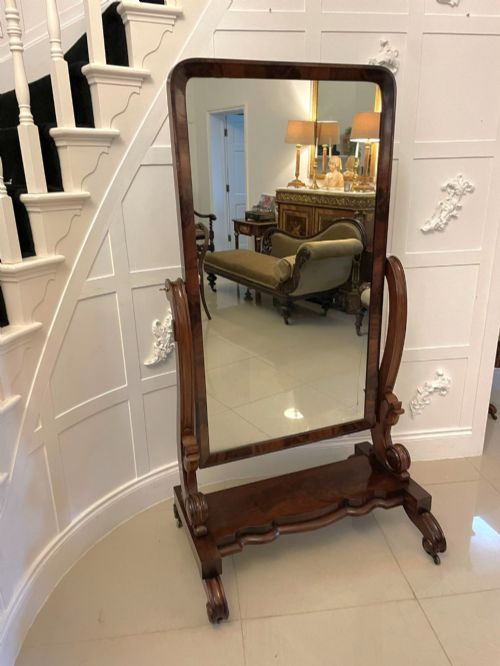
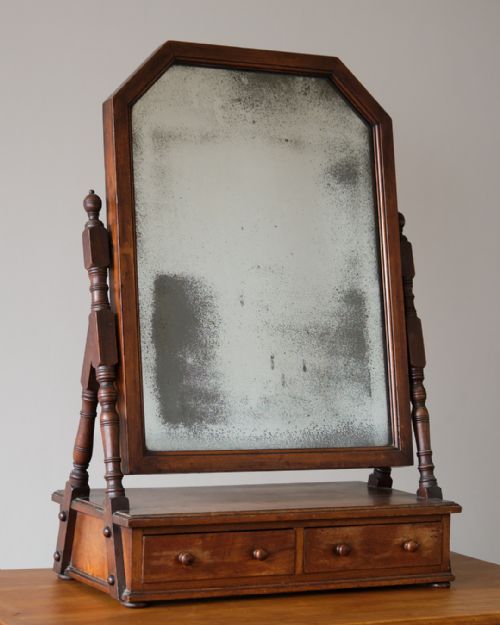
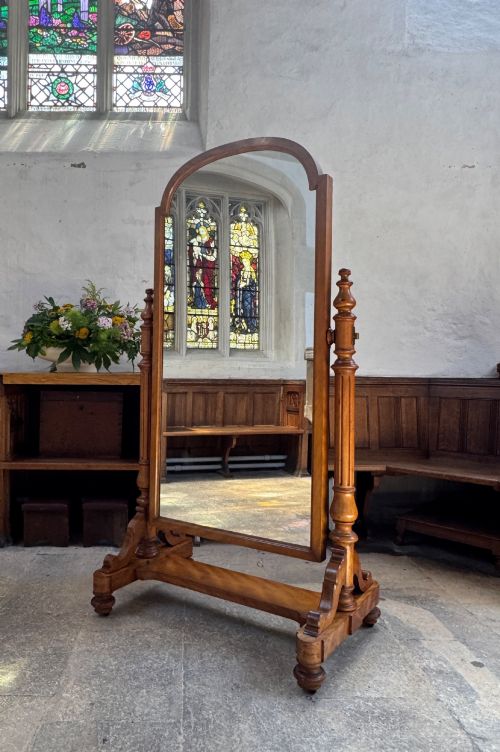
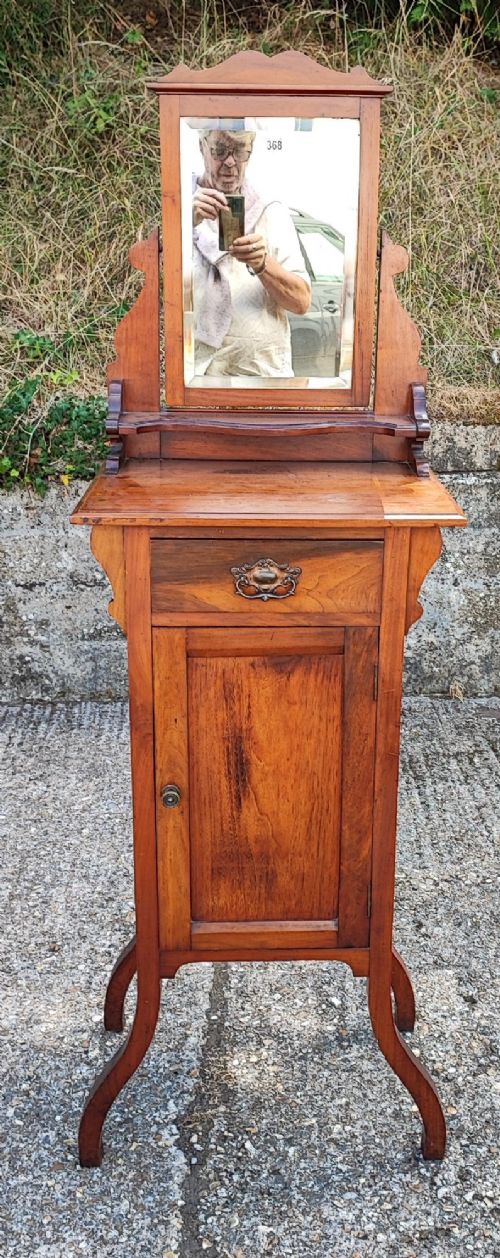
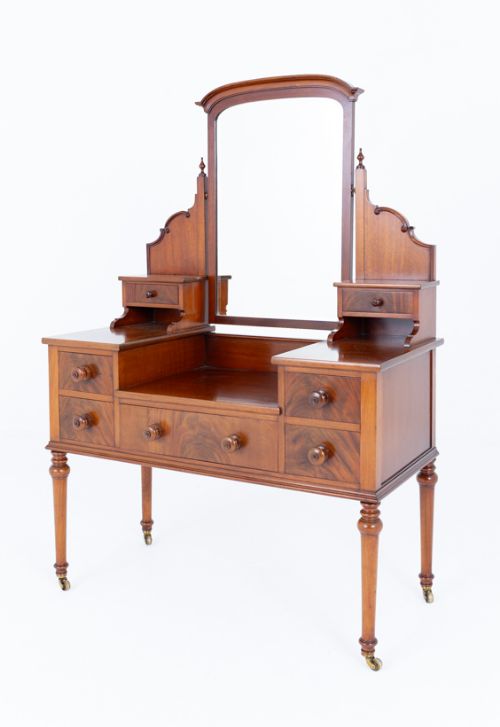
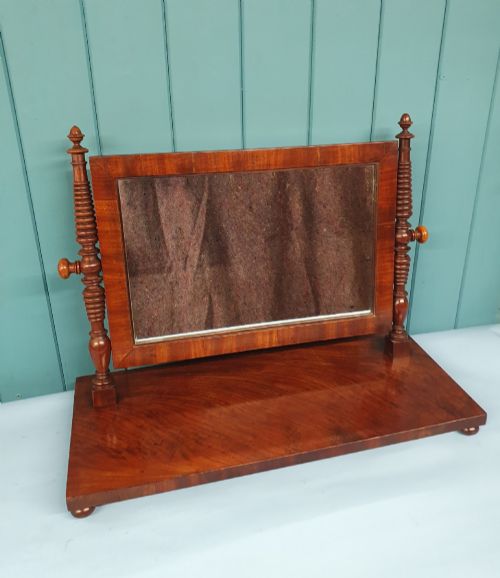
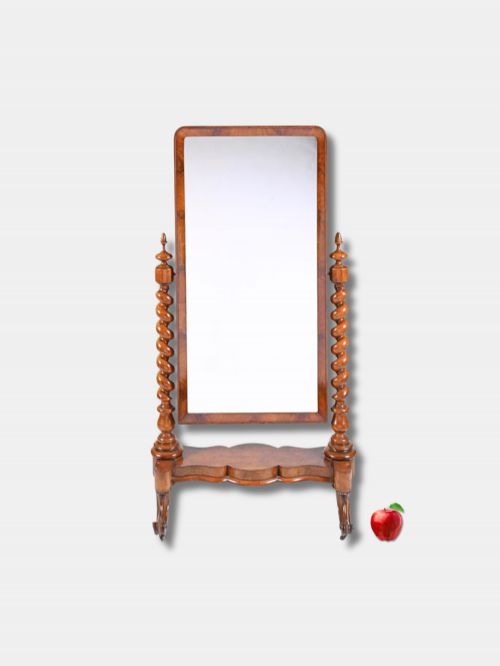
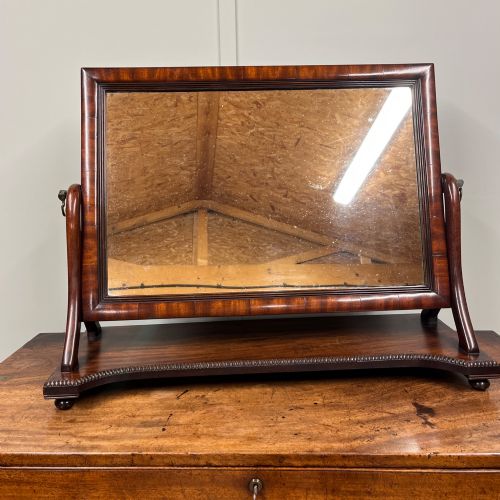
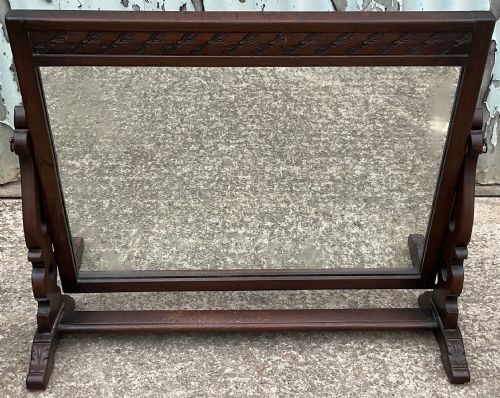
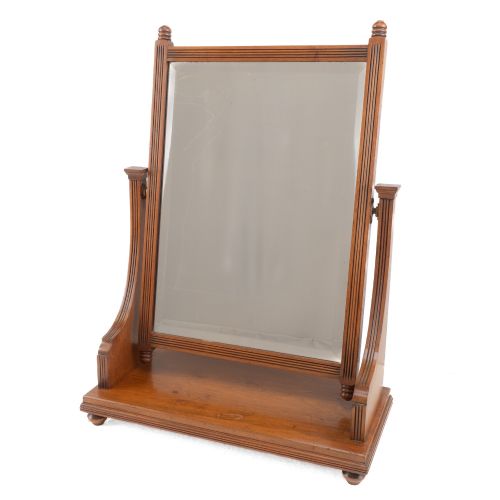
The objects appearing on this page span several specific forms, including dressing table mirrors, toilet mirrors, cheval mirrors, and complete dressing tables incorporating a swivel glass. These variations accommodate different scales of furniture, from compact bedroom chests to large dressing rooms.
Most examples originate from the Victorian period, supplemented by pieces dated around 1850 and 1870, alongside Edwardian interpretations. Materials vary from mahogany and satin birch to teak, pine, and brass fittings, reflecting both standard domestic production and regional variations such as Anglo-Indian colonial styles.
How They Were Made
Cabinet makers constructed these mirrors using solid timber and veneers, frequently employing mahogany, satin birch, and teak as the primary structural materials. Turned columns, inlaid details, and painted finishes appear across the recorded items to decorative effect.
The swivel mechanism relies on brass pivots and screws inset into upright supports, allowing the mirror frame to tilt freely. Mirror glass is set within adjustable frames, accompanied by secondary woods like pine found in backing boards and drawers.
Retail Price Guide 2026
Typical UK retail prices for victorian swivel mirror, calculated from the Sellingantiques database of over a million retail prices indexed since 2003. This retail price guide relies exclusively on Sellingantiques data; no external sources or auction records are used, so the figures do not describe the wider market.
The listings here include mahogany, satin birch, teak, and pine, demonstrating the variety of timbers employed by nineteenth-century cabinet makers.
What Varies in Quality
The distinction between standard examples and finer pieces rests on the choice of timber and the sophistication of the joinery. Finely figured mahogany or satin birch, combined with well-turned columns and precise inlay work, elevates the standing of an individual mirror.
The robustness of the brass pivot hardware and the integrity of the mirror frame construction determine how well the glass maintains its position over time. Complete retention of original components, from the upright supports to the base drawers, marks out the more accomplished survivals.
The Victorian Swivel Mirror Glossary
- Cheval mirror
- A large floor-standing mirror suspended on a frame with four legs, allowing the entire length of the glass to swivel. This form permits a full-length view.
- Toilet mirror
- A smaller mirror designed to sit upon a dressing chest or table, often featuring small drawers in the base. These were essential bedroom items for grooming.
- Satin birch
- A pale, lustrous timber utilised for cabinet making during the nineteenth century, known for its distinct golden sheen. It provided a lighter alternative to dark mahogany.
- Anglo-Indian colonial
- Furniture produced in the Indian subcontinent under British rule, typically utilising dense timbers such as teak and distinctive decorative carving. These pieces blend British forms with local craftsmanship.
- Swivel mechanism
- The pivot system connecting the mirror frame to the upright supports, enabling the glass to tilt at various angles. It usually incorporates brass screws and threaded plates.
Frequently Asked Questions
What is a swivel mirror used for?
These mirrors provided an adjustable reflection for personal grooming on dressing tables and chests.
They allowed users to tilt the glass to catch the light precisely where needed.
How do I date a mirror?
Dating relies on timber choices, construction methods, and stylistic cues recorded in the period evidence.
Victorian and Edwardian examples show shifts in wood preference, such as mahogany moving towards satin birch or Edwardian inlaid designs.
Where did these mirrors sit?
Tabletop versions rested directly on dressing chests or dedicated dressing tables as part of bedroom suites.
Larger cheval mirrors stood independently on the floor in dressing rooms or bedchambers.
What woods were used?
Cabinet makers utilised mahogany, satin birch, teak, and pine across the surviving examples.
Brass hardware and mirror glass completed the construction of both large and small frames.