
Victorian Table Mirror
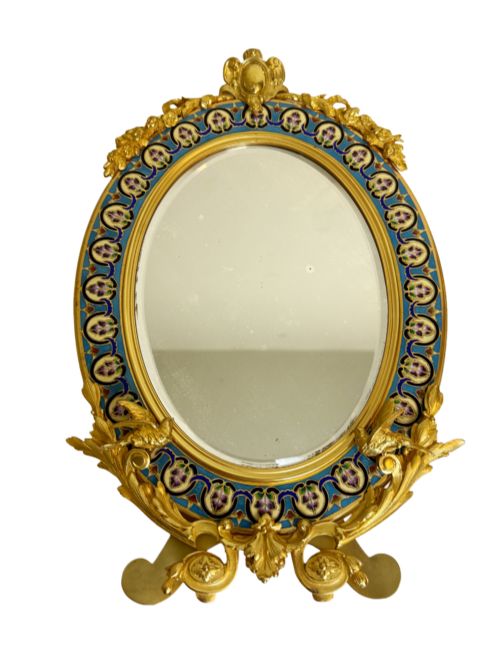
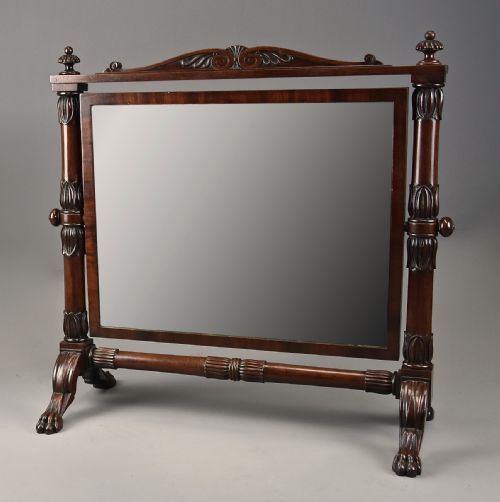
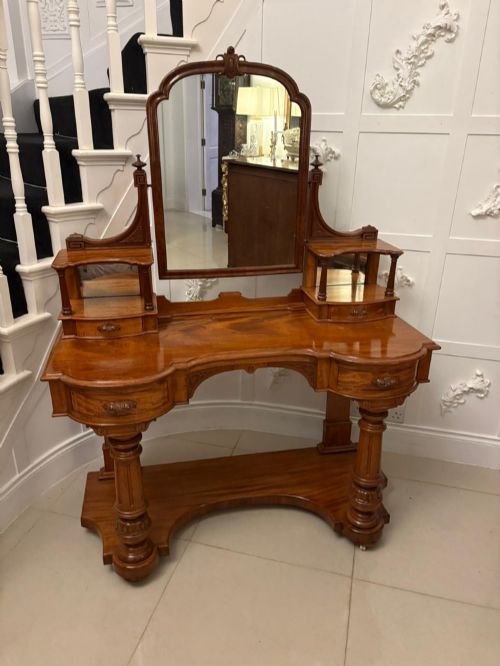
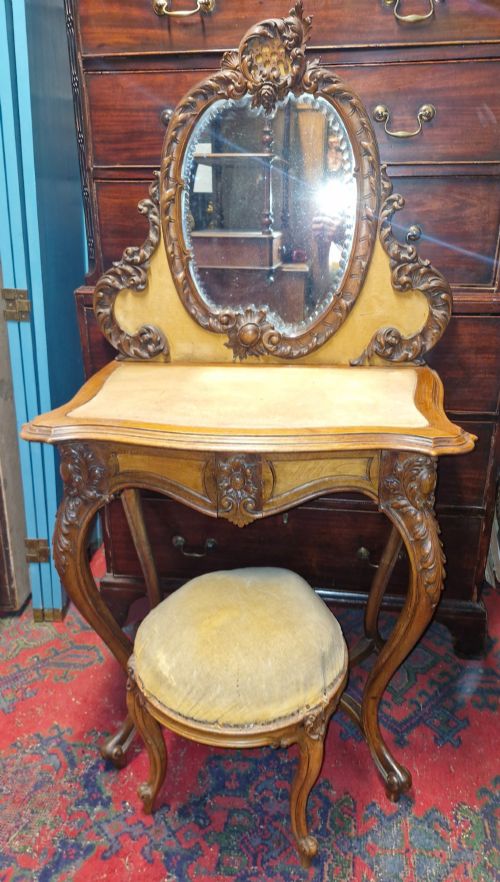
These Victorian table mirror examples span mahogany, walnut and exotic woods, offering practical dressing table charm and period craftsmanship.
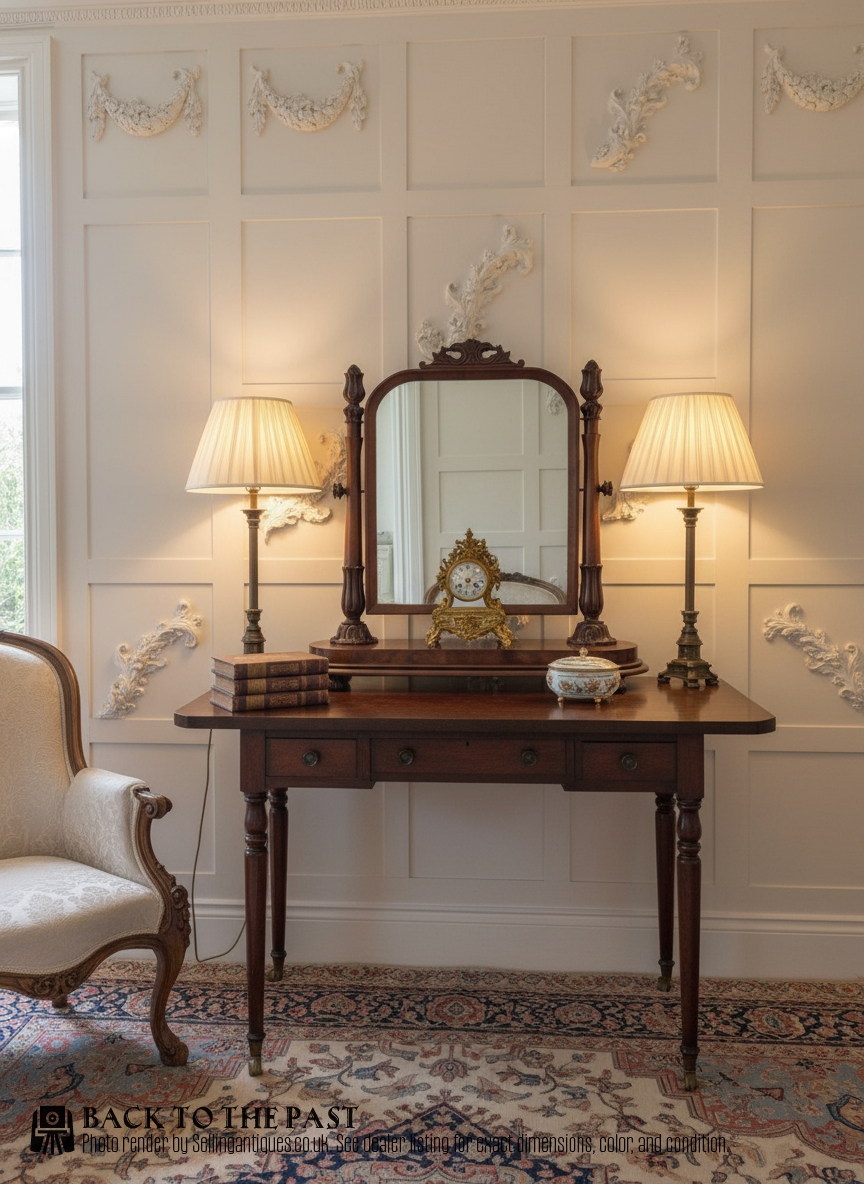
Victorian table mirror forms and origins
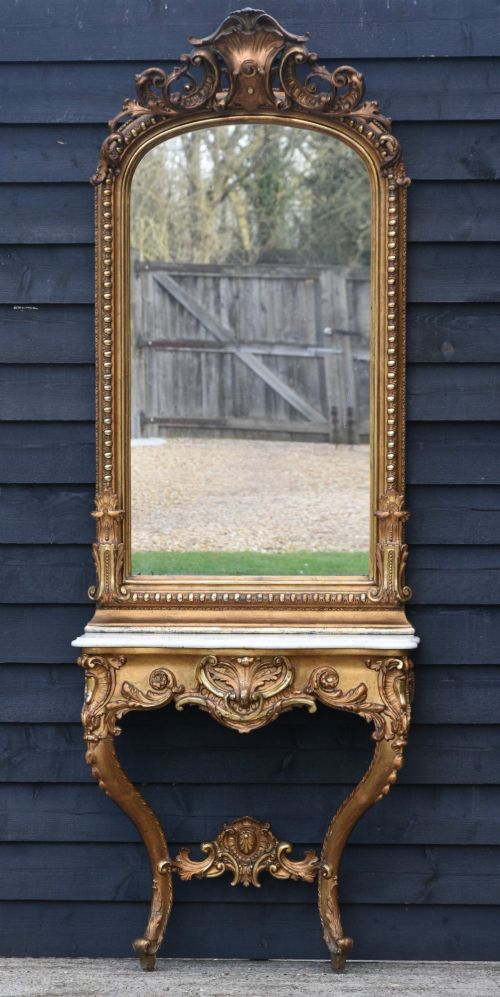
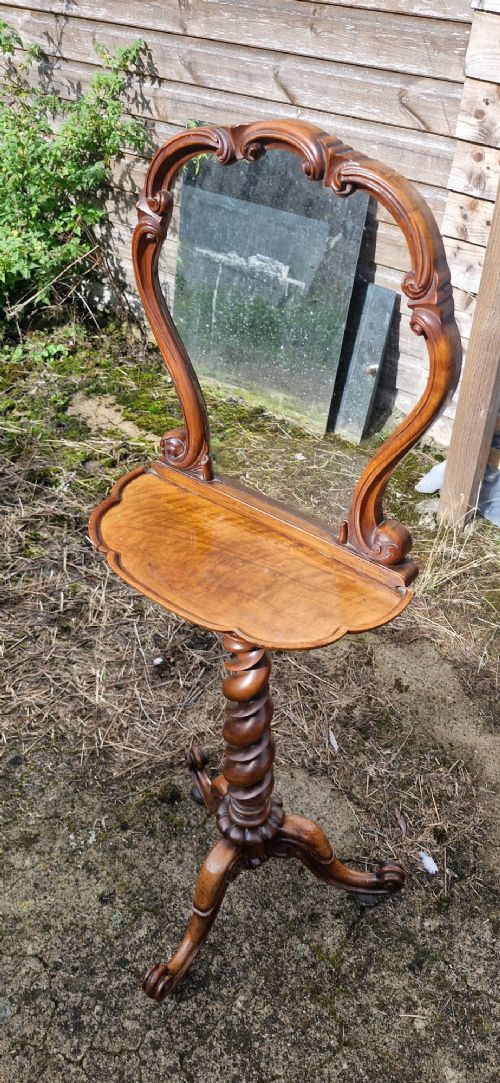
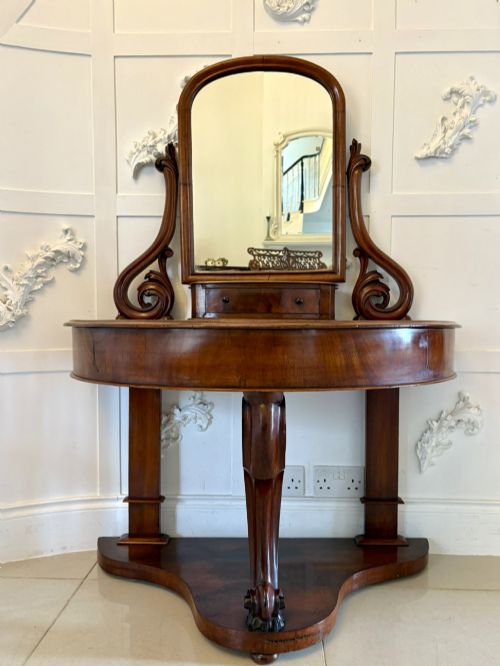
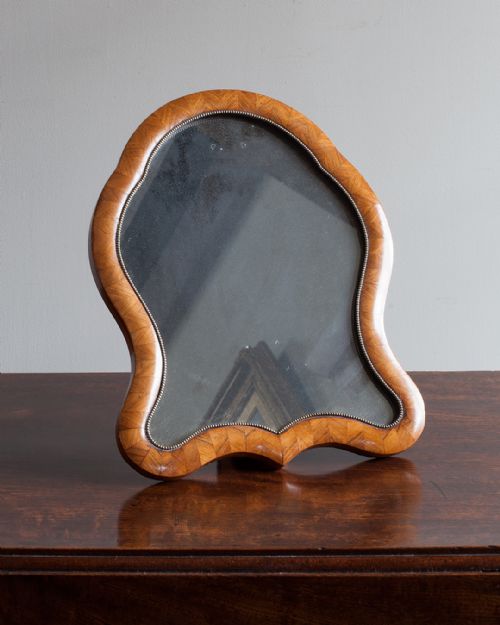
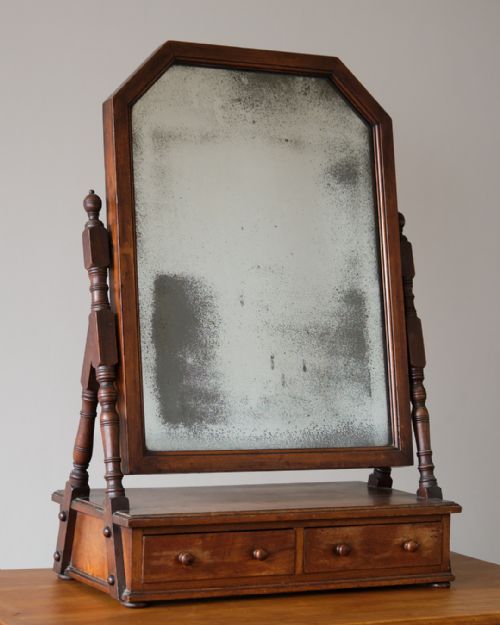
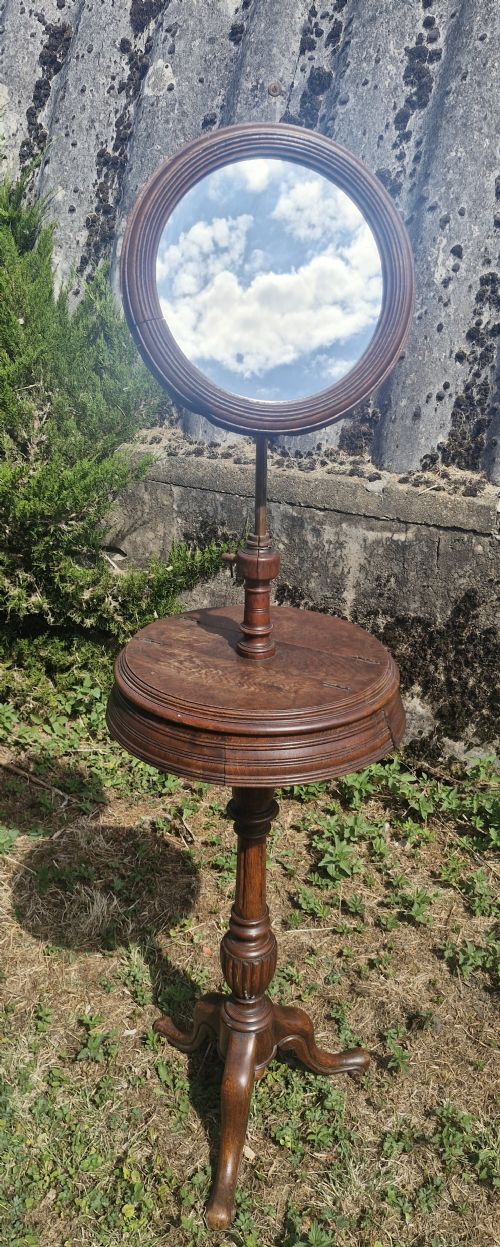
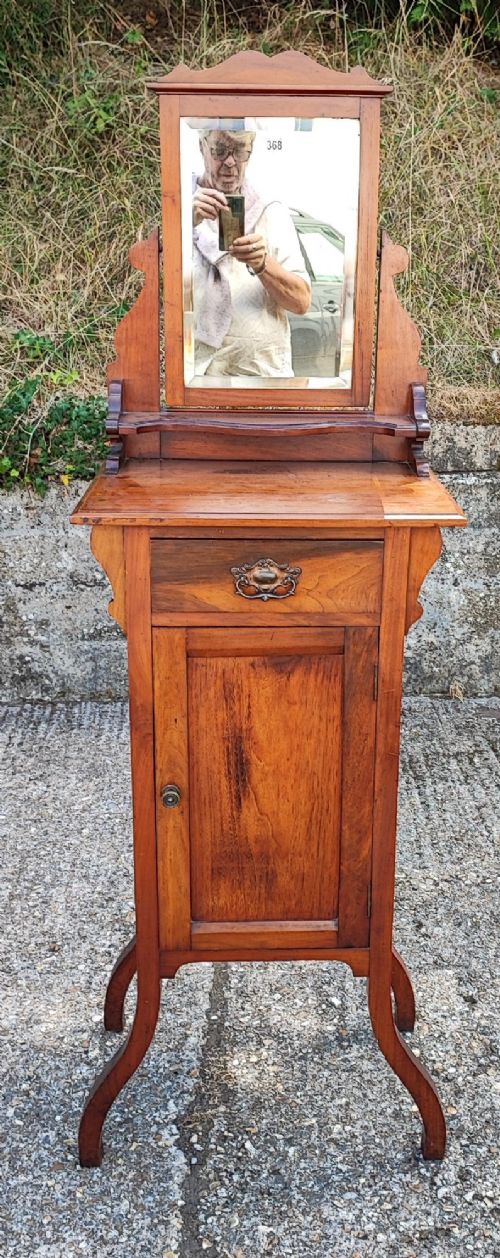
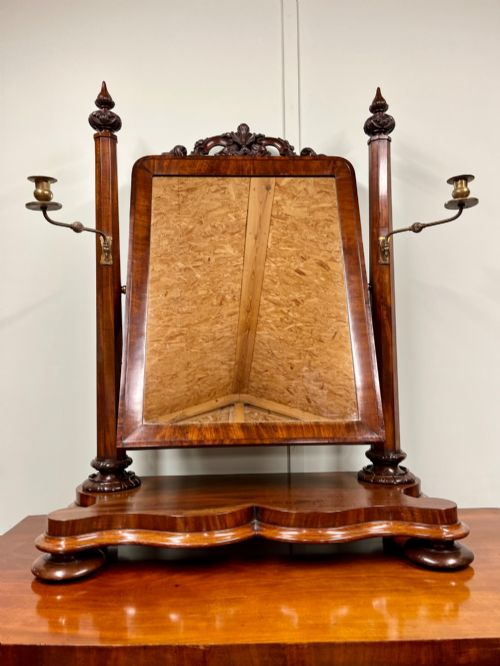
A victorian table mirror sits upon dressing tables, chests and bureaus, providing a functional glass for daily grooming while adding a decorative focal point to the room. These pieces appear in various forms, including simple swing frames, bureau fitments, shaving stands with tripod bases, and grander dressing table mirrors.
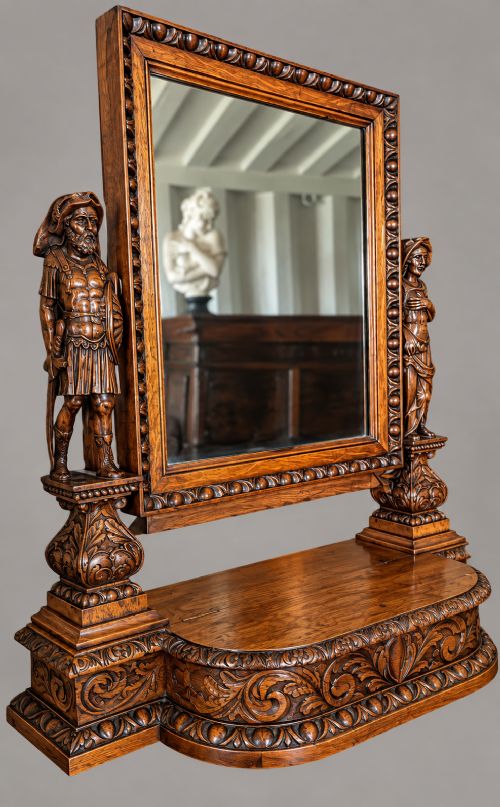
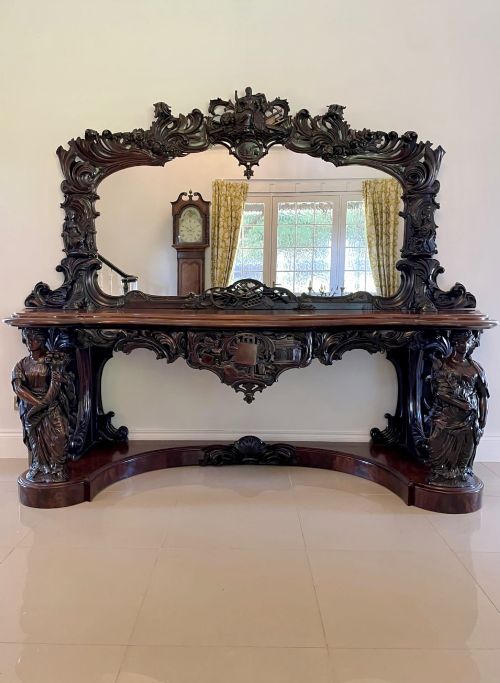
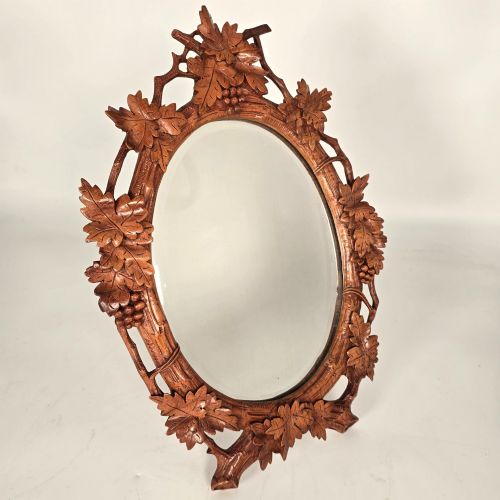
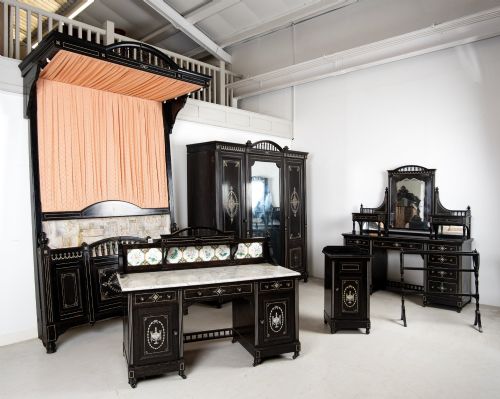
The pieces on this page reflect the diverse aesthetic influences of the nineteenth century, ranging from traditional British mahogany designs to intricately carved Black Forest lime wood and Anglo-Indian colonial teak. Collectors encounter both compact vanity mirrors meant for boudoirs and larger architectural glass frames.
Makers utilised domestic hardwoods alongside imported timber, adapting traditional swing mechanisms to suit changing domestic habits from the eighteen fifties through to the turn of the twentieth century.
Materials and construction methods
Cabinet makers constructed these frames using solid timbers and veneers, selecting mahogany, walnut, burr walnut, flame mahogany veneer, maple, olive wood, and teak. Selected pieces incorporate lime wood for deep relief carving or brass fittings to support the adjustable swing glass.
Joinery techniques involve precise framing around the mirror glass, often housing the plate within a pivoting wooden or silver-plated surround. Supporting standards frequently feature turned columns, scroll brackets, or tripod bases designed to bear the weight of the tilting glass securely.
Retail Price Guide 2026
Typical UK retail prices for victorian table mirror, calculated from the Sellingantiques database of over a million retail prices indexed since 2003. This retail price guide relies exclusively on Sellingantiques data; no external sources or auction records are used, so the figures do not describe the wider market.
The inventory records diverse timbers across the nineteenth century, including mahogany, walnut, teak, lime wood, maple, and olive wood.
Distinctions in construction and material selection
Quality rests upon the selection of timber and the crispness of the joinery and carving. Finer examples display figured veneers like burr walnut or flame mahogany, alongside hand-carved details found in Black Forest lime wood pieces.
The integrity of the pivoting mechanism and the weight of the supporting frame dictate durability. Superior pieces maintain smooth adjustment tension without wobble, employing robust brass hardware and well-fitted drawer compartments where bureau or trinket fitments are present.
Maple & Co.·Henry Matthews·William Comyns
The Victorian Table Mirror Glossary
- Swing mirror
- A glass plate mounted within a frame that pivots on horizontal side pivots, allowing the user to adjust the viewing angle.
- Bureau fitment
- A small desk or writing compartment incorporated into the base structure beneath the mirror glass.
- Cheval mirror
- A full-length framed glass supported on a freestanding floor frame, though smaller variants occasionally relate to large dressing table forms.
- Shaving stand
- A specialised form featuring an adjustable mirror mounted above a tripod base or cabinet, designed specifically for gentleman's grooming.
- Trinket drawers
- Small storage drawers built into the plinth or base of the mirror frame for holding jewellery and small personal items.
Frequently Asked Questions
How do I adjust a Victorian table mirror?
Most pieces utilise brass screw caps or tension nuts set into the supporting side arms. Tightening or loosening these hardware elements controls the resistance of the pivoting frame.
Take care to support the glass with one hand while adjusting the fittings to prevent sudden movement or strain on the wooden mounts.
Where should I place a table mirror?
These mirrors suit dressing tables, chests of drawers, and sideboard tops where their height complements the surrounding furniture scale. Positioning them near natural light enhances their utility for daily grooming.
Ensure the supporting surface is level and deep enough to bear the footprint of the frame and any attached trinket drawers.
How do I date a Victorian mirror?
Dating relies upon stylistic cues, timber choices, and construction methods. Earlier examples from the mid-nineteenth century often favour solid mahogany, while later decades embraced burr walnut veneers, ebonised details, or silver mounts.
Check for hallmarks on silver frames or structural clues like hand-cut screws and secondary woods to narrow the production period.
Are original mirror plates common?
Many surviving pieces retain their original mercury or early silvered glass, which frequently exhibits light foxing, minor speckling, or age spots. These imperfections confirm authenticity and contribute to the historic character of the antique.
Replacement glass does occur when original plates suffered damage, so inspecting the silver backing and edges helps determine originality.