
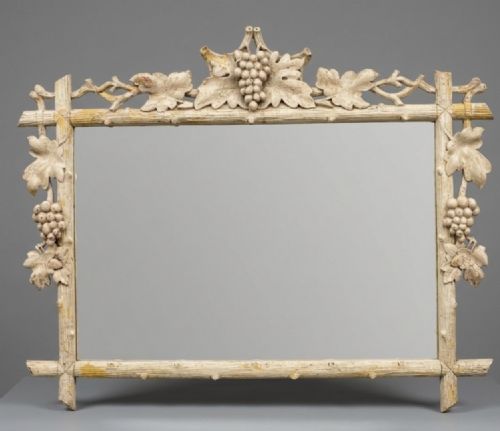


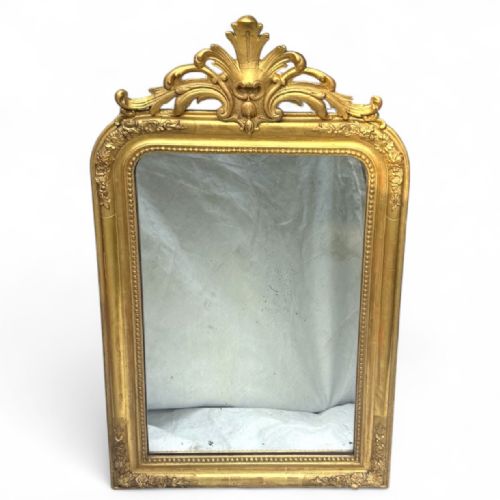


Foliate Carved Mirror
A foliate carved mirror brings the organic curves of leaves and foliage straight into an interior, working equally well above a fireplace or in an entrance hall.
Foliate Carved Mirror
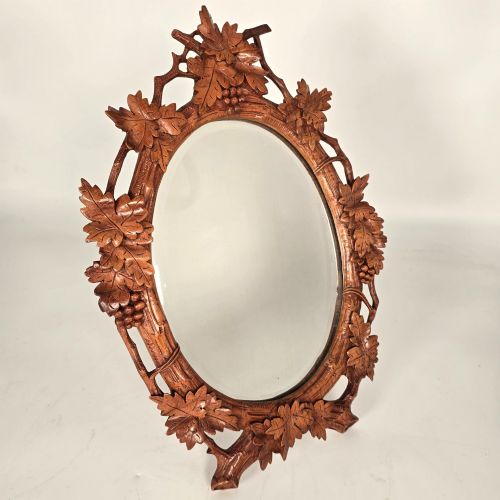
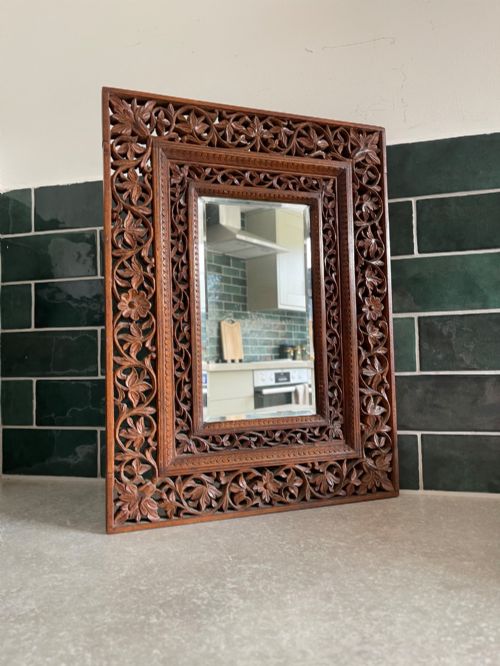
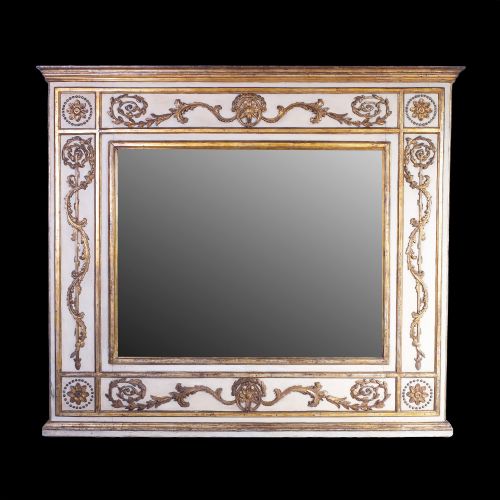
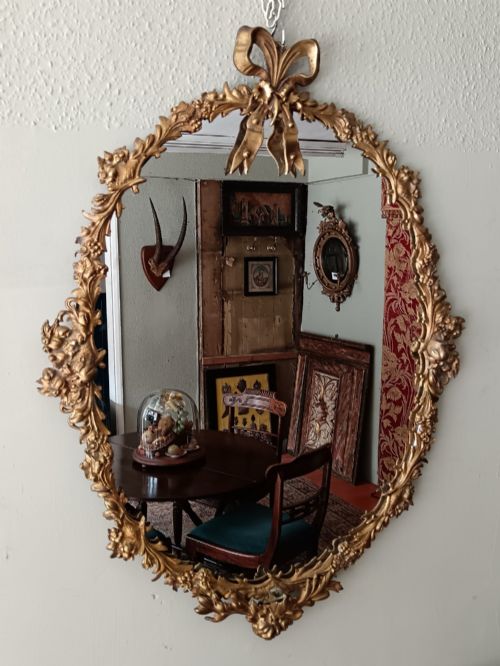
A foliate carved mirror centres on decorative woodwork inspired by leaves and plant forms, appearing in forms such as large overmantel pieces, wall mirrors, and compact table mirrors. The selection spans centuries of craftsmanship, though nineteenth-century examples dominate the offerings alongside items from earlier periods.
Makers shaped these frames from materials like oak, lime wood, and painted timber, often applying giltwood or gesso finishes to enhance the carved details. Styles range from Rococo and Louis XVI Revival to Black Forest, Anglo-Indian, and Victorian Gothic Revival, reflecting distinct regional tastes across Britain, Europe, and beyond.
The functionality of these mirrors varies by placement, with oversized overmantel versions designed to anchor a principal reception room. Smaller wall mirrors and table mirrors offer versatility for domestic spaces, functioning both as reflective glass and as sculptural wooden frames.
Materials and Construction
Carvers shaped solid woods such as oak, lime wood, and various timbers by hand, cutting deep relief foliage directly into the wooden frames. Gesso and giltwood coatings were then applied to selected pieces, providing a smooth base for metallic leaf finishes.
Glass plates were set within these rebated wooden structures, occasionally accompanied by inset hand-painted panels or bronze mounts. The joining methods relied on traditional cabinet-making techniques suited to heavy frames and arched or oval glass.
Secretly, a heavy foliate frame doubles as an excellent upper-body workout when you decide it looks better on the opposite wall.
Quality and Execution
Depth and crispness in the wood carving separate standard items from superior works, particularly where delicate leaf tips and stems remain sharp rather than rounded off by wear or heavy refinishing. The integration of the cresting with the main frame dictates the visual harmony of the piece.
The purity and preservation of the mirror glass itself, alongside the intactness of the original gilding or painted surfaces, influence the overall standard. Greater refinement is visible in frames where the joinery and secondary timbers match the ambition of the carved ornament.
The Foliate Carved Mirror Glossary
- Foliate
- Decorated with leaves, flowers, or foliage motifs. This botanical ornament defines the carved borders of these frames.
- Giltwood
- Wood that has been coated with gold leaf or a gold-coloured metallic finish. It reflects light and highlights the carved details.
- Gesso
- A plaster-like mixture applied to wood surfaces as a preparation for gilding or painting. It allows for sharp, moulded decorative relief.
- Overmantel Mirror
- A large mirror designed to hang specifically above a mantelpiece. These pieces frequently anchor the proportions of a formal reception room.
- Cresting
- The decorative upper portion or crown of a mirror frame. This area often carries the most elaborate foliate carving.
Foliate Carved Mirror: Frequently Asked Questions
Where should I hang an overmantel mirror?
An overmantel mirror sits naturally above a fireplace, where its scale helps to balance the hearth and reflect light across the room.
Ensure the wall fixings are secured firmly into masonry or studs to support the substantial weight of these large wooden frames.
How do I care for giltwood frames?
Dust giltwood surfaces gently with a soft, dry brush to avoid disturbing delicate metallic leaf or old gesso layers.
Keep these mirrors away from direct sunlight and damp environments to protect the underlying timber and prevent the finish from cracking.
What defines a Black Forest mirror?
Black Forest mirrors originate from the wooded mountain regions of Central Europe, showcasing deeply carved naturalistic animal and plant forms.
They rely on untreated lime wood or dark timber, emphasising realistic foliage rather than formal architectural symmetry.
Can I place a table mirror on a desk?
Table mirrors provide a movable reflective surface that sits securely on chests of drawers, dressing tables, or desks.
Their smaller scale allows them to be repositioned easily to catch optimal natural light within a study or bedroom.