
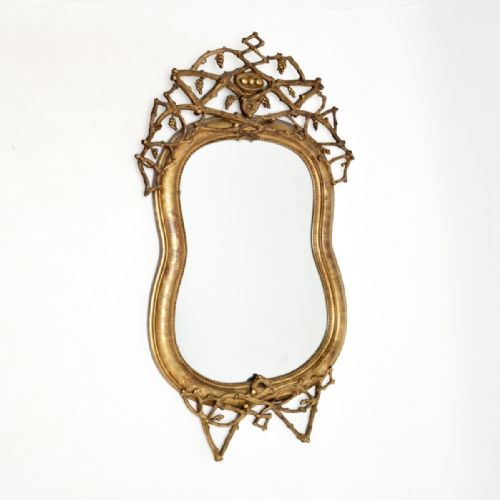
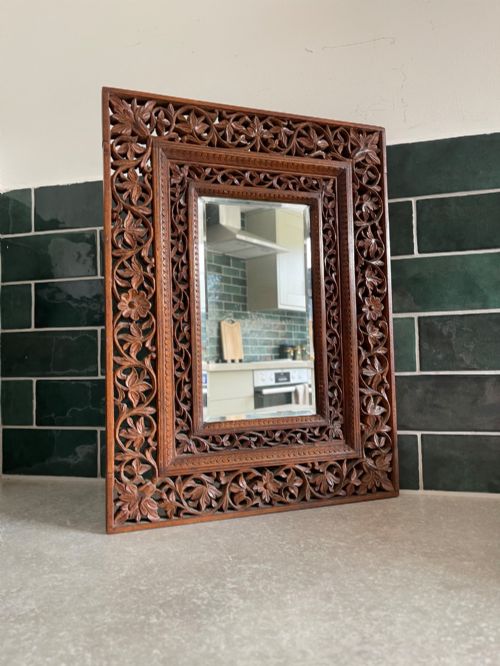

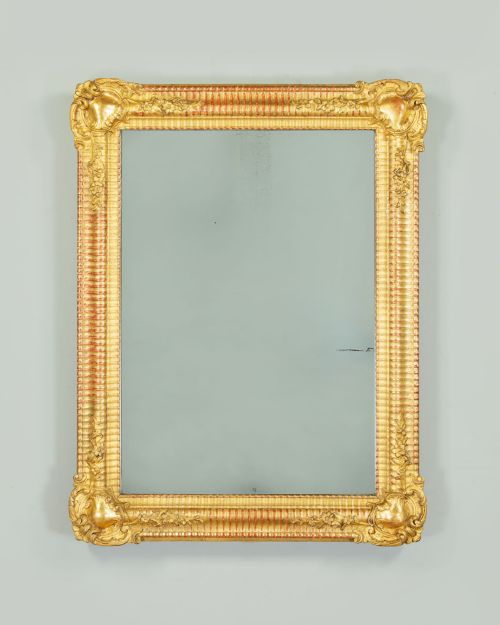
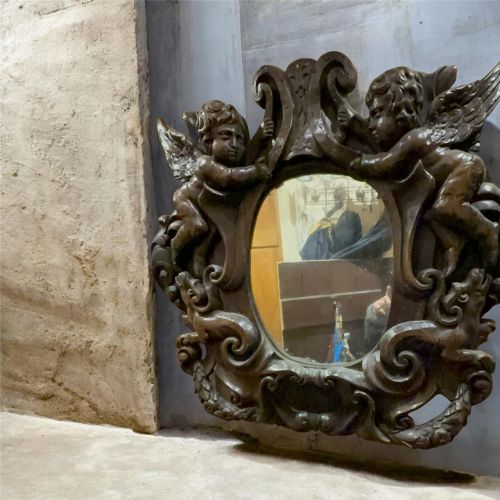



Ornate Wooden Mirror
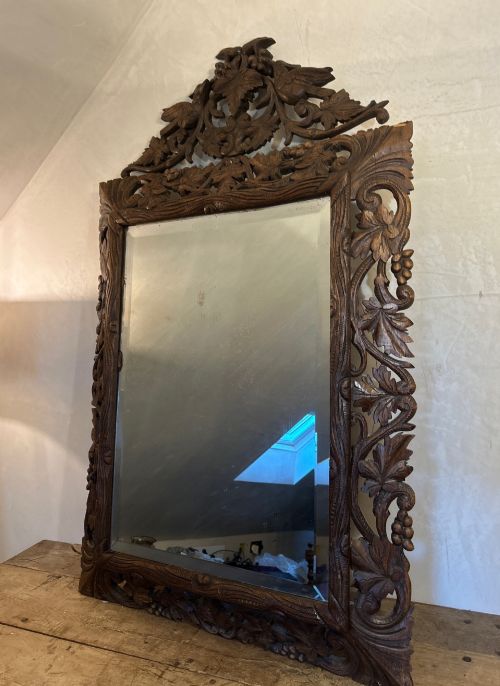
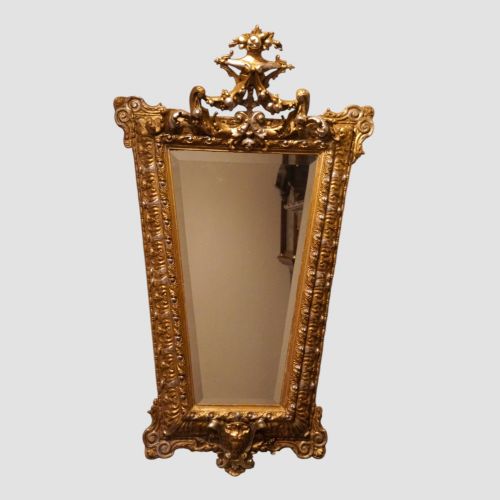
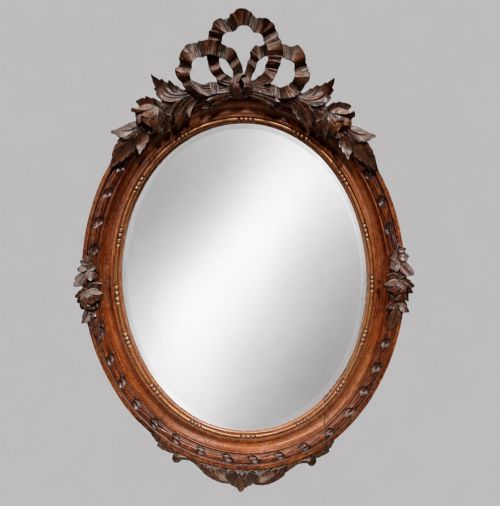
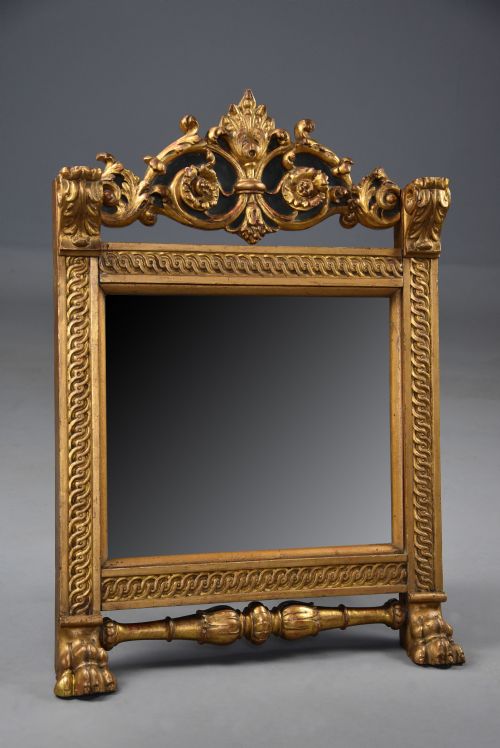
An ornate wooden mirror brings heavy carving, gilt surfaces, and considerable presence into a room.
Ornate Wooden Mirror
An ornate wooden mirror satisfies a demand for sculptural wall furniture spanning several centuries of European and global craftsmanship. Buyers encounter heavy carved oak, delicate fruitwood, and substantial overmantel formats designed to anchor a room.
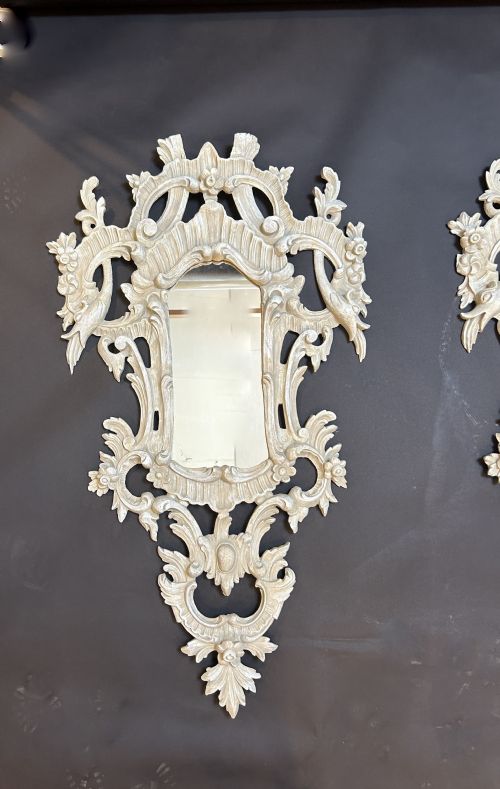
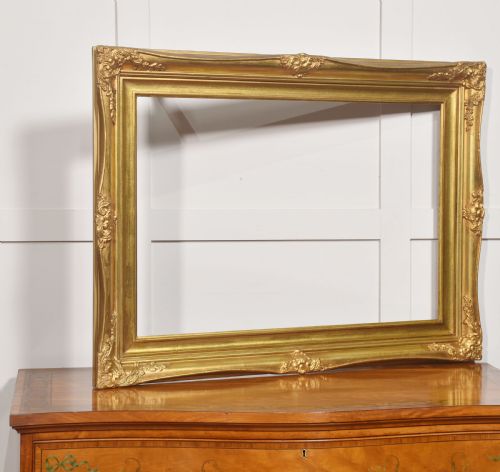
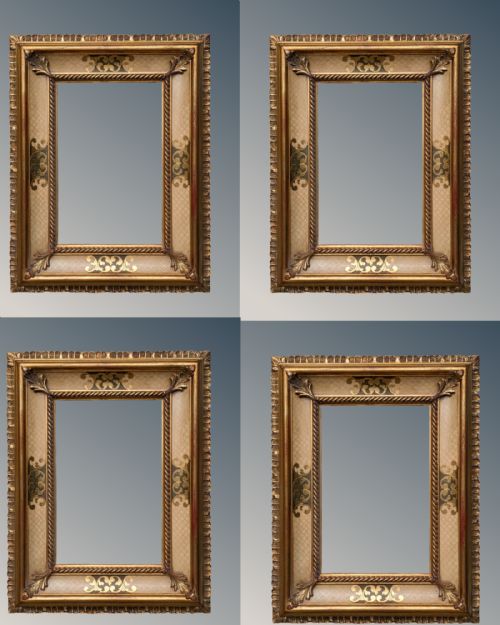
The selection ranges from eighteenth-century giltwood works to nineteenth-century revival styles including Rococo, Baroque, and French Chateau designs. Wall mirrors dominate the selection, alongside table mirrors, picture frames, and occasional architectural pieces.
Continental workshops, particularly Italian and French makers, supply many of the gilt and carved pieces seen here. English oak examples and Anglo-Indian variations round out the material palette available to collectors.
How they were made
Carvers shaped solid timbers such as oak, walnut, mahogany, and fruitwood by hand before applying decorative surface treatments. Gesso and gold leaf layers provided a smooth base for rich gilding and silver-gilding.
Makers utilised traditional joinery to construct heavy frames capable of supporting thick glass plates. Paint finishes, ebonisation, and intricate engraved glass plates completed the decorative scheme.
A few frames hide secret religious iconography, including flaming sacred hearts intended to watch over the household.
What varies in quality
The depth and definition of the wood carving set masterworks apart from standard decorative pieces. Crisp undercut foliage and figures demonstrate superior workshop skill compared to shallow machine shaping.
The preservation of original gold leaf, gesso, and silver-gilt surfaces dictates collector value. Intact original mirror plates and genuine period frames hold more authority than later assembled components.
The Ornate Wooden Mirror Glossary
- Giltwood
- Wood that has been coated with gold leaf or gold paint. This finish creates a luminous reflective surface common in Rococo and Baroque frames.
- Gesso
- A plaster mix applied to wood frames to create a smooth surface for gilding. Artisans carved intricate relief patterns directly into this hardened layer.
- Overmantel mirror
- A large horizontal mirror designed to hang above a fireplace mantel. These pieces traditionally dominated the main reception rooms of period homes.
- Rococo Revival
- A nineteenth-century design movement copying the asymmetrical scrolls, shells, and C-curves of the eighteenth century. This style accounts for many heavily decorated frames in the current selection.
- Trapezoidal
- A quadrilateral shape with two parallel sides of unequal length. Mirrors of this form offer unusual geometric presence on a wall.
Ornate Wooden Mirror: Frequently Asked Questions
Where should I hang an ornate wooden mirror?
These pieces function well above mantelpieces, console tables, and in entrance halls where their carved frames catch the light. Their substantial weight requires secure fixing directly into wall studs or masonry.
Positioning them opposite a window helps maximise natural light and creates an illusion of greater room depth.
Are the mirror plates original?
Many pieces retain their original glass, which often displays minor foxing, dark spots, and small bubbles from historical manufacturing methods. These imperfections confirm age and authenticity rather than acting as faults.
Some frames have received replacement mirror plates over the centuries to maintain clarity for everyday use.
How do I identify a Rococo revival piece?
Rococo revival items feature asymmetrical scrollwork, naturalistic leaf motifs, C-scrolls, and shell ornaments carved into wood or moulded in gesso. Nineteenth-century makers adopted these eighteenth-century motifs enthusiastically for grand domestic interiors.
Examining the backboards, fixings, and wood ageing helps confirm whether a piece dates to the original eighteenth century or the later revival period.