

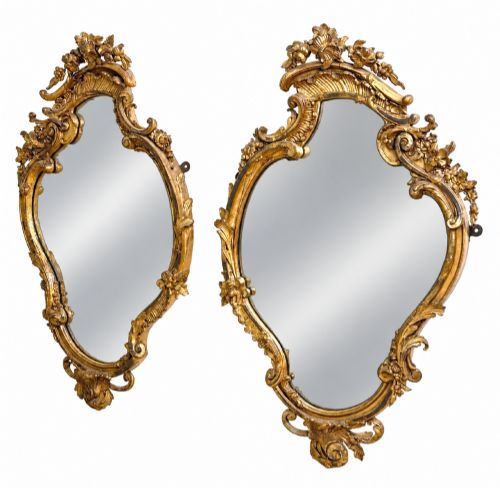
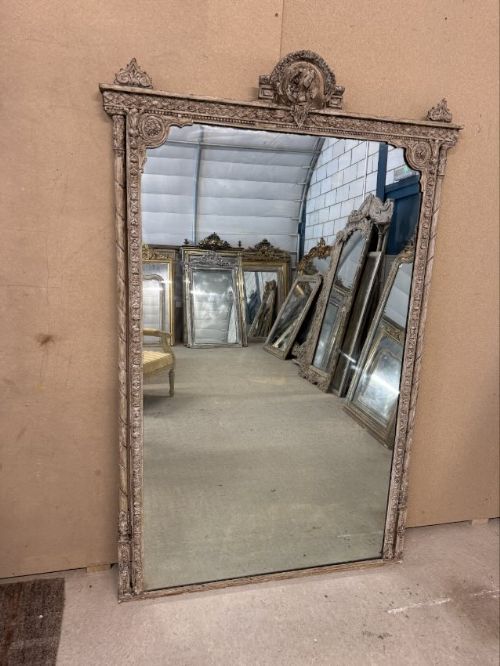
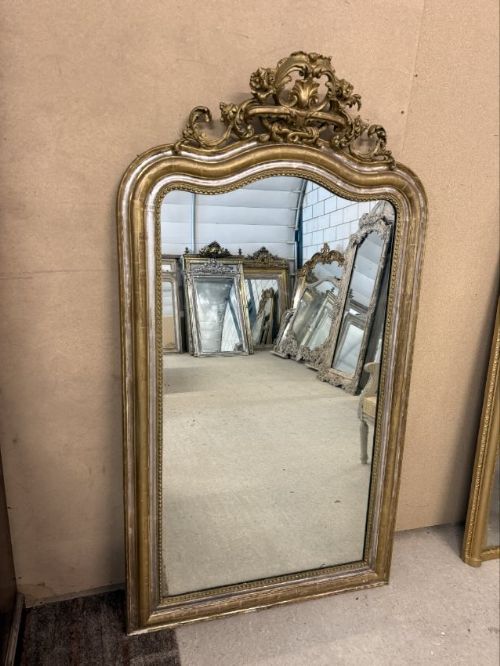
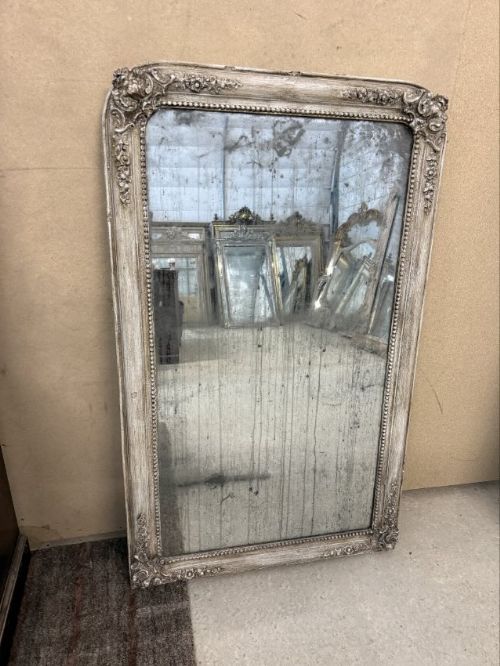
Gesso Framed Mirror
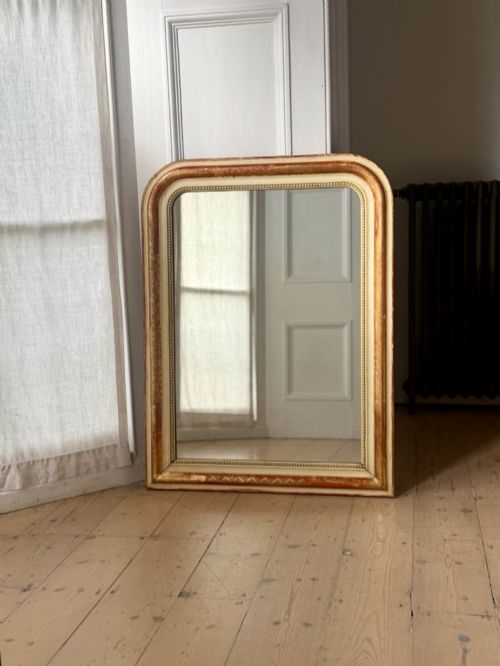
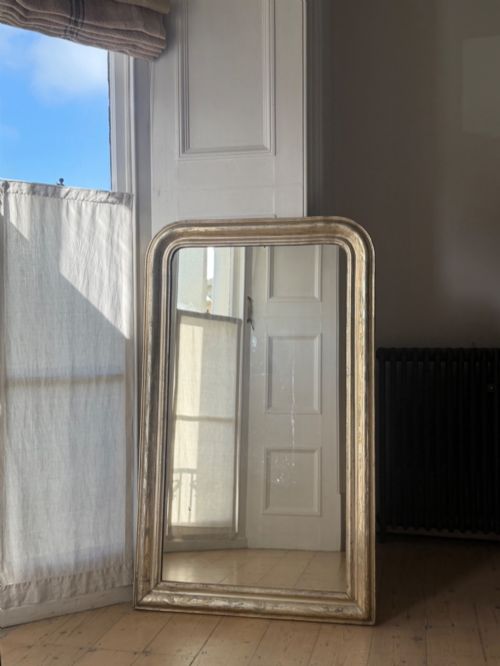
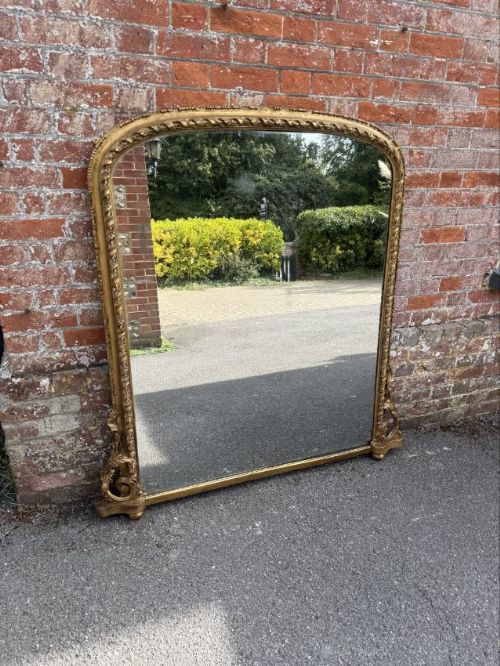
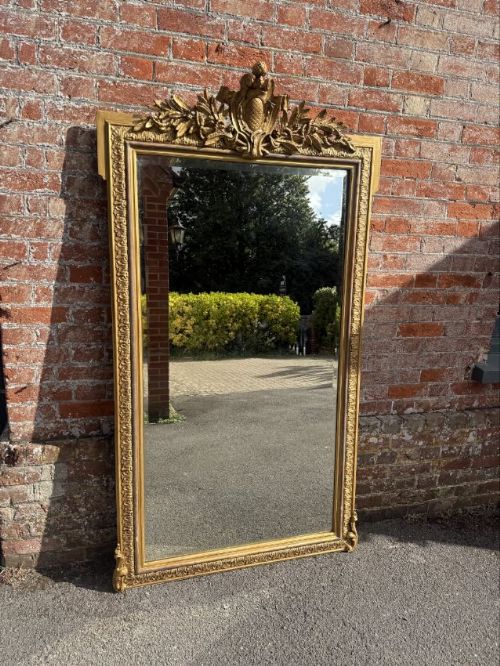
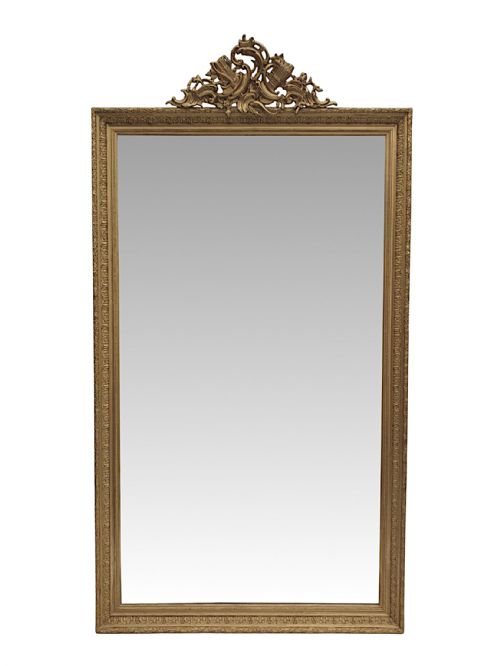
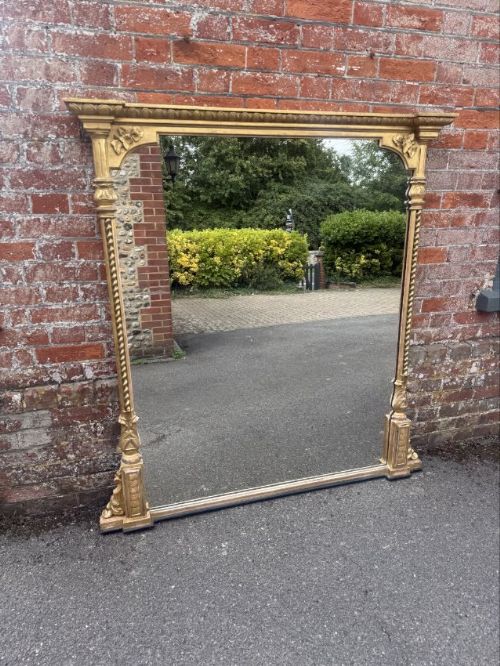
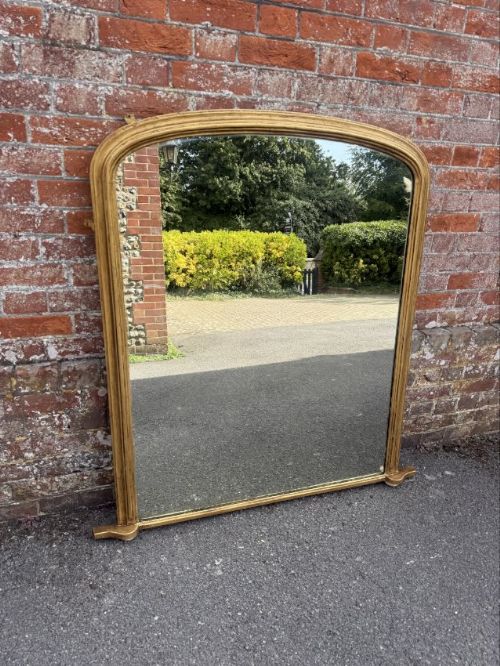
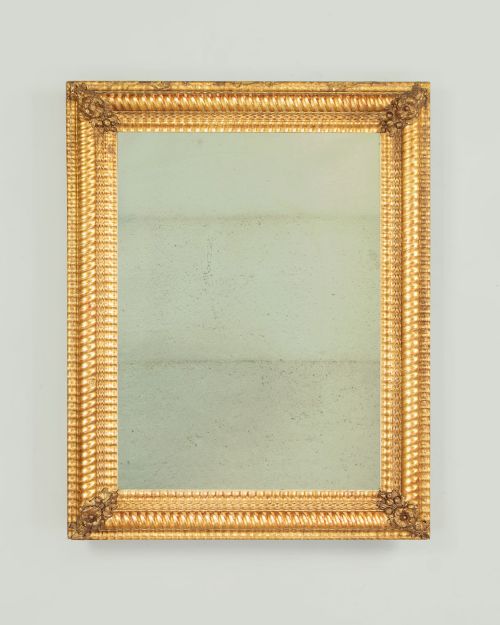
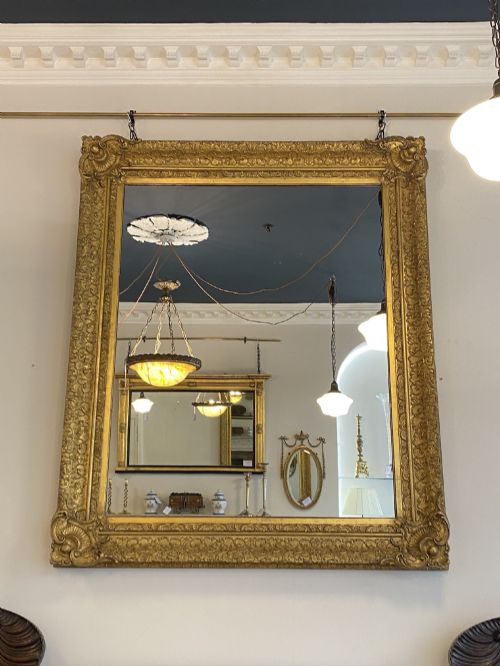
These gesso framed mirror pieces bring grand nineteenth-century presence and reflective light into a room through carved wooden structures finished in fine plaster work.
Gesso Framed Mirror
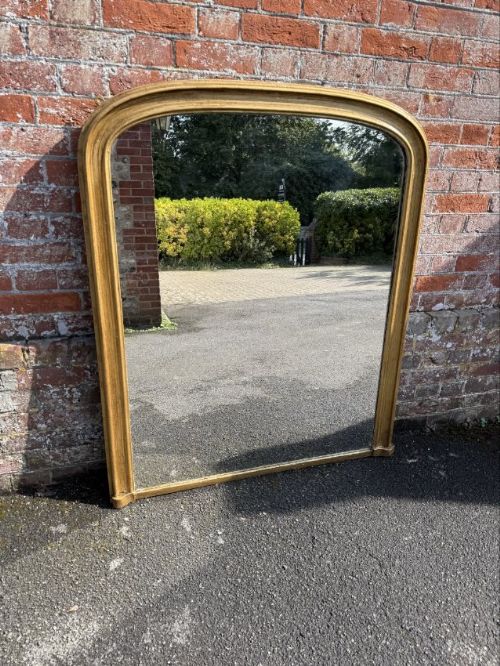
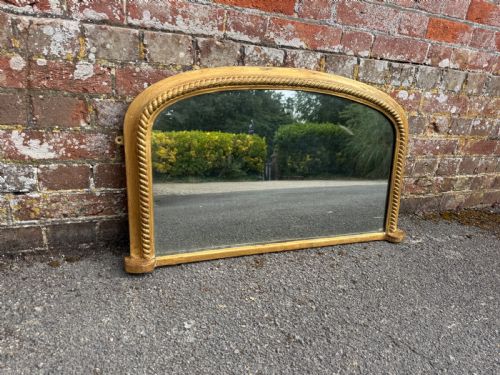
A gesso framed mirror serves as a prominent decorative focal point, frequently found in large overmantel formats designed to hang above fireplaces. These objects originate predominantly from nineteenth-century English and French workshops, encompassing Victorian and Rococo Revival styles.
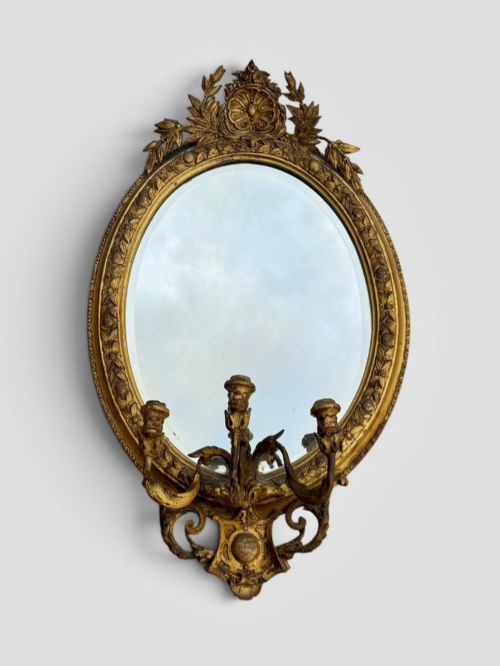
Buyers will frequently encounter substantial arched top or rectangular wall mirrors featuring elaborate moulded frames. Smaller pier mirrors and oval variants also appear across the selection, drawing on earlier eighteenth-century George I and Louis XV design idioms.
How They Were Made
Craftsmen built the foundational structure from carved wood, applying layers of gesso - a mixture of plaster of Paris or chalk with gluebinder - to shape intricate surface ornaments. This plaster compound allows for crisp relief moulding, capturing fine details like rope twists, ribbed patterns, and laurel leaves.
The prepared surfaces received finishes of gold leaf, silvered metal, or paint, often combined with mirror glass plates. Artisans utilised traditional gilding techniques to adhere thin metal leaf over the gesso base, creating the characteristic reflective metallic sheen.
Gesso Framed Mirror Retail Price Guide 2026
Typical asking prices for gesso framed mirror among the pieces listed under this phrase on Sellingantiques today, from the lower quarter to the upper quarter. They describe what is for sale here now, not the wider market.
What Varies in Quality
The depth and crispness of the moulded ornament separate standard pieces from superior examples. Finely executed relief work displays sharp definition in motifs such as rope twists and floral garlands, whereas lower quality items present softer, shallower contours where the gesso has filled in the finer carving lines.
Originality of the surface finish and the mirror plate dictates desirability. Items retaining their untouched early gilding or original mercury glass plates demonstrate higher integrity than those with heavily restored or completely renewed paint and silvering.
John Belchier
The Gesso Framed Mirror Glossary
- Gesso
- A plaster-based mixture applied to a wooden substrate to provide a smooth, sculptable surface for gilding or painting. It allows craftsmen to model intricate low-relief decorations.
- Overmantel Mirror
- A large mirror specifically designed in proportion to sit directly upon the mantelpiece above a fireplace. These pieces often feature arched tops to follow architectural chimney breasts.
- Giltwood
- Timber that has been coated with gold leaf or gold paint. True antique examples employ thin sheets of gold applied over a prepared gesso layer.
- Pier Mirror
- A tall, narrow mirror traditionally hung on the section of wall between two windows. They reflect additional light into darker architectural spaces.
- Girandole
- A decorative wall mirror featuring attached candle sconces branching from the frame. The polished glass and gilt surface multiply the flickering candlelight.
Gesso Framed Mirror: Frequently Asked Questions
Where should I hang an overmantel mirror?
These large pieces anchor domestic spaces by mounting securely to the wall directly above a living room fireplace mantel. Their substantial scale helps to reflect natural light across the entire room.
Ensure the wall fixings engage directly with structural studs or masonry, given the considerable combined weight of the timber, gesso, and glass.
How do I clean a gesso frame?
Dust the ornate relief work gently using a soft, dry artist brush or a feather duster. Avoid applying liquid cleaners directly to the gesso surface.
Moisture can soften the historic plaster mixture and lift the delicate gold leaf or painted finish from the underlying carved wood.
How can I tell a nineteenth-century mirror from a reproduction?
Examine the construction of the wooden backing boards and the composition of the gesso layer under magnification. Period pieces display shrinkage cracks in the plaster and oxidized backing materials consistent with age.
Hand-carving marks on the reverse timber frame and slight distortions in the antique glass plate also point to nineteenth-century manufacture.
What is mercury glass?
Older mirrors often utilised a tin and mercury amalgam poured behind the glass plate to create the reflective coating. This historic silvering method produces a characteristic mottled, dark speckled appearance.
Over decades, the amalgam develops unique oxidation patterns that distinguish authentic early plates from modern mirror glass.