



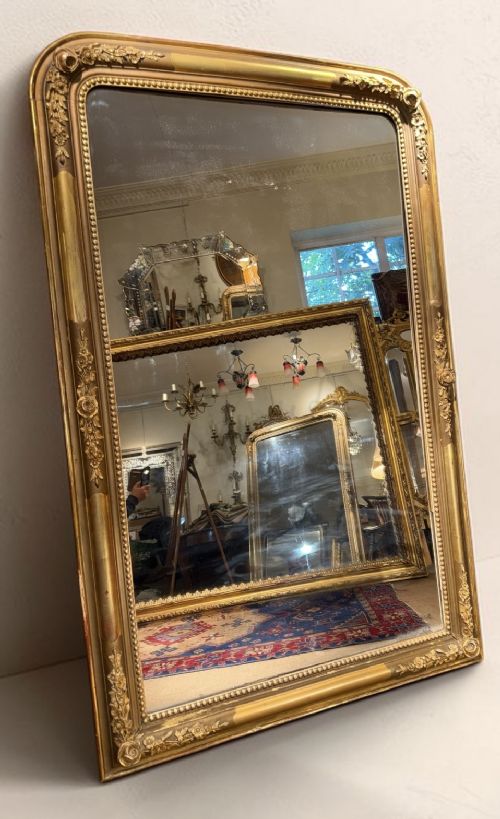

Beaded Gilt Frame Mirror
These beaded gilt frame mirror pieces bring architectural depth and reflective light to a room, drawing the eye with their textured borders.
Beaded Gilt Frame Mirror
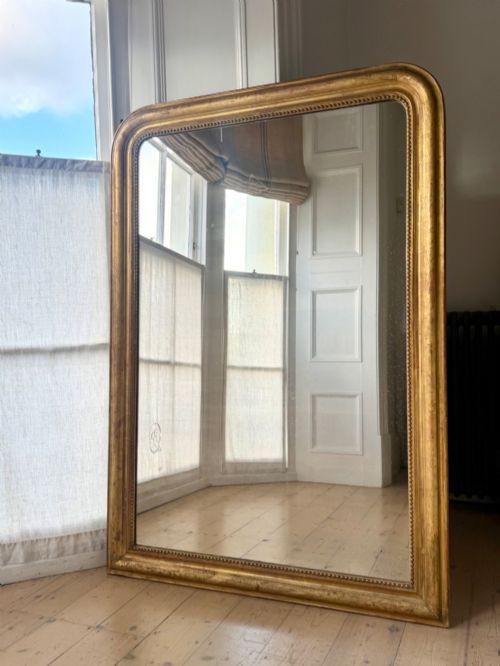
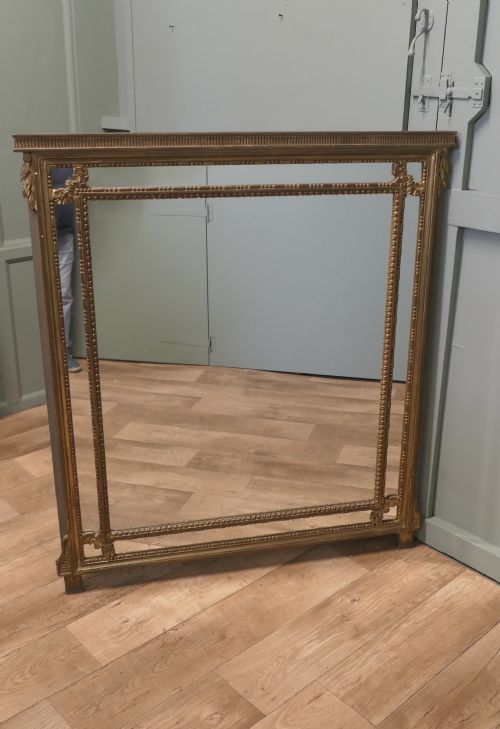
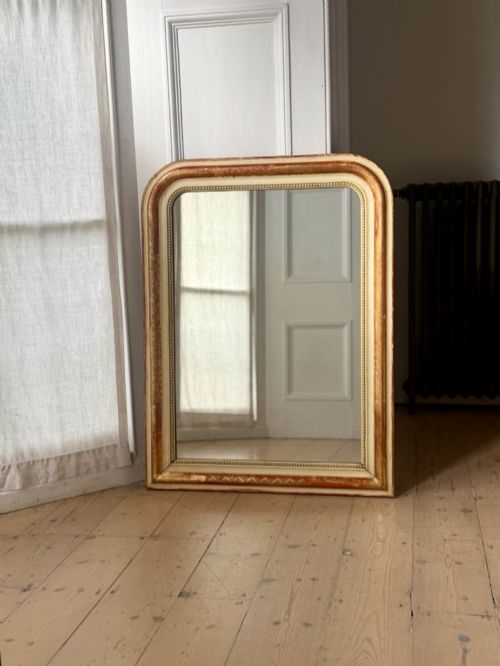
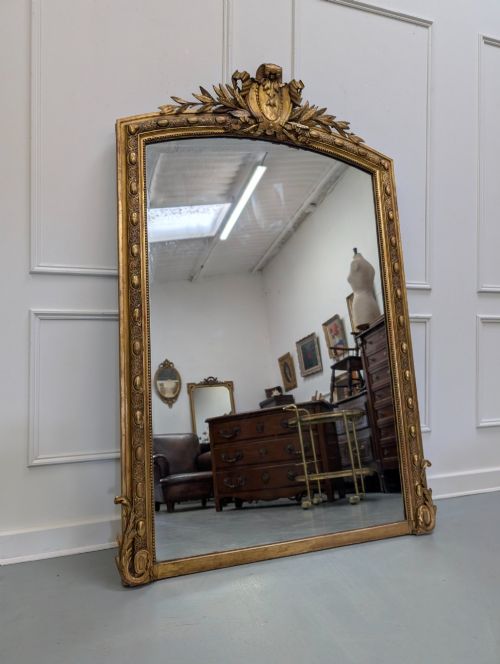
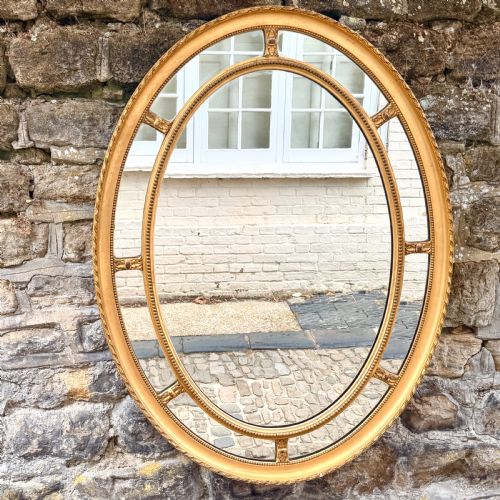
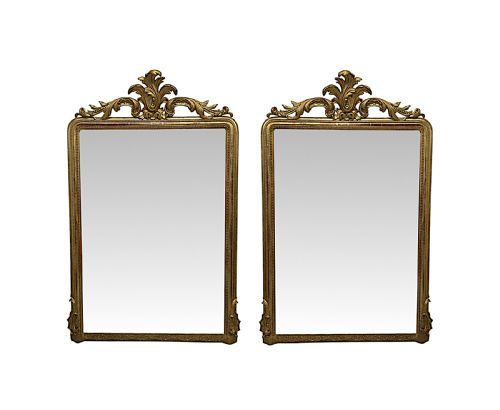
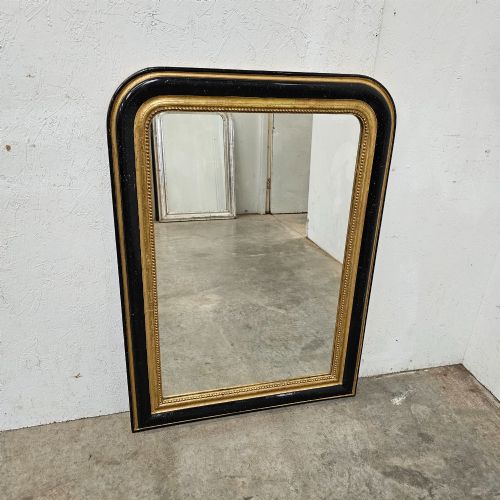
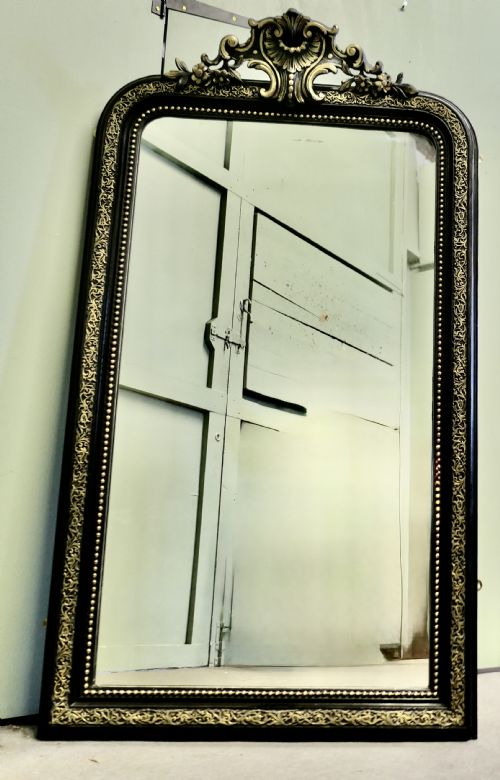
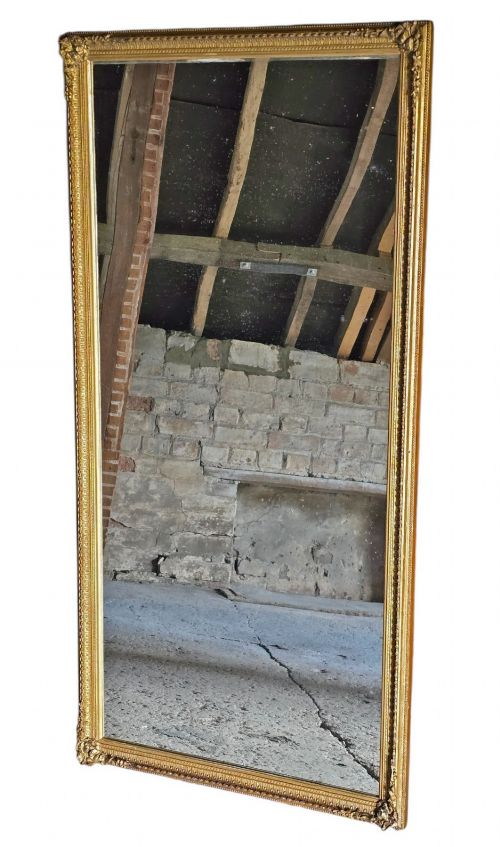
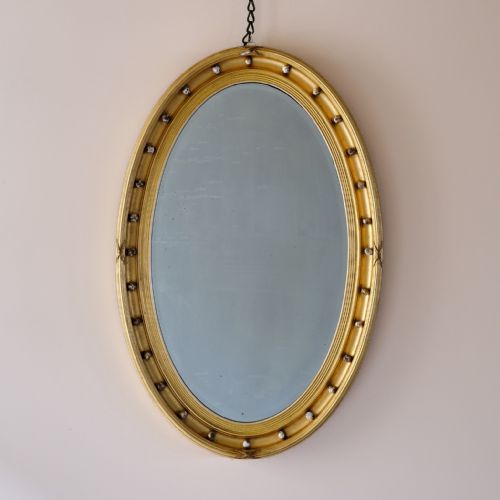
When you search for a beaded gilt frame mirror, you encounter wall-hanging and overmantel forms spanning the Georgian, Victorian, and Edwardian periods alongside French designs. The selection relies heavily on nineteenth-century craftsmanship, featuring Louis Philippe styles, oval shapes, and grand scale rectangular formats.
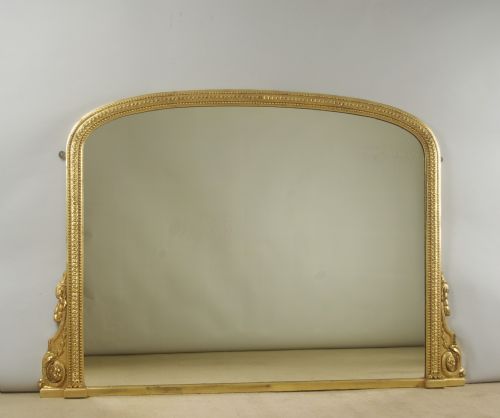
The most common examples on this page are substantial overmantel mirrors and tall wall mirrors, often incorporating carved wood and gesso ornamentation. These items originate from British and French workshops, utilising traditional formats designed to anchor a principal room.
Makers and artisans of the period constructed these objects to serve as focal points above mantelpieces or along large expanses of wall. The inclusion of beaded detailing provides a refined textural contrast to the smooth reflective surface of the glass.
Materials and construction
Makers built these frames using timber carcase foundations finished with applied gesso and composition ornamentation to create crisp decorative profiles. Gilding was then applied using gold leaf or metallic finishes over prepared surfaces to achieve a luminous appearance.
The glass panels within these frames range from traditional mercury glass with natural foxing to replacement plates fitted during later restoration work. Carved wood details provide structural stability while supporting the intricate beaded borders characteristic of the style.
Beaded Gilt Frame Mirror Retail Price Guide 2026
Typical asking prices for beaded gilt frame mirror among the pieces listed under this phrase on Sellingantiques today, from the lower quarter to the upper quarter. They describe what is for sale here now, not the wider market.
Listings feature eighteenth, nineteenth, and twentieth-century examples, incorporating glass, gesso, giltwood, and wood across Victorian, Louis Philippe, and Regency styles.
Distinctions in quality
Quality rests in the crispness of the carved wood and the depth of the gesso relief work along the beaded borders. Superior examples exhibit hand-carved precision rather than mass-moulded composition, maintaining sharp detail through generations of handling.
The integrity of the original gilding and the preservation of the antique mirror glass also determine the standing of a piece. Original mercury plates showing subtle foxing contribute to authenticity, whereas clumsy regilding or unsympathetic glass replacements alter the character of the object.
The Beaded Gilt Frame Mirror Glossary
- Gesso
- A plaster-like mixture applied to wood frames to create a smooth surface for carving and gilding. This material allows for intricate relief work such as floral motifs and beaded edges.
- Giltwood
- Timber that has been coated with gold leaf or metallic powder. It provides a warm, reflective finish that catches ambient light in a room.
- Overmantel mirror
- A large mirror specifically designed to hang above a fireplace mantel. These pieces often feature arched tops or landscape proportions to suit the wall space.
- Mercury glass
- A type of double-walled silvered glass popular in older mirrors. It develops characteristic dark spots, known as foxing, over time.
- Foxing
- The natural ageing process in mirror glass that appears as small dark spots or cloudiness. This oxidation indicates the age of the plate.
Beaded Gilt Frame Mirror: Frequently Asked Questions
How do I clean an antique gilt frame?
Dust the surface gently with a soft, dry brush to remove loose particles without disturbing the delicate gilt finish. Avoid using liquid cleaners or commercial polishes, which can strip the gold leaf or damage the underlying gesso.
For the glass plate, apply a mild glass cleaner to a cloth rather than spraying directly onto the mirror. This prevents moisture from seeping behind the frame and causing further foxing to the silver backing.
Where should I hang an overmantel mirror?
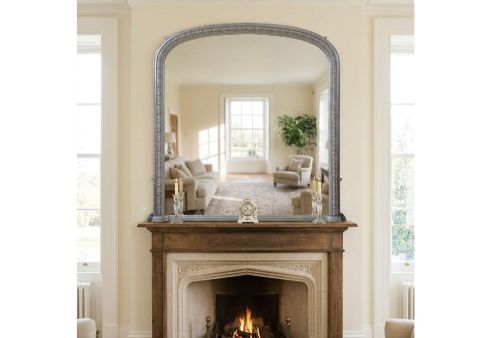
Position the piece centrally above a fireplace mantel to follow traditional interior placement. Ensure the wall anchors are rated to support the substantial weight of the timber and gesso frame.
Alternatively, mount the mirror opposite a window to maximise natural light distribution throughout the room. Keep the base at a comfortable viewing height relative to surrounding furniture.
What is foxing on mirror glass?
Foxing refers to the small spots, freckles, and cloudy patches that develop on antique mirror plates over decades. This oxidation occurs when air interacts with the reflective backing behind the glass.
Collectors often value foxing as evidence of genuine age and historical authenticity rather than a defect. It adds character and a soft, muted reflection compared to modern crystal glass.
How do I date a nineteenth-century mirror?
Examine the construction methods visible on the reverse of the frame, including timber types and joining techniques. Hand-cut screws, early fixings, and chalk inscriptions often provide clues to the manufacturing decade.
Compare the decorative style, such as Louis Philippe curves or Victorian acanthus carving, against documented period designs. The presence of original mercury glass further narrows down the production era.