
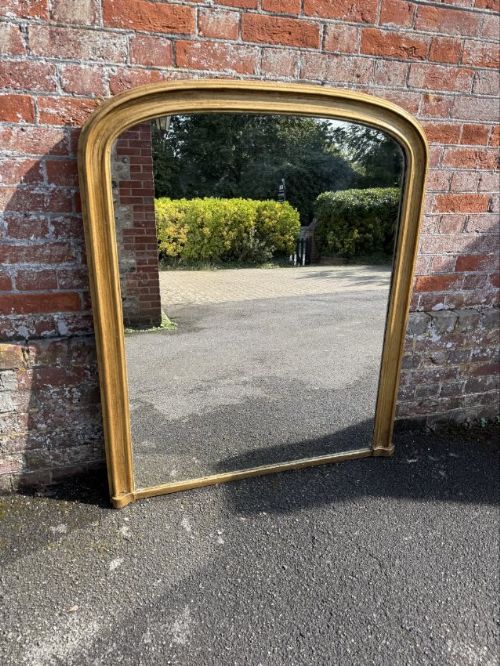
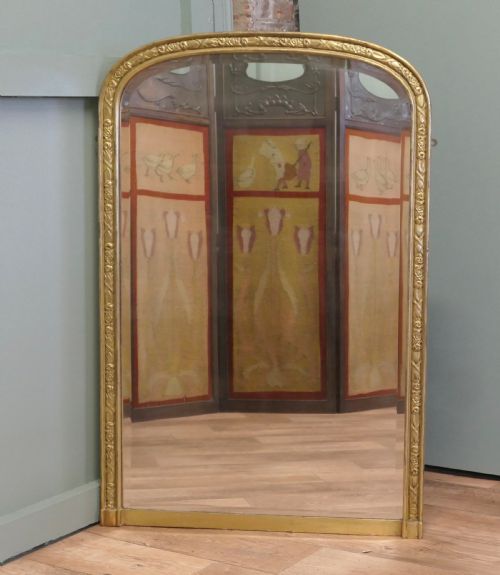


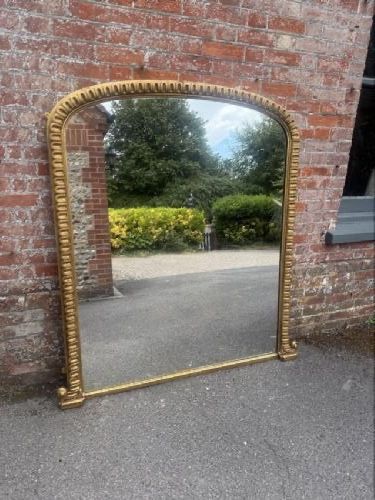
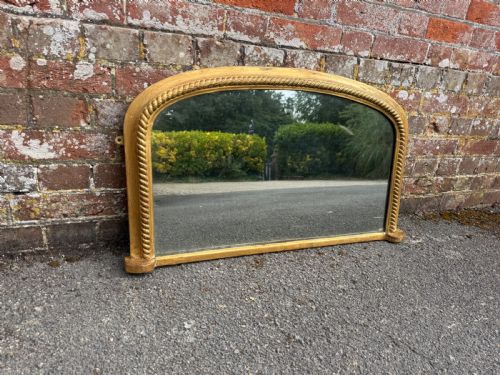
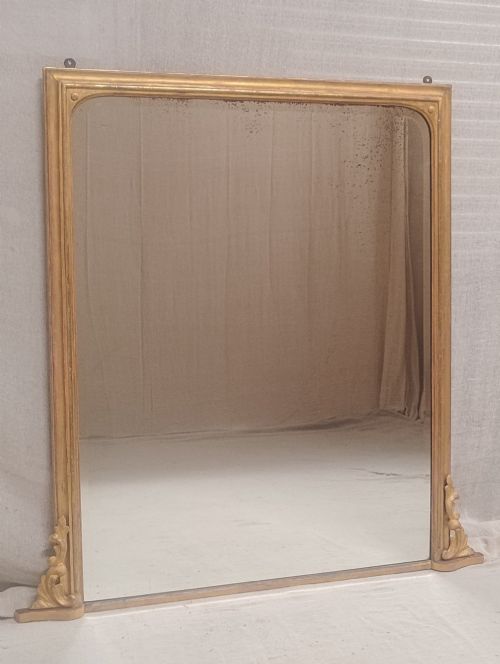
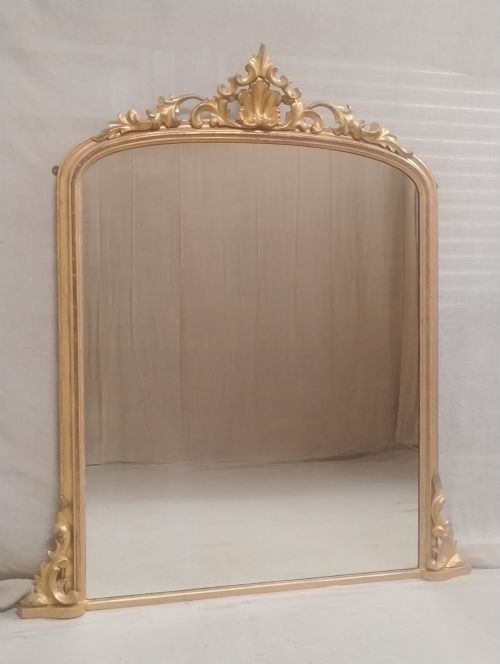
Gilded Arch Mirror
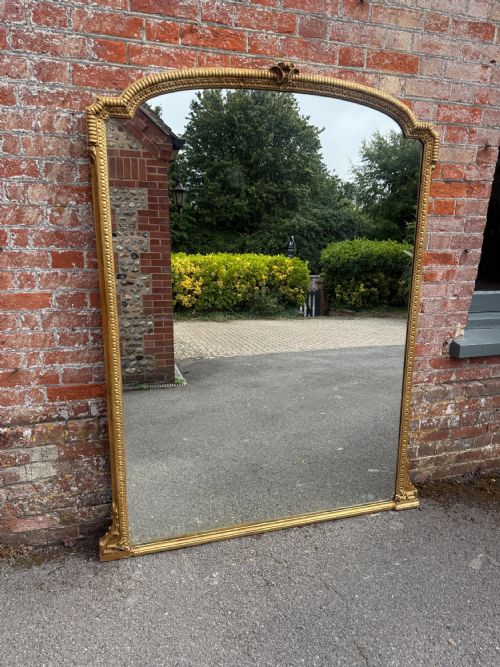
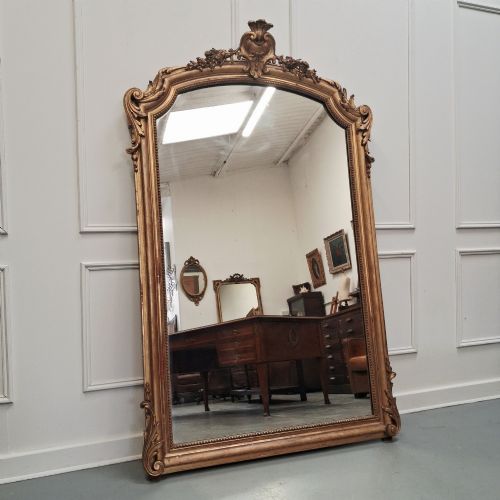
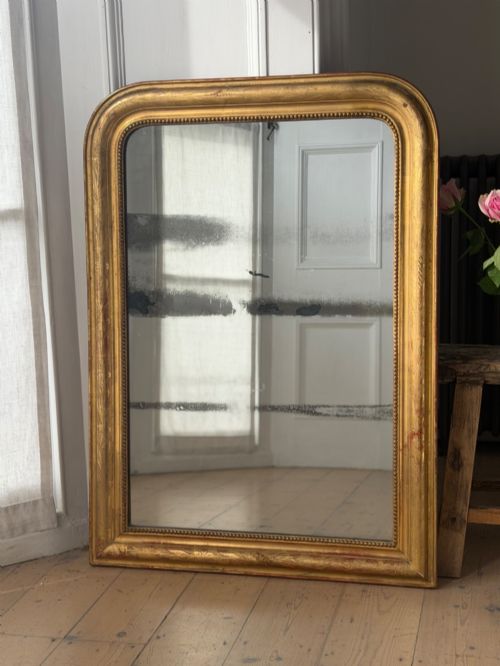
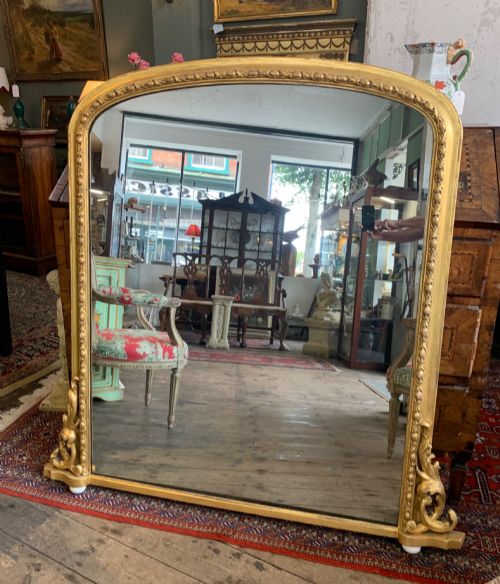
A gilded arch mirror brings height and reflected light into a room, spanning grand Victorian overmantels and tall French Louis Philippe designs.
Gilded Arch Mirror
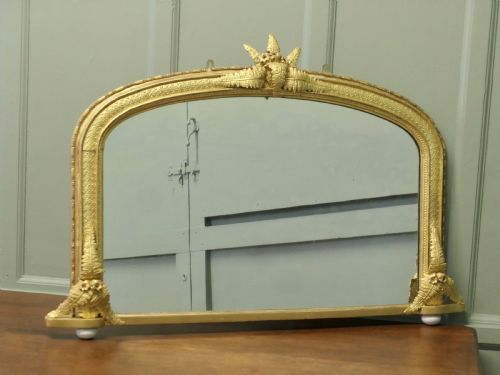
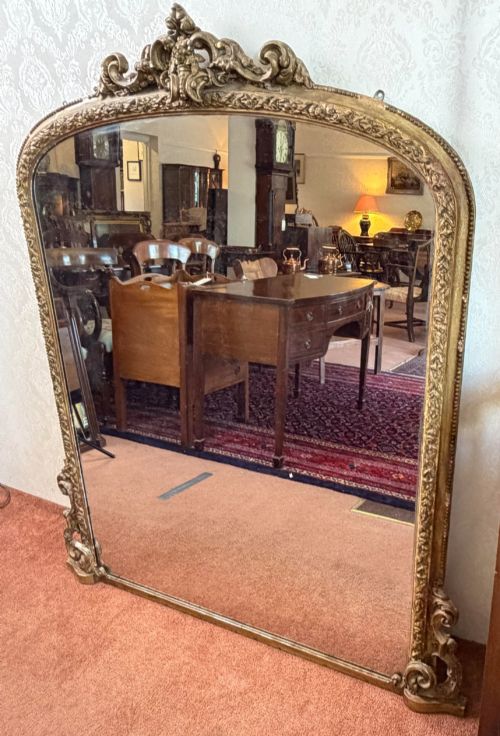
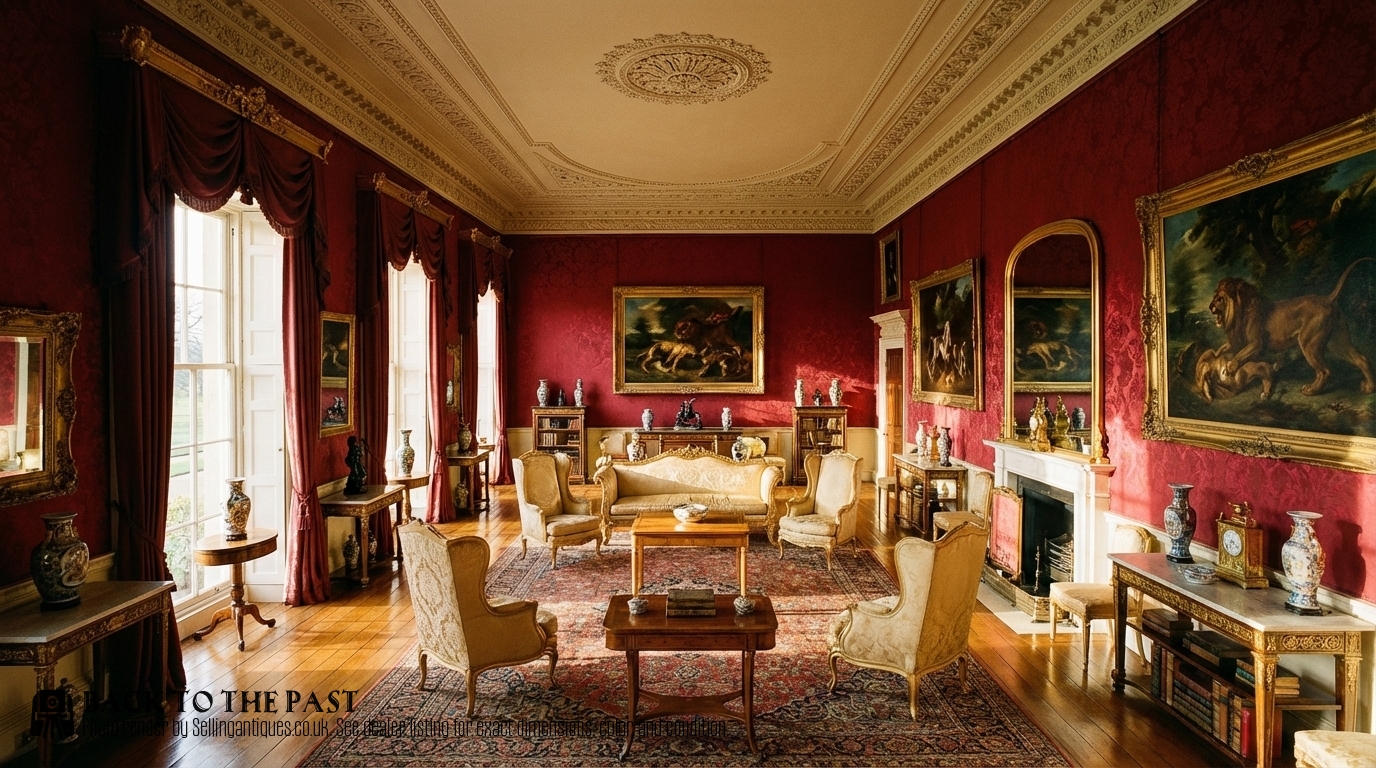
A gilded arch mirror most frequently appears as a large overmantel mirror designed to sit above a fireplace, originating from the 19th Century, Victorian, and Georgian periods. These pieces combine curved top frames with substantial proportions, often spanning significant heights and widths to dominate a chimney breast.
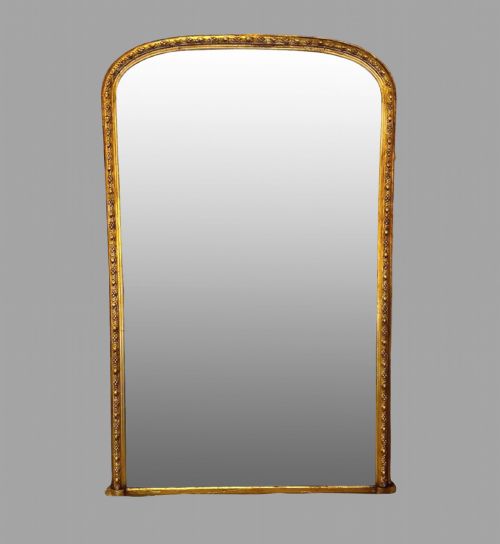
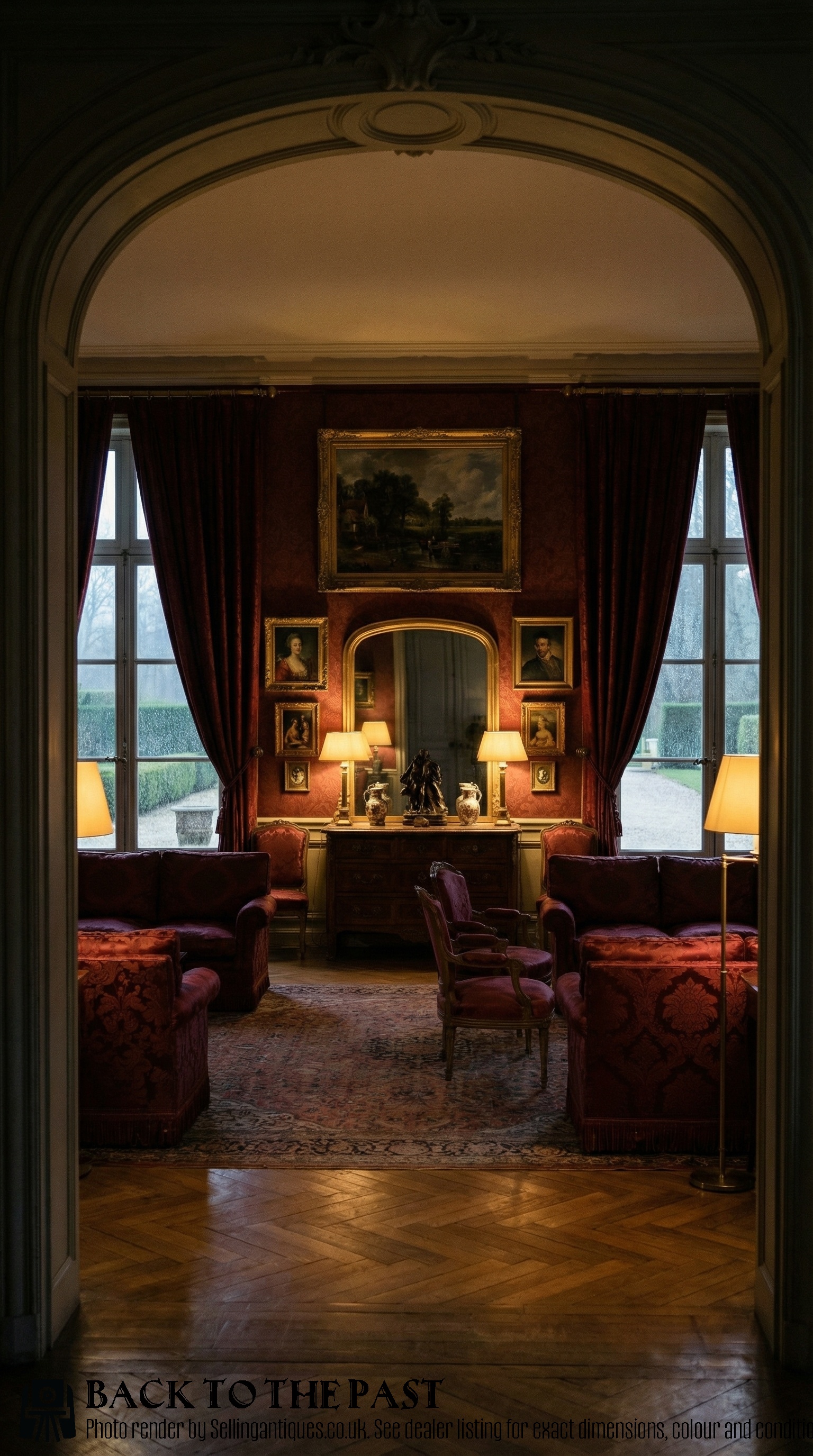
Beyond English overmantels, buyers frequently encounter French variations from the 19th Century and Louis Philippe eras alongside architectural pier mirrors. These wall-mounted items share the characteristic arched top profile but utilise narrower proportions suited for placement between windows or above console tables.
Materials and Construction
Makers constructed these frames from carved wood, gesso, and composition applied over a timber substrate, which provided a stable base for decorative mouldings. Artisans then applied gold leaf or gilt paint to the prepared surface, creating the reflective metallic finish characteristic of the style.
Glass plates were silvered using traditional techniques, including mercury silvering in earlier periods, which frequently results in foxing and age spots over time. Frames often incorporate ribbed, rope twist, or deeply carved details shaped directly into the wood and composition layers.
Gilded Arch Mirror Retail Price Guide 2026
Typical asking prices for gilded arch mirror among the pieces listed under this phrase on Sellingantiques today, from the lower quarter to the upper quarter. They describe what is for sale here now, not the wider market.
Some maritime-inspired examples feature rope twist carvings designed to bring nautical flair inland.
Assessing Quality and Execution
The crispness of the carved wood and the depth of the gesso mouldings separate standard production items from superior examples. Skilled carvers produced crisp rope twist and floral motifs that retain sharp definition beneath the gilding.
Originality of the glass and the gilding heavily influences the character of the piece. Retaining the original mercury glass or early silvered plates alongside untouched gold leaf represents a higher standard of preservation.

The Gilded Arch Mirror Glossary
- Gesso
- A mixture of gypsum and binder applied to wood frames to create a smooth surface for gilding. This material allowed makers to carve intricate relief decorations.
- Overmantel
- A large mirror specifically proportioned to hang on the wall directly above a fireplace mantelpiece. These items typically feature wide horizontal or tall arched formats.
- Pier Mirror
- A tall, narrow mirror designed to hang on the section of wall between two windows. They often sat above matching console tables.
- Louis Philippe
- A French style spanning the 19th Century characterised by simpler, elegant arched tops and understated framing. These pieces avoid excessive ornamentation in favour of clean architectural lines.
- Foxing
- Age-related spots and discoloration appearing within the silvered backing of antique glass. This natural oxidation process creates dark speckles across the reflection.
Gilded Arch Mirror: Frequently Asked Questions
How do I hang a heavy overmantel mirror?
These large frames require secure fixings anchored directly into structural wall studs or masonry to support the substantial combined weight of wood and thick glass.
Professional mirror hangers typically utilise heavy-duty steel brackets or split battens attached to the sturdy wooden backing of the frame.
Are the mirror plates original?
Many 19th Century pieces retain their original glass, which often displays characteristic foxing, minor surface ripples, and slight cloudiness around the edges.
Replacement glass appears clean and uniform without age spots, whereas authentic older plates show distinct signs of chemical oxidation behind the surface.
What is the difference between an overmantel and a pier mirror?
Overmantel mirrors were built wide and substantial to span the horizontal space above a fireplace opening. Pier mirrors were constructed tall and narrow to fit the restricted wall space between windows.
Both share the arched top profile, but their proportions reflect their original architectural placement within a room.