

Vintage Gold Frame Mirror
A vintage gold frame mirror brings warmth and reflective depth to a room, drawing on centuries of European craftsmanship.
Vintage Gold Frame Mirror
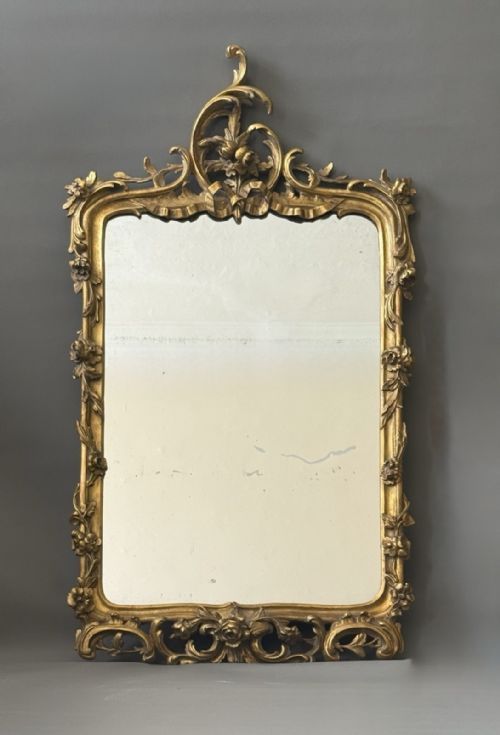
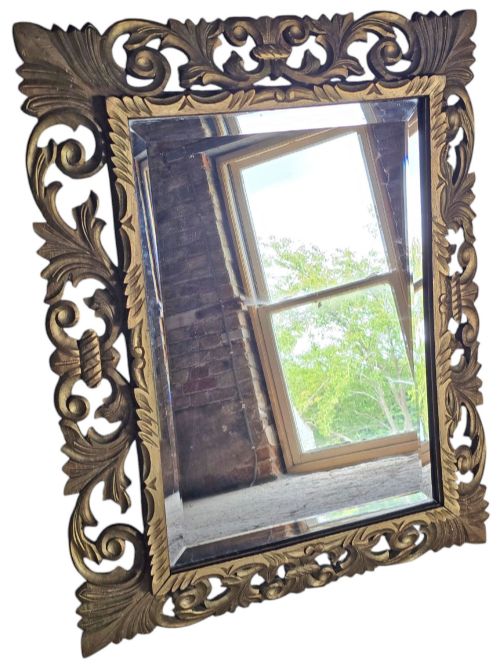
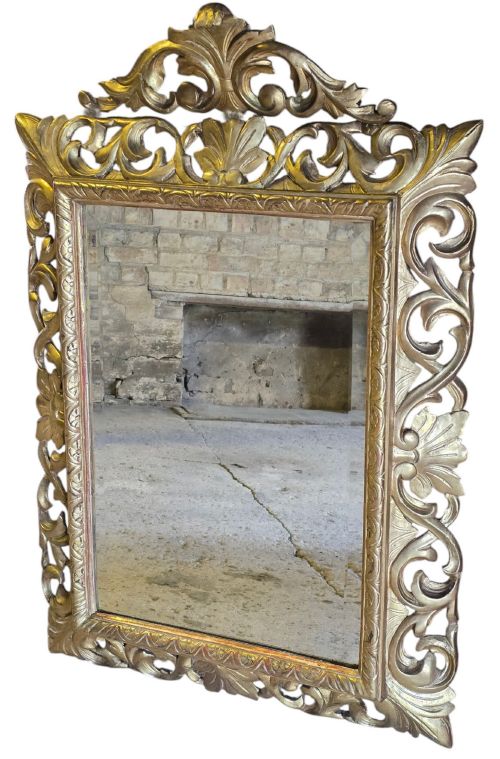
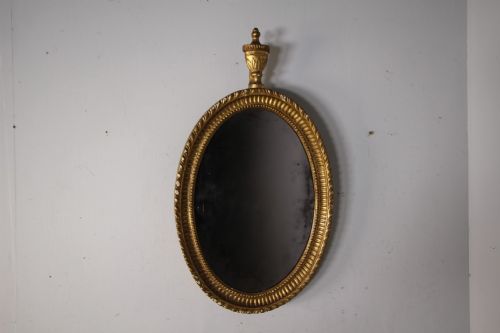
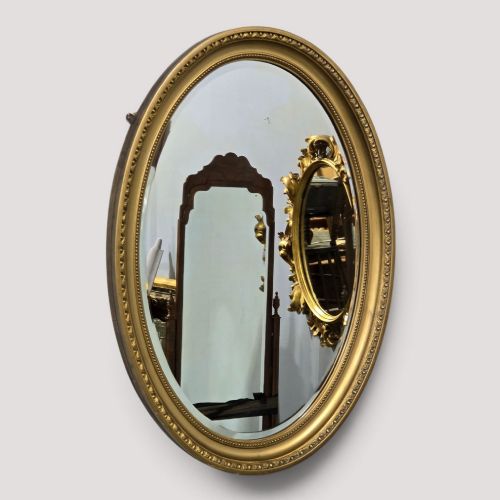
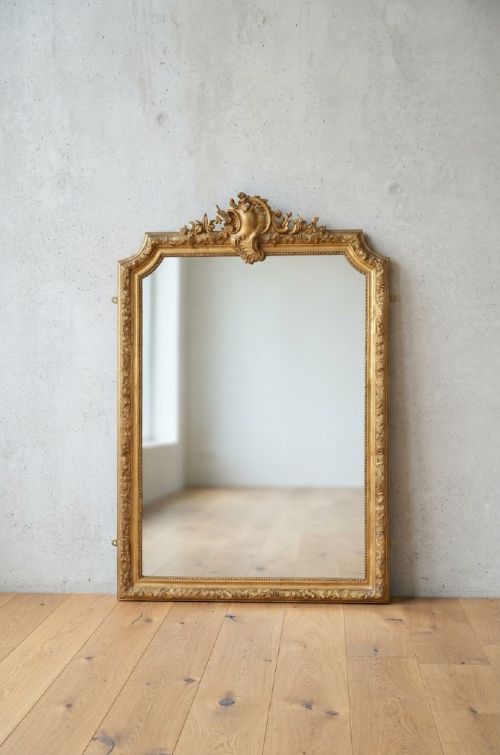
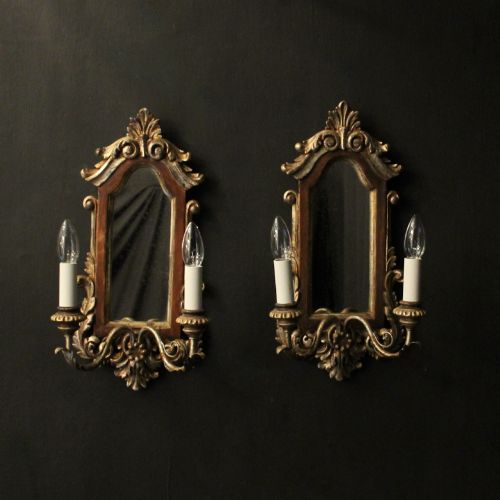
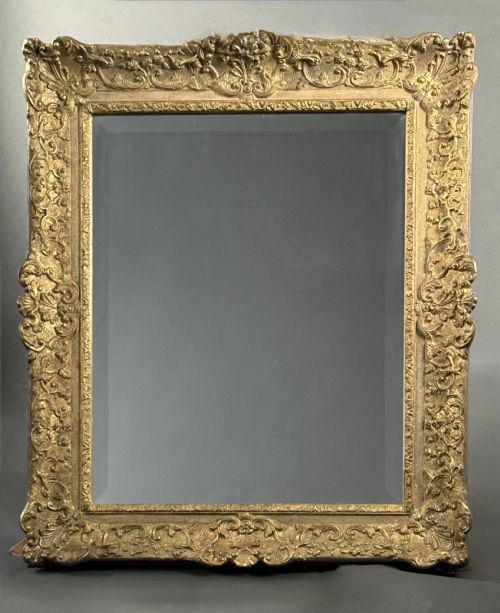
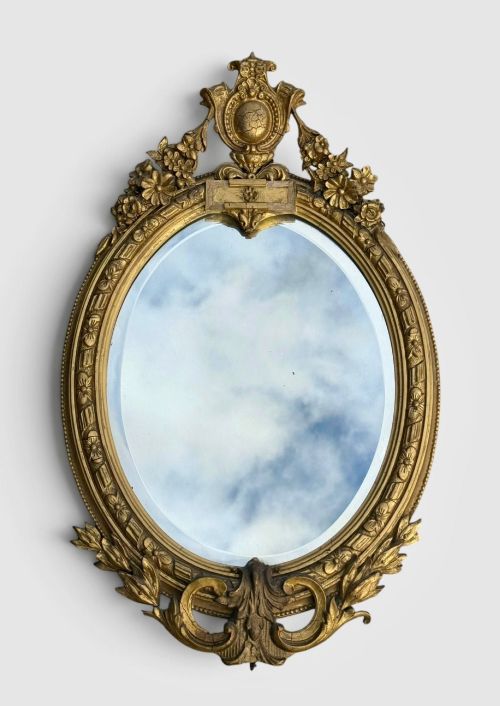
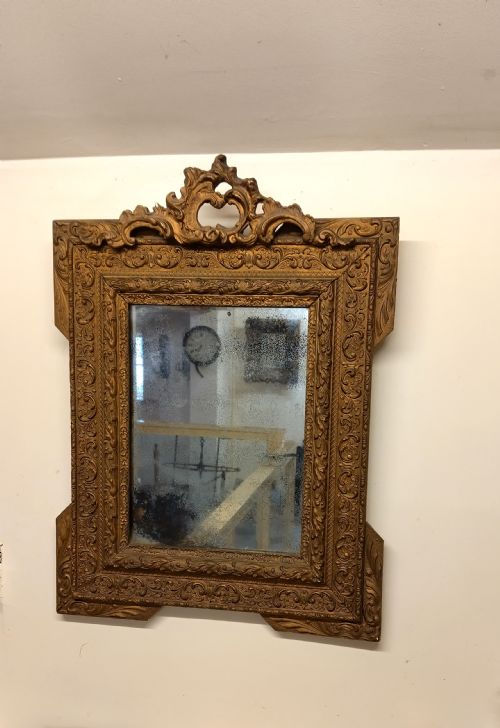
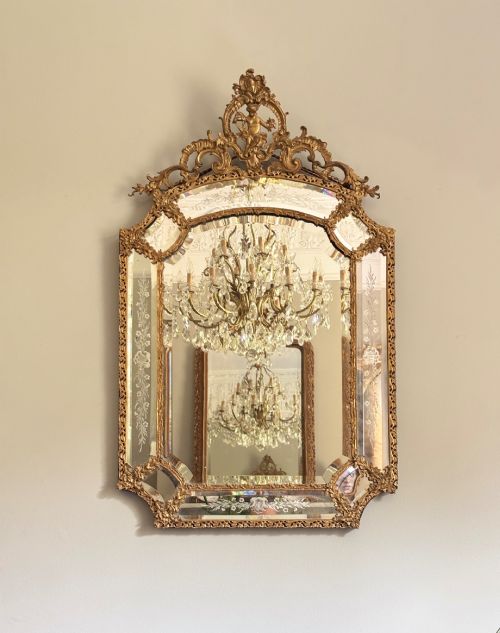
When searching for a vintage gold frame mirror, collectors encounter an array of wall mirrors, overmantels, and girandoles spanning the eighteenth, nineteenth, and early twentieth centuries. These pieces encompass French Rococo, Louis Philippe, Florentine, and Victorian styles, alongside simpler oval and architectural timber frames.
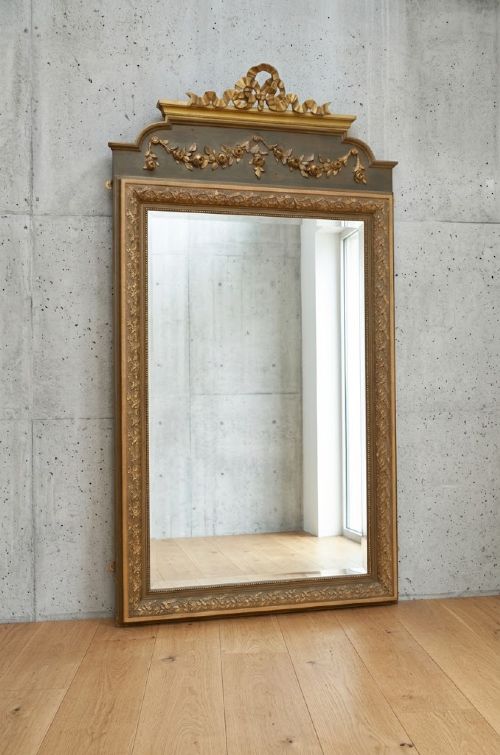
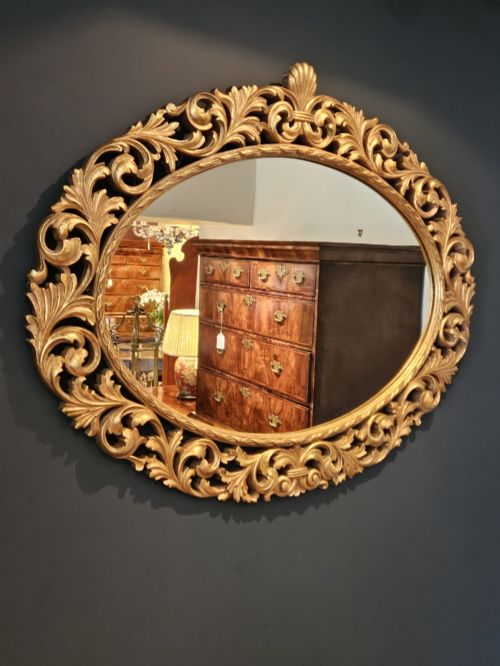
The selection frequently highlights grand overmantel mirrors and tall wall-hanging formats designed to command a room. Makers and artisans utilised traditional carving and gilding methods across timber, gesso, and composition, resulting in both restrained classical profiles and heavily ornamented foliage.
The inventory demonstrates a strong representation of continental European origin, particularly French and Italian workshops. Pieces range from small dressing mirrors to large statement installations with detailed crests and original plates.
Indicators of standard and craftsmanship
The distinction between standard examples and finer works lies in the depth and crispness of the hand-carved detailing versus moulded composition ornaments. Sharp undercuts in wood carvings and deliberate restraint in proportions signal superior workshop output.
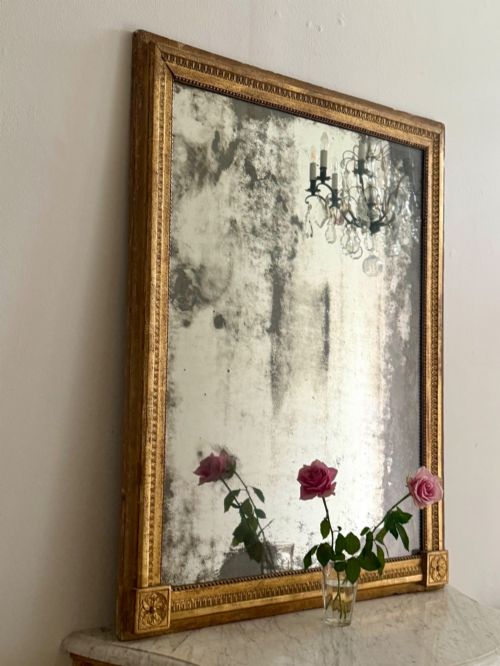
The preservation of the original surface finish, whether genuine gold leaf or period giltwood, significantly influences the integrity of the piece. Furthermore, the retention of original mercury glass plates with natural foxing adds historical value compared to modern glass replacements.
Vintage Gold Frame Mirror Retail Price Guide 2026
Typical asking prices for vintage gold frame mirror among the pieces listed under this phrase on Sellingantiques today, from the lower quarter to the upper quarter. They describe what is for sale here now, not the wider market.
Some nineteenth-century frames incorporate subtle rose vine carvings, bringing botanical detail directly into the gilding.
Charles Nosotti
The Vintage Gold Frame Mirror Glossary
- Giltwood
- Timber that has been gilded with gold leaf. This material forms the primary structure of many high-end antique frames.
- Gesso
- A plaster-like mixture applied to wood frames to create a smooth surface for gilding. It allows intricate details to be moulded onto the timber.
- Overmantel mirror
- A large wall mirror specifically designed to hang above a fireplace mantel. These pieces often feature horizontal proportions suited to architectural settings.
- Mercury glass
- An early type of mirror plate produced by applying a tin and mercury amalgam behind the glass. It ages with characteristic dark spots called foxing.
- Girandole
- A decorative wall mirror featuring attached candle sconces. The candle light reflects off the glass plate to illuminate the room.
Vintage Gold Frame Mirror: Frequently Asked Questions
What is a Louis Philippe mirror?
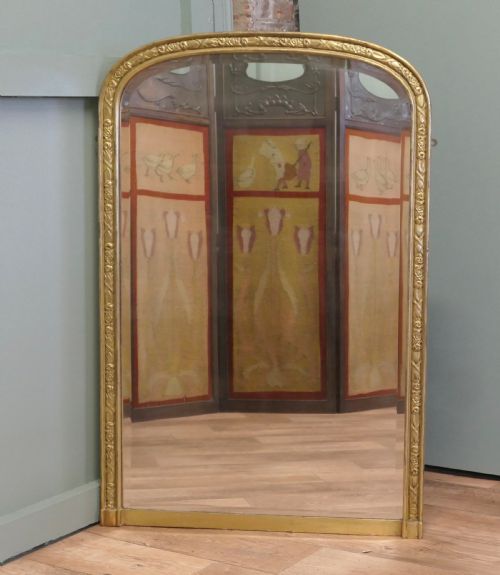
A Louis Philippe mirror is a mid-nineteenth-century French style characterised by clean lines, rounded upper corners, and restrained decorative motifs. These pieces offer a simpler profile than earlier Rococo designs while maintaining a generous scale.
They function well in contemporary interiors due to their geometric versatility, fitting easily above mantelpieces or acting as full-height dressing mirrors without overwhelming surrounding furniture.
How do I identify foxed glass?
Foxing refers to the small dark spots and mottled patches that develop on older mirror plates over time as the backing deteriorates. This occurs naturally on mercury glass and older silvered plates.
Collectors view genuine foxing as a sign of age and authenticity rather than a defect. It creates a soft, hazy reflection distinct from the clear, uniform finish of modern replacement glass.
Where should I hang an overmantel mirror?
An overmantel mirror is traditionally scaled to sit directly above a fireplace mantel, anchoring the vertical space on the wall. Its width usually mirrors or complements the opening of the fireplace below.
Beyond the hearth, these large formats work effectively in entrance halls and living rooms to bounce natural light around the space and create an illusion of depth.
What distinguishes gesso from carved wood?
Carved wood frames feature details cut directly into the timber by hand, resulting in crisp edges and varied grain patterns underneath the gold leaf. Gesso is a plaster mixture applied over a simpler wooden base to receive moulded decorative ornaments.
While gesso allows for elaborate, repetitive floral or scroll patterns, hand-carved elements demonstrate a higher level of individual craftsmanship and resilience against impact damage.