

Art Deco Mirror
Art deco mirror designs bring geometric clarity and tinted glass into modern rooms through pieces dating from the nineteen twenties and thirties.
Art Deco Mirror
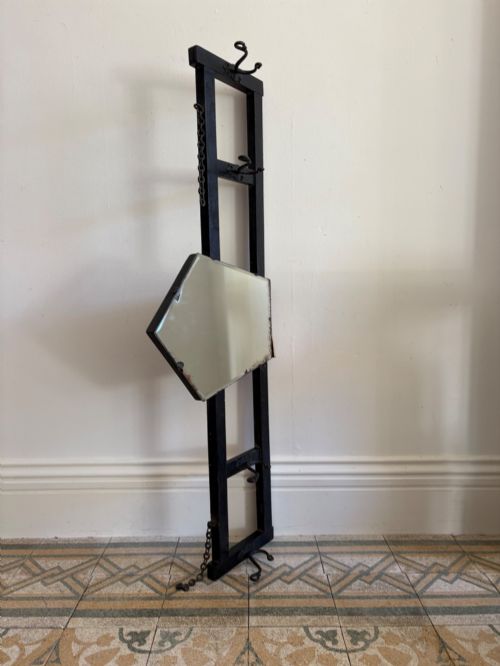
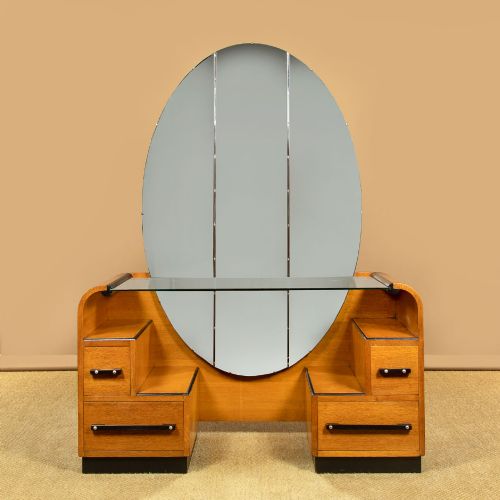
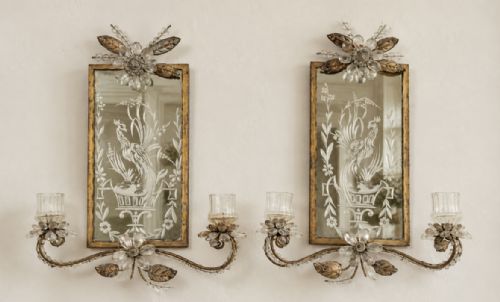
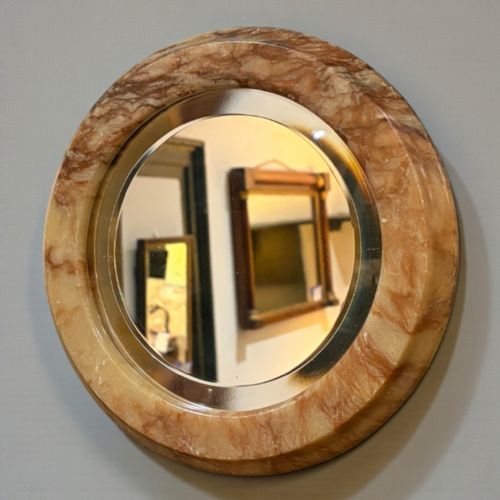
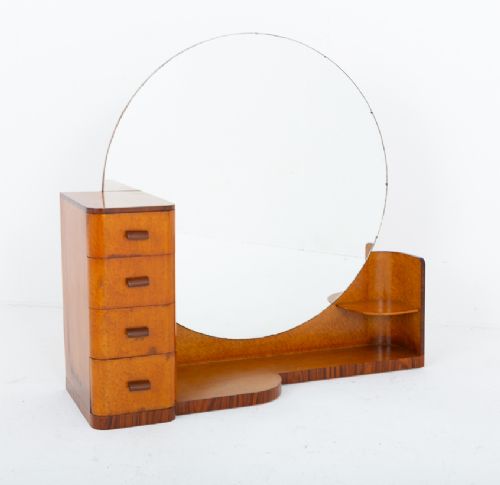
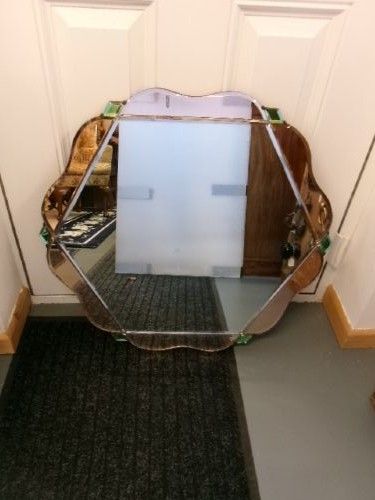
An art deco mirror represents a distinct shift towards streamlined geometry and functional elegance during the interwar decades. Collectors searching this phrase encounter wall mirrors, overmantel mirrors, vanity mirrors, and dressing table pieces dating from the nineteen twenties and nineteen thirties. These objects often display clean architectural lines, octagonal formats, arched cuts, and scalloped tops.
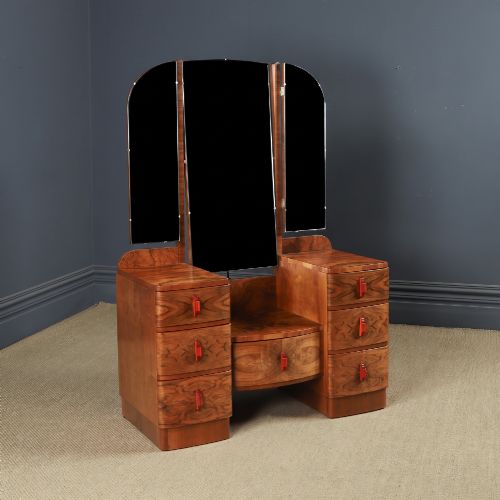
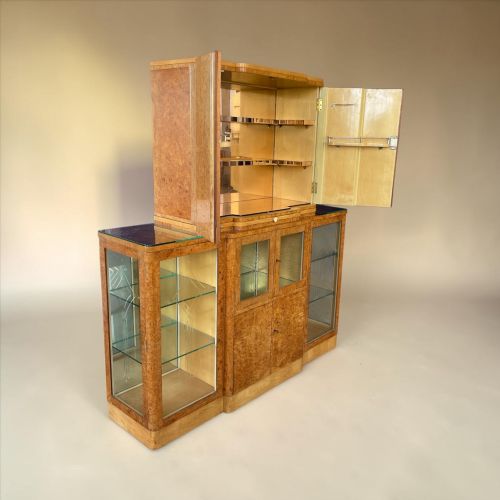
The material palette of an art deco mirror incorporates coloured glass sections, notably in green, pink, blue, and peach tints. Frames appear in wood such as walnut and burr walnut, alongside metal finishes including brass, chrome, and gilt wood. Some examples integrate mirror glass directly into larger furniture forms like sideboards, coffee tables, and pedestal dressing tables.
How they were made
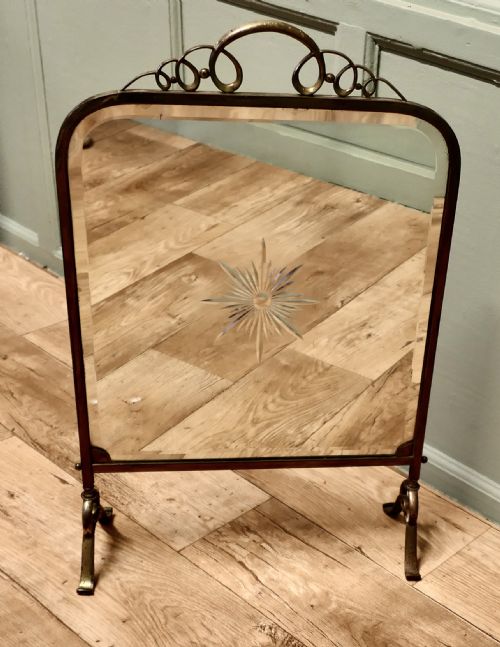
The construction of an art deco mirror relies on combining reflective glass plates with supportive frames of wood or metal. Craftsmen utilised brass, chrome, and gilt metal to edge hanging wall pieces, while others built frameless designs held together by clips or backing structures. Bevelled glass edges appear frequently, requiring precise grinding and polishing techniques during the interwar period.
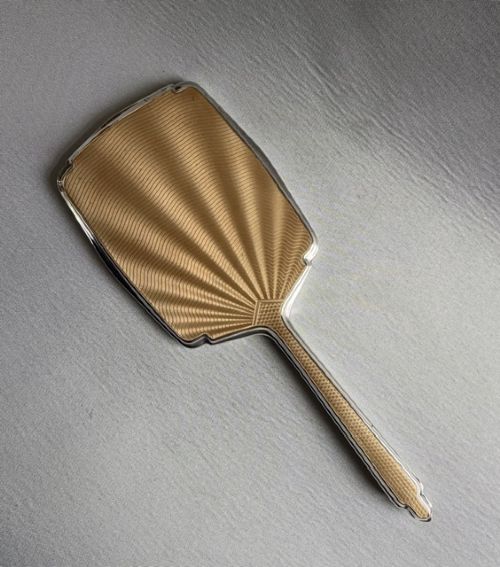
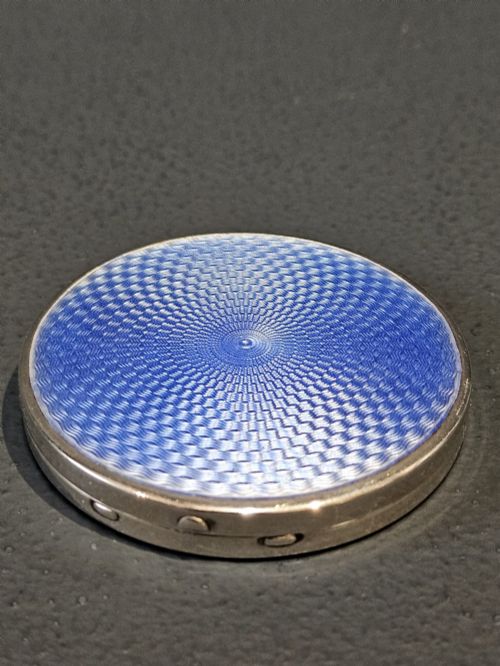
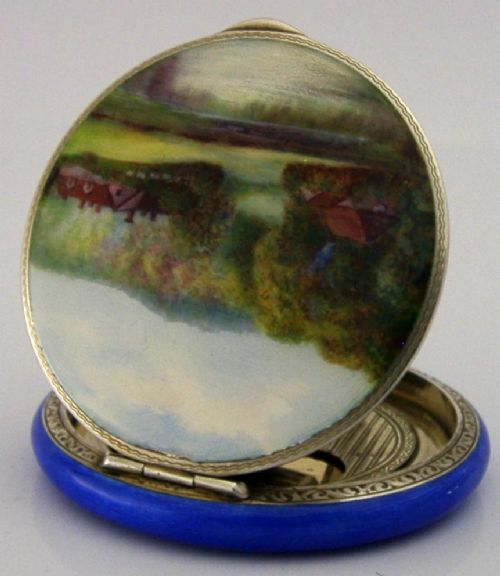
Makers integrated decorative colour through tinted glass panels and applied enamels, particularly on smaller handheld and purse mirrors featuring sterling silver or silver plating. Wood elements utilised walnut, burr walnut, and gilt wood, often shaped into arched cuts or geometric silhouettes to suit the aesthetic of the nineteen twenties and nineteen thirties.
Art Deco Mirror Retail Price Guide 2026
Typical asking prices for art deco mirror among the pieces listed under this phrase on Sellingantiques today, from the lower quarter to the upper quarter. They describe what is for sale here now, not the wider market.
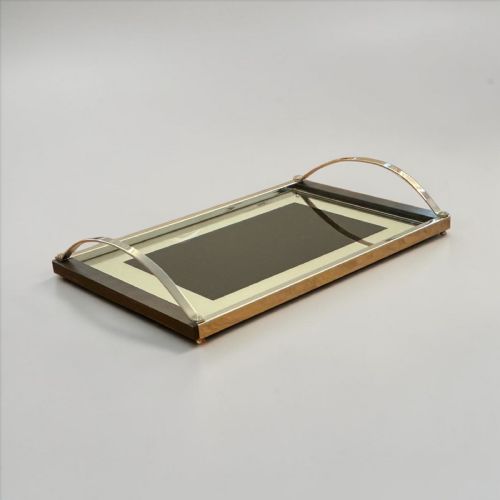
Some interwar dressing tables came with matching glass trays to hold your evening perfume.
What varies in quality
The distinction between tiers in an art deco mirror rests largely on the complexity of its glasswork and the integrity of its materials. Higher quality items feature bevelled edges, multi-toned glass panels in shades like emerald green, peach, or blue, and substantial framing in metals such as chrome or polished walnut. Simpler frameless or plain glass versions offer cleaner, more minimalist utility but lack the ornamental depth of coloured glass borders.
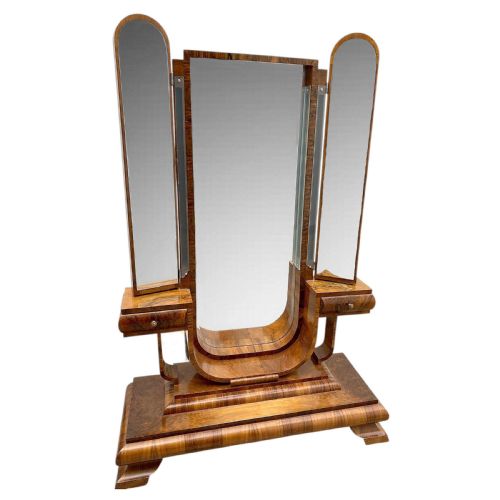
Material selection further defines the hierarchy of surviving pieces, distinguishing standard wall mirrors from elaborate vanity sets, overmantels, and silver-backed hand mirrors with guilloche enamel. The presence of specialised mechanics, such as pivoting cheval stands or integrated clock movements by makers like Smiths, elevates the ambition of the design beyond basic domestic reflection.
Smiths Clock Company·Henry Matthews
The Art Deco Mirror Glossary
- Bevelled glass
- Glass whose edges are cut and polished at an angle to create a framed border effect. This technique adds depth and catches light differently than flat-cut plates.
- Overmantel mirror
- A large wall mirror designed specifically to hang above a fireplace mantel. These pieces often anchor the decorative scale of a room.
- Cheval mirror
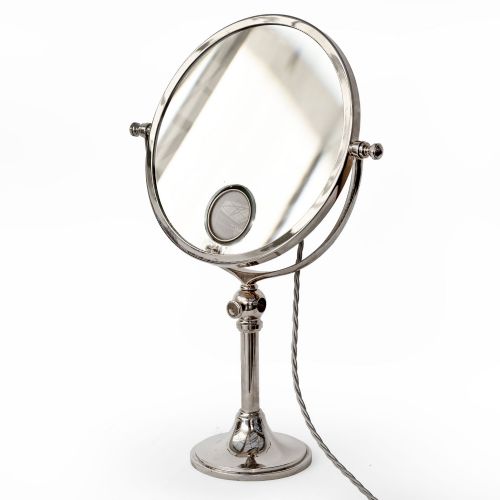
- A full-length mirror hung in a frame that allows it to tilt or pivot. They frequently appear in dressing tables and bedroom suites.
- Guilloche enamel
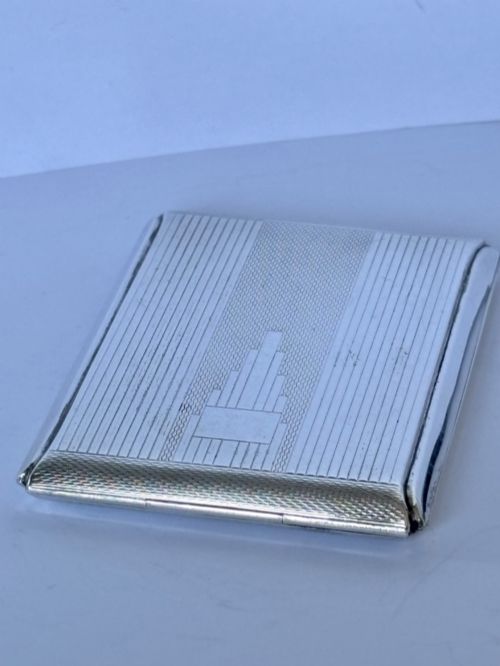
- A decorative technique where intricate geometric patterns are engraved beneath a translucent enamel coating. It appears often on silver hand mirrors and compacts.
- Foxed plate
- Mirror glass that shows age-related degradation, typically appearing as dark spots or cloudiness in the reflective coating. This chemical ageing results from moisture interacting with the backing over decades.
Art Deco Mirror: Frequently Asked Questions
How do I date an art deco mirror?
Dating relies on stylistic markers from the nineteen twenties and nineteen thirties, alongside materials like chrome, coloured glass, and burr walnut. Hardware and backing structures also help place the piece in its interwar context.
Makers' marks or hallmarks on silver or metal mounts provide definitive chronological anchors when present. Plain frameless models can be harder to date precisely without original provenance.
Where were overmantel mirrors placed?
Overmantel mirrors were hung directly above fireplace mantels to reflect light and anchor the decorative scheme of a principal room. They often match the width of the fireplace surround below.
These large pieces served both an architectural and a decorative function in interwar interiors, expanding visual space.
How do I care for antique mirror glass?
Care involves gentle dusting with a soft cloth and avoiding harsh chemical cleaners that can damage vintage silvering or coloured glass panels. Moisture should be kept away from the edges to prevent further foxing.
Securing proper wall fixings is essential for heavy overmantel and framed wooden mirrors to ensure safe suspension.