




Octagonal Wall Mirror
An octagonal wall mirror brings sharp geometry and reflective depth to a room, offering a distinct break from standard rectangular or oval frames.
Octagonal Wall Mirror
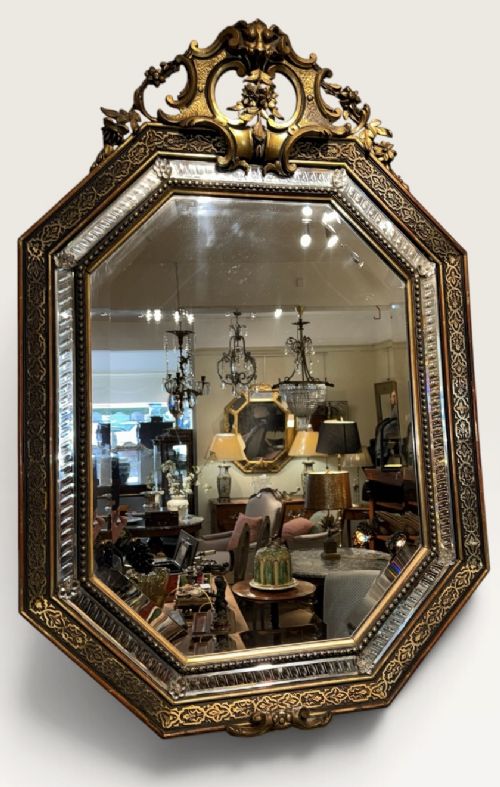
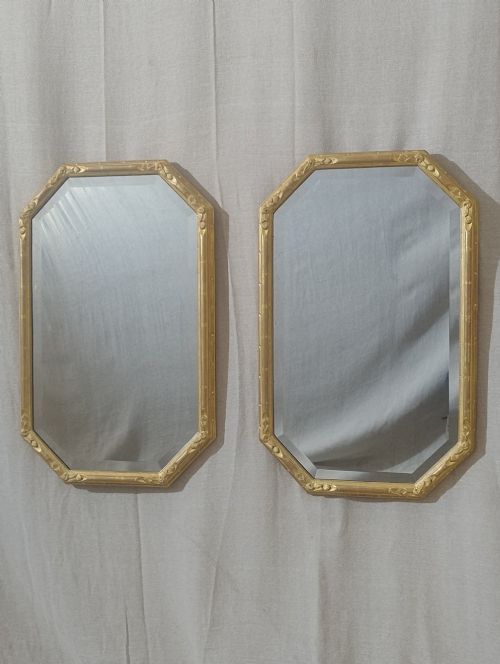
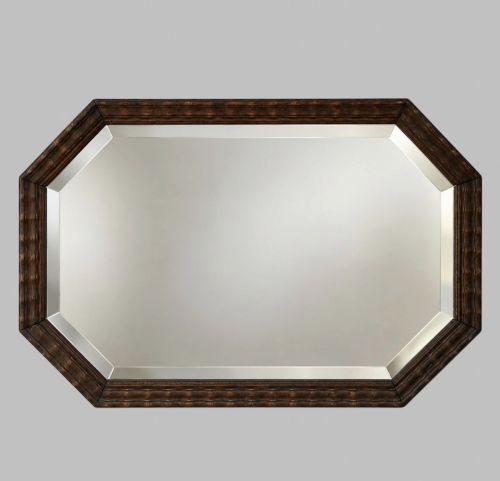
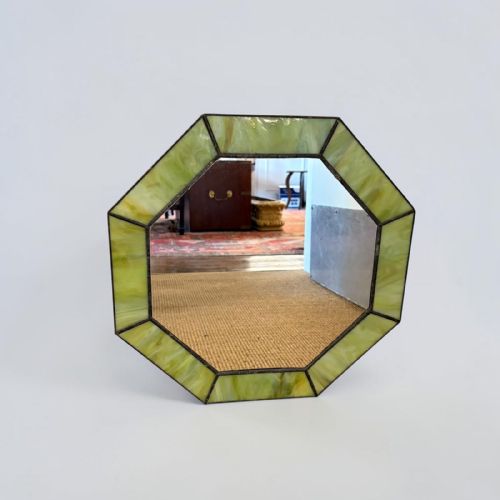
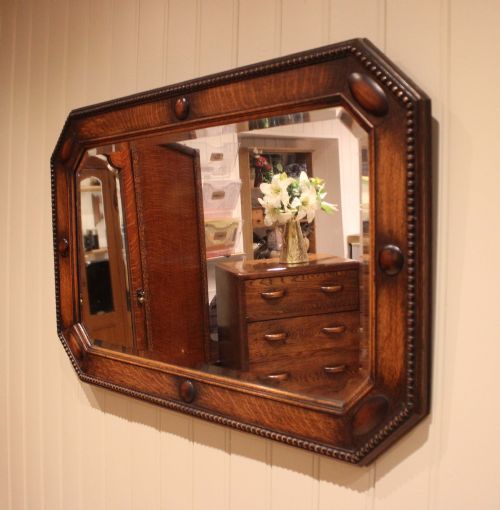
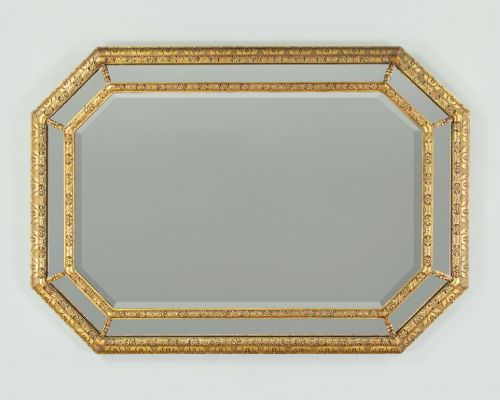
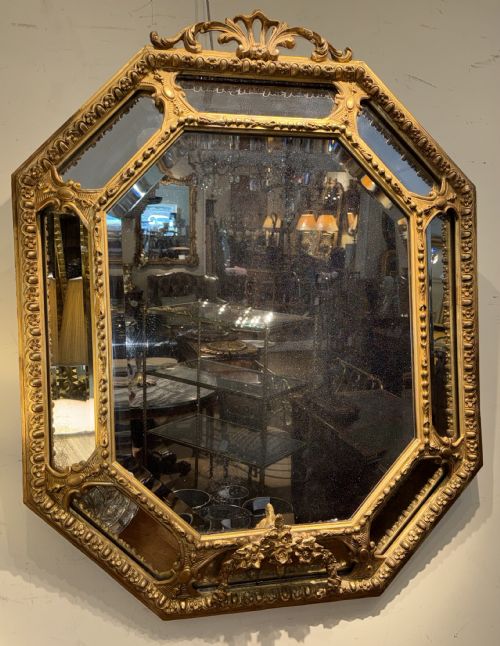
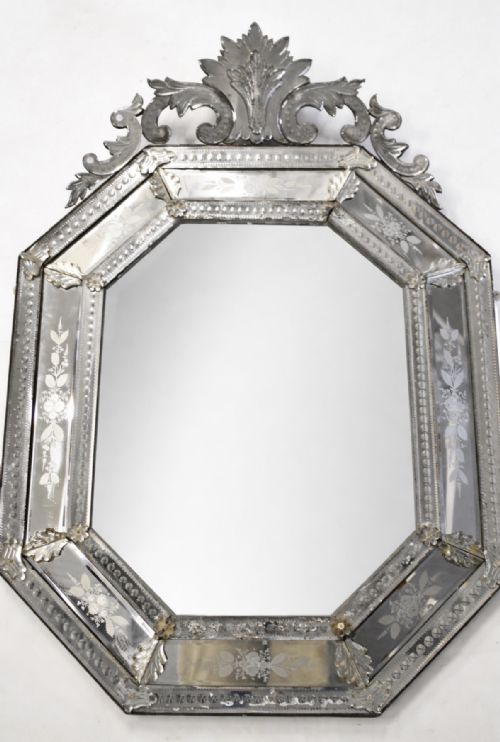
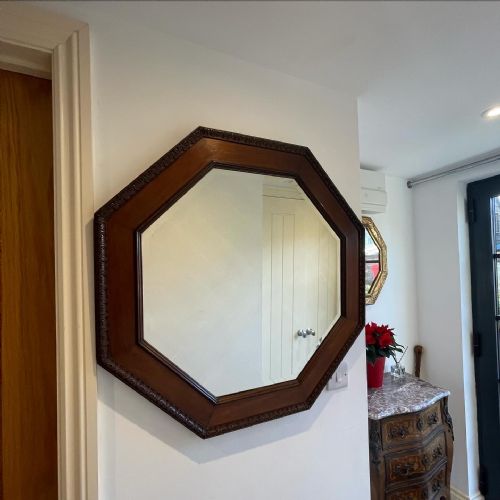
An octagonal wall mirror presents eight distinct sides, creating a geometric silhouette that suits both period interiors and modern spaces. The selection ranges from early twentieth-century oak examples to nineteenth-century Venetian and giltwood designs.
You will frequently encounter sturdy oak versions alongside gilded or cushion-framed variants. The form bridges utilitarian function and decorative display, appearing in domestic spaces from modest hallways to grand reception rooms.
What Varies In Quality
The refinement of the wooden frame or the depth of the gesso carving sets finer examples apart from simpler production pieces. Crisp bevelling on the glass plate and the integrity of original mercury or silver backing indicate higher grade manufacturing.
Proportion and balance across the eight sides dictate visual success, with superior pieces showing precise symmetry and careful integration of decorative elements like etching or hand-painted details.
Octagonal Wall Mirror Retail Price Guide 2026
Typical asking prices for octagonal wall mirror among the pieces listed under this phrase on Sellingantiques today, from the lower quarter to the upper quarter. They describe what is for sale here now, not the wider market.
Listings feature octagonal wall mirrors framed in solid oak, carved gesso, and polished mahogany, spanning the nineteenth and early twentieth centuries.
Waring And Gillow·Heals Of London
The Octagonal Wall Mirror Glossary
- Bevel
- An angled edge cut along the perimeter of the glass plate. This technique softens the boundaries and refracts light into distinct prismatic colours.
- Giltwood
- Timber coated in gold leaf or gold paint over a prepared gesso base. It creates a brilliant metallic finish common in formal nineteenth-century frames.
- Gesso
- A plaster-like mixture applied to wood surfaces to create a smooth layer for gilding or detailed carving. It allows craftsmen to model sharp decorative motifs.
- Girandole
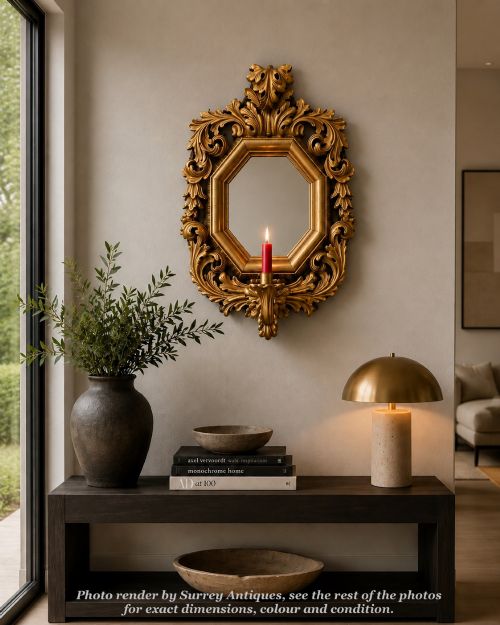
- A decorative wall mirror featuring attached candle sconces or branched holders. The reflective glass amplifies the candlelight within the room.
- Cushion Frame
- A convex, outward-sloping frame profile that swells towards the outer edge. This style adds visual weight and deep dimension to the wall.
Octagonal Wall Mirror: Frequently Asked Questions
How do I hang a heavy octagonal wall mirror?
Heavy mirrors require secure fixings anchored directly into wall studs or solid masonry using appropriaterawl plugs and steel screws. Ensure the hanging wire or D-rings on the rear are rated to support the full combined weight of the timber frame and glass plate.
Position the mirror at eye level to maximise its reflective capability and balance the vertical proportions of the surrounding wall space.
Where should I place an octagonal wall mirror?
These mirrors function effectively opposite windows to bounce natural daylight deep into darker hallways, stairwells or compact reception rooms. They also anchor a room when hung above a mantelpiece, sideboard or console table.
Keep the geometric lines clear of cluttered displays so the distinct eight-sided silhouette remains the focal point of the wall.
How do I clean antique mirror glass?
Use a soft, lint-free microfiber cloth slightly dampened with distilled water or a mild vinegar solution to gently wipe the surface. Avoid spraying liquid directly onto the glass, as moisture can seep behind the plate and damage the silvering or foxing.
Take extra care around bevelled edges and frame joints where moisture might accumulate and cause deterioration over time.
What is foxing on antique mirrors?
Foxing refers to the small brown spots, speckles and hazy patches that develop within the silver backing of older glass over decades of oxidation. Many collectors prize this natural ageing process as proof of genuine antique status rather than a fault.
It adds a soft, atmospheric depth to the reflection without obstructing the overall utility of the mirror.