




Vintage Octagonal Mirror
These vintage octagonal mirror pieces combine geometric eight-sided frames with period glass, offering striking focal points for contemporary interiors.
Vintage Octagonal Mirror
When you search for a vintage octagonal mirror, you find wall-hanging pieces defined by their distinct eight-sided geometry. The selection includes designs stretching from the nineteenth century through the art deco era, showing how makers played with symmetrical shapes across decades.
Most examples you meet on this page lean towards twentieth-century aesthetics, particularly art deco frameless variants alongside traditional wooden frames. Alongside wall-hanging pieces, the category occasionally embraces related items sharing the same period craftsmanship, such as powder compacts and dressing table accessories.
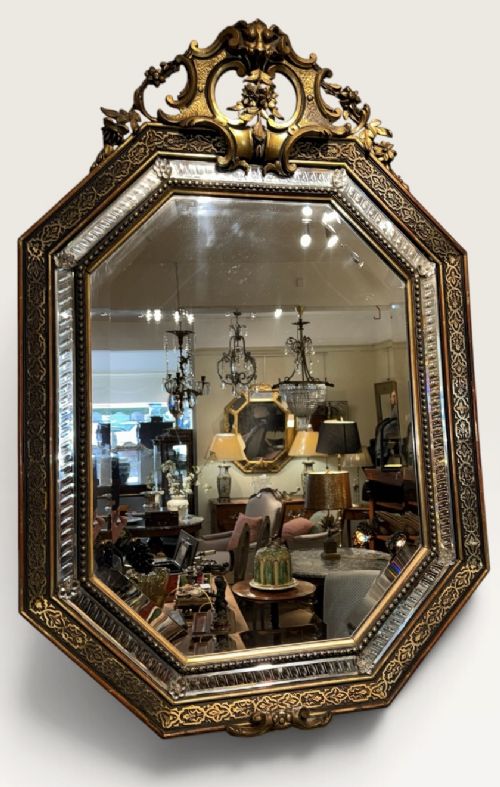
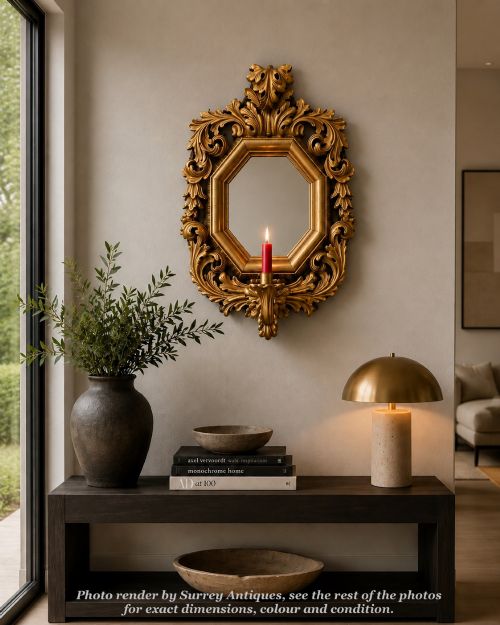
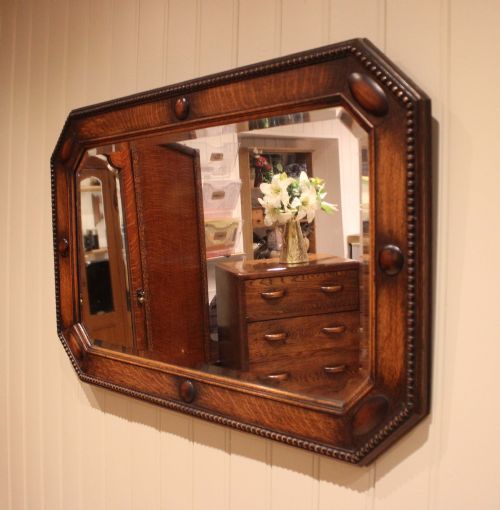
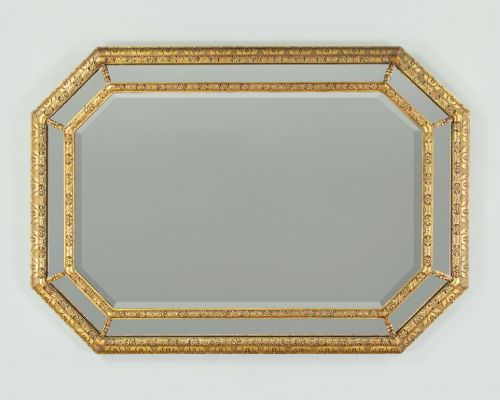
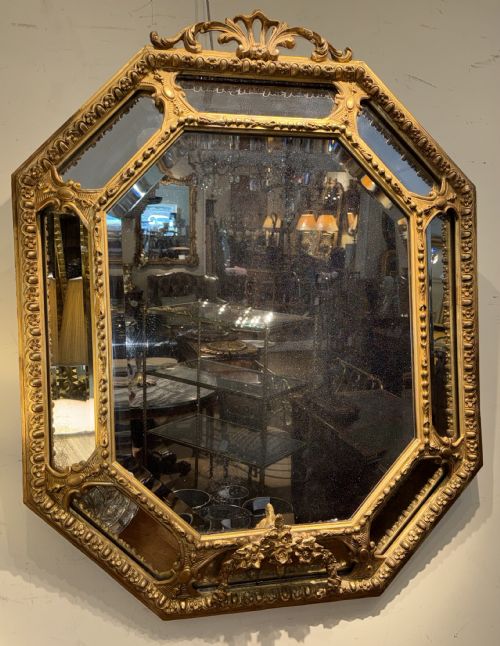
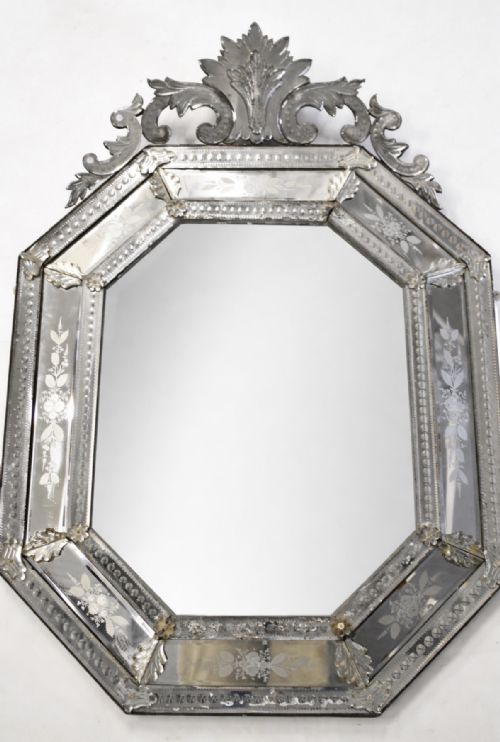
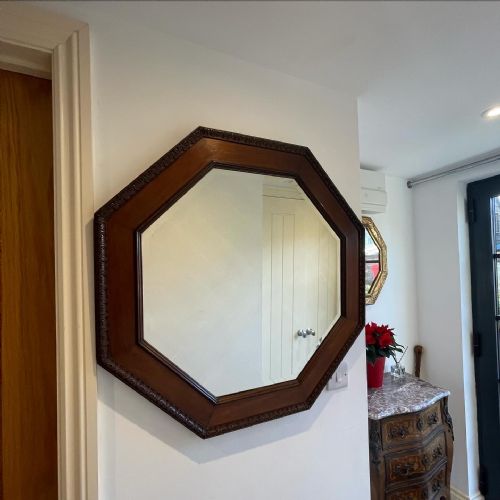
Origins span British workshops, French ateliers, and Italian Venetian studios, each bringing regional interpretations to the eight-sided format. You encounter everything from simple oak surrounds to elaborate water-gilded frames designed to catch the light from every angle.
How they were made
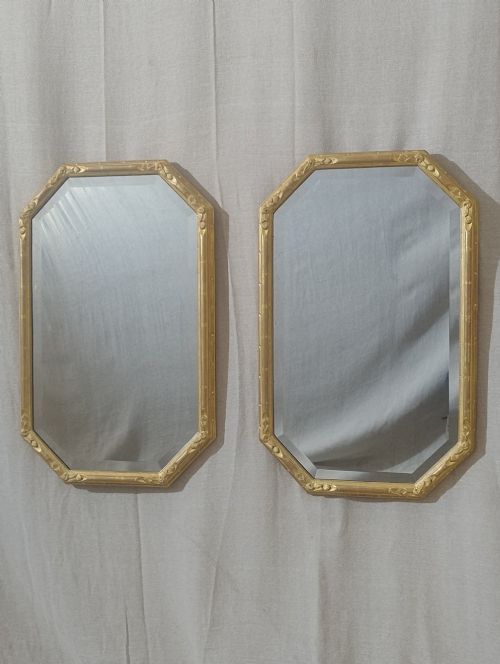
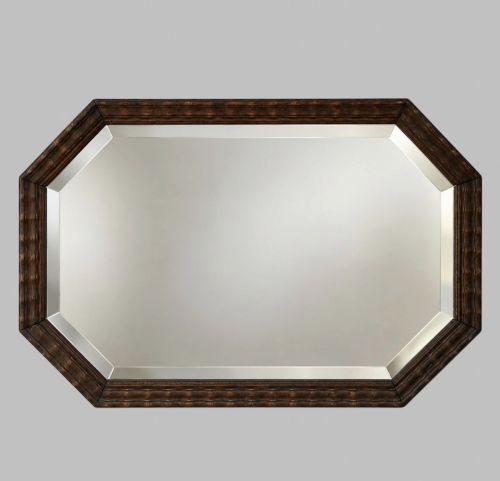
The construction relies on traditional joinery techniques paired with hand-bevelled glass panels set securely into timber or metal carcases. Woodworkers utilised oak, mahogany, and ebonised timber, often applying gesso and gold leaf to create luminous gilded surfaces.
Venetian and French pieces frequently employ layered mirrored glass plates fixed with decorative clips or secured within cushion frames. Artisans of the nineteenth and early twentieth centuries bevelled edges by hand, producing characteristic light refraction around the perimeter.
Vintage Octagonal Mirror Retail Price Guide 2026
Typical asking prices for vintage octagonal mirror among the pieces listed under this phrase on Sellingantiques today, from the lower quarter to the upper quarter. They describe what is for sale here now, not the wider market.
Listings feature pieces spanning the nineteenth century, nineteen-hundreds, nineteen-tens, and nineteen-thirties, utilising oak, brass, copper, and giltwood.
What varies in quality
The distinction between standard commercial pieces and finer examples rests on the depth of hand-bevelling and the integrity of the original backing and frame construction. Superior items display crisp geometric angles in the woodwork and minimal degradation to the silvering behind the glass plate.
Makers such as Waring and Gillow invested greater care in structural timber joints and heavy brass or copper fixings, ensuring the heavy glass remained stable over decades of use. Lesser items rely on simpler surface finishes that show more rapid wear across the edges.
Waring and Gillow·Richard Hudnut
The Vintage Octagonal Mirror Glossary
- Bevelling
- The practice of sloping the outer edges of a mirror plate to create a decorative angled border. This technique reflects light at multiple angles and indicates finer period craftsmanship.
- Giltwood
- Timber that has been coated with a thin layer of gold leaf over a prepared gesso base. It brings a bright metallic sheen to traditional mirror frames.
- Cushion frame
- A convex, rounded frame profile that swells outwards towards the outer edge. This style creates a sense of depth and volume around the central mirror glass.
- Gesso
- A plaster-like mixture applied to wooden frames as a smooth base for gilding or painting. It allows carvers to achieve sharp decorative details before applying gold leaf.
Vintage Octagonal Mirror: Frequently Asked Questions
Are art deco octagonal mirrors usually framed?
Many art deco pieces from the nineteen-thirties appear as frameless designs held together with metal clips or mounted on wooden backing boards. These variants rely purely on the geometric eight-sided cut of the glass for their decorative impact.
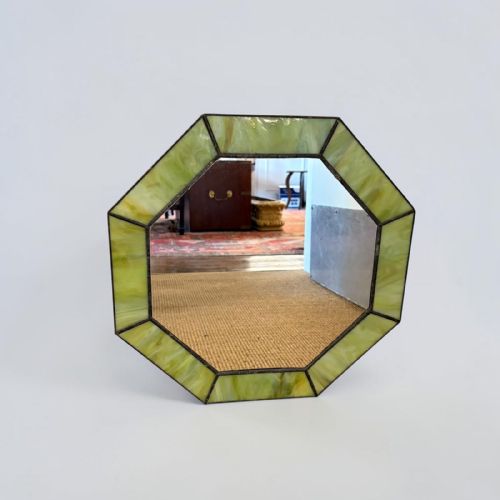
Other examples feature simple oak or mirrored glass surrounds that complement the angular aesthetic of the period. Both styles were common in domestic interiors of the interwar years.
How do I clean antique mirror glass safely?
Clean the glass surface using a soft microfibre cloth and a mild vinegar-based solution sprayed onto the cloth rather than directly onto the mirror. This prevents moisture from seeping behind the glass plate and damaging the historic silvering.
Avoid harsh chemical cleaners or abrasive pads that can scratch vintage glass or strip finishes from wooden and gilded frames. Wipe gently around the bevelled edges to prevent moisture accumulation in the joins.
What rooms suit an octagonal wall mirror?
Octagonal mirrors fit well in hallways, above mantelpieces, or in bathrooms where geometric shapes provide a contrast to soft furnishings. Their eight-sided form acts as a strong visual anchor on plain walls without dominating smaller spaces.
Consider pairing smaller frameless versions with dressing tables or compact display areas. Larger Venetian and gilded examples work effectively as principal focal points in living rooms.