

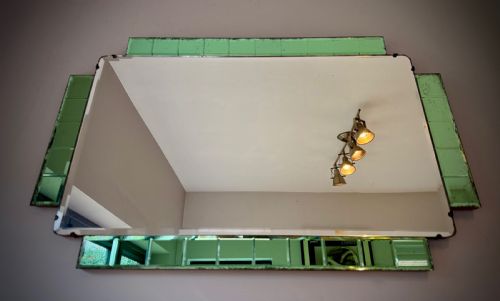


Vintage Green Mirror
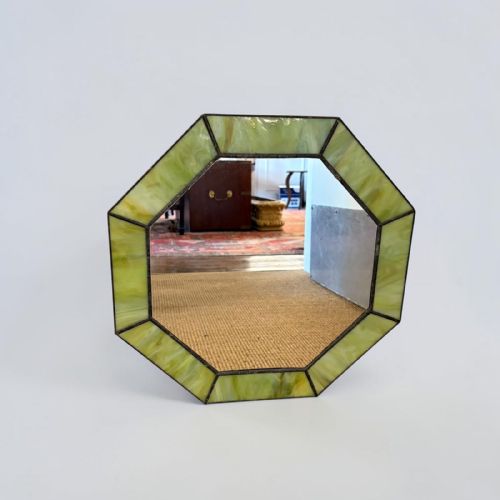
A vintage green mirror brings colour and reflected light into a room, spanning styles from Art Deco geometric panels to gilded French wall hangings.
Vintage Green Mirror
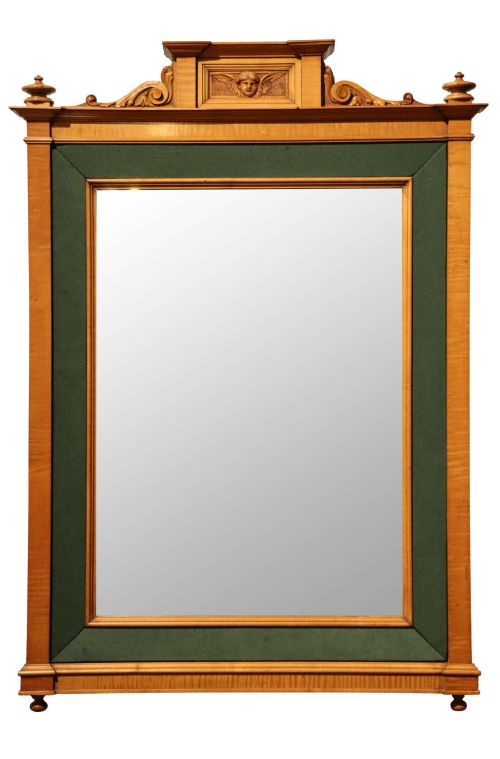
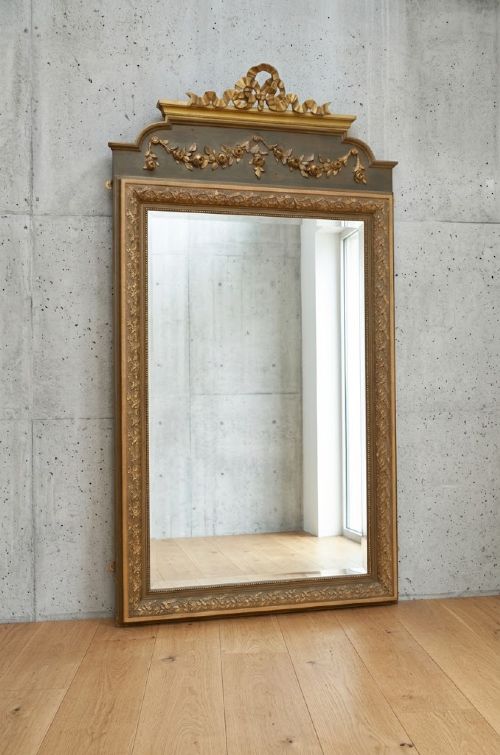
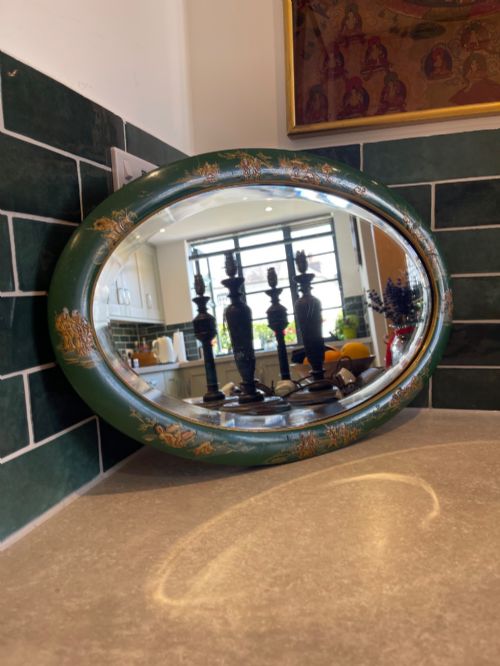
A vintage green mirror encompasses wall-mounted glass pieces framed in painted wood, brass, or gilt, often discovered in periods ranging from the Victorian era through the Edwardian years and into the 1920s. Buyers searching for a vintage green mirror encounter items where the green hue appears either directly within coloured glass panels, enamel, or through painted wooden surfaces.
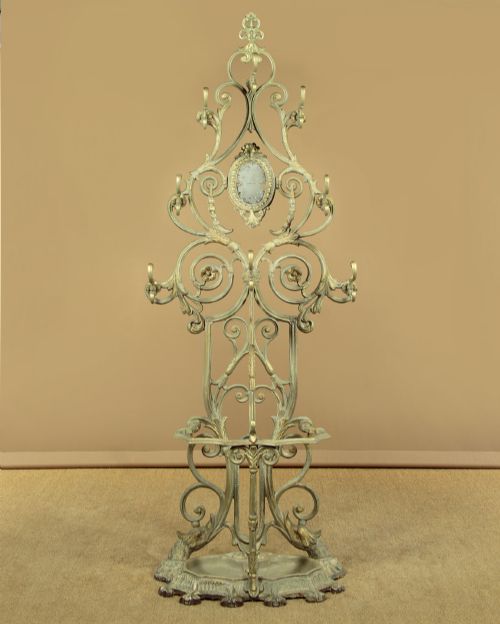
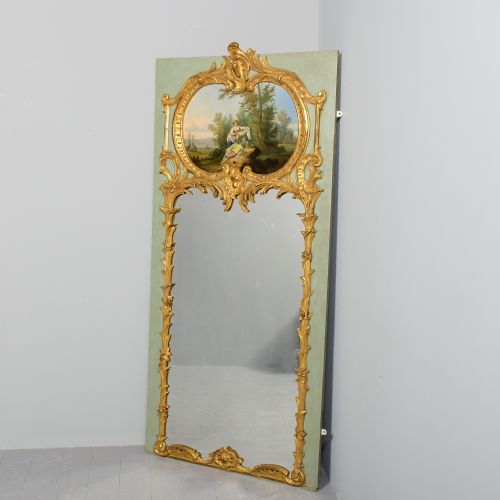
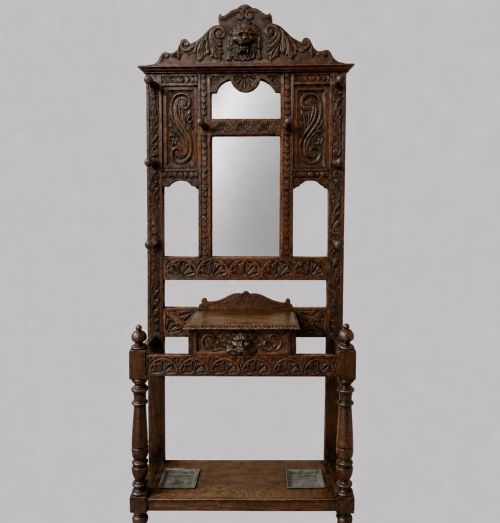
The forms vary from simple small dressing table mirrors to large wall mirrors with ribbon crests or trumeau styling, alongside occasional functional items like hall stands and compacts that incorporate reflective surfaces. Most pieces available originate from French, English, or continental workshops spanning the late nineteenth and early twentieth centuries.
Assessing craftsmanship and condition
Quality rests in the precision of the frame carving, the depth and consistency of the green paint or enamel, and the integrity of the original glass plate. Finer examples show careful hand-finishing on wood details and secure, well-fitted metal mounts.
Wear on the silvering of the mirror glass and the patina of the painted or gilded surfaces indicate age, while substantial frames rely on solid joinery rather than applied composition ornaments.
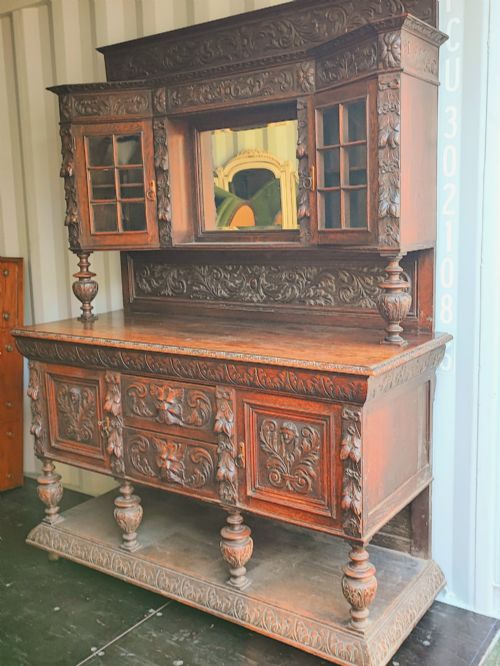
Listings for this search phrase include items produced across the Victorian, Edwardian, and Art Deco periods, utilising glass, oak, brass, and painted wood.
The Vintage Green Mirror Glossary
- Trumeau mirror
- A decorative wall mirror often set into a painted wooden panel, frequently originating from French interiors of the nineteenth century.
- Bevelled glass
- A mirror plate with angled edges ground down to catch the light, common in better quality mirrors from the Victorian period onwards.
- Giltwood
- Timber treated with a thin layer of gold leaf or metallic powder, seen on ornate frames from various European design movements.
- Enamel
- A durable vitreous substance fused to a metal base through heat, providing rich green colouration on smaller decorative items and compacts.
Vintage Green Mirror: Frequently Asked Questions
Where should I hang a vintage green mirror?
These mirrors suit hallways, living rooms, and bedrooms where reflected light brightens the space.
Position them above mantelpieces, console tables, or washstands to balance the surrounding room proportions.
How do I clean an antique mirror glass?
Use a soft dry cloth to remove dust from the glass and the surrounding frame without applying moisture directly.
Avoid harsh chemical cleaners that can damage the original silvering on the back of the glass or the painted finish.
What periods do these green mirrors come from?
The pieces span the Victorian era, the Edwardian period, and the 1920s Art Deco movement.
Each period brings distinct frame profiles and materials, from carved oak and brass to painted wood.
Are the green glass panels original?
Many pieces retain their original tinted glass, emerald panels, or painted wooden frames dating from their initial manufacture.
Examine the edges of the glass and the backboards for signs of period construction and consistent ageing.