


Decorative Hanging Mirror
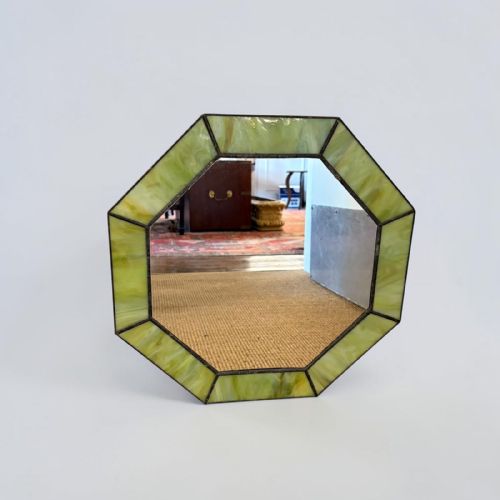
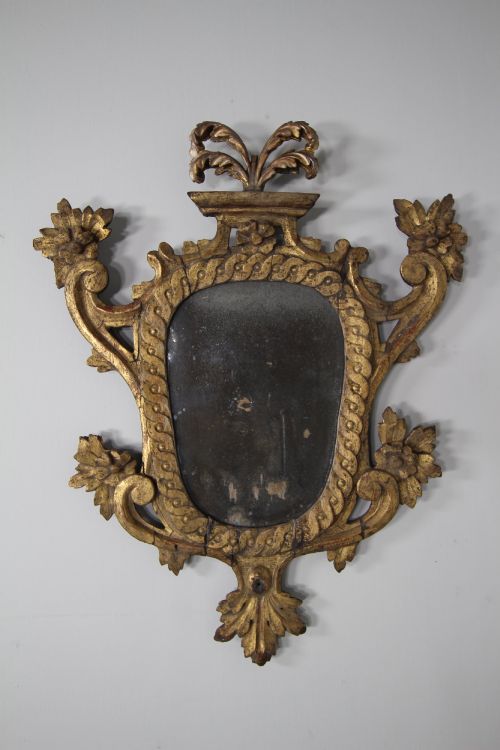
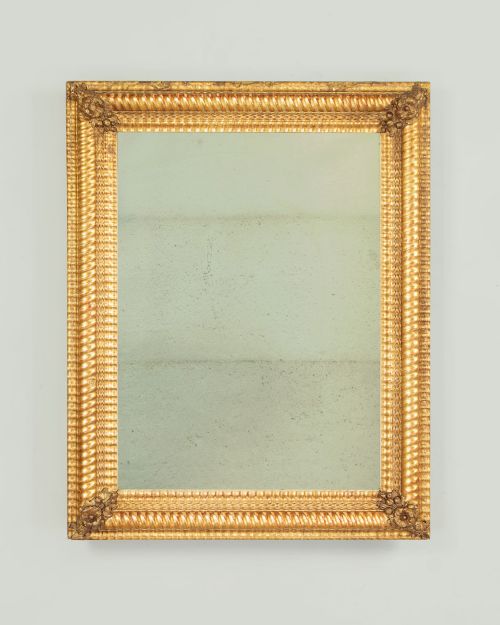
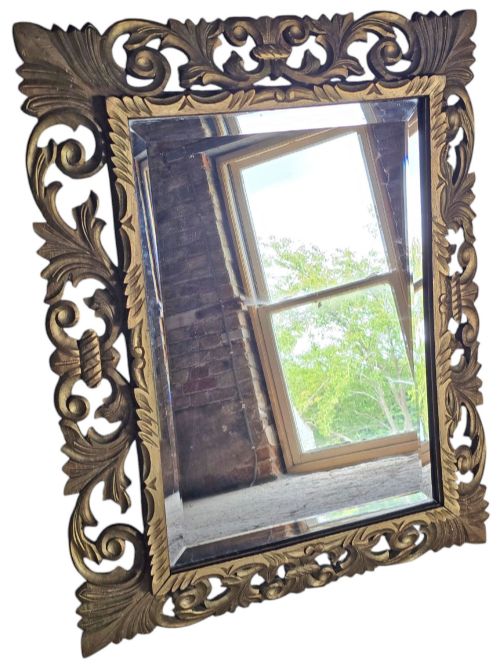
A decorative hanging mirror brings light and depth into a room, taking many forms from Victorian gilt gesso to Chinese red lacquer.
Decorative Hanging Mirror
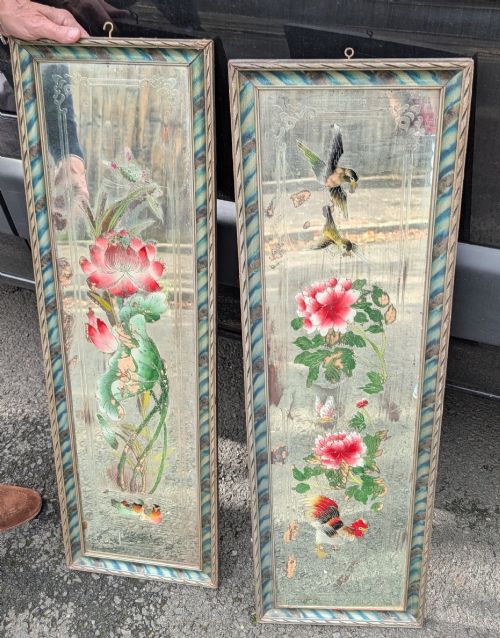
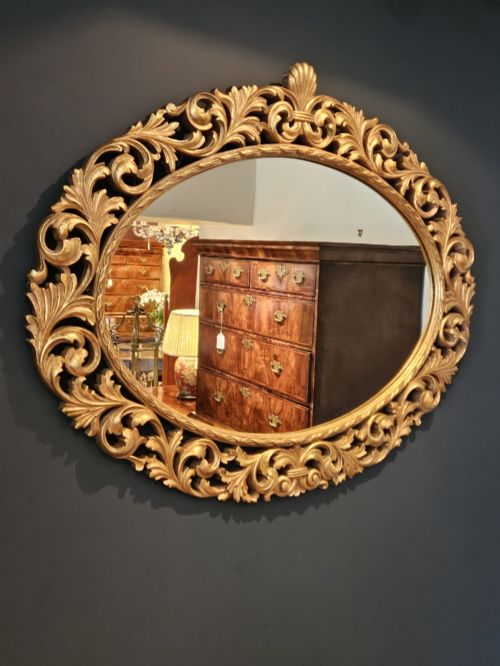
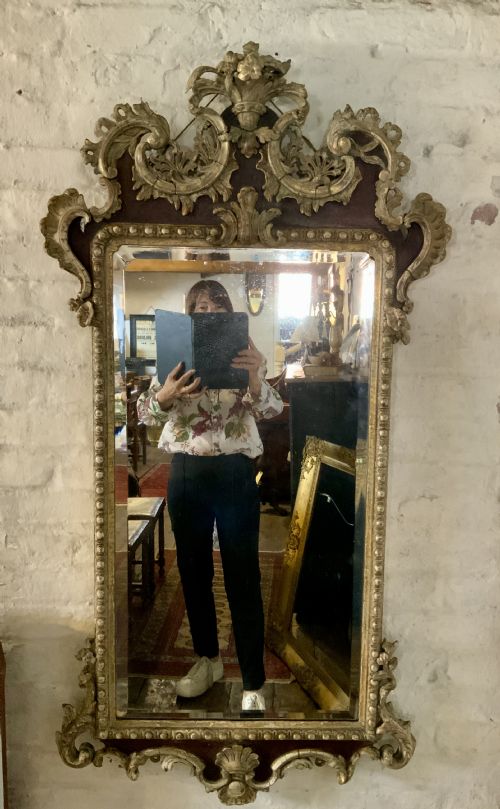
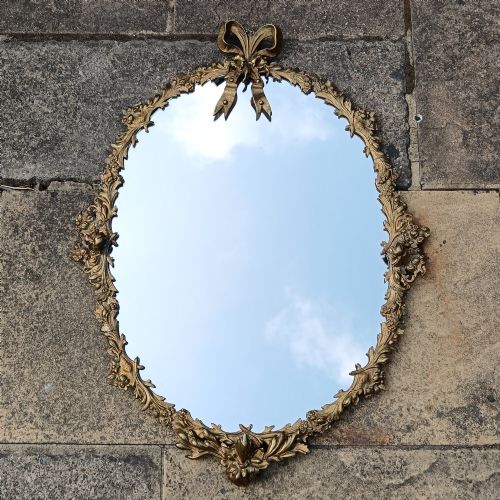
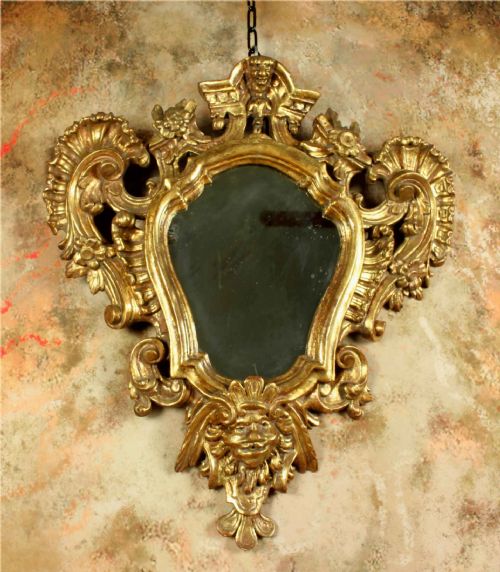
A decorative hanging mirror is primarily designed to reflect light and ornament a wall, serving as both a functional object and a focal point within a room. When searching for a decorative hanging mirror, buyers encounter a wide variety of regional interpretations and historical revivals spanning several centuries.
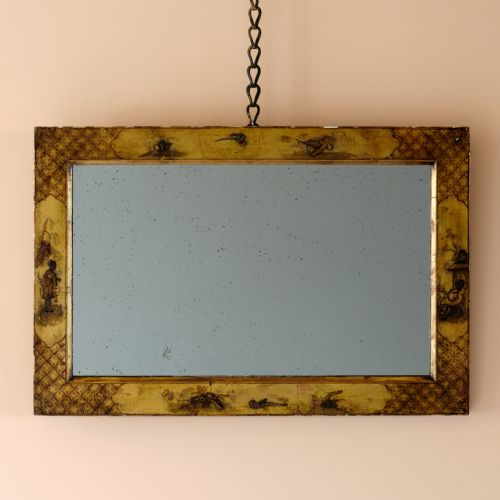
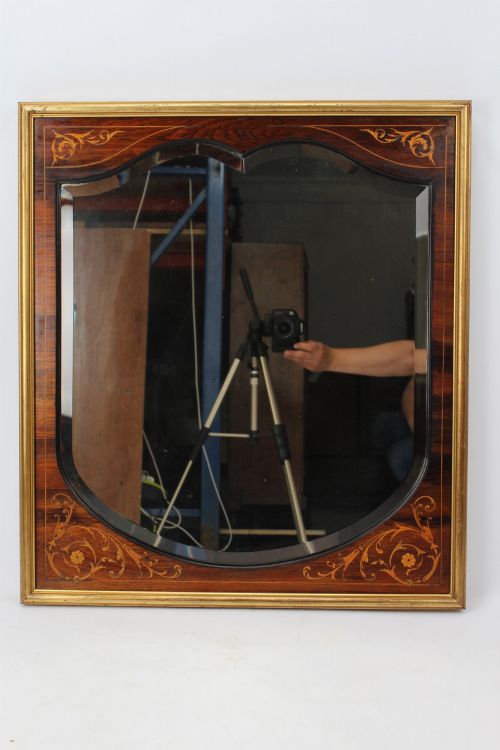
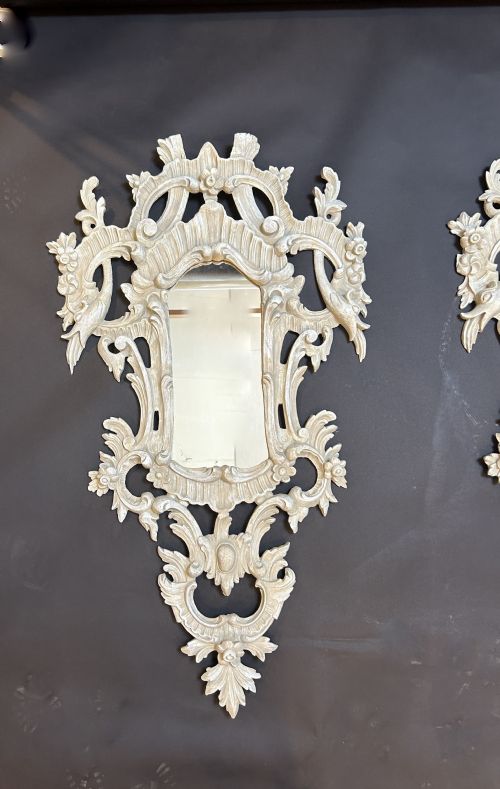
The selection ranges from grand overmantle pieces and elaborate Rococo revival carvings to smaller wall mirrors framed in brass, carved timber, or walnut. Pieces originate from diverse traditions, including Italian Florentine workshops, French chateaux, and Chinese design influences.
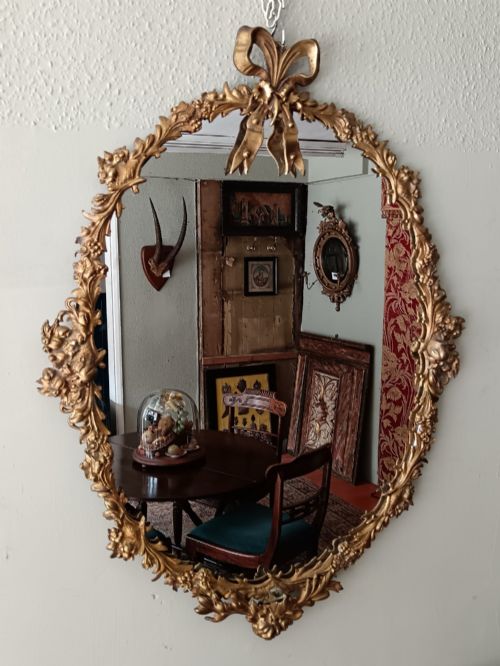
Victorian and nineteenth-century examples appear frequently, often featuring giltwood, gesso, or cast brass ornamentation. Alongside these, eighteenth-century walnut mirrors and twentieth-century interpretations demonstrate the enduring popularity of wall hanging mirrors across different periods.
How they were made
Carved timber forms the foundation for many pieces, frequently enhanced with applied gesso and gold leaf to create luminous giltwood surfaces. Skilled artisans carved intricate details such as scrolls, flowers, and masks directly into wood or cast them in brass.
Reflective surfaces include both original mirror plates and replacement glass, with some examples featuring cut and etched glass or foxed plates that show age. Specialised techniques like parcel gilding, red lacquer, and fret cutting define regional styles from Chinoiserie pagodas to European revival frames.
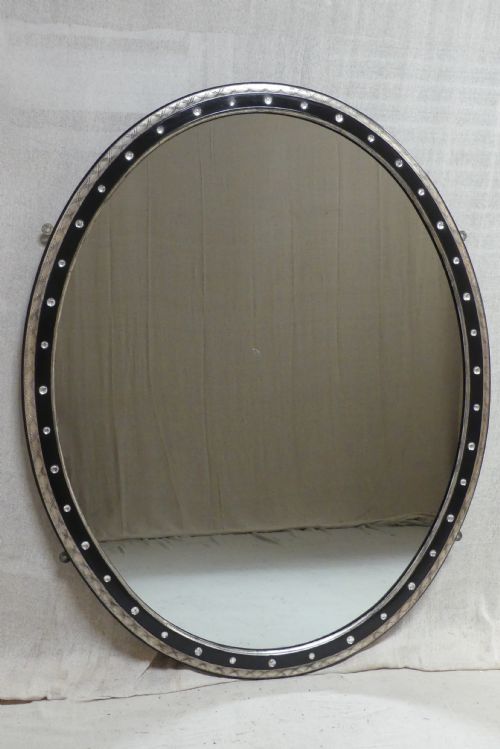
Materials span traditional giltwood, gesso, walnut, and oak alongside specialised accents like alabaster and ruby red glass borders.
What varies in quality
The depth and crispness of the carving distinguish finer pieces from simpler productions, particularly in giltwood and gesso frames where hand-tooling defines the ornamentation. Superior casting and finishing mark the brass and gilt bronze examples, showing sharp detail in crests and figural mounts.
The integrity of the frame construction and the preservation of original surfaces, whether parcel gilt, polished walnut, or painted lacquer, determine the overall character of the mirror. Additionally, the presence of an original engraved or cut glass plate contributes significantly to the historical integrity of the piece.
The Decorative Hanging Mirror Glossary
- Giltwood
- Wood that has been coated with gold leaf or a gold-coloured metallic finish. This technique creates a brilliant reflective surface popular in formal interior decoration.
- Gesso
- A plaster-like mixture applied to wood frames as a base for moulding and gilding. It allows artisans to carve intricate relief decoration before applying gold leaf.
- Overmantle
- A large mirror designed to hang specifically above a fireplace mantelpiece. These pieces often anchor the decorative scheme of a principal reception room.
- Parcel Gilt
- A method where only specific portions of an object are gilded, leaving other areas of wood or paint exposed. This technique highlights particular carved details against a contrasting background.
- Foxed
- A term describing aged mirror glass with spots, discolouration, or degradation of the reflective silver backing. This natural patina develops over decades of exposure to light and moisture.
Decorative Hanging Mirror: Frequently Asked Questions
How do I hang a heavy antique wall mirror?
Heavy antique mirrors require robust fixings secured directly into wall studs or solid masonry using appropriate wall anchors. The weight must be distributed evenly across sturdy hanging brackets attached firmly to the frame.
Professional installation is often advisable for large giltwood or carved oak pieces to ensure safety and prevent strain on historical joinery.
How do I clean an antique giltwood frame?
Dusting gently with a soft, dry artist brush or a clean microfiber cloth is the safest method for maintaining delicate giltwood and gesso surfaces. Moisture and modern chemical cleaners should be avoided entirely to prevent lifting the gold leaf or damaging the underlying gesso.
Professional conservators should handle any repairs or deep cleaning required on fragile nineteenth-century or eighteenth-century gilded ornamentation.
What rooms suit a decorative hanging mirror?
These mirrors function effectively in hallways, living rooms, and bedrooms, where they bounce natural light around the space and create an illusion of greater depth. Placing a wall mirror opposite a window maximises illumination throughout the interior.
Ornate styles like Rococo revival or Chinoiserie serve as prominent artistic focal points above mantelpieces, sideboards, or console tables.