

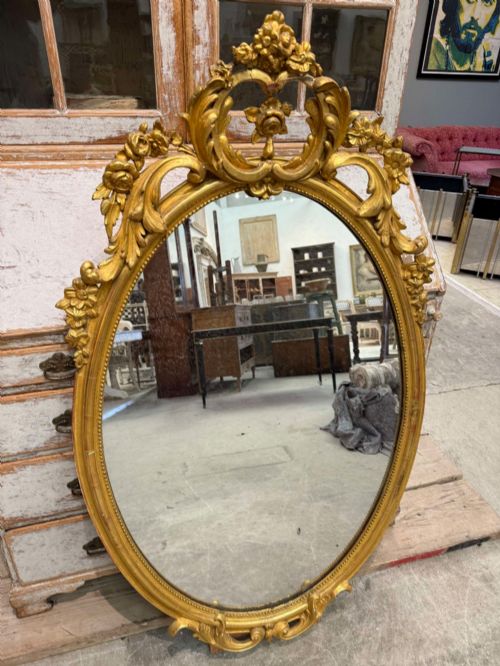
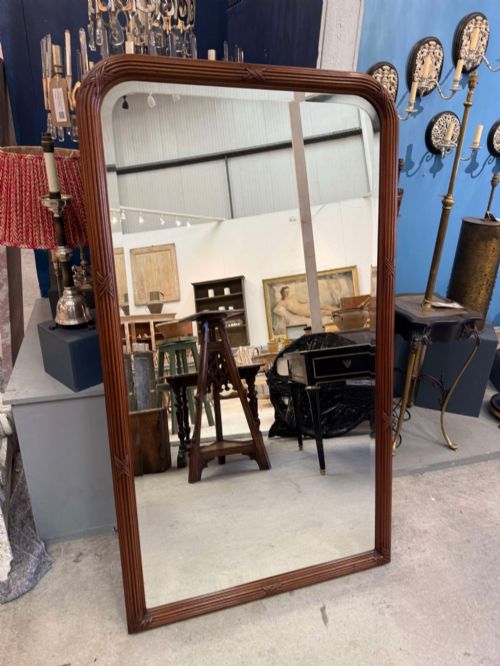
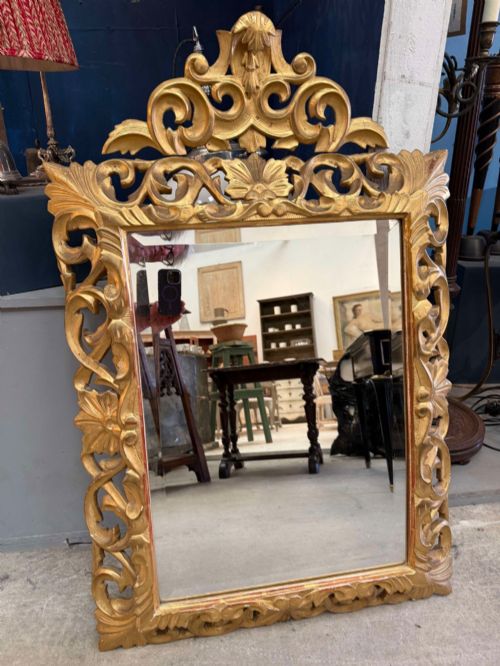
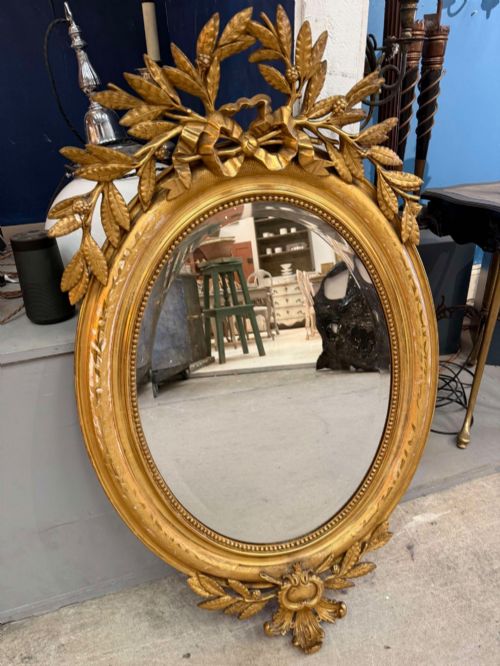

Antique Carved Mirror
An antique carved mirror brings architectural presence and reflected light into a room, spanning grand overmantles to intimate wall pieces from past centuries.
Antique Carved Mirror
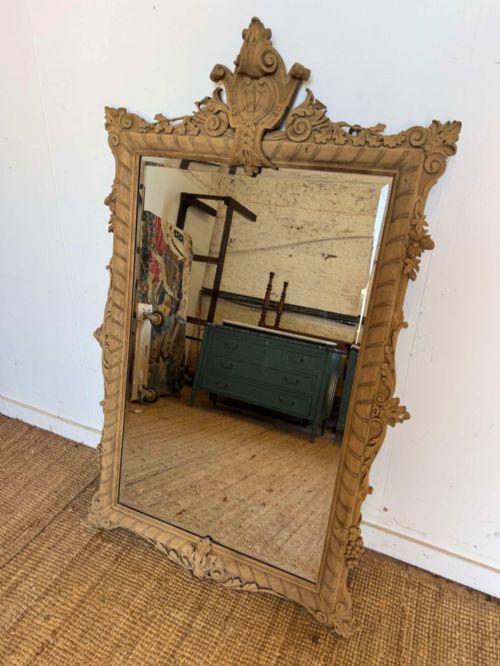
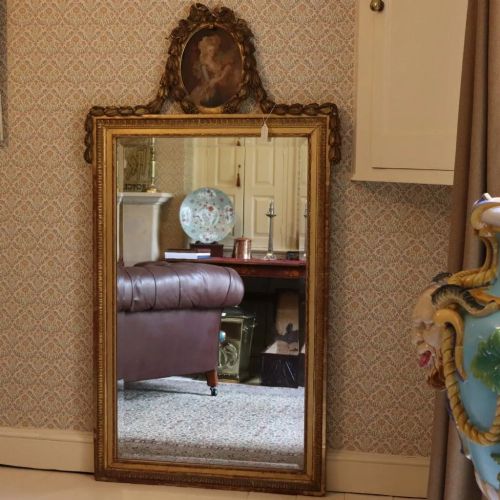
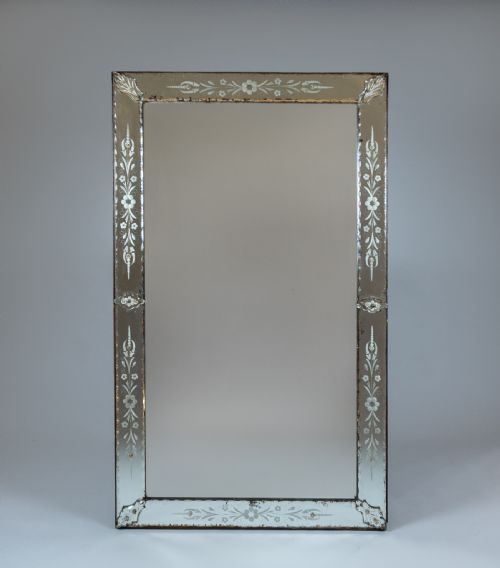
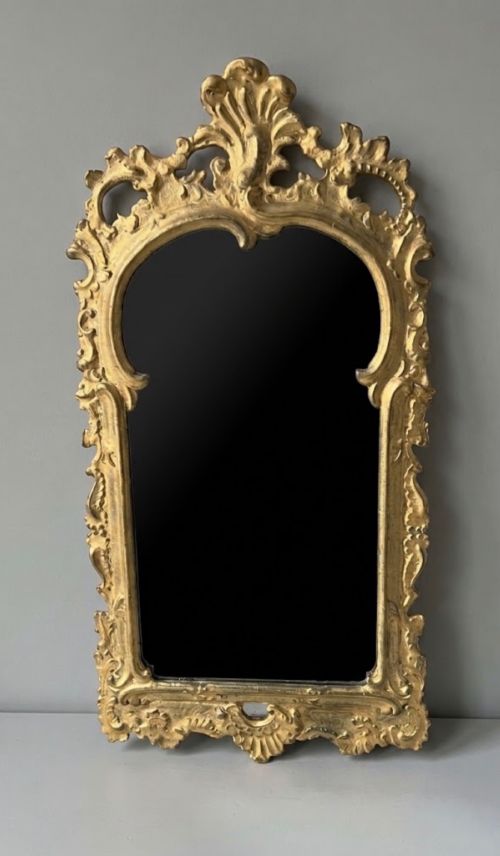
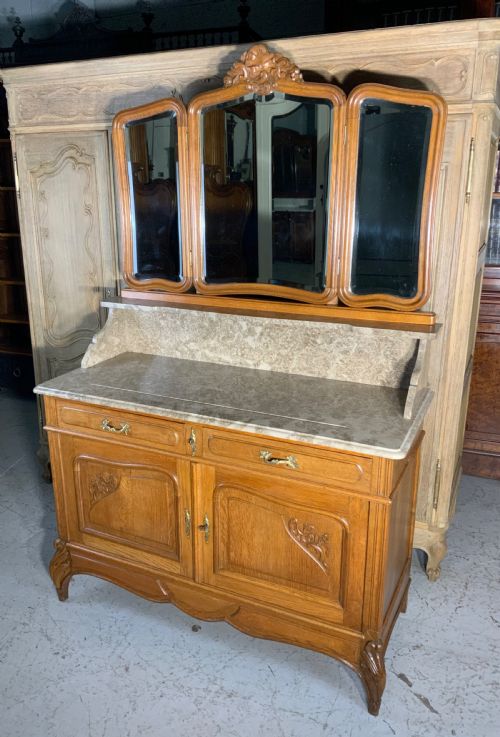
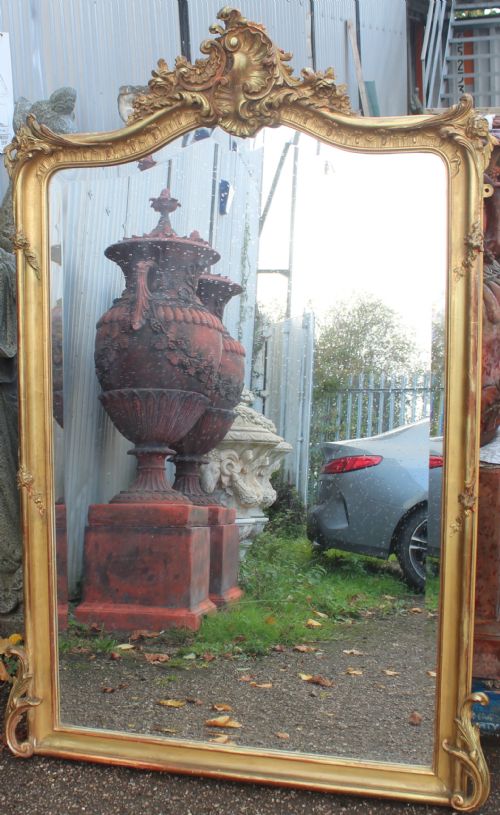
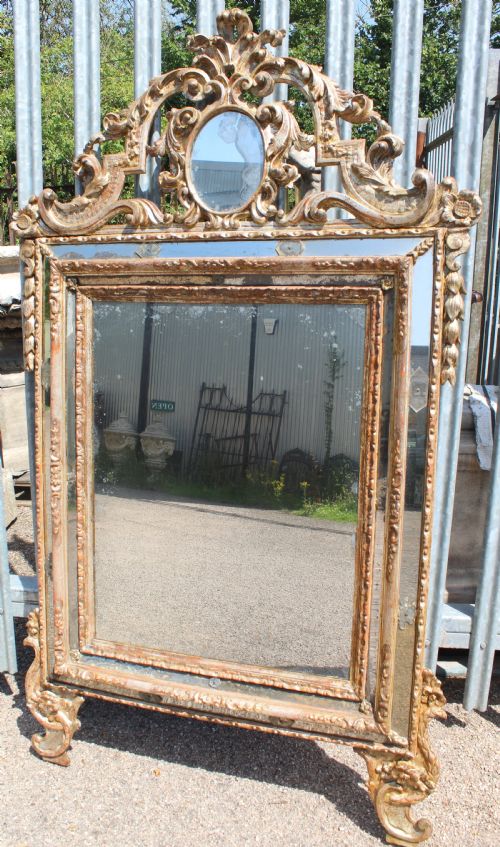
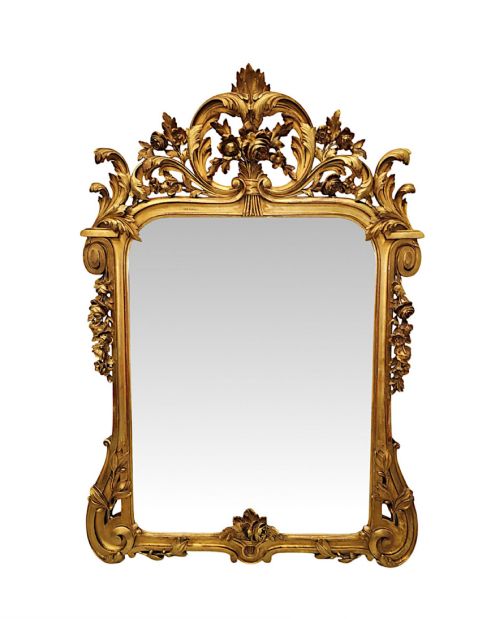
When searching for an antique carved mirror, buyers encounter a diverse range of domestic and formal pieces originating from the eighteenth century onwards. The selection encompasses heavy Victorian overmantles, delicate French Rococo revival wall hangings, and striking Florentine giltwood frames.
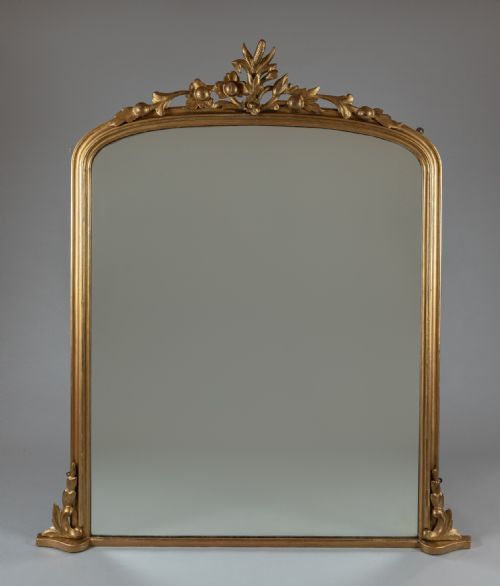
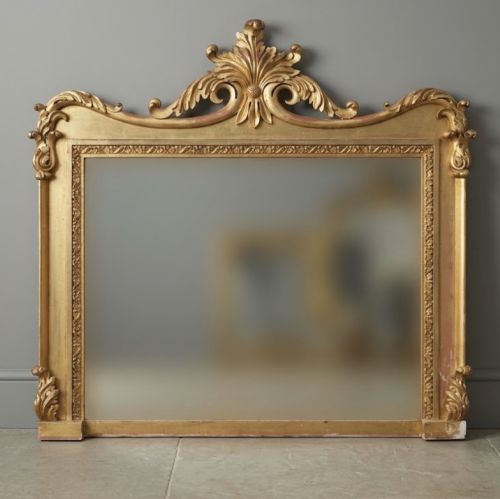
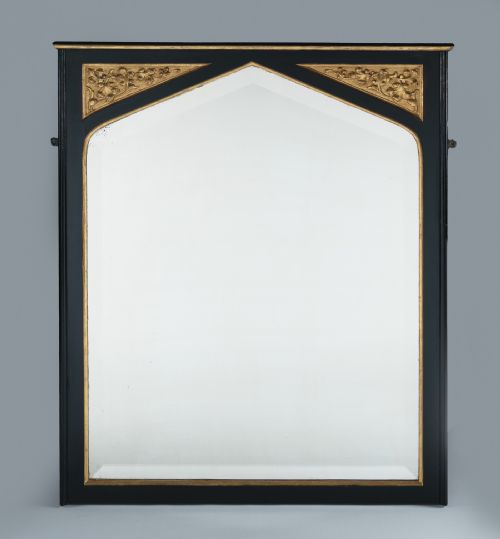
Overmantle mirrors dominate the domestic forms, designed specifically to sit above a fireplace mantelpiece with arched or rectangular timber profiles. Wall mirrors, pier glasses, and cheval mirrors also appear frequently across nineteenth-century and early twentieth-century examples.
The materials span native timbers like mahogany, walnut, oak, and pine alongside applied decorative layers of gesso and gold leaf. These pieces reflect shifting stylistic revivals, from Georgian parcel gilding to Art Nouveau organic frames.
Materials and Construction Methods
Carved wooden frames form the structural backbone of these pieces, utilising solid timbers such as mahogany, walnut, oak, pine, and yew. Artisans shaped these woods by hand before applying secondary ornamental details.
Gesso, a plaster-like mixture, was applied over the timber base and carved or moulded into intricate scrollwork, floral motifs, and architectural cornices. Gold leaf, parcel gilt, or painted finishes were then layered atop the gesso to create a reflective, gilded surface.
Mirror plates varied in production, with older examples utilising antique glass plates set securely within the heavy timber and composition frames. Brass fixtures and joints frequently secured the larger overmantle and cheval structures.
Antique Carved Mirror Retail Price Guide 2026
Typical asking prices for carved mirror among the pieces listed under this phrase on Sellingantiques today, from the lower quarter to the upper quarter. They describe what is for sale here now, not the wider market.
Distinctions in Craftsmanship
Quality rests primarily in the depth, crispness, and hand-carved execution of the wooden and gesso ornamentation. Superior examples display sharp relief in floral and scroll motifs rather than soft, mass-produced moulding.
The integrity of the original gilding and the preservation of the antique glass plate significantly influence the standing of a piece. Finer frames maintain their original gold leaf and structural joinery without heavy modern intervention.
Proportion and scale dictate the visual impact, with monumental overmantles and balanced pier mirrors demonstrating superior design cohesion. Heavy timbers and robust internal framing separate substantial statement pieces from lighter domestic mirrors.
Lamb of Manchester
The Antique Carved Mirror Glossary
- Giltwood
- Timber that has been coated with gold leaf or gold paint. This finish appears frequently on formal nineteenth-century wall and overmantle frames.
- Gesso
- A plaster mixture applied to wood frames to create a smooth surface for carving or gilding. Artisans modelled intricate relief patterns directly into this material.
- Overmantle Mirror
- A large mirror specifically constructed to hang above a fireplace mantelpiece. These often feature arched tops to match architectural chimney breasts.
- Pier Glass
- A tall mirror designed to hang on the pier or wall space between windows. They frequently accompanied matching console tables.
- Parcel Gilt
- A decoration style where only specific portions of a wooden object are gilded, leaving the underlying grain visible. This technique highlights carved mouldings against natural timber.
Antique Carved Mirror: Frequently Asked Questions
How do I hang a heavy overmantle mirror safely?
Heavy overmantle mirrors require secure wall fixings anchored directly into masonry or robust wooden studs to support their substantial weight. Professional mirror hangers utilise heavy-duty brackets that distribute the vertical load evenly across the frame.
Because these frames combine solid timber, gesso, and thick glass, checking the original structural joints and hanging wire before installation is essential. Ensuring the piece rests partially on the mantel shelf itself also relieves tension from the wall fixtures.
Where should I place a large antique wall mirror?
Large antique wall mirrors perform best opposite windows where they can capture natural light and bounce it deep into the room. Placing one above a sideboard or console table creates a balanced focal point in a dining or living space.
Consider the eye-line height when positioning the frame to ensure the reflected view enhances the room's proportions. Tall pier mirrors work particularly well in hallways or reception spaces to elongate the vertical perspective.
What is the difference between an overmantle and a pier mirror?
An overmantle mirror is traditionally broader and designed specifically to occupy the horizontal space above a fireplace mantel. These pieces frequently incorporate arched tops to complement Victorian and Georgian interior architecture.
Conversely, a pier mirror is typically taller and narrower, built to fit the solid wall space between two windows. Pier mirrors often coordinate directly with console tables placed underneath them.