

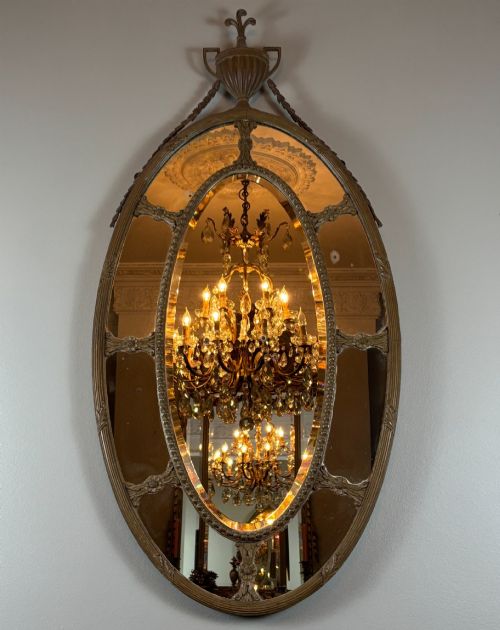
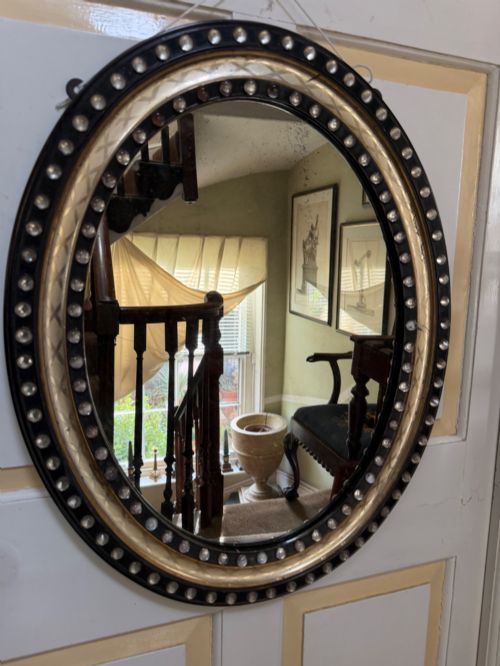
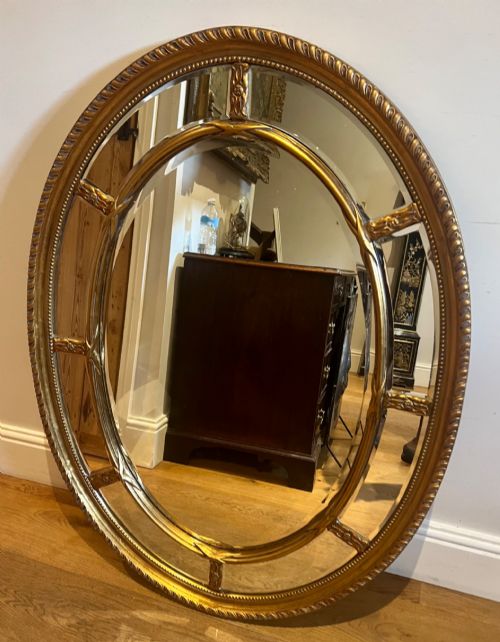
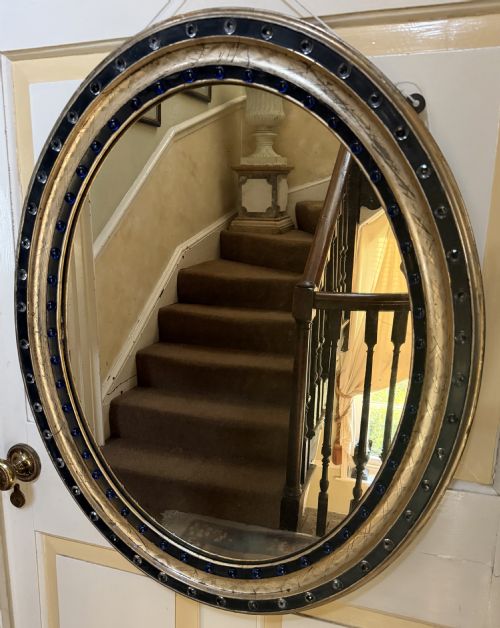
Oval Gilt Mirror
An oval gilt mirror brings warmth and light to a room through curved frames and reflective glass.
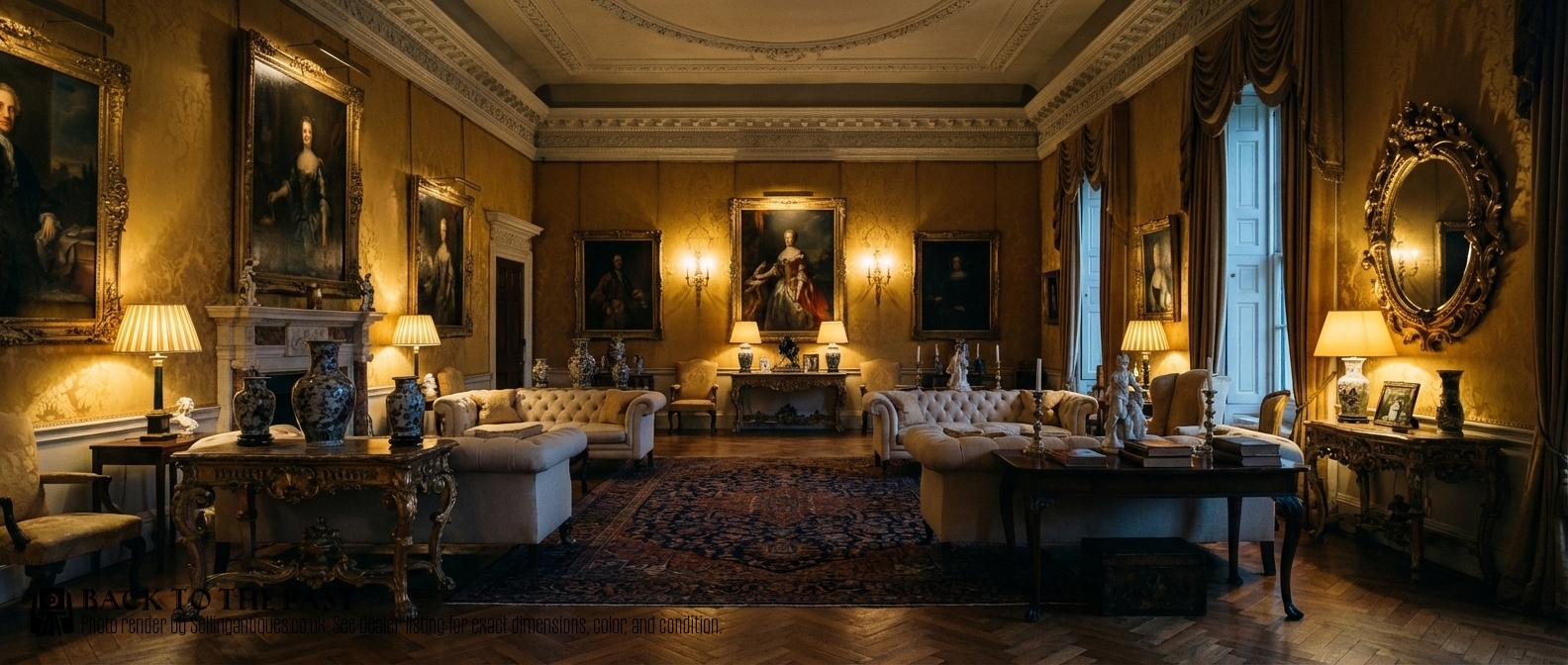
Oval Gilt Mirror
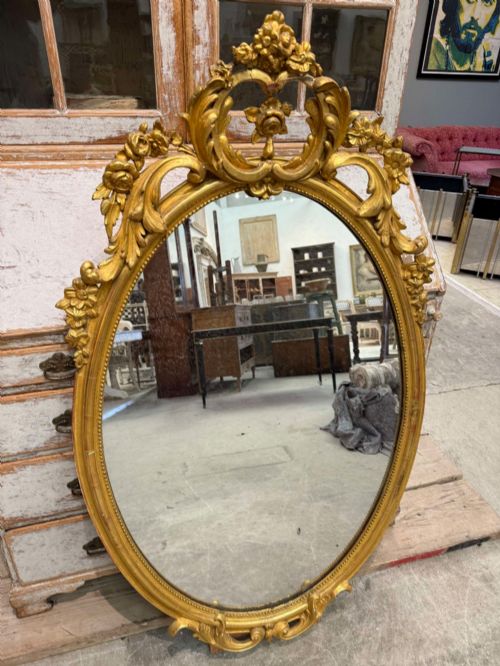
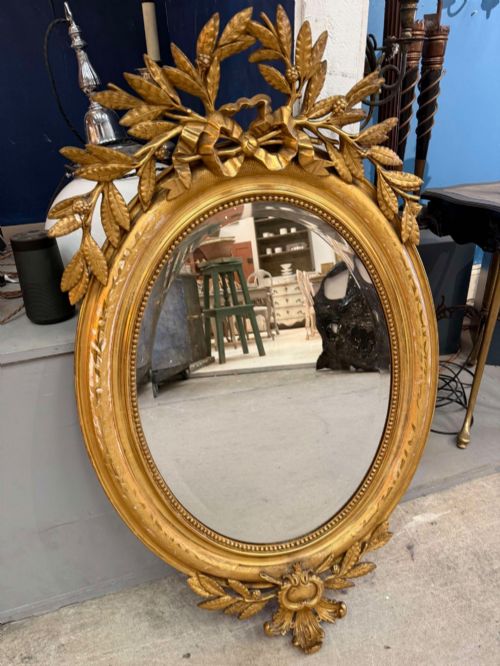
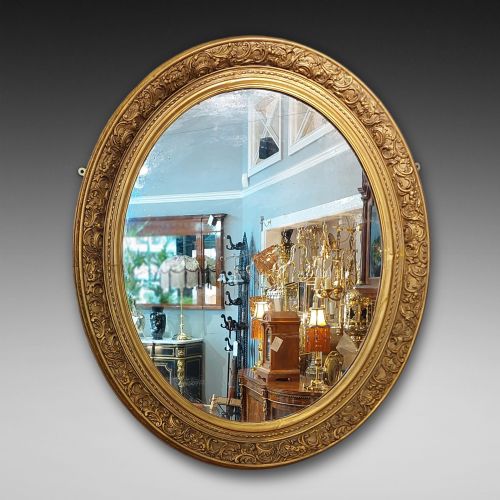
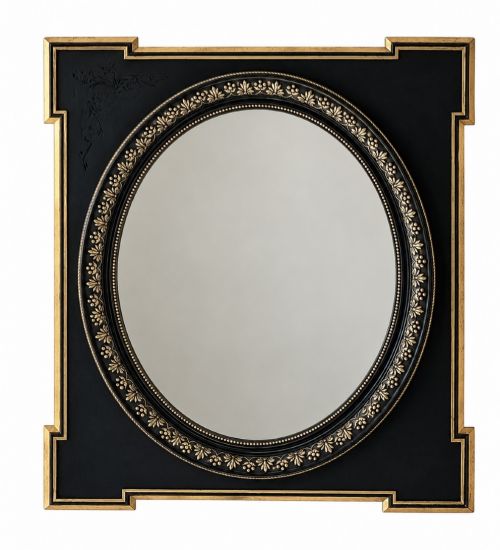
An oval gilt mirror is a decorative looking glass framed in wood, gesso, or metal treated with gold leaf or paint. These pieces appear across eighteenth, nineteenth, and early twentieth century periods, reflecting styles from Georgian symmetry to ornate Victorian and Edwardian revivalism.
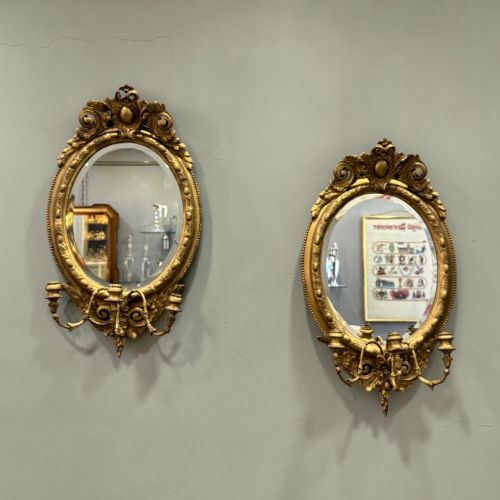
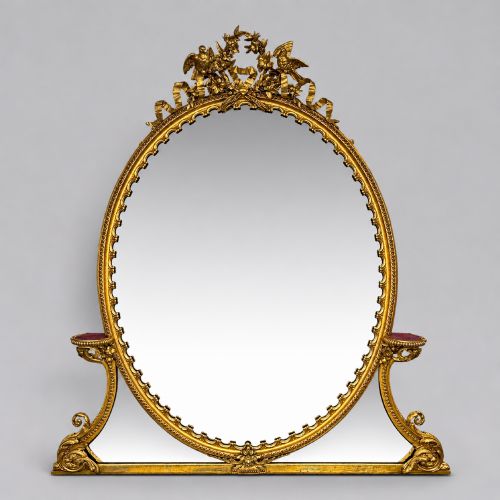
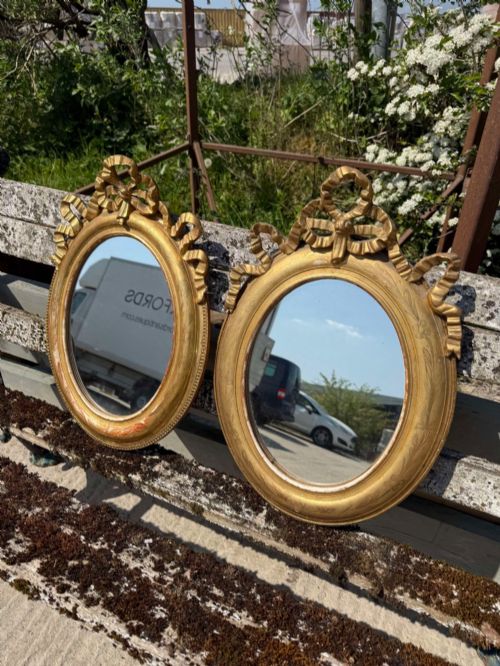
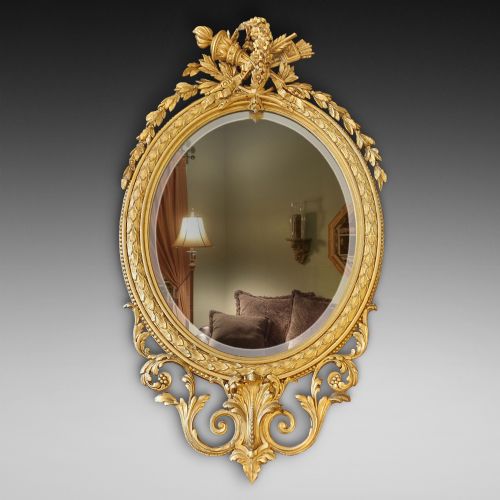
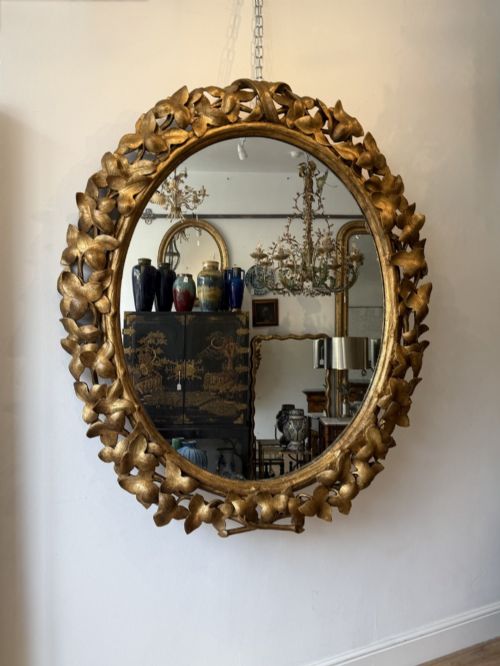
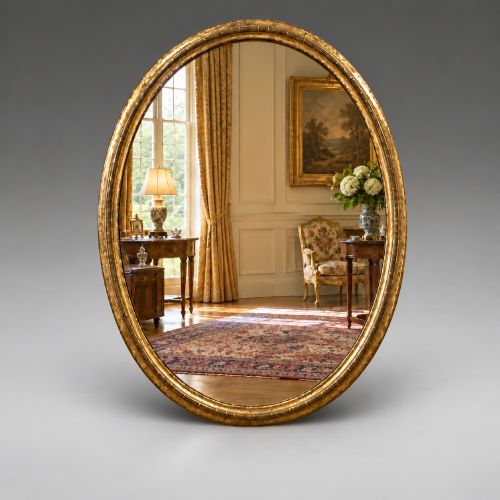
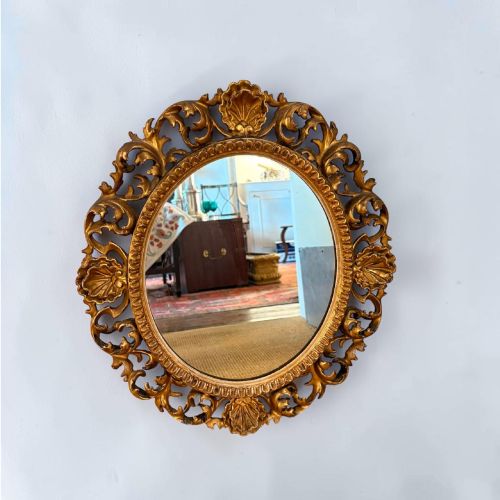
The most common examples on this page are wall-mounted frames from the Victorian era and the nineteenth century, often decorated with carved wood and gesso ornamentation. Pieces range from grand overmantel designs to small toilet and dressing table mirrors intended for bedrooms and boudoirs.
How They Were Made
Craftsmen built the underlying frames from timber such as pine or walnut, sometimes applying a layer of composition or gesso to take intricate moulded details like scrolls, swags, and vine leaves. Artisans then applied gold leaf, bronze powder, or gilt paint to the prepared surface to achieve a metallic finish.
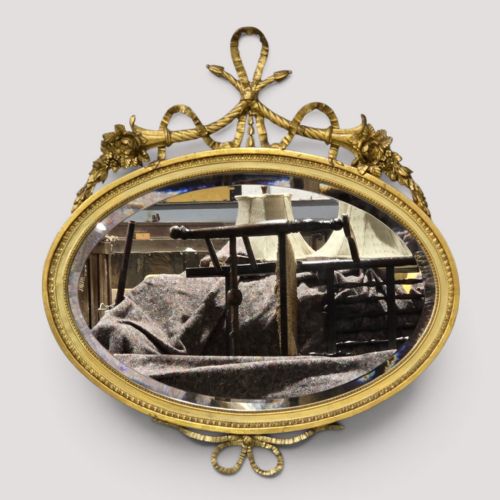
Mirrors from earlier periods frequently utilise mercury plate glass, which presents a characteristic mottled appearance due to the silvering process used at the time. Later pieces incorporate standard mirror glass, sometimes bevelled at the edges or bordered with segmented glass panels.
Oval Gilt Mirror Retail Price Guide 2026
Typical asking prices for oval gilt mirror among the pieces listed under this phrase on Sellingantiques today, from the lower quarter to the upper quarter. They describe what is for sale here now, not the wider market.
Object forms range from large wall and overmantel mirrors to small dressing table pieces and candle-bearing girandoles.
What Varies in Quality
Depth and crispness of carving set apart superior examples from simpler mass-produced items. Hand-carved wooden frames display sharp relief in motifs such as floral crests and urns, whereas lesser pieces rely heavily on thick composition mouldings that can obscure fine detail.
The integrity of the gilt surface determines the visual impact of the mirror. Original fire gilding or gold leaf patinates softly over generations, whereas poorly applied modern metallic paint or heavy restoration alters the reflective quality and depth of the frame.
The Oval Gilt Mirror Glossary
- Gesso
- A plaster-like mixture applied to wooden frame bases to create a smooth surface for carving and gilding. It allows craftsmen to model intricate decorative elements before applying gold leaf.
- Girandole
- A decorative wall mirror featuring attached candle sconces or arms designed to reflect candlelight. These fixtures were popular in formal eighteenth and nineteenth century interiors.
- Parcel-gilt
- A treatment where only specific carved portions of a wooden or ebonised frame are highlighted with gold leaf or paint. This technique creates contrast against a dark or natural timber background.
- Composition
- A moulded mixture of whiting, resin, glue, and linseed oil pressed into decorative ornaments for frames. It offered a cost-effective alternative to hand-carved wood during the nineteenth century.
- Mercury plate
- An early type of mirror glass silvered using a tin-mercury amalgam before chemical silvering was invented. It produces subtle imperfections and a deep, cloudy reflection.
Oval Gilt Mirror: Frequently Asked Questions
Where should I hang an oval gilt mirror?
These mirrors suit spaces above mantelpieces, console tables, or dressing chests where the curved outline softens rectangular furniture arrangements. Placing them opposite windows helps bounce natural light deeper into smaller rooms.
Smaller tabletop and dressing mirrors fit well on bedroom chests or sideboards. Wall-mounted versions require secure fixings suited to the substantial weight of timber and gesso frames.
How do I identify a nineteenth century frame?
Nineteenth century frames often feature dense gesso ornamentation over pine, displaying styles from Rococo revival to structured Victorian patterns. Close inspection of the joints and the backboards helps reveal the age of the construction timber.
Older mirror plates may show foxing or slight distortion in the glass, which distinguishes period mercury or early silvered plates from modern replacements.
What is the difference between gesso and carved wood?
Carved wood frames are shaped directly from timber by hand, showing tool marks and natural grain beneath the metallic finish. Gesso frames use a plaster mixture built up over a wooden core to hold moulded decorations.
Many antique pieces combine both techniques, using a carved wooden structure embellished with moulded gesso details for high-relief decoration.
How do I clean a gilt frame safely?
Dust the carved surface gently using a soft, dry brush to remove particles without disturbing delicate gesso or gold leaf. Avoid liquid cleaners, polishes, or damp cloths, which can strip historic gilding or damage composition ornaments.
Glass panels can be cleaned with a small amount of glass cleaner applied to a cloth rather than sprayed directly onto the mirror, preventing moisture seepage behind the frame.