

Ornate Carved Mirror
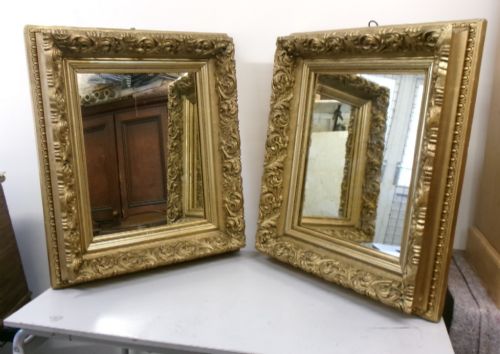
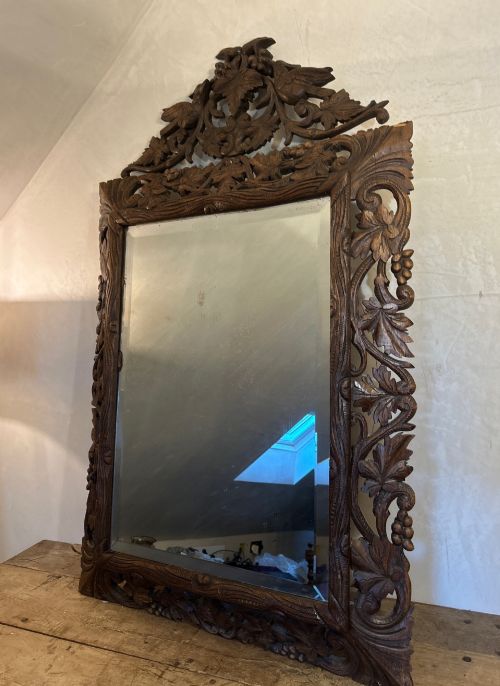
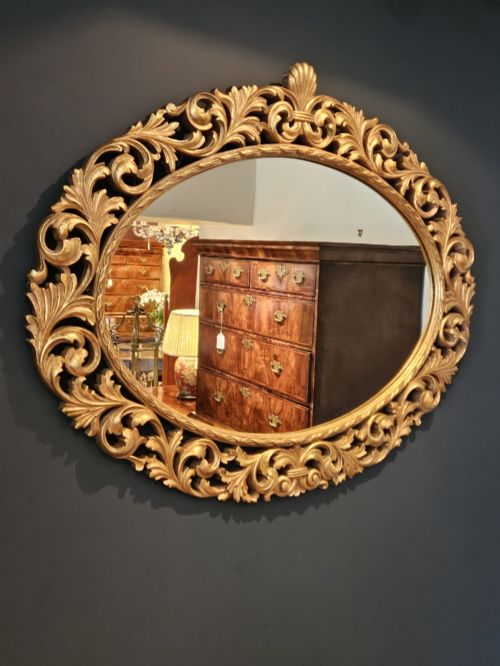
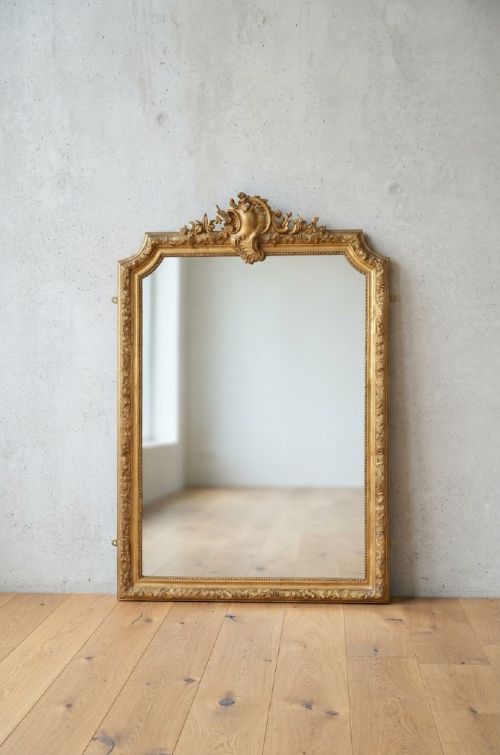
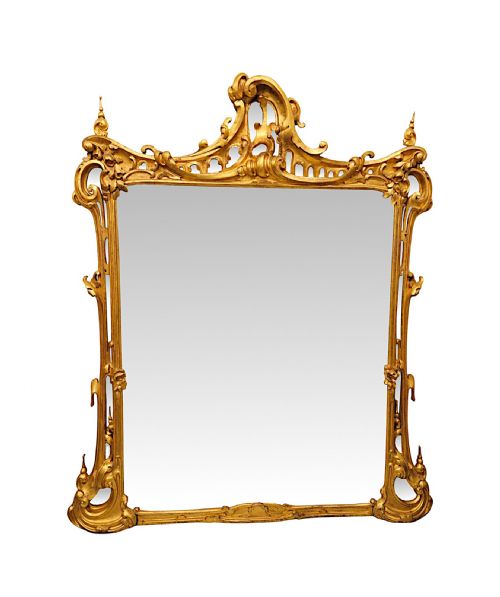
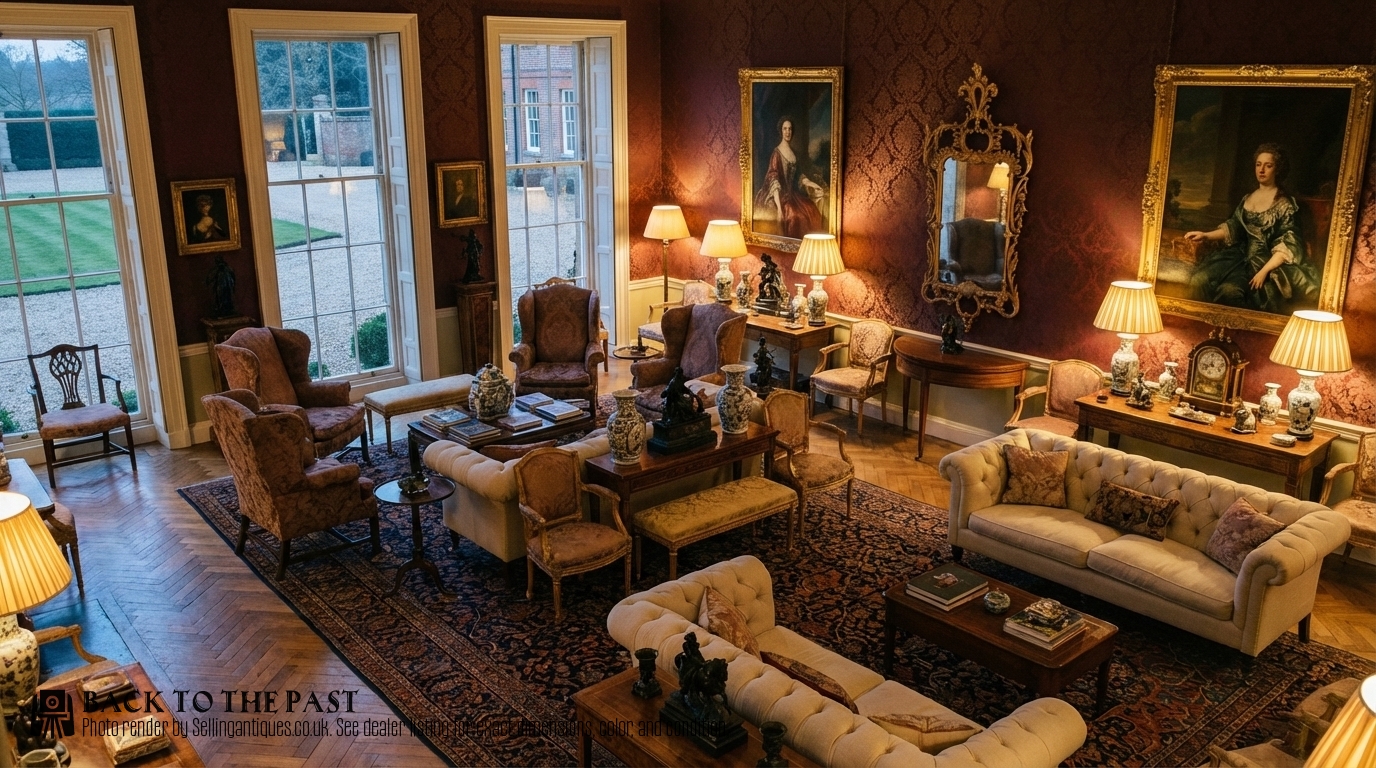
When choosing an ornate carved mirror, you select a sculptural focal point that brings depth and historic craftsmanship to an interior.
Ornate Carved Mirror
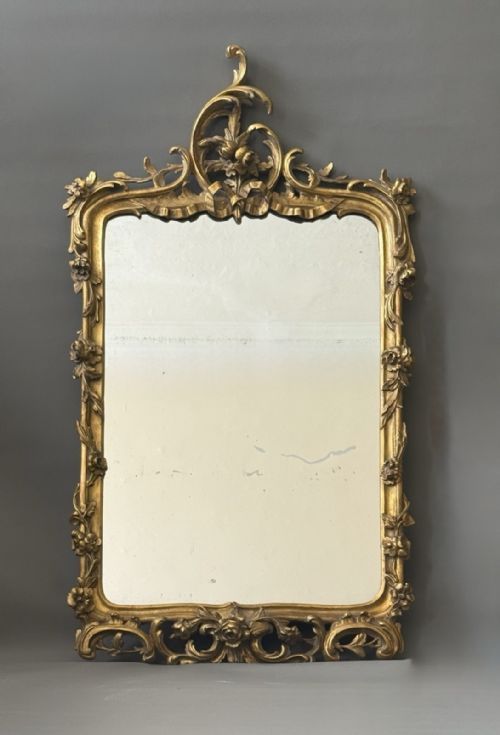
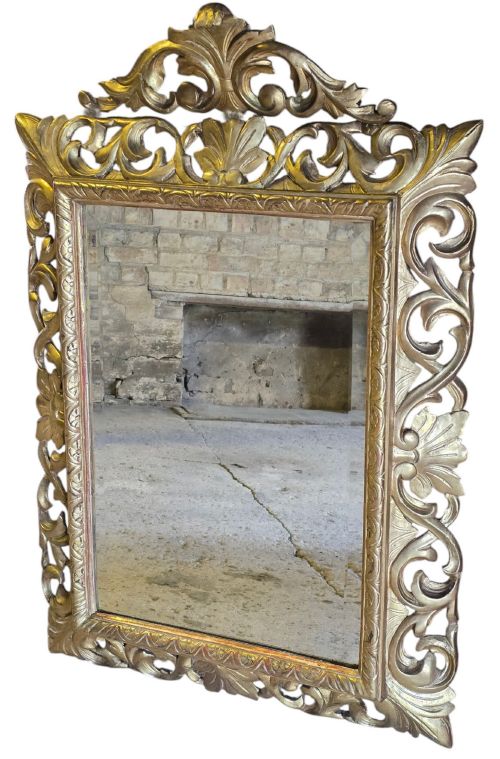
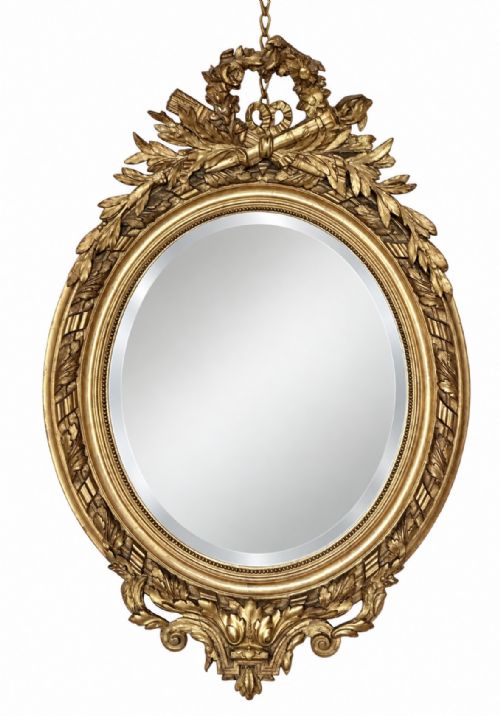
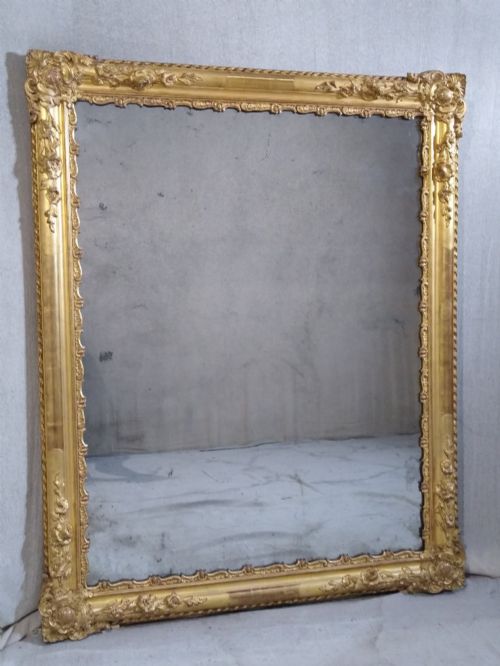
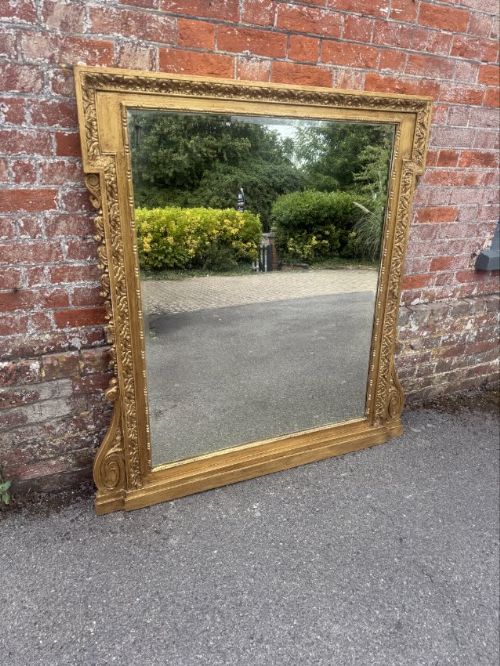
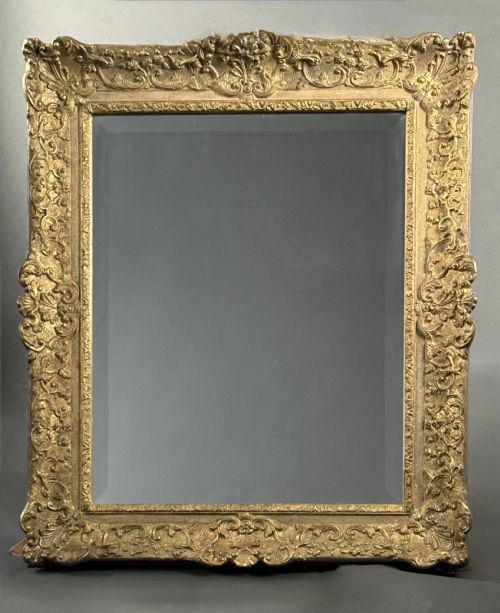
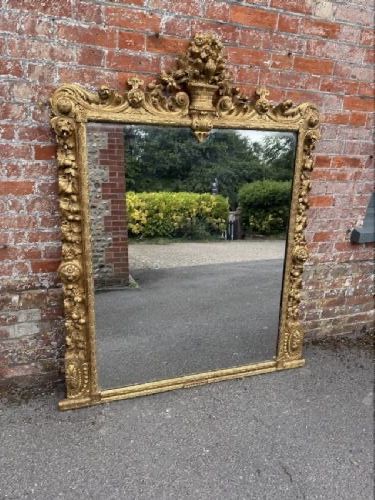
An ornate carved mirror combines functional glass with elaborate sculptural framing, designed to reflect light and dominate a wall or mantelpiece. Buyers encounter these pieces primarily in nineteenth-century British and French formats, alongside eighteenth-century Continental examples.
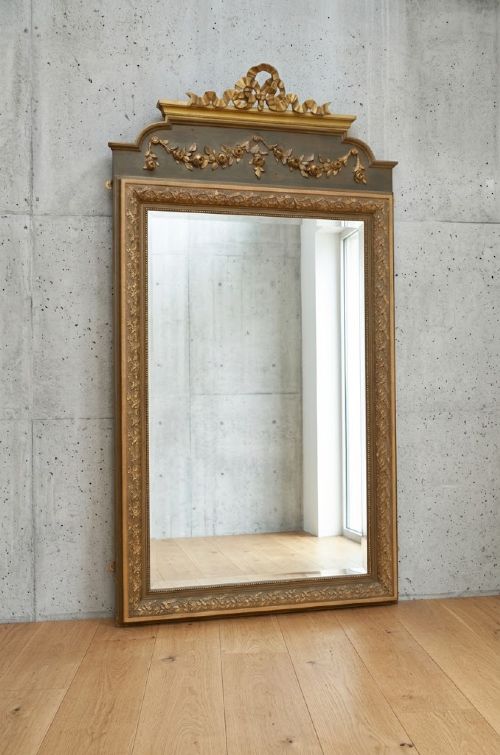
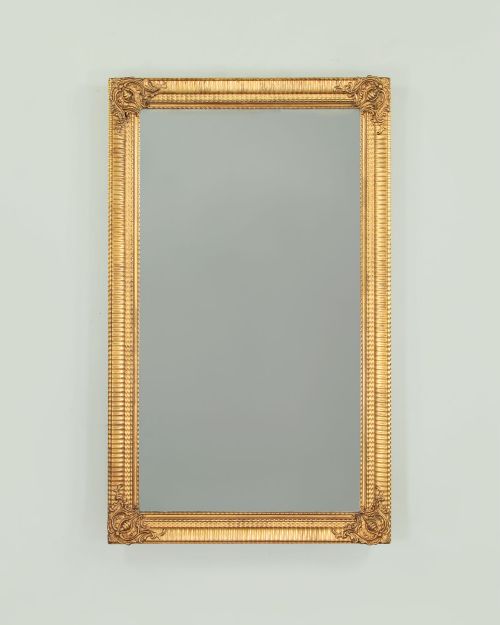
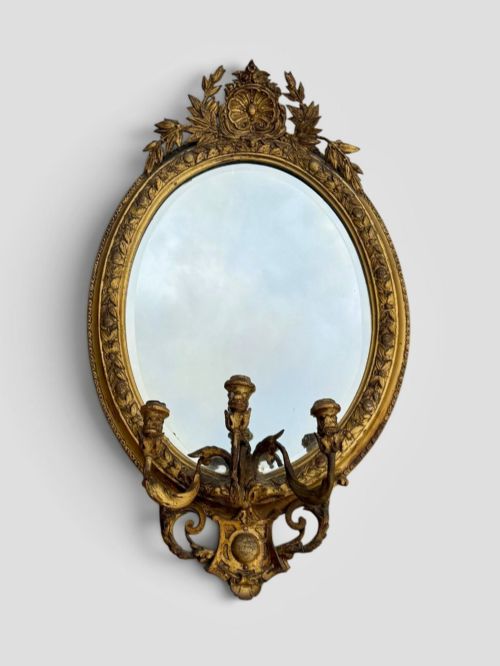
The selection spans substantial overmantle mirrors meant to sit above fireplaces, taller leaner mirrors, and smaller wall-mounted pier glasses or girandoles equipped with candle sconces. Timber frames carved directly or built up with moulded detail reflect regional preferences from English Victorian workshops to Florentine and French provincial studios.
How They Were Made
Cabinetmakers and carvers shaped frames from solid woods such as oak, mahogany, and pine, often applying layers of gesso to build up high-relief scrollwork, floral vines, and ribbon crests. This plaster-like mixture provided a smooth ground for subsequent gilding with gold leaf or silver-gilt.
Alternatively, makers utilised composition - a pliable mixture of whiting, linseed oil, resin, and glue pressed into moulds - to achieve intricate rococo revival motifs quickly before applying metallic leaf or paint finishes to the wooden carcass.
Ornate Carved Mirror Retail Price Guide 2026
Typical asking prices for ornate carved mirror among the pieces listed under this phrase on Sellingantiques today, from the lower quarter to the upper quarter. They describe what is for sale here now, not the wider market.
Listings feature nineteenth-century Victorian pieces alongside eighteenth-century examples, utilising giltwood, gesso, composition, and glass.
What Varies In Quality
The distinction between standard production and exceptional work lies in the depth and crispness of the hand-carving versus moulded composition. Crisp undercut foliage and sharply defined motifs indicate a master carver's hand, whereas softened details suggest mass-produced composition ornament.
Originality of components also dictates standing, with authentic period mirror plates displaying natural foxing and silver degradation, housed within frames retaining their original gilding or historic painted surfaces rather than modern refinishing.
The Ornate Carved Mirror Glossary
- Gesso
- A prepared mixture of chalk, gypsum, and binding size applied to wood frames to create a smooth surface for gilding or painting. This material allows artisans to carve delicate relief details that hold crisp edges.
- Giltwood
- Timber coated with a very thin layer of gold leaf over a prepared bole and gesso ground. It provides a warm, reflective metallic finish characteristic of formal period furnishings.
- Overmantle
- A large mirror specifically proportioned to hang on the wall immediately above a fireplace mantel. These pieces frequently feature horizontal formats designed to match the width of the fireplace below.
- Girandole
- A decorative wall mirror featuring integrated candle sconces or arms attached to the frame. The polished glass and metallic surfaces amplify the candlelight within a room.
- Foxing
- Small dark spots and gradual discolouration appearing within the silver backing of antique mirror glass due to oxidation over time. Collectors view this natural ageing as proof of genuine age.
- Composition
- A moulded mixture of whiting, resin, linseed oil, and glue pressed into decorative ornaments for frames. It offered a cost-effective alternative to deep hand-carving during the nineteenth century.
Ornate Carved Mirror: Frequently Asked Questions
How do I hang a heavy overmantle mirror safely?
Substantial frames require professional wall anchoring directly into studs or masonry using heavy-duty brackets capable of supporting the combined weight of timber and glass.
Distributing the load across multiple fixing points prevents structural strain on the original wooden frame and ensures stability.
What is an overmantle mirror?
An overmantle mirror is a wide wall glass designed explicitly to rest or hang above a fireplace mantelpiece. Its proportions usually echo the width of the hearth to anchor the room's central elevation.
Historically, these pieces served to bounce ambient firelight around dimly lit nineteenth-century parlours and drawing rooms.
Can I clean antique mirror glass?
Antique glass requires gentle cleaning with a soft cloth and mild, non-ammonia-based solutions applied sparingly. Harsh chemical cleaners can seep behind the edges and accelerate the degradation of the fragile silver backing.
Preserving the existing foxing maintains both the historic character and the visual integrity of the original plate.
How do I distinguish French and English styles?
French pieces frequently exhibit flowing rococo revival curves, asymmetric cartouches, and crests adorned with ribbons or floral sprays. English examples from the nineteenth century often lean towards architectural symmetry, substantial mouldings, and formal overmantle formats.
Regional carving techniques and choice of underlying woods also help differentiate between provincial French workshops and Victorian English cabinetmakers.