


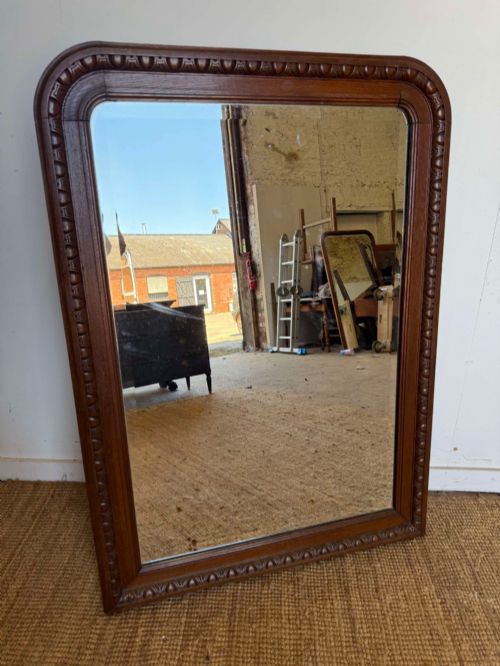
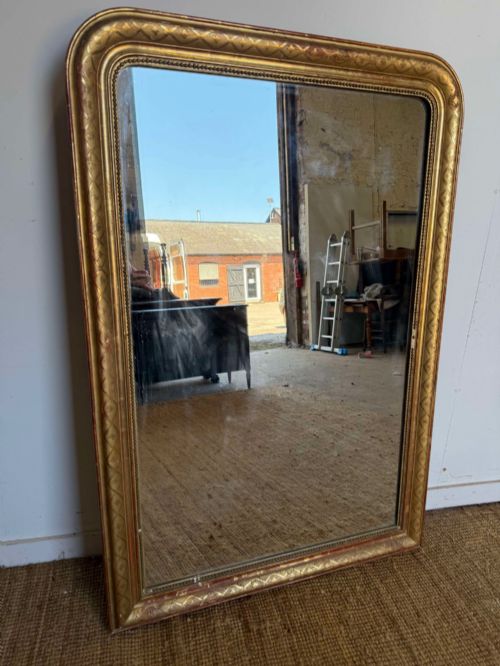
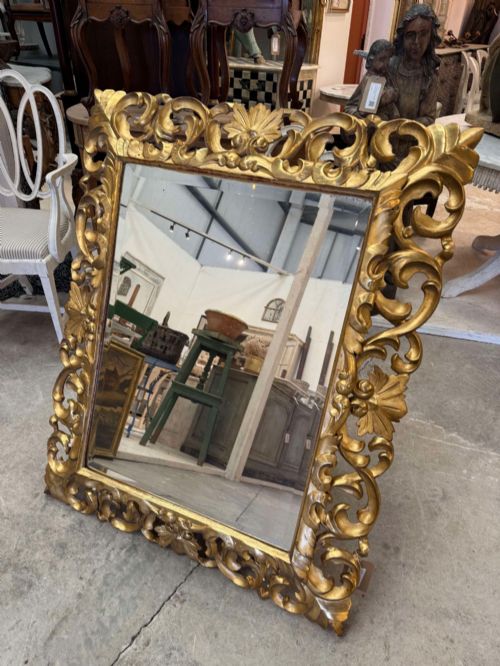
Antique Mirror Frame
When sourcing an antique mirror frame, you select a piece that brings both history and architectural depth to a room through period craftsmanship.
Antique Mirror Frame
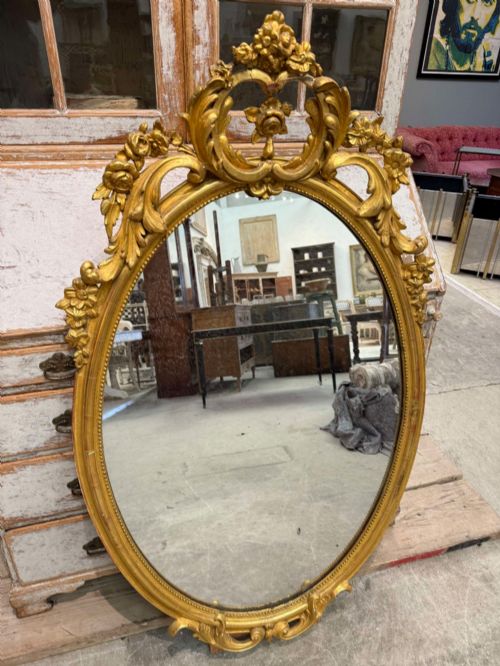
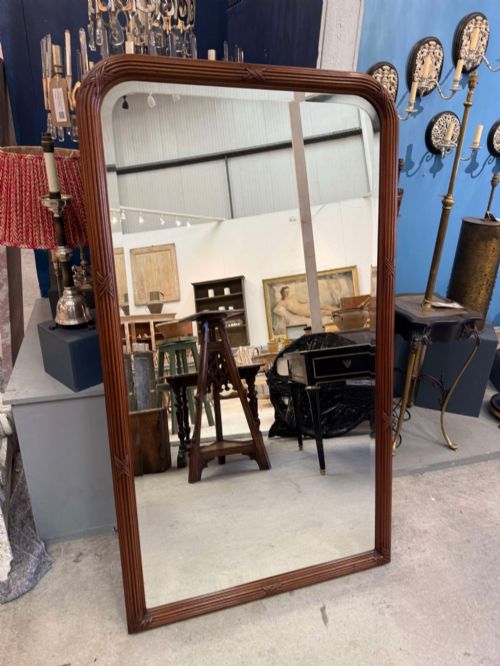
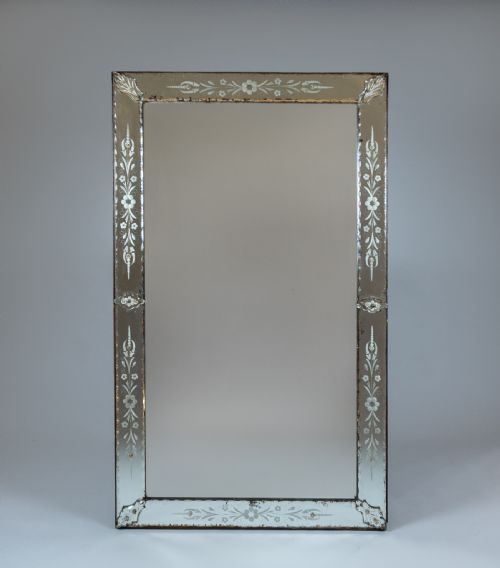
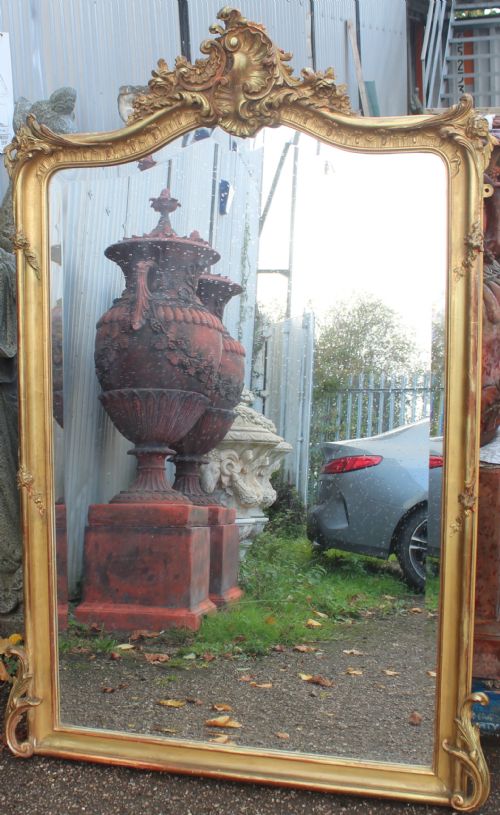
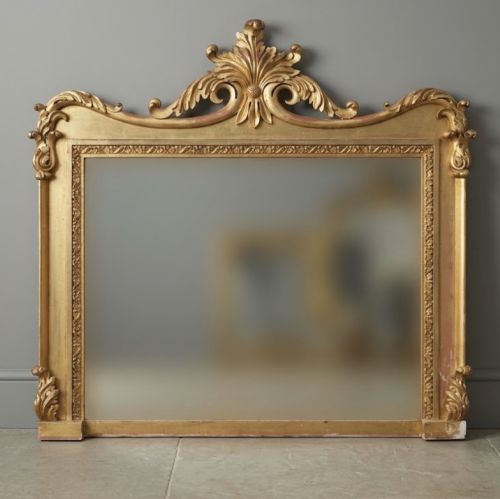
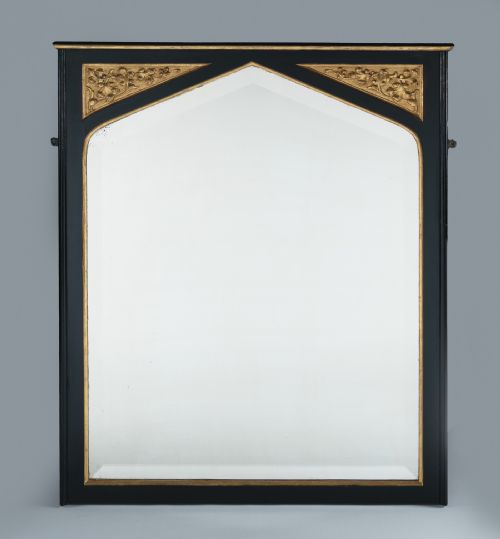
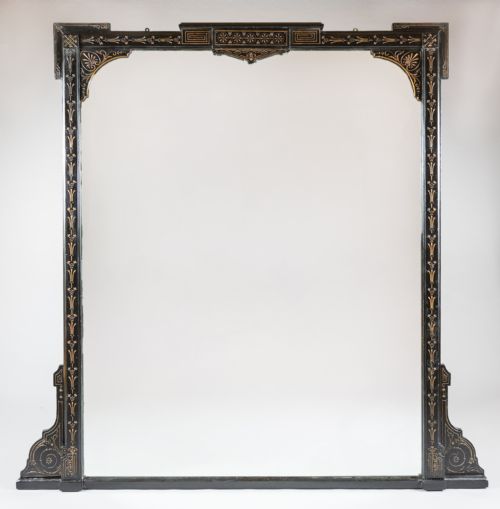
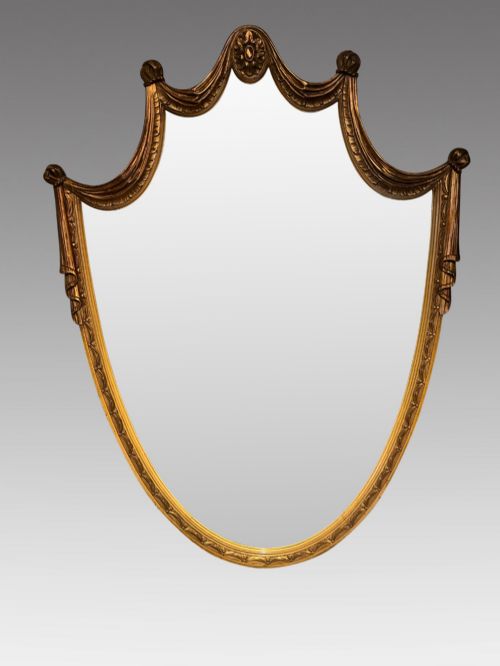
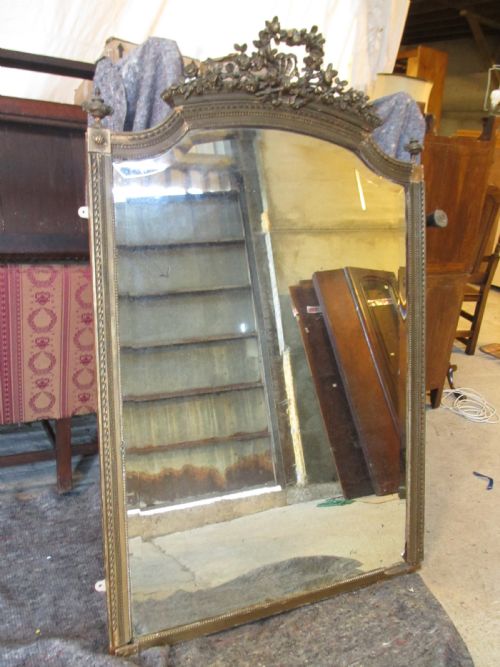
An antique mirror frame encompasses a diverse range of forms designed to anchor interiors, including grand overmantels, sweeping wall mirrors, and delicate dressing table swing mirrors.
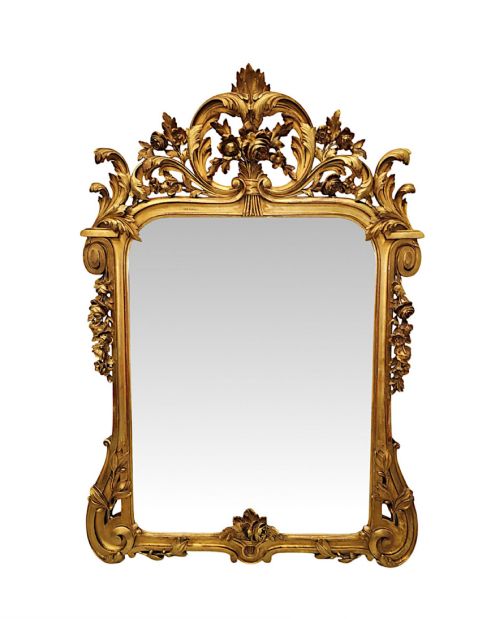
The selections available span from the restrained geometry of Georgian mahogany designs to the exuberant carved gesso and giltwood ornament of Victorian and Regency periods.
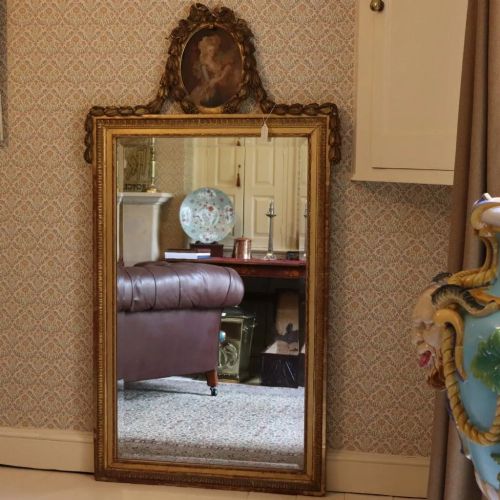
French influence appears frequently through trumeau panels and ornate crests, alongside English country house iterations built from oak, walnut, and maple.
Materials and Construction Techniques
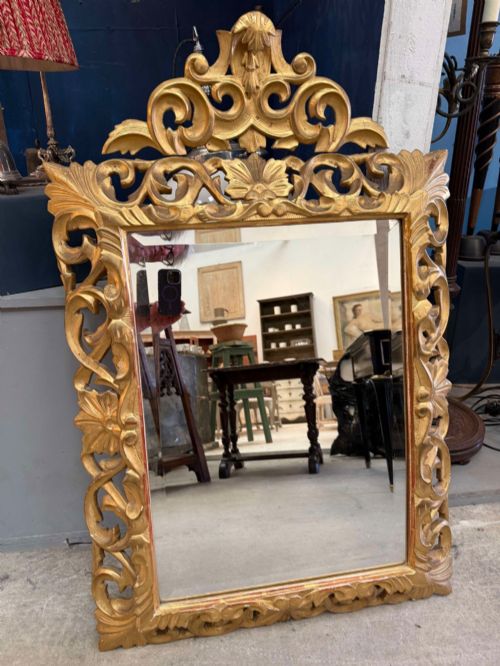
Makers constructed the foundational structures using solid timbers such as oak, mahogany, walnut, and pine, often applying layers of gesso to build up intricate relief decoration.
Gilding was achieved by applying gold leaf or paint over the prepared surfaces, while specialised treatments like mercury glass and bevelled plate provide the reflective surfaces.
Antique Mirror Frame Retail Price Guide 2026
Typical asking prices for mirror frame among the pieces listed under this phrase on Sellingantiques today, from the lower quarter to the upper quarter. They describe what is for sale here now, not the wider market.
Objects span diverse forms, ranging from modest dressing table swing mirrors to full-height floor mirrors and French trumeaus.
Distinctions in Execution
The standard of an antique mirror frame depends upon the crispness of the hand-carved woodwork and the depth of the gesso moulding rather than surface wear.
Superior examples display balanced proportions, original gilding layers intact upon the timber, and historically consistent mirror plates that reflect age without compromising integrity.
Charles Nosotti·Waring and Gillow
The Antique Mirror Frame Glossary
- Giltwood
- Timber coated with gold leaf over a prepared gesso ground. This finish defines the ornate appearance of many period pieces.
- Gesso
- A plaster-like mixture applied to wood frames to create a smooth surface for carving and gilding. It allows for sharp relief details.
- Trumeau
- A decorative wall mirror paired with an oil painting or panel above the glass. Originating in France, these pieces served as architectural wall decorations.
- Overmantel
- A large mirror specifically proportioned to hang above a fireplace mantel. These frames frequently feature architectural mouldings or arched tops.
- Pier glass
- A tall mirror designed to fit the narrow wall space between windows. They often stand above small console tables or piers.
Antique Mirror Frame: Frequently Asked Questions
How do I hang a heavy overmantel mirror?
Heavy antique mirror frames require professional wall fixings secured directly into masonry or structural studs rather than standard plasterboard.
Weight distribution across multiple secure points ensures the substantial timber and glass remain safely supported.
What is mercury glass in an antique mirror?
Mercury glass refers to double-walled silvered glass objects or antique mirror plates produced with a reflective backing technique common in the nineteenth century.
This material develops characteristic dark spots and speckling over time, which confirms its age.
How do I clean an antique frame?
Dust giltwood and carved wood frames gently with a soft, dry brush to avoid disturbing fragile gesso or gold leaf layers.
Moisture and modern chemical cleaners should be kept away from historic surfaces to prevent permanent damage.
Can I replace the mirror plate?
Original glass with period imperfections is preferred by collectors, but damaged plates are occasionally replaced during conservation.
Retaining the historic glass maintains the character and authenticity of the piece.