

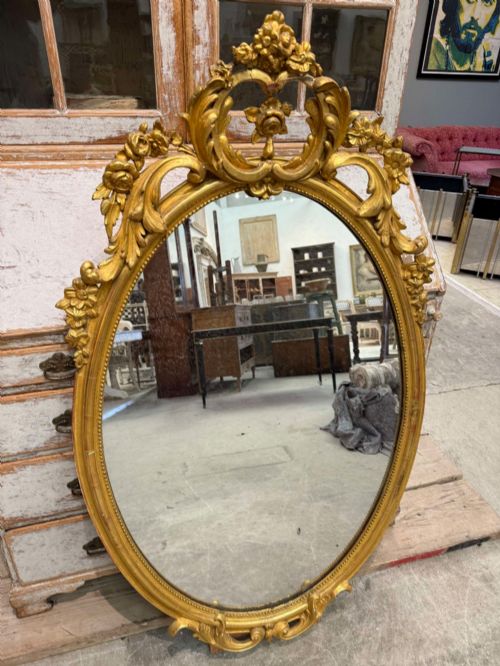
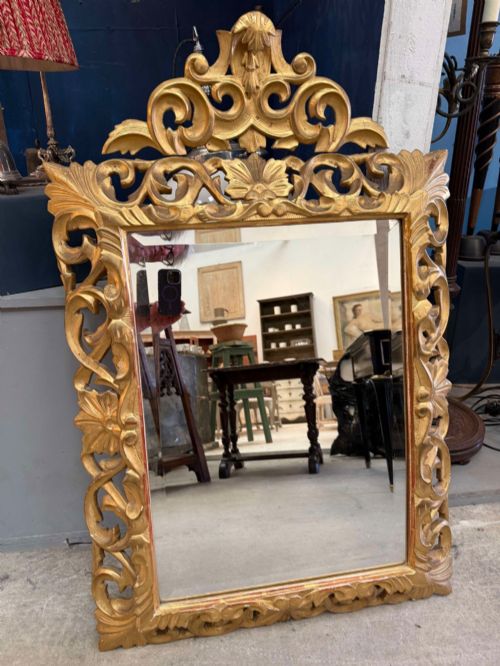
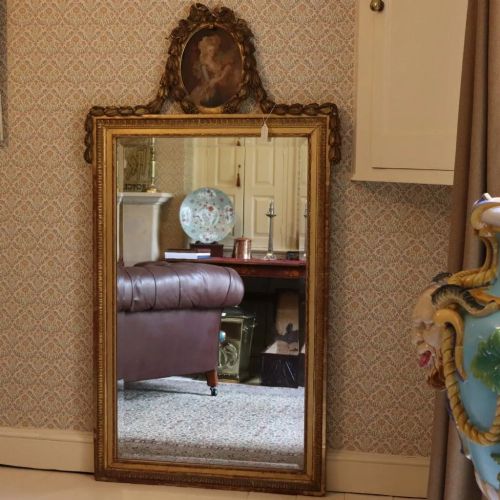
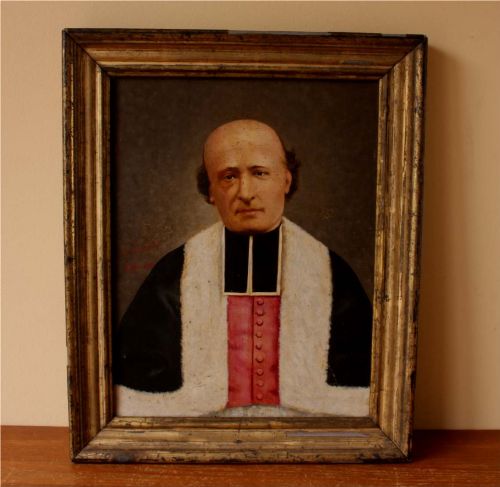

Antique Gold Frame
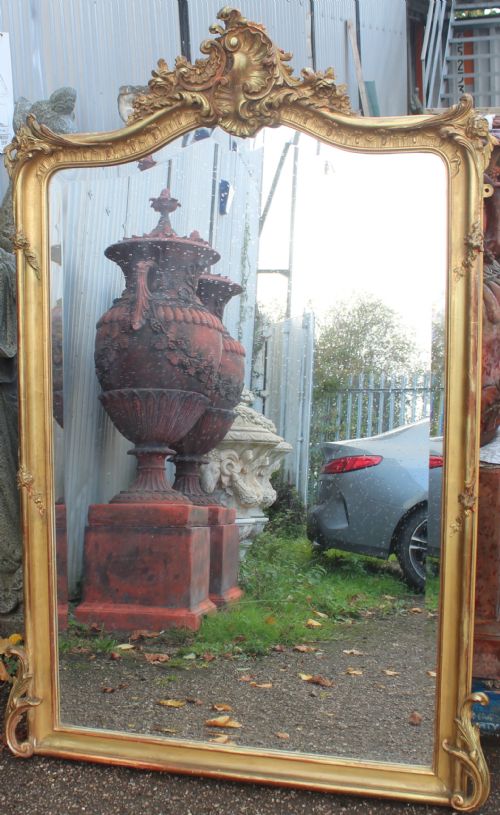
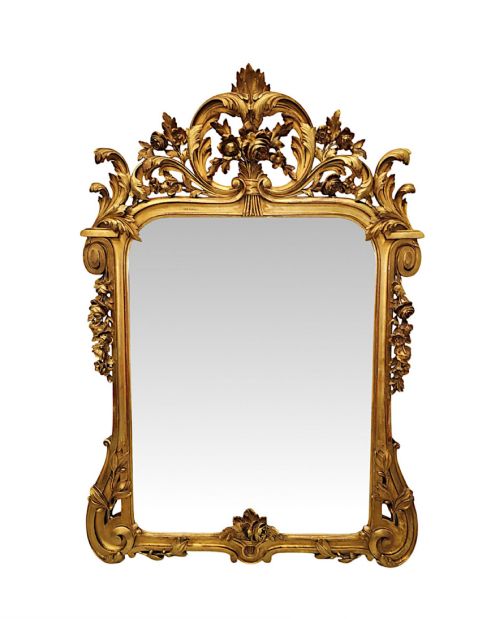
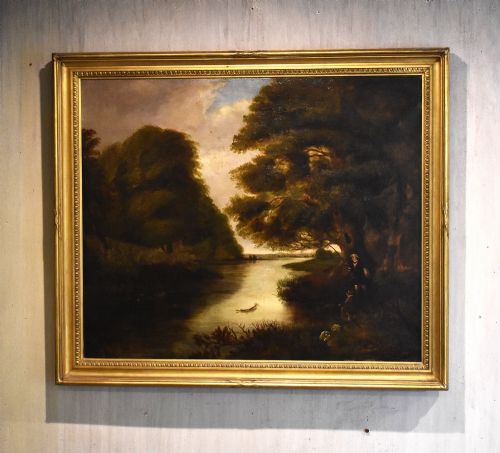
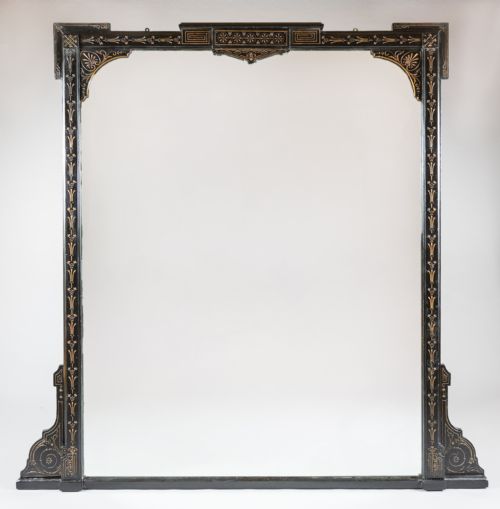
These pieces range from ornate Victorian mirror surrounds to centuries-old oil painting enclosures, prized for their craftsmanship and gilded surfaces.
Antique Gold Frame
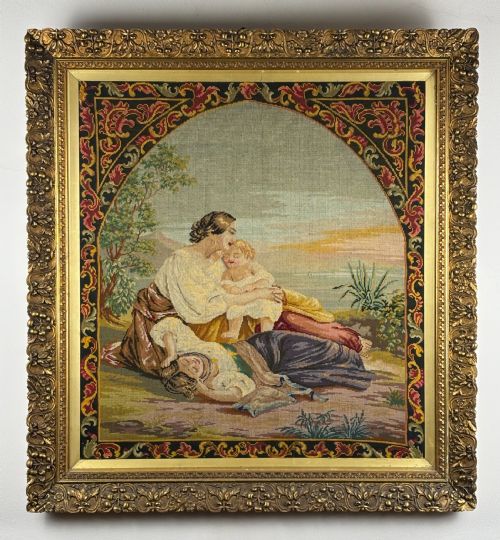
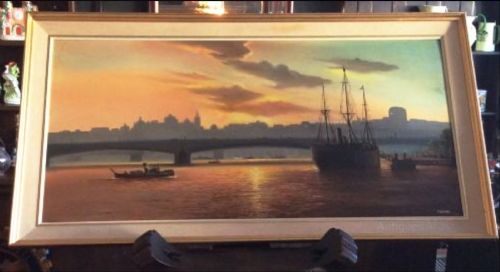
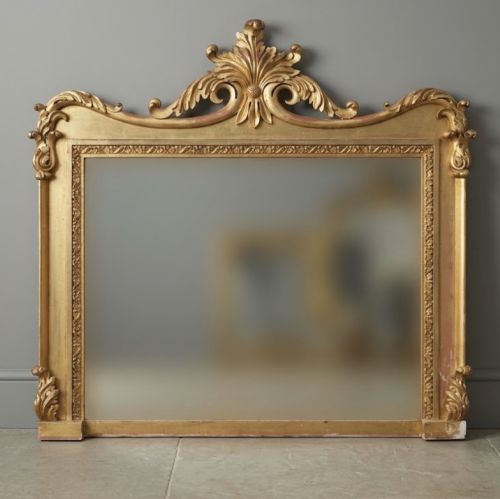
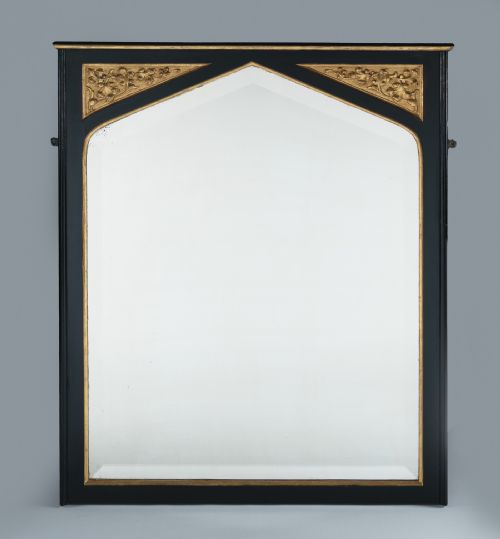
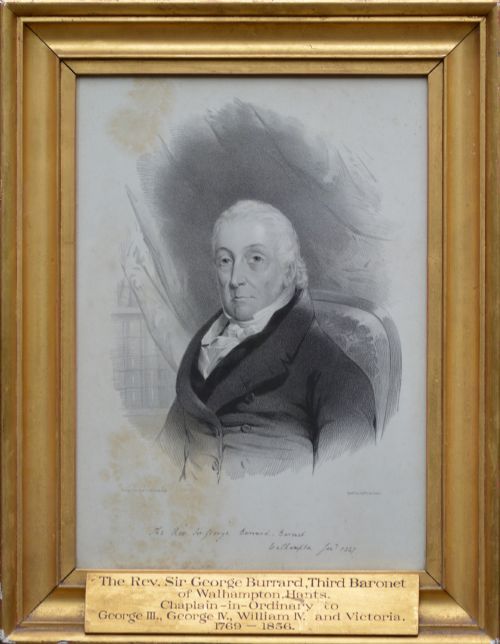
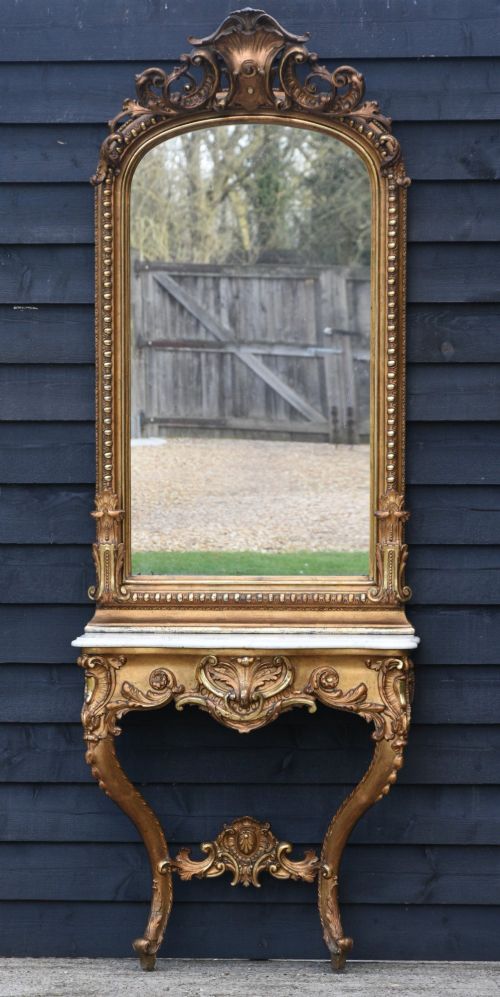
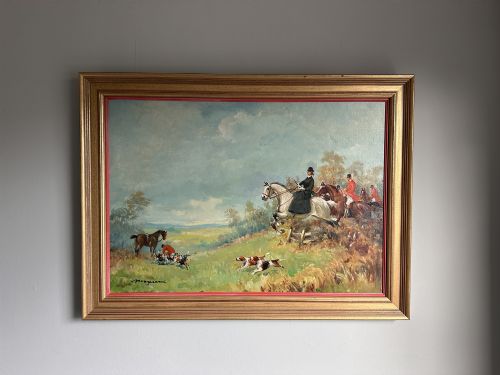
When searching for an antique gold frame, buyers typically encounter elaborate wooden borders designed to house oil paintings, portraits, or wall mirrors across centuries of European design.
The selections span seventeenth-century carvings, Georgian overmantels, and Victorian picture surrounds, alongside French rococo trumeau mirrors and delicate bronze photograph cases.
Most entries combine structural wood with gilded finishes, framing historical watercolours, canvas portraits, and landscape art from diverse British and continental schools.
How They Were Made
Makers constructed these surrounds using solid timber bases, applying layers of gesso to build up intricate surface ornamentation before adding gold leaf or gilt coatings.
Carved wooden elements often feature running decorations, swept corners, and applied composition mouldings that define distinct regional styles from the Georgian and Victorian eras.
Antique Gold Frame Retail Price Guide 2026
Typical asking prices for gold frame among the pieces listed under this phrase on Sellingantiques today, from the lower quarter to the upper quarter. They describe what is for sale here now, not the wider market.
What Varies in Quality
Superior examples showcase deep hand-carved wooden relief work and crisp gesso detailing, whereas simpler versions rely on moulded composition ornaments applied to plain timber.
The richness of the gilding and the integrity of the original joins distinguish master-workshop productions from standard commercial frames of the nineteenth century.
Joseph Clover RA·George Armfield·H. Medlycott·Guido Bach·James Hardy·Sir Godfrey Kneller·Charles-Antoine Coypel·Sir Joshua Reynolds·William Oliver·Eugène Verboeckhoven·Jean-Baptiste Van Loo·Leonardo Da Vinci·Charles Nosotti·Petrus Johannes Arendzen·Goldsmiths And Silversmiths·Maurice Quentin De La Tour·Sir Martin Archer Shee·Henri Fradelle·Alice Mary Hughes
The Antique Gold Frame Glossary
- Giltwood
- Wood that has been coated with gold leaf or gold paint. This finish creates the characteristic brilliant surface seen on period frames.
- Gesso
- A plaster mixture applied to wood frames to create a smooth base for carving or gilding. It allows craftsmen to model intricate relief details.
- Overmantel
- A large mirror or painting designed to be hung specifically above a fireplace mantel. These pieces often feature grand architectural proportions.
- Trumeau
- A decorative wall mirror paired with an oil painting set into the upper portion. Originating in France, these pieces combine two distinct visual elements within one frame.
- Swept frame
- A picture frame featuring a concave profile with prominent flowing curves. This style gained immense popularity during the Victorian period for displaying fine art.
Antique Gold Frame: Frequently Asked Questions
How do I date a gold frame?
Dating relies on examining the underlying construction timber, the composition of the gesso, and the specific style of the carved ornamentation. Georgian examples often display different corner joinery techniques compared to later Victorian productions.
Changes in gilding methods and fastener types also provide reliable clues for establishing the era of manufacture.
Can I use an antique frame for a modern mirror?
Many buyers repurpose period picture frames by having a mirror plate custom-fitted to the internal rebate. This approach works particularly well with large Victorian or Georgian surrounds.
Ensure the structural timber and hanging points can support the heavier weight of modern glass before installation.
How should I clean a gilded surface?
Gilded surfaces require extremely gentle dusting with a soft, dry brush to prevent damage to the delicate gold leaf layer. Avoid all liquid cleaners, chemical solvents, and abrasive cloths.
Professional conservators should handle any deeper cleaning to preserve the historical patina and prevent the gilding from flaking off the gesso base.