
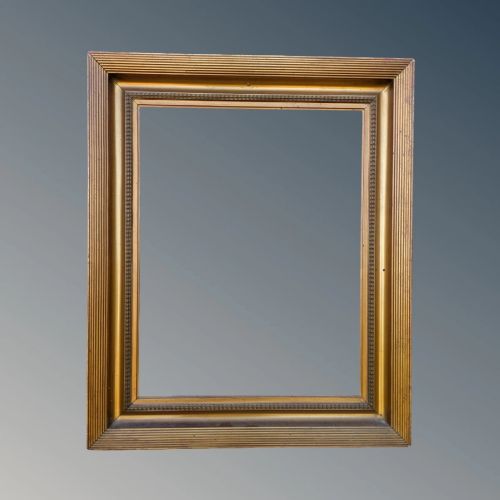
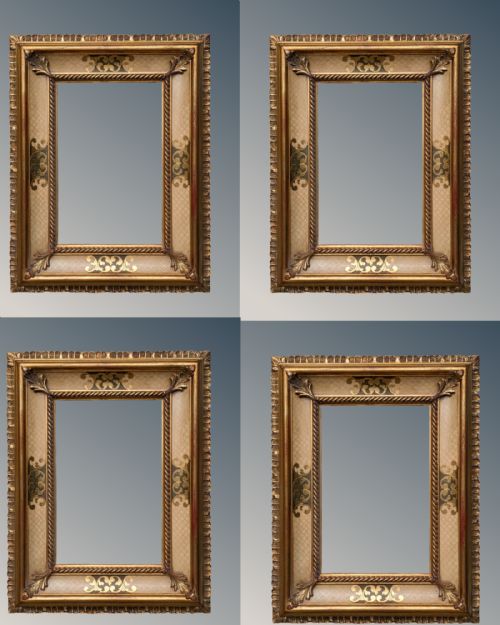
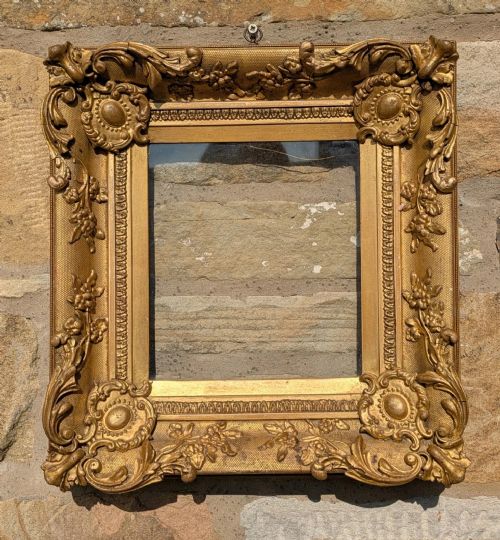
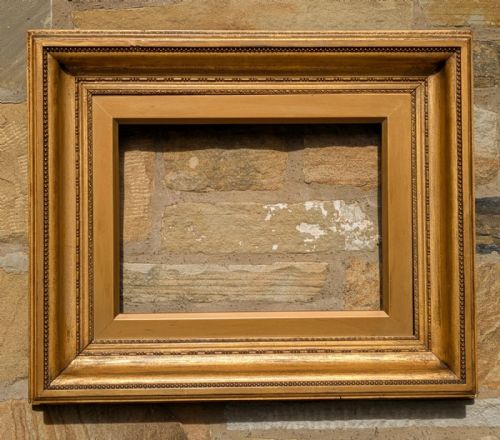


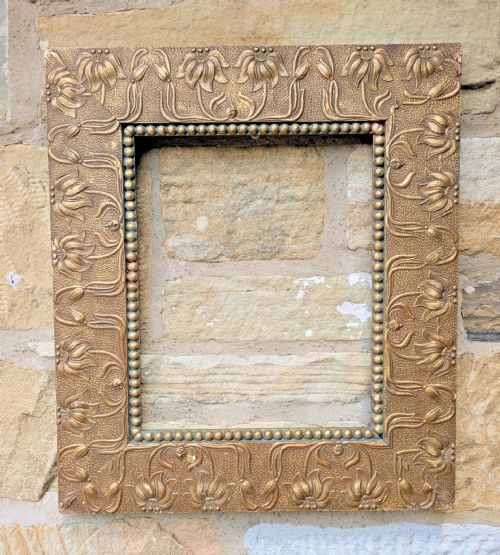


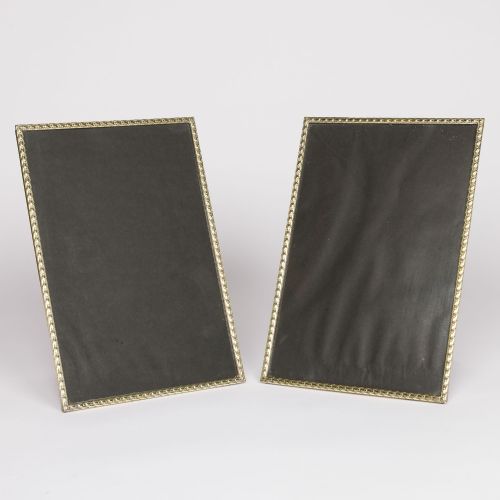
Gilded Photo Frame
A gilded photo frame holds a cherished portrait while adding metallic warmth to a mantelpiece, drawing the eye through period craftsmanship and ornate detail.
Gilded Photo Frame
A gilded photo frame combines functional display with decorative metalwork, wood, or gesso, originating mostly from the Victorian, Edwardian, and late nineteenth-century periods. These items range from simple table stands to elaborate hinged multi-fold designs meant to display portraits in domestic interiors.
Makers and workshops across Europe produced these objects in varied sizes, from single tabletop ovals to grand triple panels, utilising glass fronts to protect the photographs within.
What separates the tiers
Quality depends heavily on the crispness of the cast metal or the depth of the carved gesso, where sharper details indicate superior craftsmanship. The presence of hand-applied champleve enamel, securely set paste stones, or intricate engraved slips elevates an ordinary mount into an exceptional object.
Weight, rigidity of the easel back, and the preservation of the original mercury gilding or gold leaf separate standard production pieces from the finest workshops.
Listings feature items spanning the seventeenth through the twentieth centuries, with a strong representation of nineteenth-century French bronze and Victorian gesso work.
Boin Taburet·Moseley·F. Bienvue·Asprey
The Gilded Photo Frame Glossary
- Gesso
- A plaster-like mixture applied to wood frames as a base for carving and gilding. This material allows artisans to create high-relief ornamentation before the gold leaf is laid down.
- Ormolu
- A metallic technique involving the application of finely ground, high-carat gold to a bronze object. This process yields a rich, warm yellow finish characteristic of French luxury items.
- Champleve
- An enamelling technique where troughs or cells are carved into the metal surface and filled with vitreous enamel powder before firing. The resulting panel displays vibrant coloured designs flush with the surrounding metal.
- Crystoleum
- A method of applying a hand-painted photograph to convex glass and backing it with pigments. These delicate works frequently appear housed within period frames from the Victorian era.
Gilded Photo Frame: Frequently Asked Questions
How do I date a gilded photo frame?
Dating relies on examining the materials, backing styles, and casting techniques used in the construction. Pieces from the nineteenth century often feature hand-cut joinery and specific French bronze hallmarks.
Later Edwardian examples tend to utilise lighter brass pressings and simpler velvet-backed easels. Comparing the decorative motifs against known manufacturing periods helps narrow the decade of production.
Were these frames meant for desks or walls?
Most surviving examples were designed for tabletops, featuring hinged metal easel backs to stand upright on a bureau or mantelpiece. Some incorporate hanging loops alongside the stand for dual display options.
Larger formats and multi-fold panels were specifically engineered for stable placement on flat surfaces.
What is the difference between gilt bronze and ormolu?
Gilt bronze refers broadly to any bronze object coated in a layer of gold, while ormolu specifically denotes a historic mercury gilding process. This French technique produces a distinctively rich and durable golden lustre.
Both terms describe similar high-end decorative finishes found on nineteenth-century luxury goods.
How should I clean a gilded surface?
Dusting gently with a dry, soft microfibre cloth is the safest way to maintain delicate gold leaf or gilt metal. Moisture and chemical cleaning agents can strip the historical finish or damage underlying gesso.
Professional restoration is recommended if deep grime obscures the original detail.