







Victorian Picture Frame
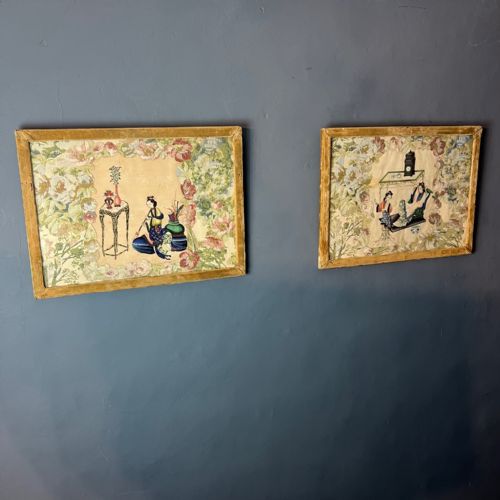
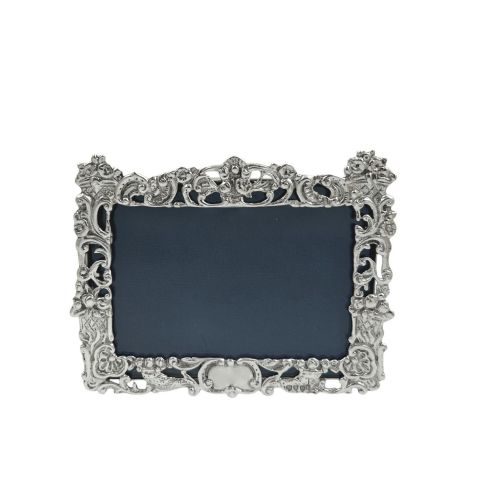
A victorian picture frame holds paper, canvas, or photographs within moulded timber, cast metal, and gleaming silver.
Victorian Picture Frame
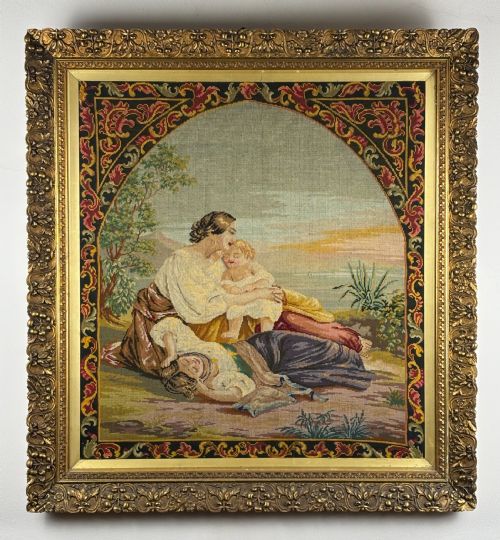
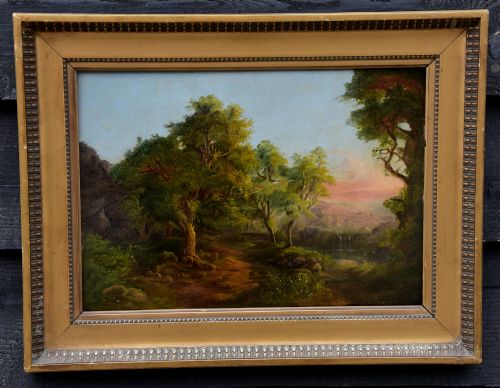
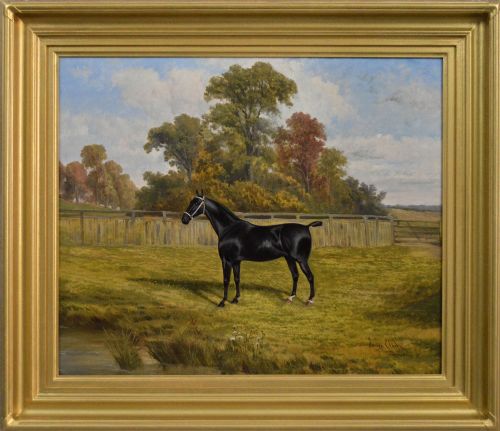
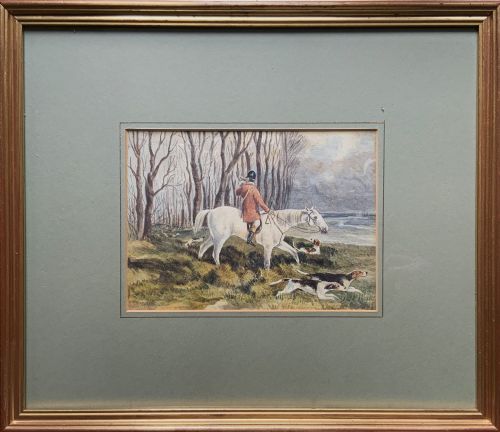
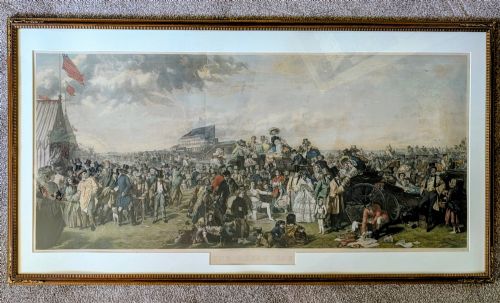
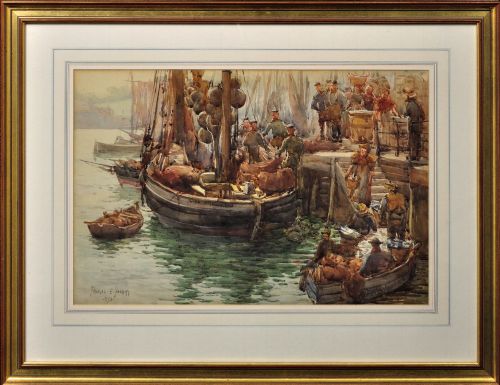
A victorian picture frame encompasses various formats designed to house artworks, prints, and photographs across the nineteenth century and into the early twentieth century. Buyers encounter domestic photo holders alongside substantial gilt gallery surrounds intended for oil paintings.
Makers utilised native and exotic timbers, cast metals, and precious silver to construct these protective borders. The selection ranges from simple wooden cushions to heavily ornamented swept mouldings.
Origins span British workshops alongside continental influences, reflecting the diverse output of nineteenth-century decorative arts. Many pieces retain their original glazed panels, backing boards, and hanging hardware.
Materials and Construction Techniques
Wood forms the primary structural core of most examples, frequently utilising pine, oak, mahogany, or walnut veneers. Artisans applied carved detail or applied gesso to create complex surface reliefs.
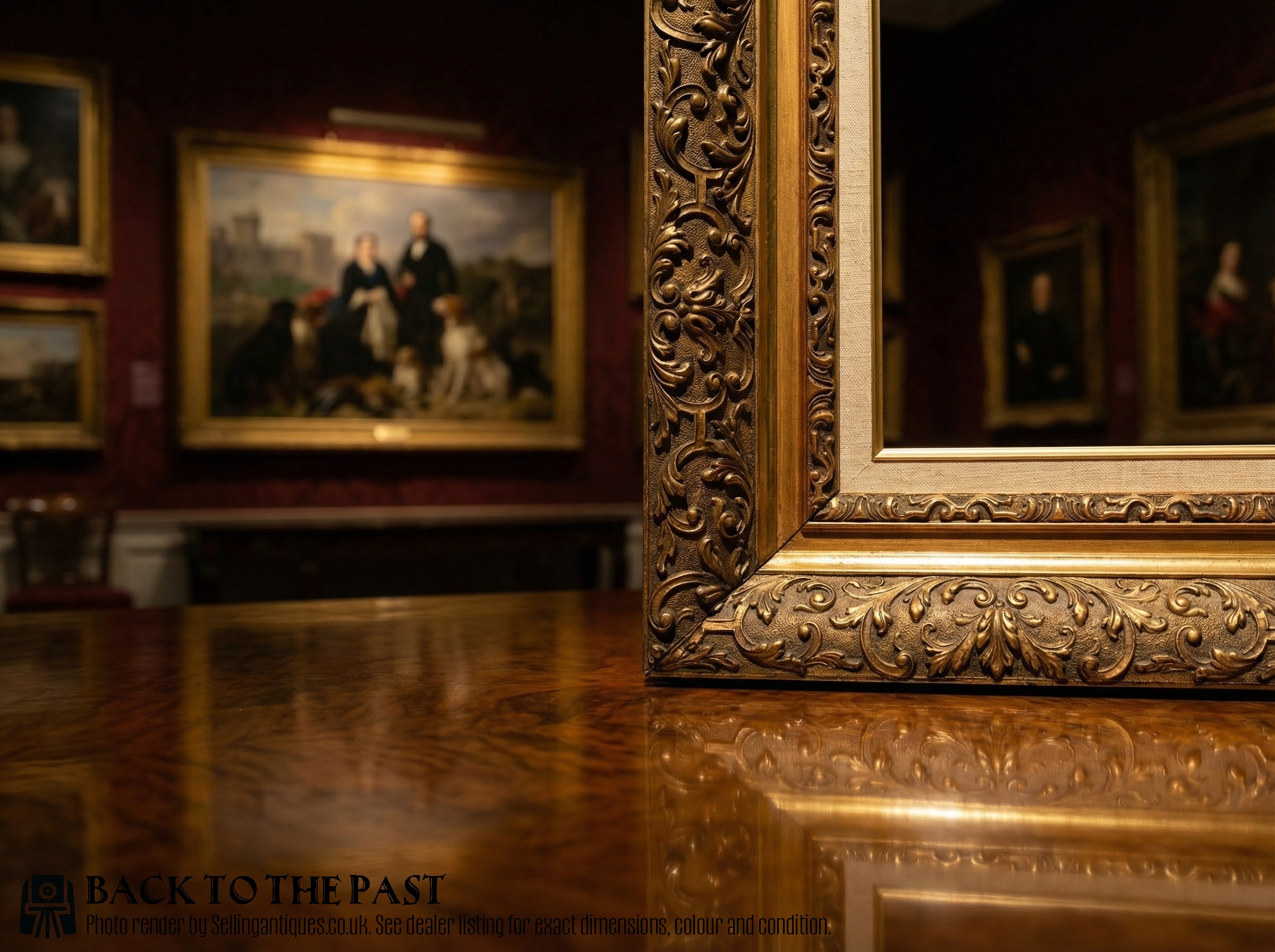
Gilt finishes rely on layers of gold leaf applied over prepared gesso grounds on wooden substrates. Alternatively, metal frames employ cast brass, gilt metal, and hallmarked sterling silver.
Specialised framing techniques include swept corners, cushion profiles, and micro-mosaic inlays. Backing assemblies typically utilise timber panels or card secured with traditional fixings.
Victorian Picture Frame Retail Price Guide 2026
Typical asking prices for victorian picture frame among the pieces listed under this phrase on Sellingantiques today, from the lower quarter to the upper quarter. They describe what is for sale here now, not the wider market.
Listings feature items spanning the nineteenth century, incorporating oak, mahogany, burr walnut, sterling silver, and giltwood forms.
Distinctions in Execution and Preservation
The depth of relief carving and the crispness of moulded gesso ornament separate standard production from superior workshop output. Deep swept profiles and hand-carved elements demonstrate greater artisanal investment.
The preservation of original gilding and surface finishes dictates the desirability of a piece. Retaining untouched gold leaf, original wood patination, and contemporary glass enhances historical integrity.
Hallmark clarity and structural rigidity distinguish finer silver and metal photograph frames. Heavier gauge metals and intricate cast motifs indicate superior manufacturing standards.
William Comyns·Rosenthal Jacob And Co·John Joseph Mechi
The Victorian Picture Frame Glossary
- Gesso
- A plaster-like mixture applied to wood surfaces as a base for gilding or painting. Artisans mould or carve this material to create raised decorative reliefs.
- Giltwood
- Timber that has been coated with gold leaf or gold paint. This finish creates a reflective metallic surface popular for formal artwork.
- Swept frame
- A picture frame featuring undulating, scroll-like moulded contours that curve away from the central opening. These ornate shapes characterise mid-nineteenth-century salon displays.
- Burr maple
- A wood veneer harvested from abnormal growths on maple trees, showing swirling grain patterns. It provided a decorative, highly figured border for smaller visual works.
- Rebate
- The recessed internal channel at the back of a frame designed to hold the glass, artwork, and backing board securely in place.
Victorian Picture Frame: Frequently Asked Questions
How do I date a victorian picture frame?
Dating relies on stylistic clues, framing techniques, and material fashions popular during the nineteenth century. Heavier gesso ornamentation and deep swept profiles frequently point towards the middle decades.
Silver examples often bear clear assay office hallmarks and date letters stamped directly into the metal. Burr walnut veneers and specific rebate dimensions also help narrow the manufacturing window.
Can these frames hold modern artwork?
Most historic surrounds accommodate modern works provided the depth of the rebate matches the thickness of the new canvas or backing. Standard metric measurements differ from imperial nineteenth-century sizing.
Conservation framing methods protect delicate paper items from direct contact with historic acidic wood backings. Professional adjustment ensures safe housing without altering the antique structure.
What is the difference between gesso and carved wood?
Carved wood involves cutting directly into the timber substrate to create decorative patterns and relief details. This technique requires considerable skill and appears on higher-tier pieces.
Gesso is a pliable mixture applied over a simpler wooden core and moulded into shape while wet. Many decorative Victorian mouldings combine both methods for structural efficiency.
How should I clean a giltwood frame?
Dusting requires a very soft, dry brush to remove particulate matter without disturbing fragile gold leaf layers. Moisture and chemical cleaners damage historic water gilding instantly.
Professional restoration is necessary if the gesso ground or surface gilding shows active flaking. Preserving the original surface patina maintains the historical character of the piece.