


Gilded Wall Frame
A gilded wall frame catches candlelight and daylight alike, bringing warmth and reflective depth to an interior through centuries-old craftsmanship.
Gilded Wall Frame
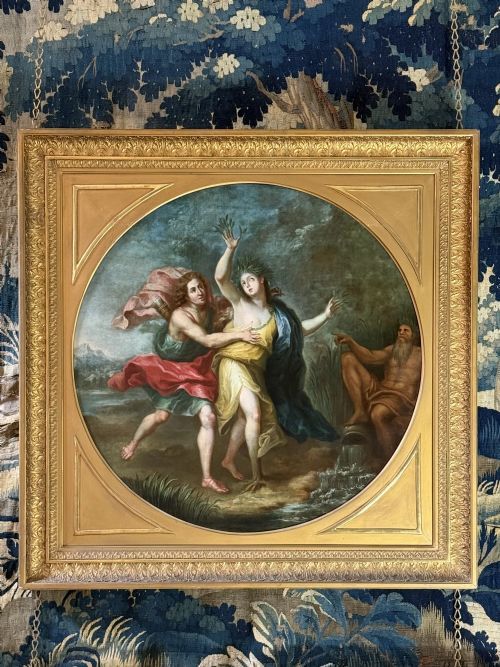
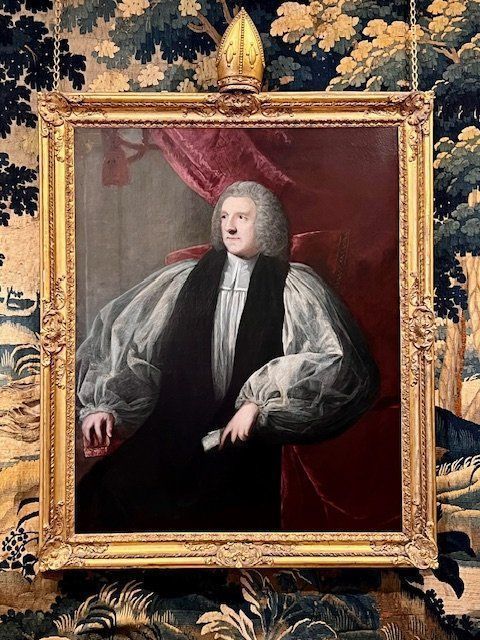
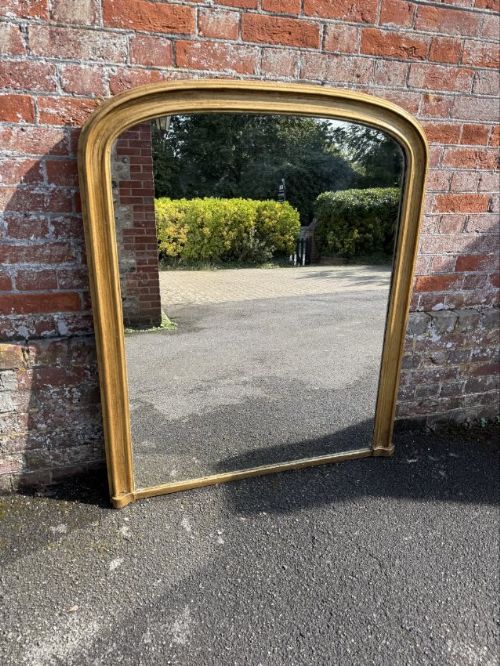
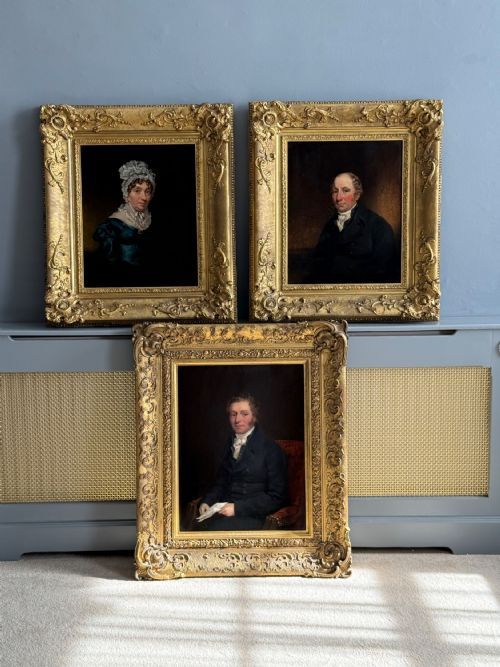
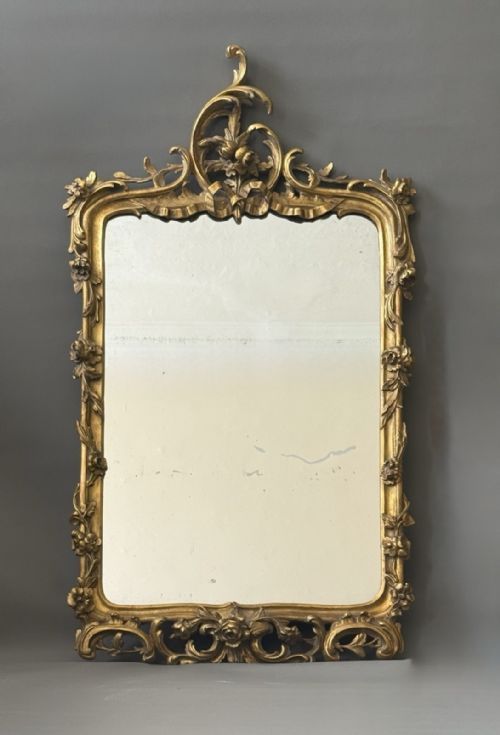
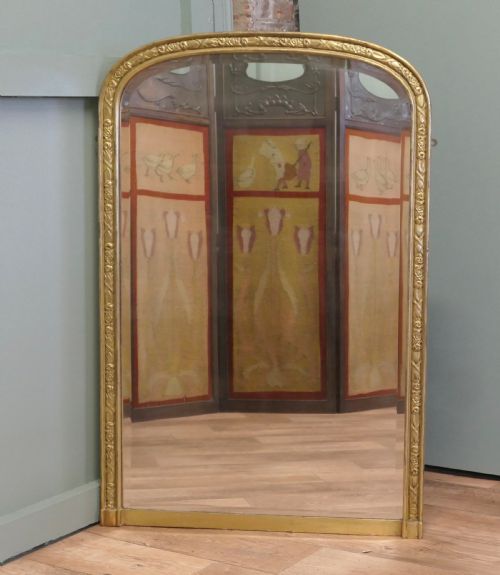
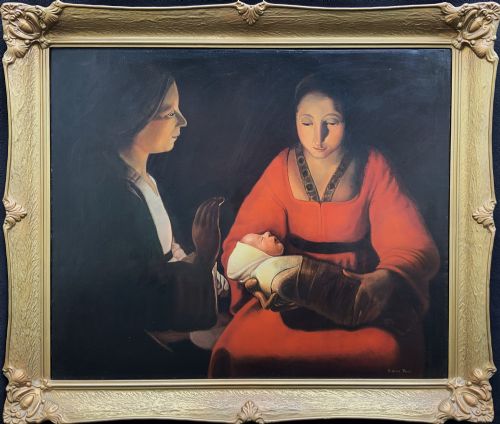
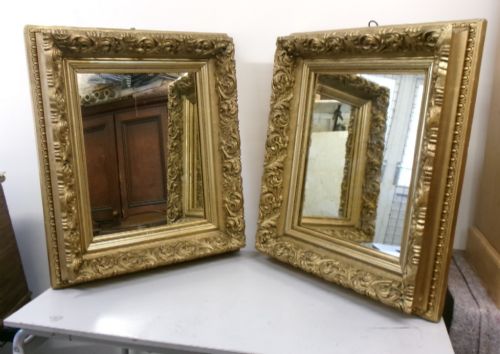
When searching for a gilded wall frame, buyers encounter an array of ornate looking-glasses, oil paintings, and pastel portraits spanning from the seventeenth century through the twentieth century. The selection ranges from architectural overmantel mirrors designed to anchor a chimney breast to delicate French Rococo pier glasses and Georgian fret mirrors.
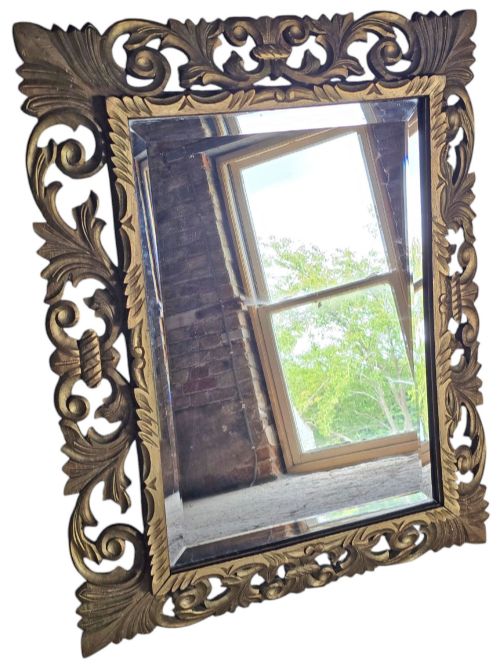
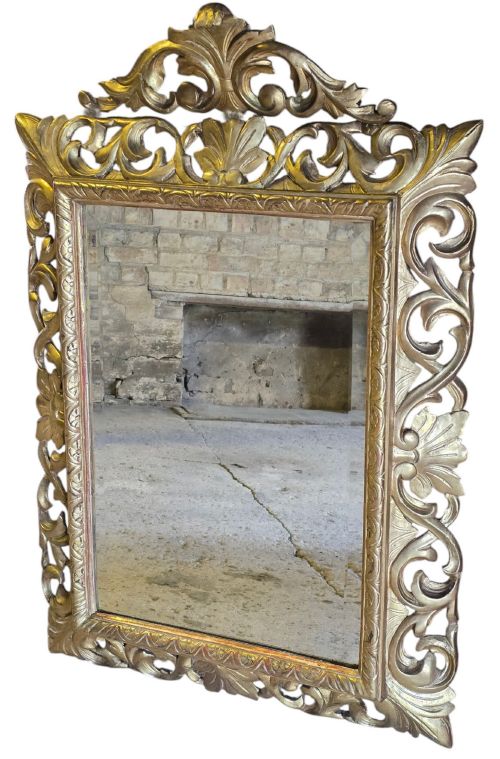
The most common examples on this page are nineteenth-century carved wood and gesso gilt mirrors and framed artworks, reflecting the robust production of domestic and continental workshops during that era. Pieces originate from British, French, and Italian makers, employing traditional styles such as Baroque, Regency, and Florentine.
Surviving examples frequently house original antique glass plates or period canvases, preserving the authentic interplay between the metallic finish and the artwork or mirror plate it encloses. These objects served primarily as functional furnishings and status symbols in grand reception rooms and private parlours.
How they were made
Carved timber foundations, typically utilising wood such as pine or mahogany, provide the structural core for these frames before artisans apply decorative enrichment. Woodcarvers shape floral, mythological, or linear motifs directly into the substrate or build up intricate relief details using layered gesso.
Gesso, a mixture of chalk and binder, is applied over the wooden framework to create a smooth, responsive surface for gilding techniques. Artisans then lay gold leaf onto a preparatory bole, burnishing the metallic surface with agate stones to achieve a deep, lustrous sheen.
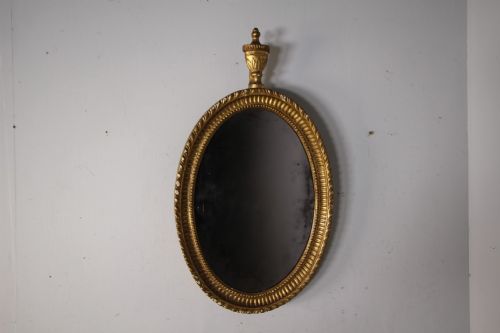
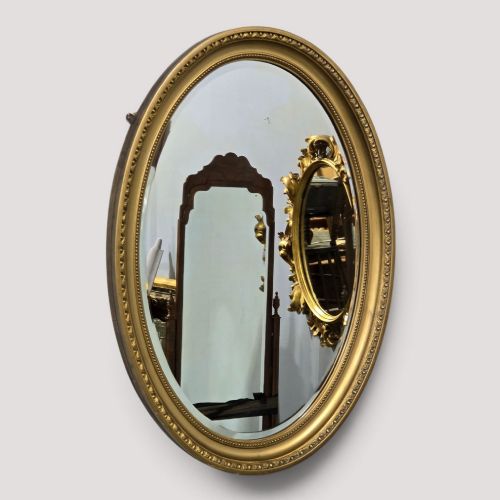
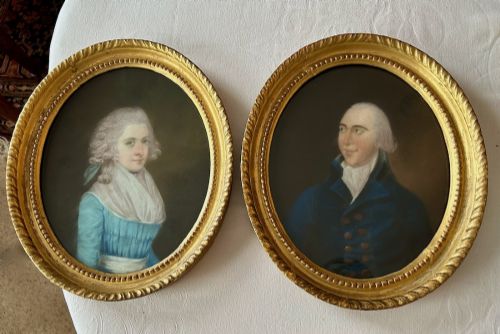
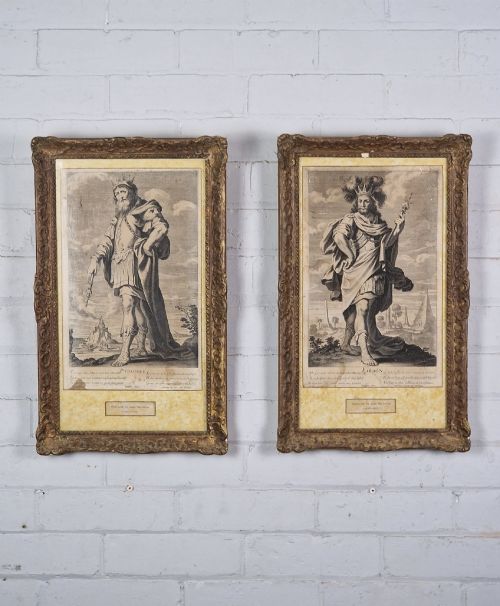
Listings feature eighteenth-century and nineteenth-century giltwood frames alongside oil paintings and pastel portraits.
What varies in quality
Depth and precision in the carved ornamentation distinguish superior examples, where undercut foliage and crisp relief demonstrate the hand of a skilled artisan rather than a hasty cast. The quality of the gilding itself, visible in the warmth of the gold leaf and the subtlety of the burnishing, dictates the overall visual impact.
The integrity of the underlying wooden structure and the survival of the original surface finish determine the historical value of the piece. Frames that retain their early gilding without heavy overpainting offer a truer representation of period craftsmanship.
Sir Godfrey Kneller·Charles-Antoine Coypel·Sir Joshua Reynolds·Richard Sebastian Bond·Joseph Clover
The Gilded Wall Frame Glossary
- Giltwood
- Wood that has been coated with gold leaf or gold powder. This finish ages to reveal the warm red bole beneath the metallic layer.
- Gesso
- A plaster mixture applied to wood frames to create a smooth ground for carving and gilding. Artisans model fine floral and geometric details directly into this pliable layer.
- Overmantel mirror
- A large wall glass specifically proportioned to hang above a fireplace mantel. These architectural pieces often feature arched tops and elaborate crestings.
- Pier glass
- A tall, narrow mirror designed to hang on the wall space between windows. They frequently incorporate delicate gilded frames and antique glass plates.
- Bole
- A fine prepared clay used as a foundational layer beneath gold leaf in traditional gilding. The colour of this base enhances the tone of the applied gold.
Gilded Wall Frame: Frequently Asked Questions
How do I hang a heavy overmantel mirror safely?
Large overmantel mirrors require substantial wall fixings anchored directly into masonry or heavy studwork to support their considerable timber and gesso weight. Professional mirror hangers utilise heavy-duty brackets that distribute the vertical load evenly across the frame structure.
Position the frame at a height that complements the fireplace opening while ensuring the mounting hardware engages securely with the building structure rather than plaster alone.
Can I distinguish a nineteenth-century frame from an eighteenth-century original?
Eighteenth-century frames often display hand-carved wooden enrichment with distinct tool marks visible beneath the gesso, reflecting slower, bespoke workshop production. Nineteenth-century interpretations frequently employ moulded composition ornament applied over simpler timber foundations.
Examining the corner joints, backboards, and the composition of the gesso layers under magnification helps determine the exact manufacturing period.
How should I clean antique giltwood surfaces?
Giltwood requires extremely gentle maintenance using a soft, dry brush to remove dust from intricate carved crevices without disturbing the delicate gold leaf. Moisture and modern chemical cleaners must be avoided entirely, as they strip the historical finish and soften the underlying gesso.
Professional conservation is recommended for frames showing active flaking or structural instability to stabilise the original materials.
What indicates that a mirror plate is original?
Original antique glass plates typically exhibit slight imperfections, minor foxing, and uneven silvering that create a soft, distorted reflection compared to modern float glass. These age-related characteristics develop naturally over centuries within the frame.
Inspect the bevel edges and the manner in which the glass is secured into the rebate behind the wooden backing boards.