





Gold Gilt Picture Frame
A gold gilt picture frame brings warmth and historic depth to oil paintings, watercolours and prints alike.
Gold Gilt Picture Frame
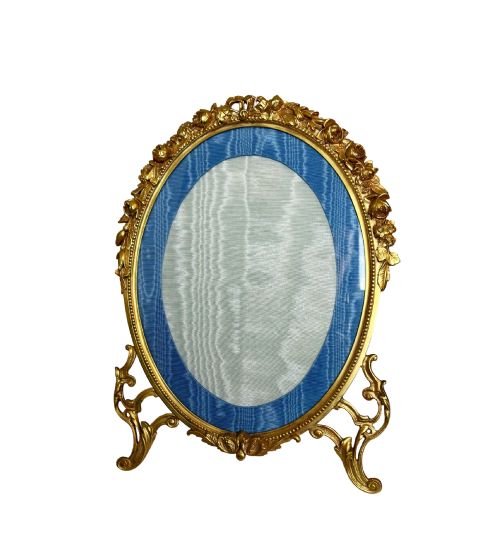
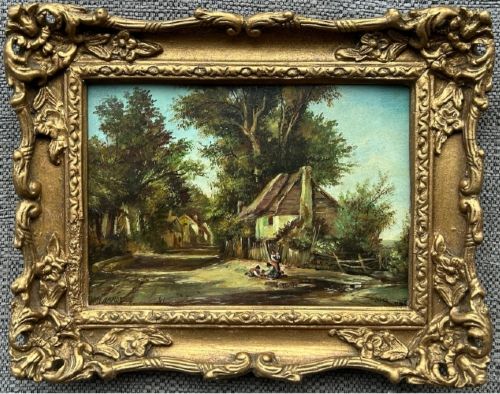
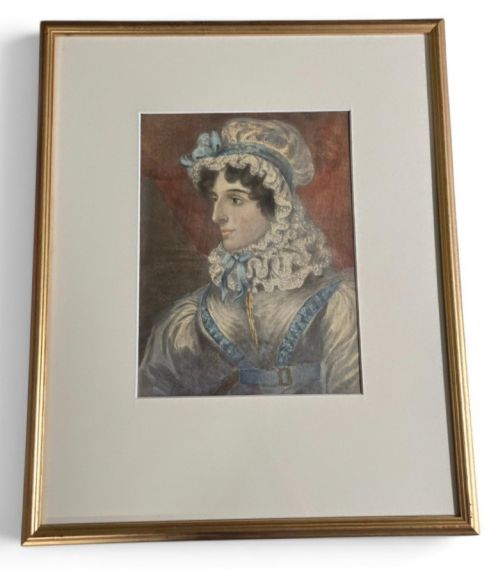
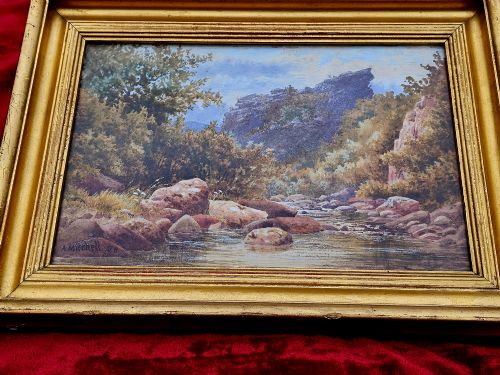
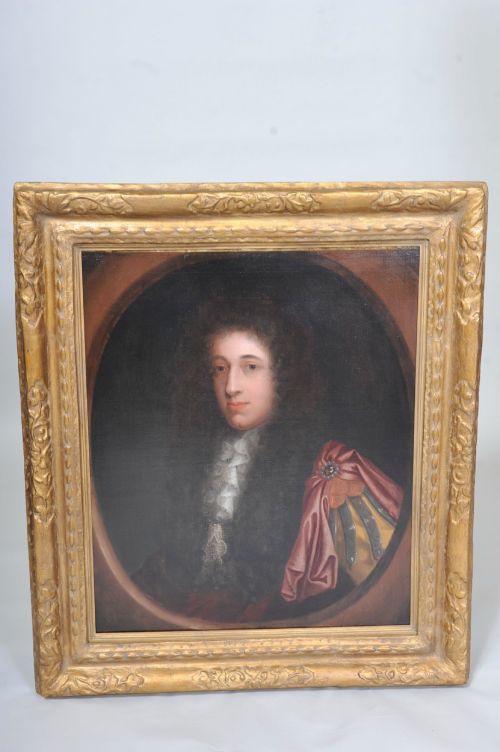
A gold gilt picture frame houses fine art, oil paintings, watercolours, prints and mirrors across periods from the seventeenth century through to the mid-twentieth century. The selection spans distinct eras including the Georgian, Victorian, Edwardian and mid-century modern periods, reflecting shifting interior tastes.
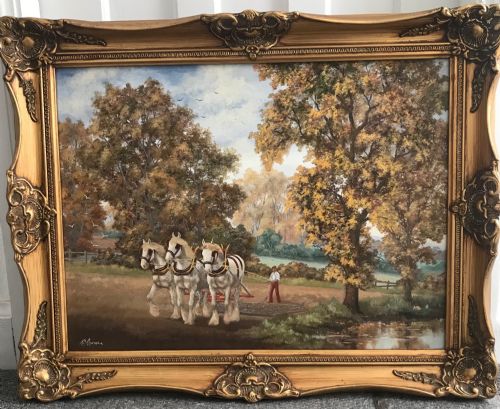
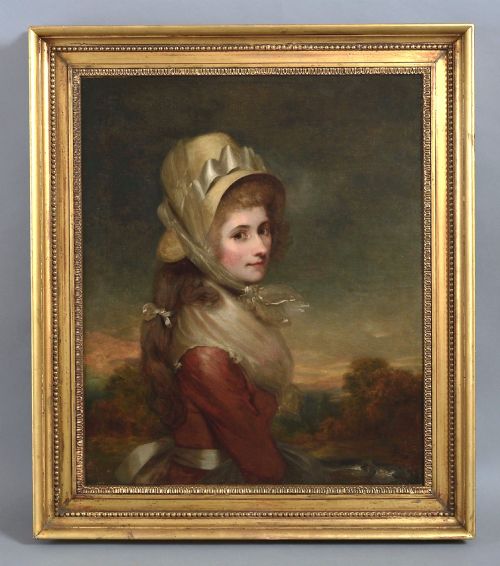
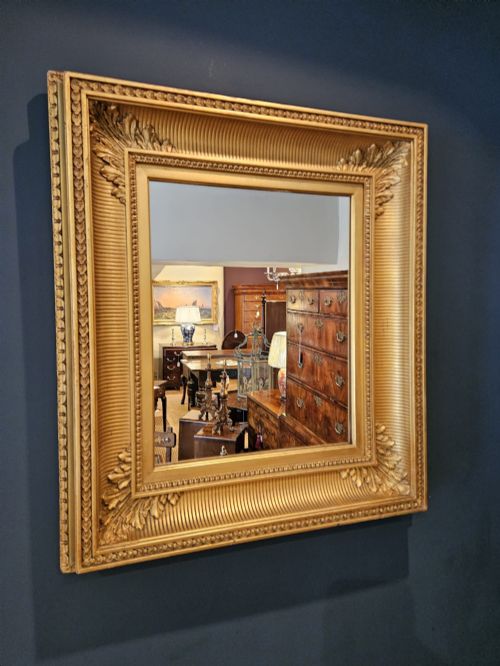
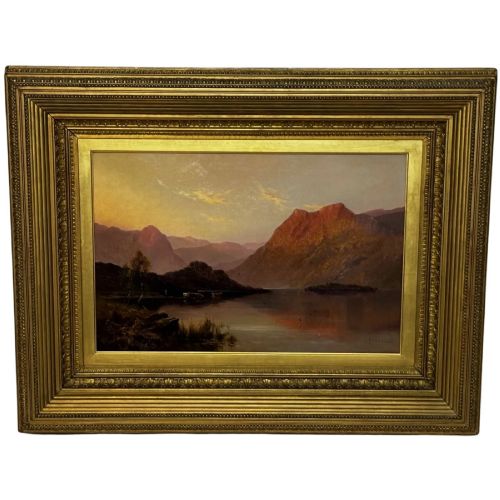
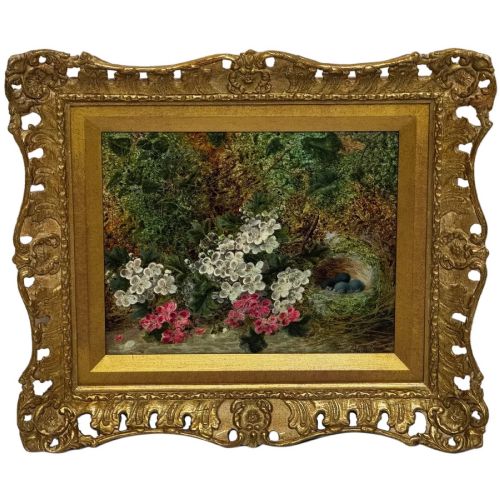
Most examples encountered here are nineteenth-century Victorian creations constructed to enhance portraits, landscapes and maritime scenes. These range from simple reeded profiles to ornate rococo swept designs featuring complex moulded ornamentation.
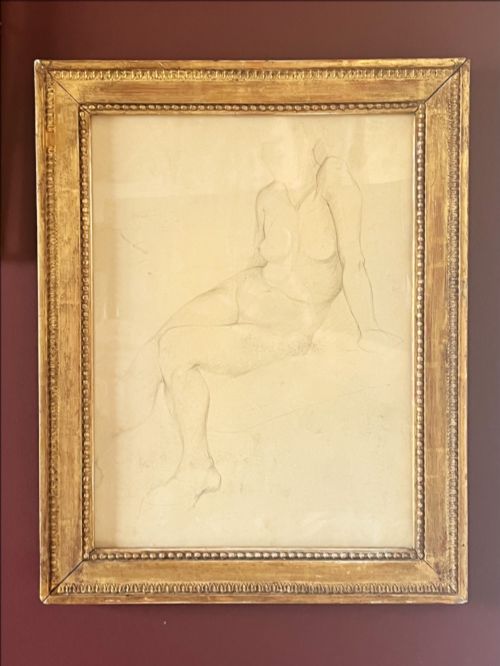
Makers utilised these surrounds for diverse media, housing everything from seventeenth-century oil paintings on canvas to twentieth-century pencil drawings and photographs. The physical objects themselves function both as protective borders and as decorative artworks in their own right.
How they were made
Makers constructed the foundational structure primarily from wood, often employing oak or softer timber bases. Skilled hands then applied layers of gesso, a fine plaster mixture, to the wooden carcass to build up smooth surfaces for carving or moulding.
Artisans finished these surfaces using gold leaf or fine metallic gilding applied over the prepared gesso and bole. Carved wooden elements and moulded compo details provided the intricate floral, acanthus leaf and geometric patterns characteristic of Georgian and Victorian designs.
Gold Gilt Picture Frame Retail Price Guide 2026
Typical asking prices for gold gilt picture frame among the pieces listed under this phrase on Sellingantiques today, from the lower quarter to the upper quarter. They describe what is for sale here now, not the wider market.
Some frames still whisper secrets of past drawing rooms, preserving nineteenth-century portraits alongside portraits of kings and horses.
What varies in quality
The distinction between standard commercial surrounds and exceptional examples lies in the depth of the carving and the crispness of the gesso mouldings. Hand-carved wooden ornamentations display a sharpness and fluidity that pressed composition ornament simply cannot replicate.
The richness and preservation of the original gold leaf finish dictate the visual authority of the piece. Untouched gilding with natural ageing patination commands greater appreciation than poorly executed modern over-gilding.
Alice Mary Hughes·Sir Godfrey Kneller·Sir Peter Lely·Sir Anthony van Dyck
The Gold Gilt Picture Frame Glossary
- Gesso
- A mixture of plaster of Paris and glue used as a base for gilding on wood frames. It provides a smooth surface that artisans could carve or stamp with decorative motifs.
- Giltwood
- Timber that has been coated with gold leaf. This material forms the primary structure of many traditional picture frames and mirrors.
- Rococo
- An ornate artistic style characterised by asymmetric scrolls, shell motifs and C-curves. It heavily influenced nineteenth-century swept frame designs.
- Reeded
- A decorative moulding pattern consisting of parallel convex strips resembling bundled reeds. It appeared frequently on classical and nineteenth-century frames.
Gold Gilt Picture Frame: Frequently Asked Questions
How do I date a gold gilt picture frame?
Dating relies on examining the construction methods, timber types and the style of the gesso ornamentation. Earlier seventeenth and eighteenth-century examples often feature hand-carved wooden details, whilst nineteenth-century Victorian pieces frequently utilise moulded compo applied over wood.
Profile shapes also shift across eras, moving from deep classical cavetto sections to ornate swept rococo forms and later simplified reeded borders. Comparing the construction of the rebate and corner joints provides further clues to the period of manufacture.
Can I put a modern painting in an antique frame?
Placing contemporary artwork inside an antique surround creates a striking visual contrast between old and new media. Ensure the internal rebate dimensions and depth match the thickness of your canvas or panel before mounting.
Securing the artwork properly prevents shifting and protects the edges of the canvas against the historic wood and gesso structure. Many collectors actively pair modern oil paintings and drawings with period frames to elevate the overall presentation.
How should I clean a gilt frame?
Dust the surface gently with a very soft, dry brush to remove accumulated particles without disturbing the delicate gold leaf. Avoid using water, household detergents or chemical solvents, as moisture strips historic gilding from the gesso base.
Professional conservation is recommended if the gold leaf is flaking or unstable. Regular gentle dusting remains the safest way to maintain the historic surface patination.