





Large Picture Frame
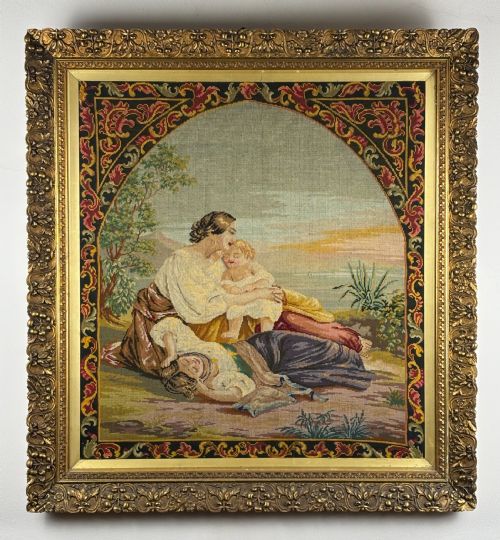
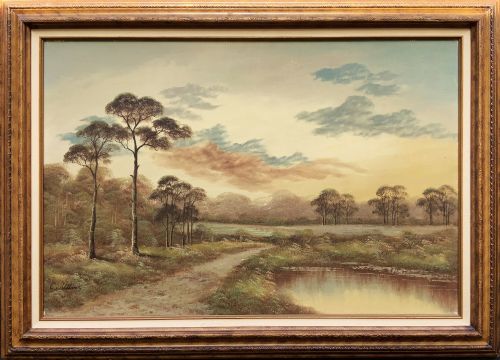
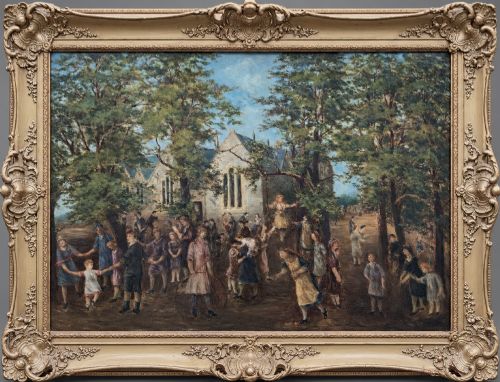
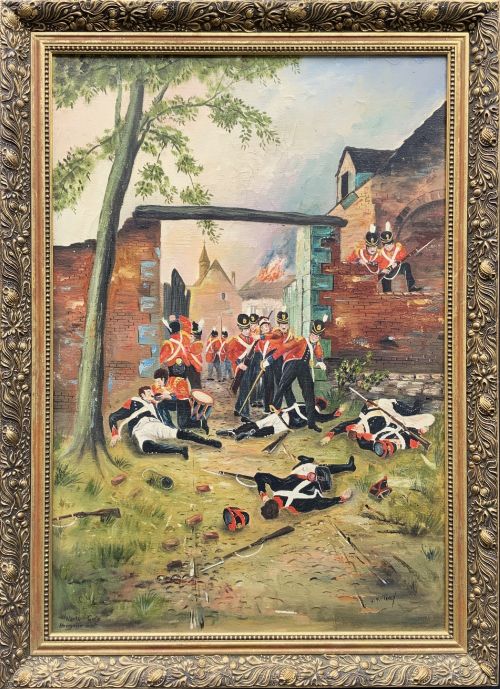
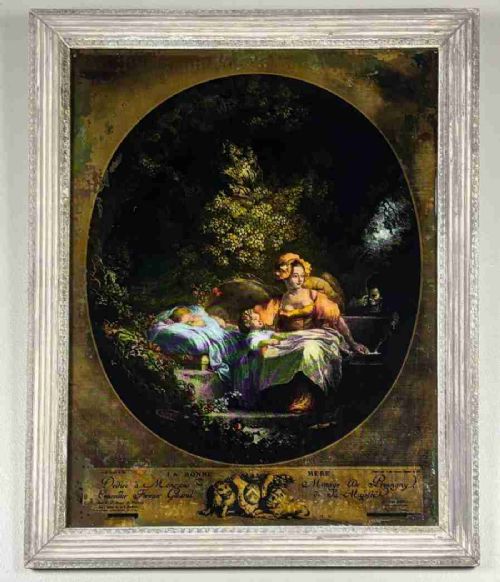
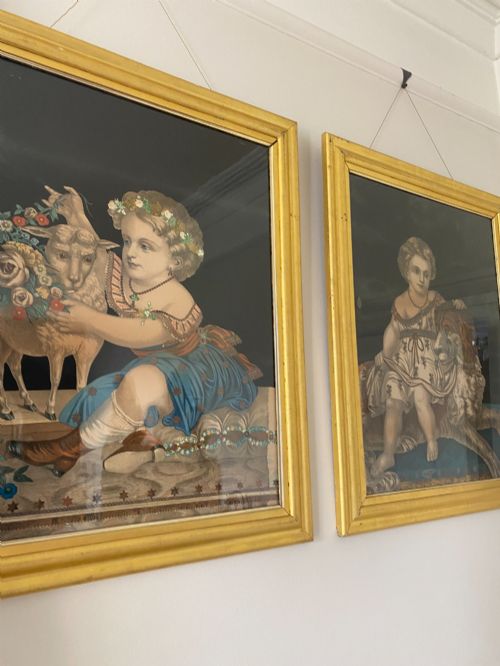
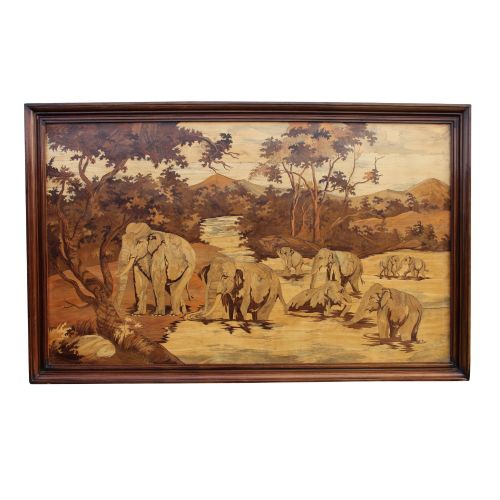
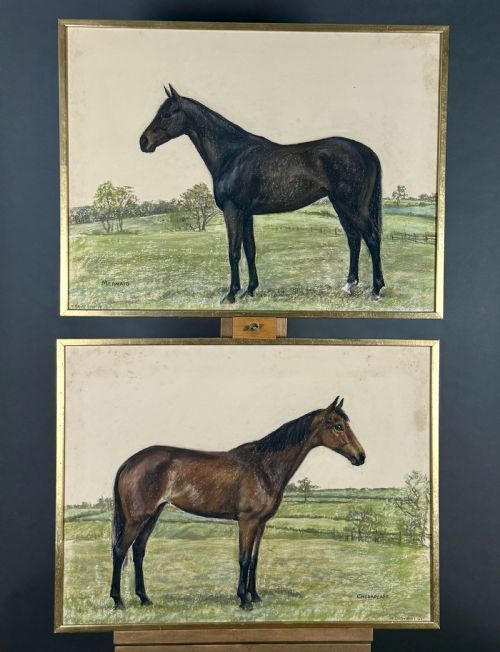
When choosing a large antique picture frame, buyers secure substantial timber and gilt enclosures designed to display significant canvases and portraits.
Large Picture Frame
A large antique picture frame serves as a substantial architectural enclosure for canvases, mirrors, and photographs from past centuries. When searching for a large antique picture frame, buyers encounter pieces spanning the Georgian, Victorian, and Edwardian eras, constructed to command attention on a wall.
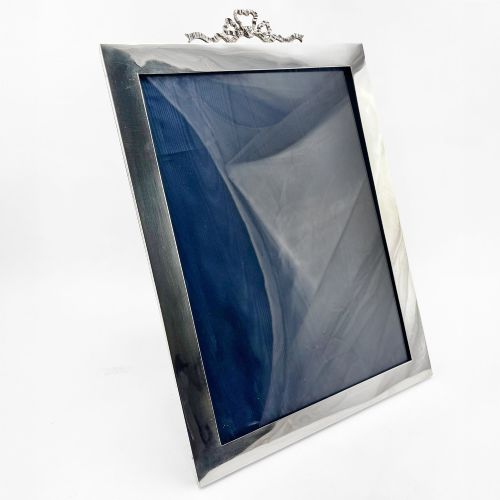
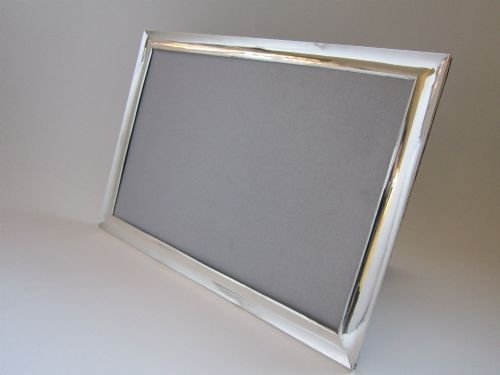
The selections on this page range from heavily ornamented giltwood and gesso pieces to polished sterling silver photograph frames and carved wooden mouldings. These items frequently originate from English, French, and Continental workshops, reflecting diverse aesthetic movements from Neoclassical to Rococo Revival.
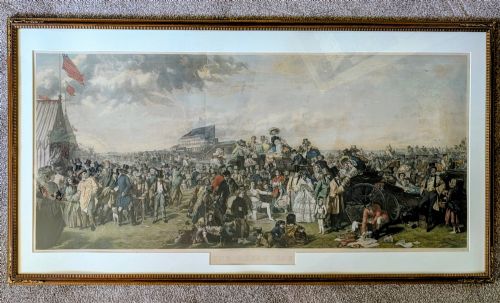
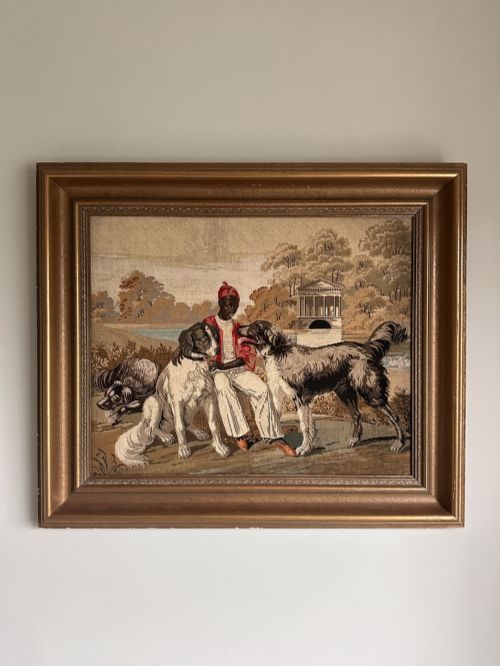
Many examples survive housing period oil paintings, engravings, or textiles, while others are offered empty to rehome existing artwork. Buyers select these items to anchor a room's interior design with period authenticity.
How They Were Made
Makers constructed the foundational structure of these frames using seasoned timbers such as oak, mahogany, and pine, joined at the corners with pegged or mitred joints to support heavy weight. Artisans then applied layers of gesso - a mixture of plaster of Paris and chalk - onto the wood base to create smooth surfaces for carving or moulding.
Giltwood pieces received thin sheets of gold leaf laid over a coloured bole base, burnished to achieve a brilliant metallic sheen. Silver examples utilised solid sterling silver sheets mounted over wooden cores, frequently decorated with engine-turned patterns or repoussé detailing.
Large Picture Frame Retail Price Guide 2026
Typical asking prices for large picture frame among the pieces listed under this phrase on Sellingantiques today, from the lower quarter to the upper quarter. They describe what is for sale here now, not the wider market.
Listings feature items spanning the 18th, 19th, and 20th centuries, incorporating materials such as sterling silver, giltwood, gesso, and oak.
What Varies in Quality
The standard of a frame relies on the depth and crispness of the modelled gesso ornamentation, where hand-carved or deeply moulded enrichment outshines shallow, cast composition work. The integrity of the original gilding, whether gold leaf or bronze paint, dictates the visual richness of the piece.
Structural preservation remains vital, distinguishing frames with intact corner joins and minimal shrinkage cracking from those requiring extensive restoration. The presence of maker marks, particularly on sterling silver photograph frames, elevates the historical standing of the object.
William Comyns·Mappin Brothers
The Large Picture Frame Glossary
- Gesso
- A plaster-based material applied to wooden frames to provide a smooth surface for gilding or painting. Artisans carved intricate decorative motifs directly into this dried compound.
- Giltwood
- Timber coated with gold leaf or metallic powder to simulate solid gold. This finish catches candlelight and natural illumination in period interiors.
- Rebate
- The recessed channel on the reverse interior edge of a frame designed to hold the artwork, glass, and backing board securely in place.
- Engine-Turned
- A decorative mechanical technique that engraves precise geometric patterns into metal surfaces. This finish frequently appears on Edwardian and George V silver frames.
Large Picture Frame: Frequently Asked Questions
How do I date a large antique picture frame?
Dating relies on examining the construction techniques, timber types, and decorative styles characteristic of specific periods like the Georgian or Victorian eras. Secondary clues include backing materials, fixings, and any maker stamps found on silver or wood.
Stylistic shifts, such as the heavy ornamentation of Rococo Revival versus the restrained profiles of Edwardian pieces, further clarify the era of manufacture.
What is a linen slip inside a frame?
A linen slip is a fabric-covered inner border positioned between the outer moulding and the artwork. This traditional element provides a neutral buffer that prevents oil paintings from touching the gilt edge.
Slips add depth and a layered textural quality commonly seen in twentieth-century framing traditions.
How do I care for antique giltwood?
Giltwood surfaces require gentle maintenance using a soft, dry ostrich feather duster to remove surface dust. Water and modern chemical cleaners must be avoided entirely, as moisture strips fragile gold leaf and softens the underlying gesso.
Stable indoor humidity levels protect the wood substrate from warping and prevent the gesso from cracking.