





Giltwood Picture Frame
A giltwood picture frame brings warmth and gilded depth to walls, holding oil paintings, mirrors, and engravings across centuries of craftsmanship.
Giltwood Picture Frame
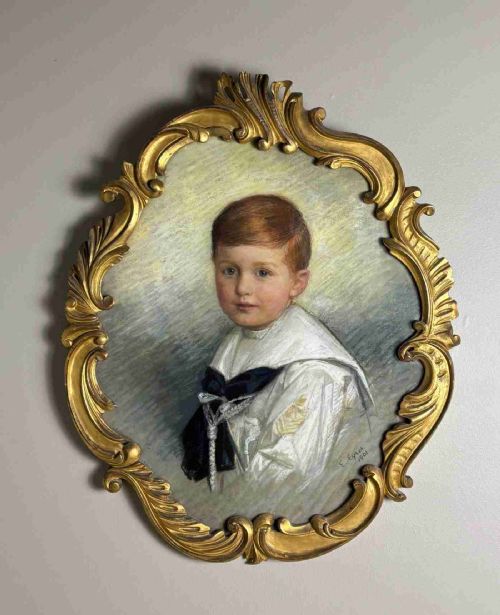
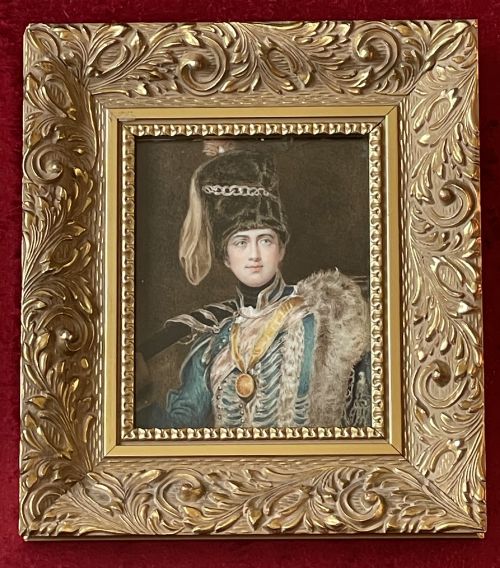
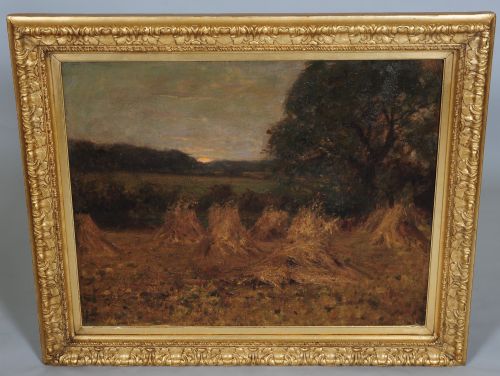
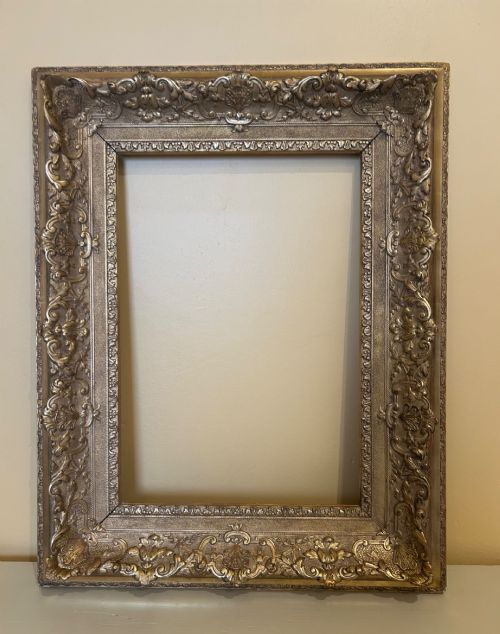
A giltwood picture frame surrounds artwork or mirrors with carved, gold-leafed wood that defines the visual boundary of the piece. Buyers exploring this category encounter examples spanning the eighteenth and nineteenth centuries, including Victorian, Regency, and Georgian periods.
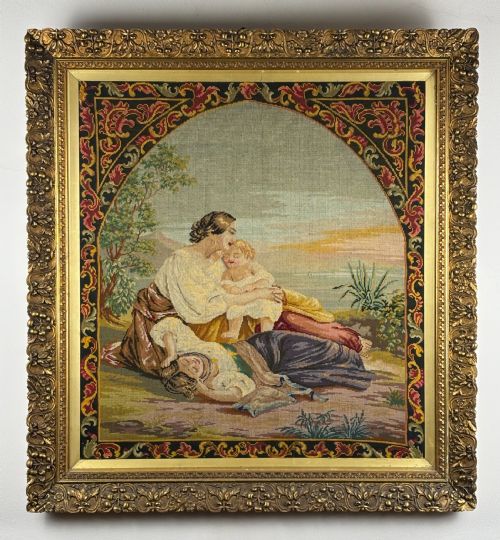
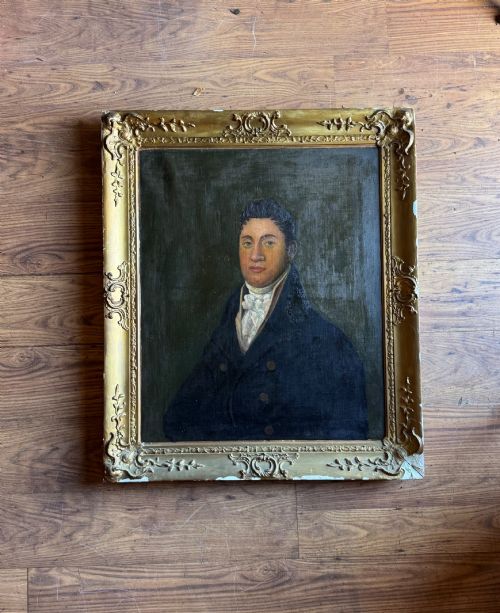
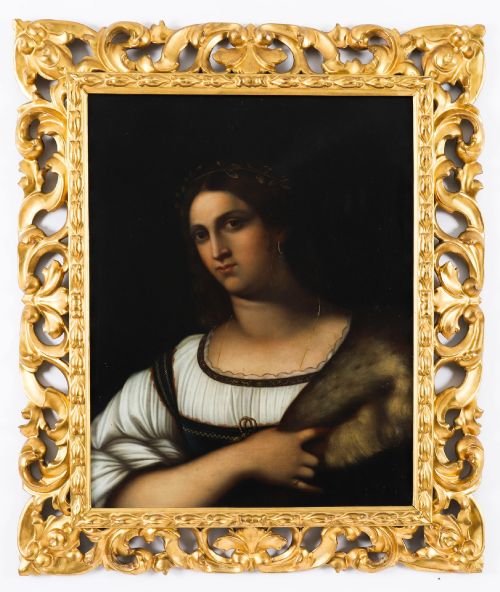
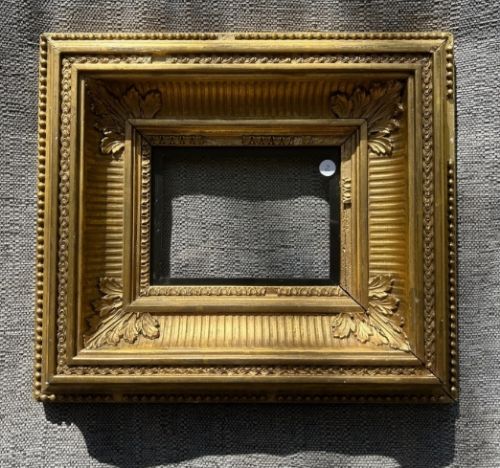
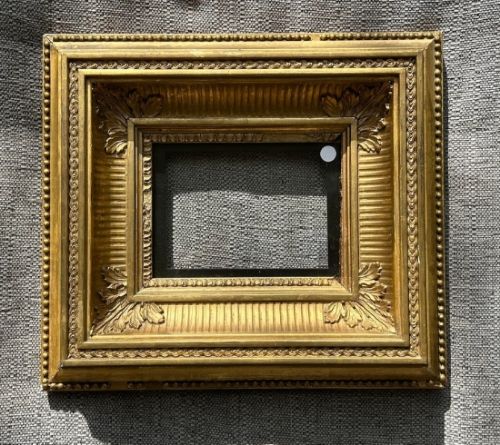
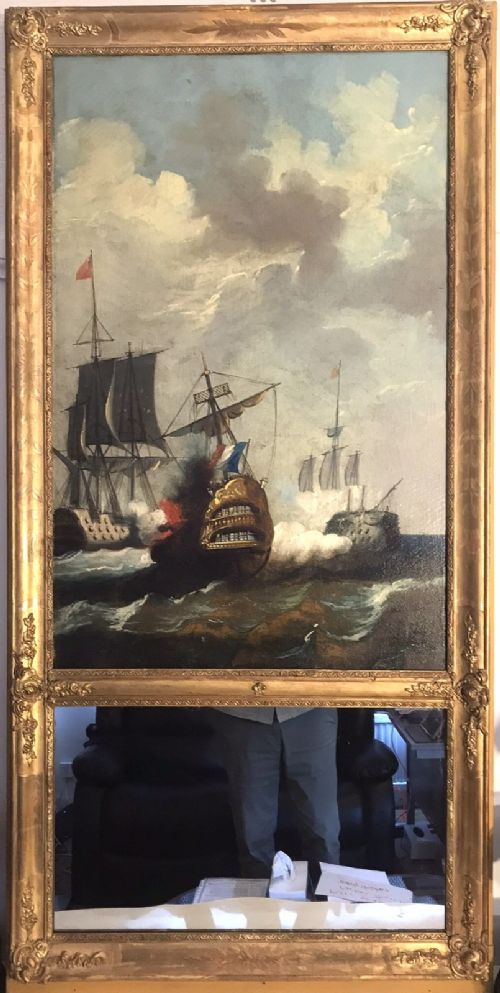
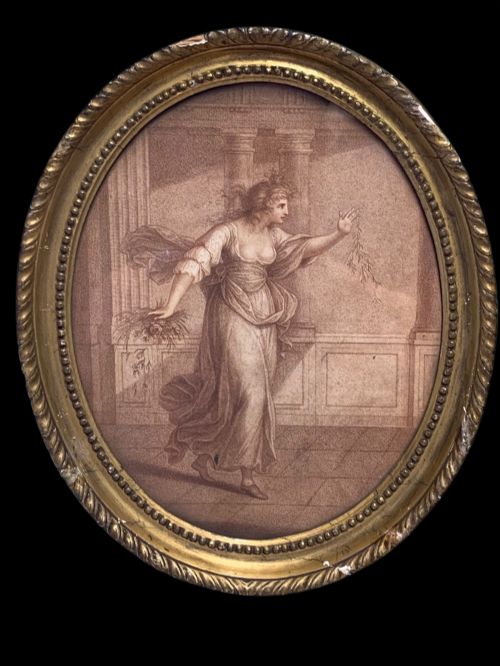
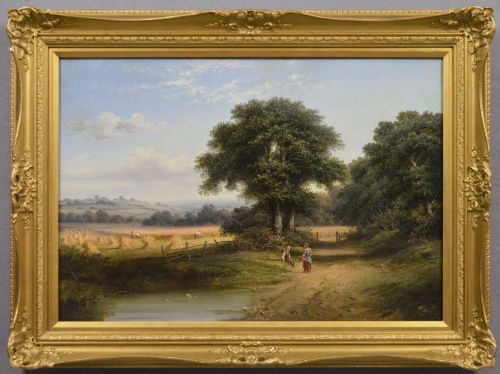
The objects take various forms, appearing as standalone frames, complete oil paintings on canvas, wall mirrors, and silk needlework pictures. Florentine and Rococo styles emerge frequently alongside simpler timber gilt mouldings.
Origins stretch across English, French, and Italian workshops, reflecting diverse regional tastes in carving and finishing. Most pieces date from the Victorian era or earlier, displaying traditional joinery and period glass or canvas.
How They Were Made
Makers constructed the foundation from timber, shaping wood and applying layers of gesso to create a smooth base for ornamentation. Artisans carved intricate details such as acanthus leaves and floral motifs directly into the surface or onto applied compo mouldings.
Gold leaf was then laid over a prepared ground, catching light and developing a rich patina over time. Painters and framers worked in tandem during periods like the Georgian and Victorian eras to house oil paintings, pastels, and engravings securely.
Giltwood Picture Frame Retail Price Guide 2026
Typical asking prices for giltwood picture frame among the pieces listed under this phrase on Sellingantiques today, from the lower quarter to the upper quarter. They describe what is for sale here now, not the wider market.
Several frames quietly guarded centuries of family portraits, maritime scenes, and botanical studies before finding their way here.
What Varies in Quality
The depth and crispness of the wood carving distinguish finer frames from simpler mouldings, with hand-carved acanthus and floral elements showing superior definition. The application and preservation of the gold leaf also set examples apart, influencing how light plays across the surface.
Structural integrity of the underlying timber and the preservation of original gesso layers determine the overall standard of a piece. Frames retaining their original period mirrors, canvases, or engravings hold greater historical cohesion.
BENJAMIN BARKER OF BATH·Walter Heath Williams·Charles Leslie·Thomas Kent Pelham·Thomas Sidney Cooper
The Giltwood Picture Frame Glossary
- Giltwood
- Wood that has been coated with gold leaf or gold paint. This finish provides the characteristic metallic warmth seen across period frames and mirrors.
- Gesso
- A plaster mixture applied to wood frames to create a smooth surface for gilding. Artisans carved intricate details directly into this hardened layer.
- Rococo Revival
- A nineteenth-century design style marked by asymmetric scrolls, floral abundance, and natural motifs. This aesthetic heavily influenced ornate picture frames.
- Overmantle
- A large mirror or painting designed to hang above a fireplace mantel. These pieces often feature substantial giltwood surrounds suited for principal reception rooms.
- Stipple Engraving
- A printmaking technique using dots to create tonal gradations and figures. These works frequently appear housed in period frames.
Giltwood Picture Frame: Frequently Asked Questions
How do I date a giltwood picture frame?
Dating relies on observing the timber construction, the style of the gesso preparation, and the profile of the moulding. Period characteristics such as Georgian symmetry or Victorian exuberance offer clear chronological clues.
Examining the backboards, fixings, and any retained original artwork or glass further helps establish the era of manufacture.
Can these frames hold modern art?
These frames accommodate contemporary canvases, prints, or mirrors provided the internal dimensions match the new artwork. Many collectors pair antique surrounds with modern pieces to create striking visual contrast.
Professional framers can adjust rabbet depths or secure new backings safely without altering the historic exterior.
How should I clean giltwood surfaces?
Dusting requires a very soft, dry brush or feather duster to remove loose particles without disturbing the delicate gold leaf. Moisture and modern chemical cleaners must be avoided entirely to protect the fragile gesso and gilding.
Professional conservation is recommended for deep cleaning or securing loose elements of the carved decoration.
What is the difference between gesso and carved wood?
Carved wood forms the structural wooden body and deep relief details shaped by the artisan's chisel. Gesso acts as the plaster ground layer applied over the wood to receive fine detail and gold leaf.
Many antique frames combine both techniques, using carved wooden foundations embellished with moulded gesso ornaments.