
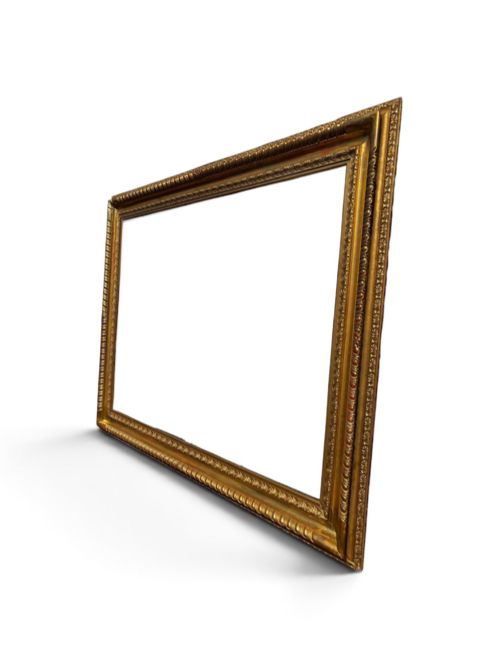
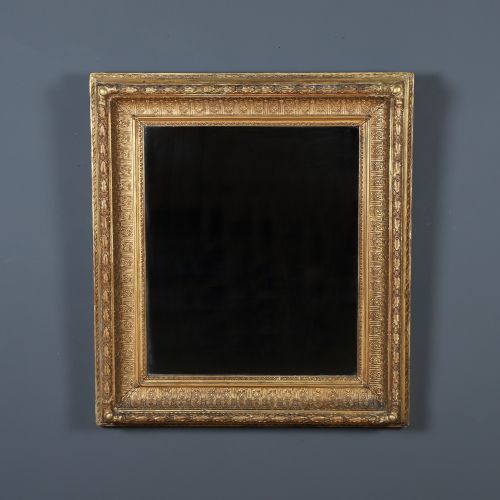
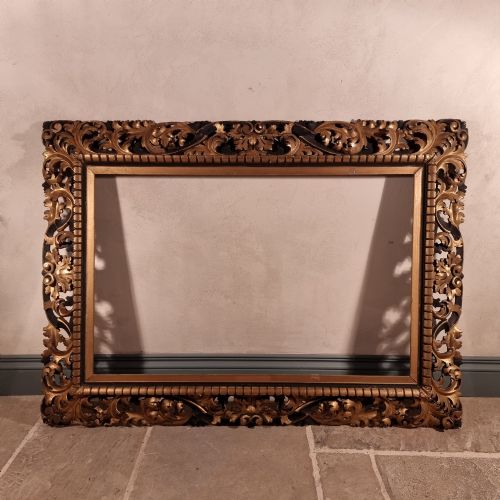
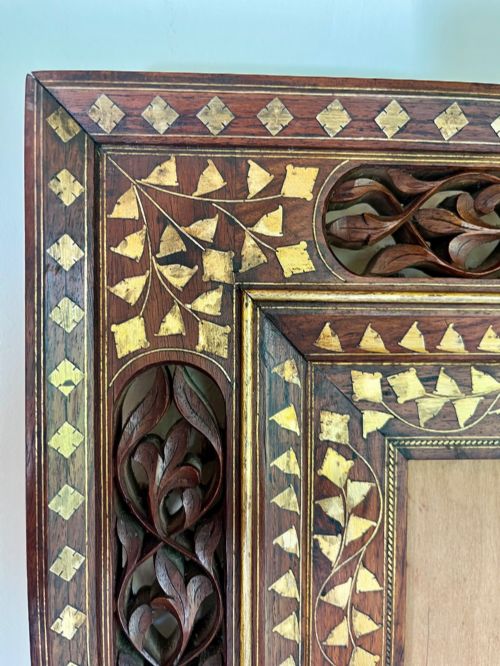

Carved Wood Picture Frame
A carved wood picture frame brings depth and architectural presence to a wall, holding portraits and mirrors with substantial period character.
Carved Wood Picture Frame
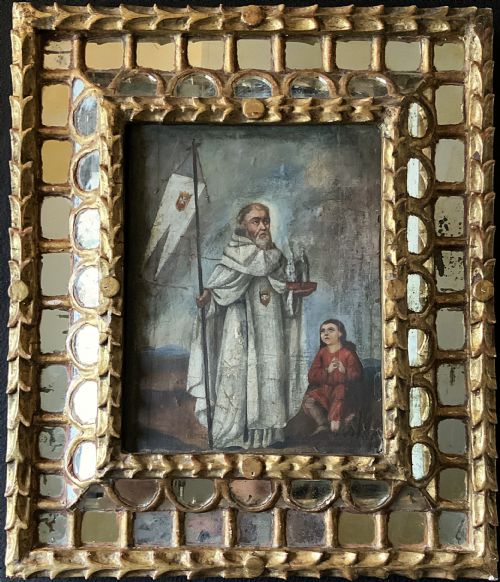
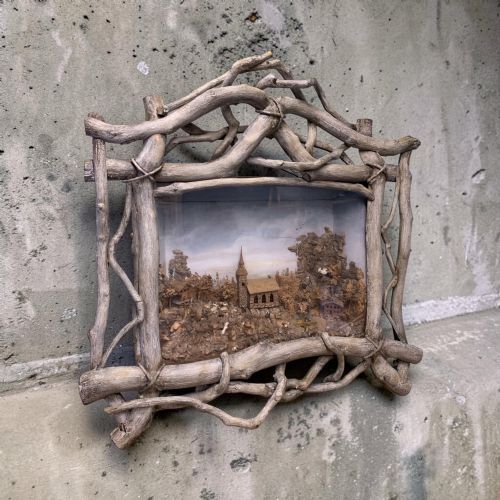
When searching for a carved wood picture frame, collectors encounter pieces spanning from the seventeenth century through to the early twentieth century. These objects function both as housings for oil paintings, prints and mirrors, and as independent works of craftsmanship defined by regional carving traditions.
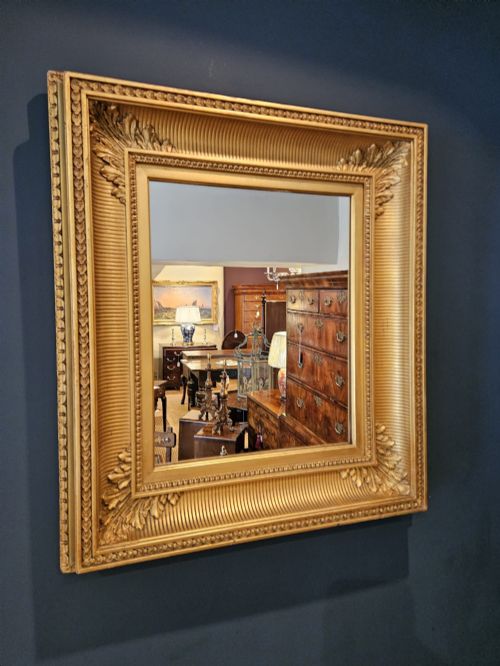
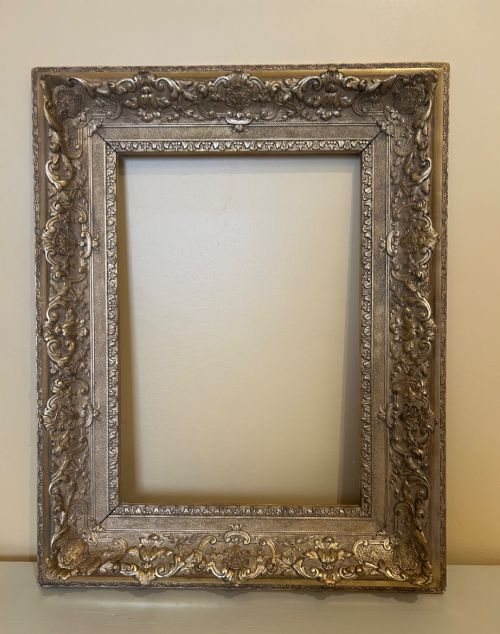
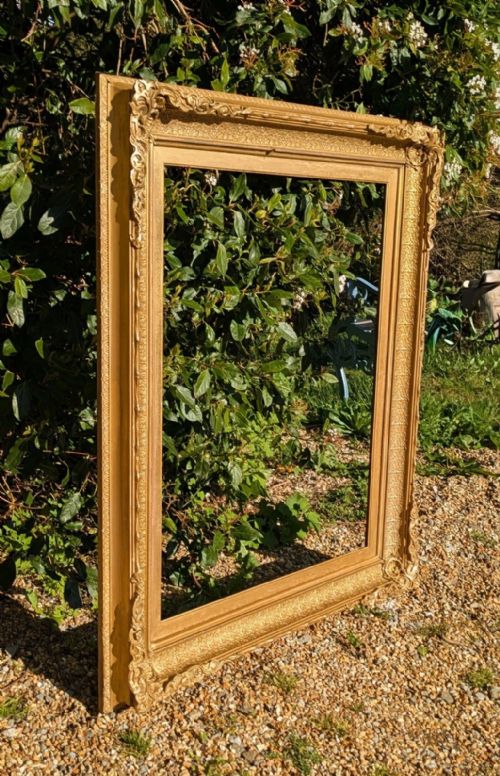
The most common examples on this page date from the nineteenth century, reflecting the Victorian appetite for ornate wall decoration. These frequently exhibit deep profiles, gesso ornamentation, and gilding designed to catch candlelight or natural illumination in a drawing room.
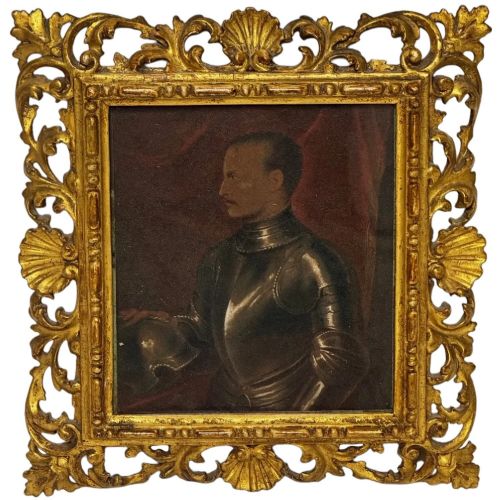
Regional styles vary widely, ranging from British Victorian and Georgian works to Italian Renaissance Revival cassetta forms and Florentine pierced carving. International examples also appear, including Anglo-Indian Hoshiarpur work, Kashmiri walnut items, and Chinese frames enclosing silks or stone.
What Varies in Quality
Quality rests primarily on the crispness and depth of the carving, distinguishing hand-carved undercut foliage from moulded composition ornament. Superior examples retain their original gold leaf surface with minimal intervention, showing natural wear that highlights the underlying gesso and wood.
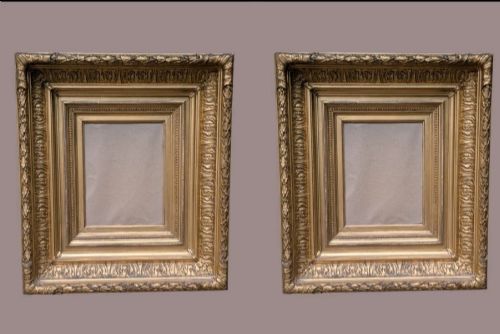
Proportion and scale dictate desirability, particularly in deep profile frames and matched pairs designed to hold substantial oil paintings or mirrors. The integration of structural elements like linen slips and original rebates further separates standard production pieces from fine workshop creations.
Carved Wood Picture Frame Retail Price Guide 2026
Typical asking prices for carved wood picture frame among the pieces listed under this phrase on Sellingantiques today, from the lower quarter to the upper quarter. They describe what is for sale here now, not the wider market.
Some nineteenth-century frames hid secret double-sided wooden picture slips just in case the portrait needed a quick swap.
The Carved Wood Picture Frame Glossary
- Gesso
- A plaster-like mixture applied to wood frames as a smooth base for gilding or deep relief moulding. It allows carvers to achieve sharp details before applying gold leaf.
- Giltwood
- Timber that has been coated with gold leaf over a prepared surface. This technique provides the rich metallic lustre seen on Victorian and Baroque frames.
- Cassetta
- A flat-profile frame style featuring a wide central frieze flanked by moulded edges, popular during the Italian Renaissance. These often display painted or gilded ornamentation.
- Rebate
- The recessed channel at the back of a frame designed to hold the canvas, glass, or panel securely in place. Its depth determines the thickness of the artwork accommodated.
- Montparnasse frame
- A French frame style characterised by a simple inverted profile and a fabric slip, originating in the early twentieth century. Artists favoured them for modern paintings.
Carved Wood Picture Frame: Frequently Asked Questions
How do I date an old wooden frame?
Dating relies on examining the timber species, construction joints at the corners, and the composition of the gesso ground beneath the surface finish. Tool marks left by hand chisels also offer clues to the period of manufacture.
stylistic indicators such as Victorian acanthus motifs, Art Nouveau curves, or seventeenth-century cassetta proportions help narrow down the decade of creation.
Can I hang a heavy antique frame safely?
Hanging heavy giltwood or carved frames requires secure wall fixings suited to the weight of the timber and plaster construction. Professional mirror plates or heavy-duty D-rings screwed into the primary frame structure provide the necessary support.
checking the integrity of the corner joints before hanging ensures the frame can bear the sustained tension safely.
What is the difference between a frame and a mirror frame?
Many frames on the market served dual purposes, housing oil paintings, watercolours, or glass plates depending on the original commission. Overmantle and hallway mirrors often share identical moulding profiles and carving styles with contemporaneous picture frames.
distinguishing between them usually depends on whether the rebate holds a canvas or a silvered mirror glass.
How should I clean a gilded wooden frame?
Cleaning requires a soft dry brush to gently remove dust from the intricate recesses of the carved gesso and gold leaf. Moisture and modern chemical solvents must be avoided to prevent lifting the delicate metallic surface.
consulting a professional conservator is advisable if the gilding shows flaking or structural instability.