

Vintage Photo Frame
A vintage photo frame holds a cherished portrait while bringing period character to a desk or mantelpiece.
What these pieces are
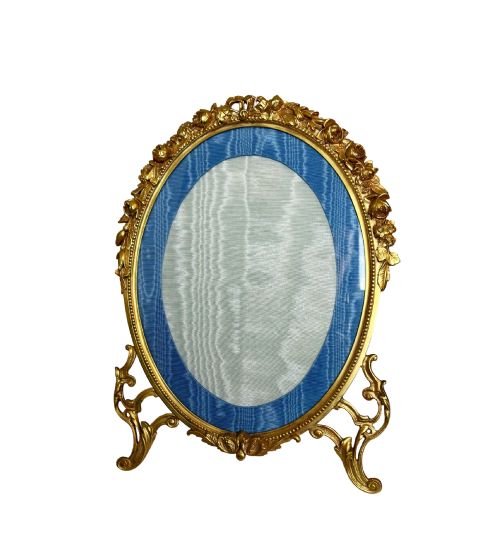
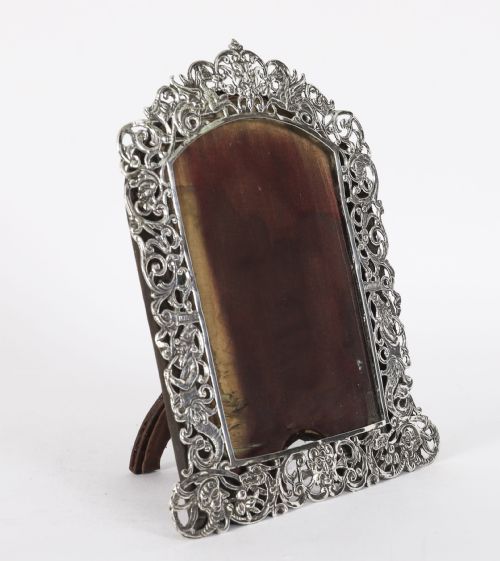
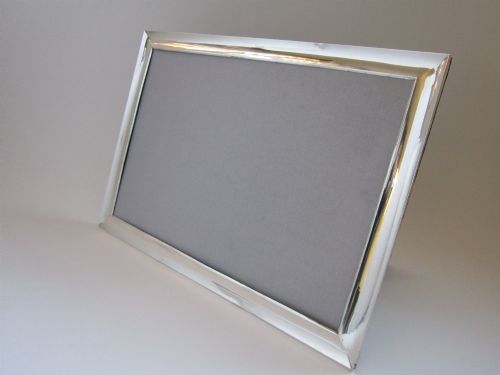
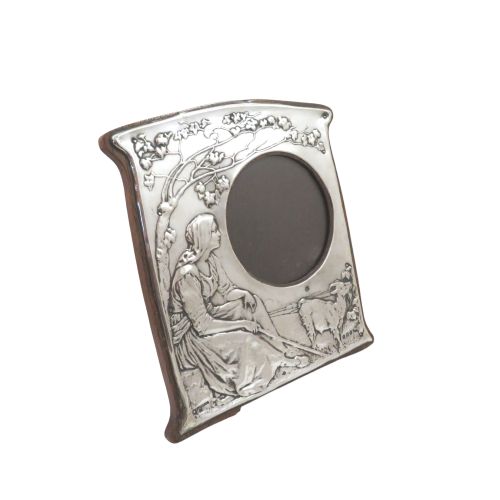
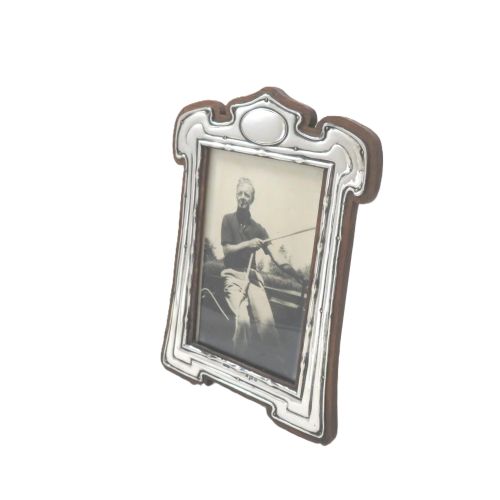
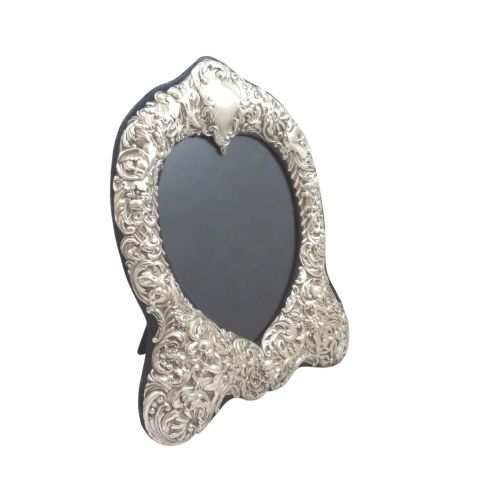
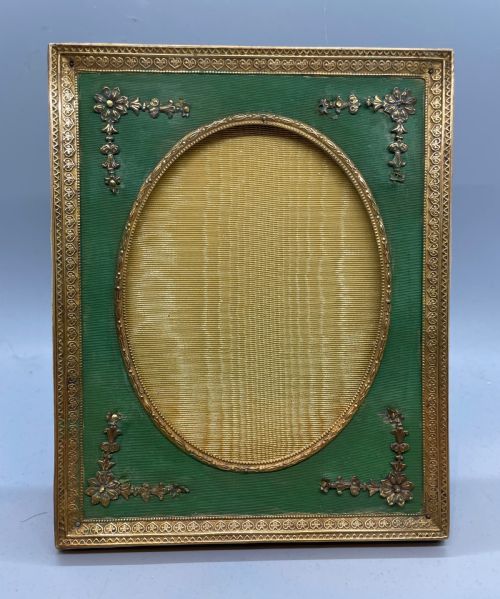
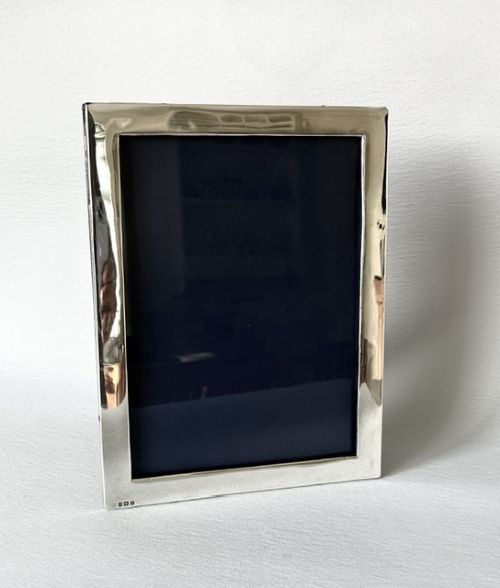
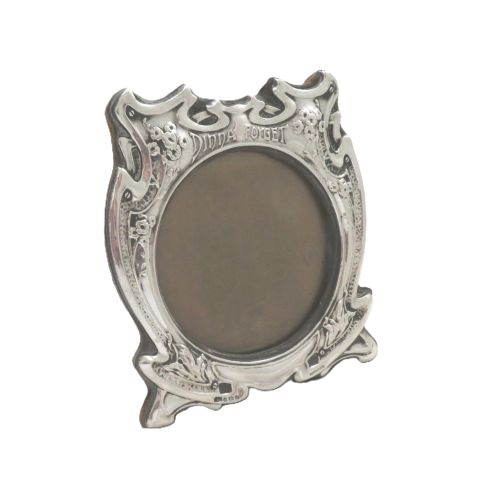
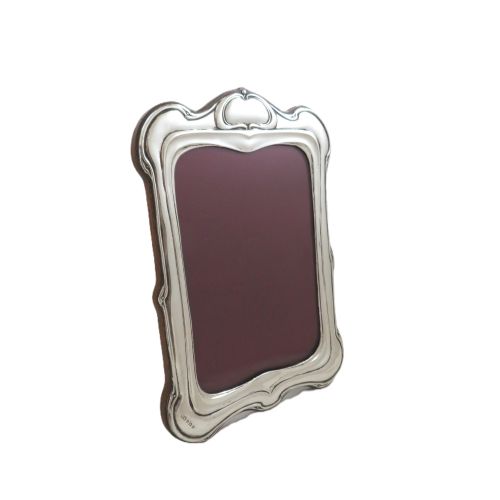
When you search for a vintage photo frame, you encounter a selection spanning the Victorian, Edwardian, and Art Deco periods, alongside pieces from the 1910s and 1920s. These items take the form of photo frames and picture frames designed to display portraiture.
Makers represented in the archive and current listings include Asprey, Deakin & Francis, and Mappin & Webb. Materials extend beyond metal to incorporate glass, velvet, gold leaf, leatherette, and tortoiseshell.
How they were made
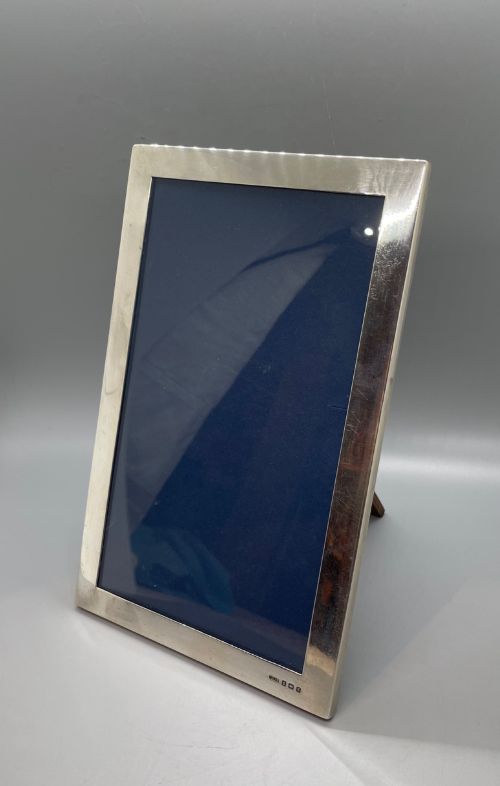
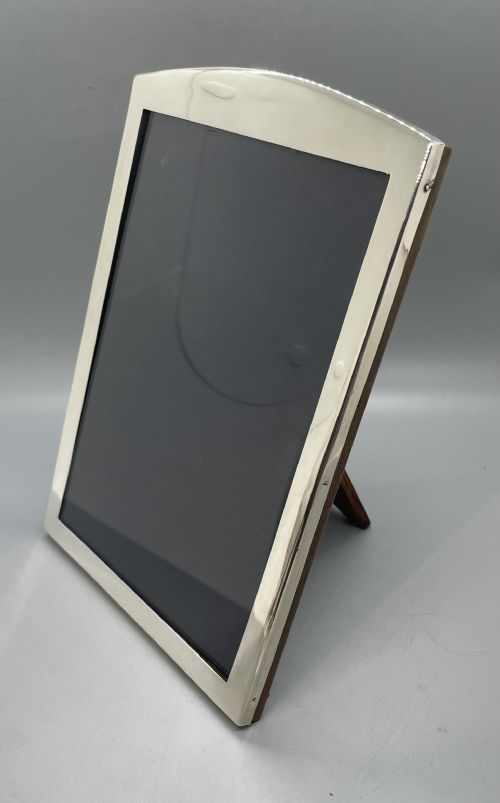
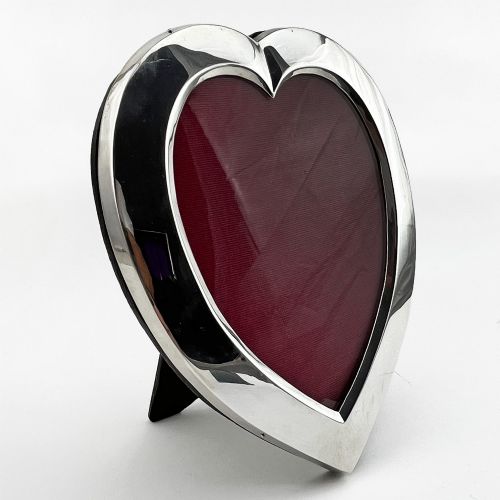
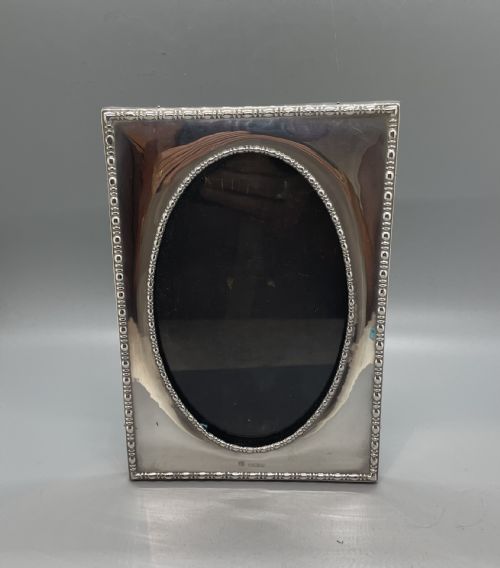
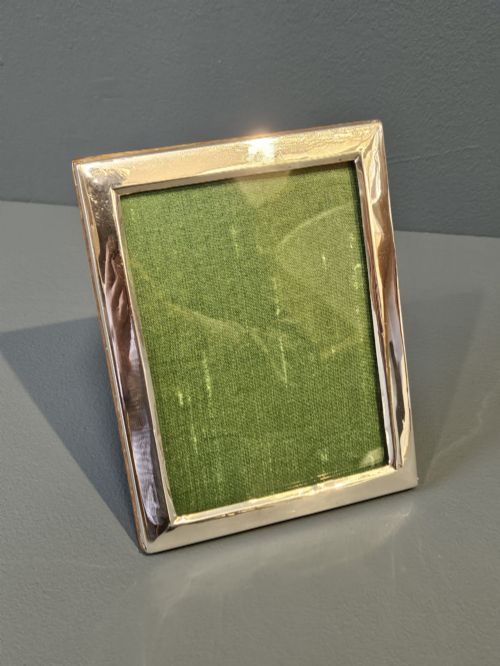
Silversmiths constructed these frames using sterling silver, often applying an engine-turned style border or plain polished borders to create texture. Backings typically utilised wood or leatherette with easel stands for support.
Wooden picture frames relied on carved gesso decorated with leaf and berry motifs, sometimes finished with gold leaf. Glazing required fitted glass panels to protect the photographic aperture.
Retail Price Guide 2026
Typical UK retail prices for vintage photo frame, calculated from the Sellingantiques database of over a million retail prices indexed since 2003. This retail price guide relies exclusively on Sellingantiques data; no external sources or auction records are used, so the figures do not describe the wider market.
Some frames still harbour traces of sepia family portraits tucked behind the original glass.
What varies in quality
Quality rests on the integrity of the materials and the distinction of the maker, such as pieces bearing hallmarks from established firms like Mappin & Webb or Deakin & Francis. Metal thickness and the crispness of engine-turned patterns or embossed motifs differentiate standard items from superior examples.
The finish of the backing and the structural soundness of the easel mechanism also mark the distinction between everyday items and finer creations. Intricate details like tortoiseshell insets or delicate leaf and berry gesso work elevate a piece.
Deakin & Francis·Asprey·Mappin & Webb
The Vintage Photo Frame Glossary
- Sterling silver
- An alloy of silver containing 92.5% pure silver and 7.5% other metals, predominantly copper. This standard composition provides the durability required for decorative items like photo frames.
- Engine-turned
- A decorative technique involving precise geometric patterns mechanically engraved into metal surfaces. This method creates repeating lines and textures across silver borders.
- Easel back
- A hinged support attached to the rear of a frame allowing it to stand upright on a flat surface. This structural component is typically covered in leatherette, velvet, or wood.
- Gesso
- A plaster-like mixture applied to wooden frames as a base for carving and gilding. It allows craftsmen to model intricate details such as leaf and berry motifs.
- Aperture
- The open viewing window in a frame through which the photograph is displayed. Measurements of this opening dictate the required size of the picture.
Frequently Asked Questions
How do I date a silver frame?
Dating typically relies on silver hallmarks stamped onto the metal border, which indicate the assay office, standard, and year of manufacture.
Style also offers clues, shifting from ornate Victorian and Edwardian scrollwork to geometric Art Deco designs.
What materials are used in backs?
Backings commonly feature wood or leatherette materials paired with a hinged easel stand for desk display.
Finer examples may incorporate velvet or sturdy timber to support the weight of the silver front.
Can I polish sterling silver frames?
Sterling silver benefits from gentle cleaning with a specialised soft cloth to maintain its shine without damaging the metal.
Avoid harsh abrasive cleaners, particularly around embossed motifs or engine-turned patterns where detail can wear away.
How were Art Deco frames different?
Art Deco frames introduced streamlined shapes, rectangular profiles, and precise engine-turned borders during the 1920s and 1930s.
These designs moved away from the flowing floral motifs seen in earlier Victorian and Edwardian pieces.